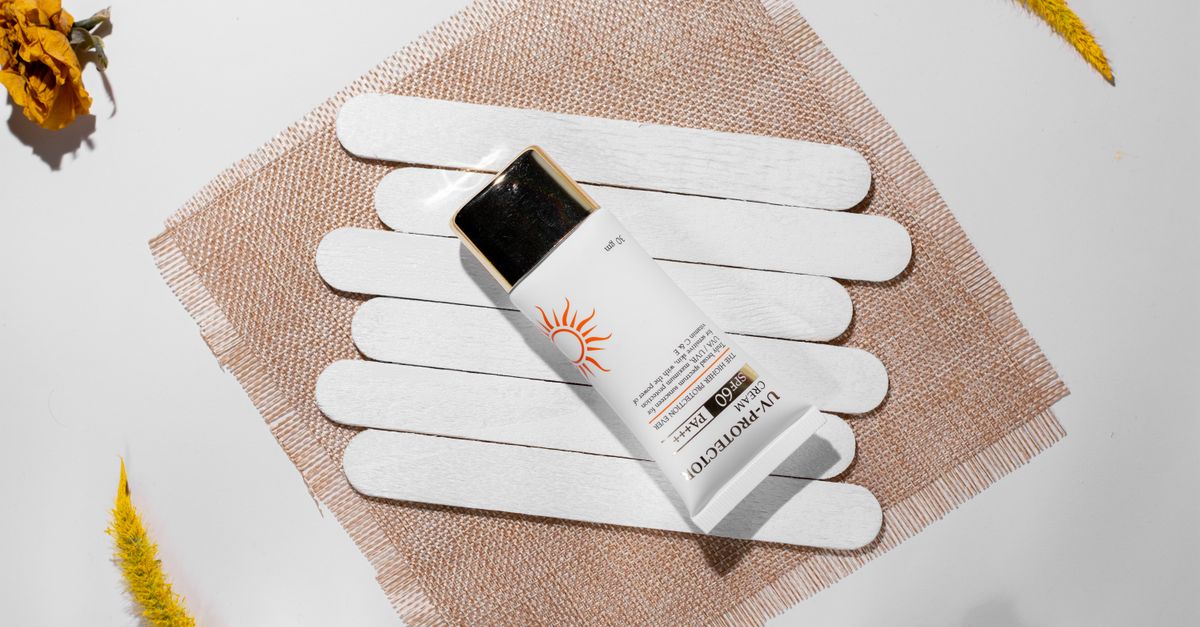
EltaMD UV AOX Elements is a broad-spectrum physical sunscreen employing zinc oxide and titanium dioxide to block ultraviolet wavelengths from penetrating the epidermis. It provides crucial photo-protection enhanced with antioxidant complexes, though the heavy mineral formulation can occasionally induce mild follicular occlusion and contact dermatitis in highly sensitive individuals.
1. Introduction & Mechanism of Action of EltaMD UV AOX Elements
This formulation utilizes a dual-action inorganic ultraviolet filter system comprised of zinc oxide and titanium dioxide. Upon topical application, these dense mineral particles disperse evenly across the stratum corneum without absorbing into the underlying viable cellular layers.
These minerals act collectively as a physical shield. They actively scatter, reflect, and absorb both UVA and UVB radiation, preventing destructive photons from reaching the dermal fibroblasts and melanocytes. Furthermore, the formulation incorporates antioxidant complexes designed to neutralize free radicals generated by environmental pollution, thereby mitigating secondary oxidative stress on the cutaneous tissue.
2. Warnings & Before Taking EltaMD UV AOX Elements
This physical sunscreen is strictly formulated for external topical application. It must never be ingested. Patients must avoid direct contact with the ocular mucosa, as the dense mineral formulation can cause severe mechanical irritation and conjunctival hyperemia.
While specifically designed to protect against environmental damage, patients must not apply this product to actively weeping, unhealed surgical wounds or severe third-degree thermal burns. The dense mineral matrix can trap cellular exudate and heat, significantly delaying the physiological wound healing cascade and increasing the risk of secondary bacterial colonization.
3. Indications & Dosage Guide for EltaMD UV AOX Elements
This product is clinically indicated for the rigorous prevention of solar-induced epidermal damage, sunburn, and hyperpigmentation, tailored specifically for patients seeking to combat free radical damage while protecting the skin barrier.
Apply a generous and uniform layer to all exposed facial and cervical surfaces exactly fifteen minutes before initiating solar exposure. Strict reapplication is clinically mandatory every two hours. Reapplication must occur immediately following heavy diaphoresis, swimming, or aggressive towel drying, as the physical mineral shield is highly susceptible to mechanical removal.
4. In-Depth Side Effects Analysis of EltaMD UV AOX Elements
Zinc oxide and titanium dioxide are biochemically inert and generally devoid of systemic risks. The physical characteristics of the heavy mineral formulation present distinct localized dermatological effects.
Common Side Effects
Patients frequently experience mild localized xerosis, as zinc oxide possesses inherent astringent properties that can absorb superficial epidermal moisture. The product typically leaves a visible white or ashy cast on the skin, which is a direct physical result of the opaque minerals blocking light transmission.
Serious Side Effects You Should Report
Immediate clinical evaluation is required if the patient develops severe follicular pustules, intense cystic acne breakouts, or a widespread highly pruritic macular rash. These symptoms point to severe comedogenicity or a profound allergic contact dermatitis to the inactive stabilizing agents or botanical antioxidants.
Rare Side Effects
In exceedingly rare scenarios, hypersensitivity to specific synthetic preservatives within the base can trigger localized angioedema, resulting in severe asymmetric facial swelling and erythema requiring topical or oral corticosteroid intervention.
Side Effects That Usually Do Not Require Medical Attention
Mild pilling, where the product rolls into tiny clumps upon the skin surface when layered with incompatible silicone-based cosmetics, is an expected physical incompatibility and requires absolutely no medical concern.
| Side Effect Category | Specific Symptoms |
|---|---|
| Cosmetic | Product pilling, visible white cast, heavy texture |
| Dermatological | Mild xerosis, follicular occlusion, acneiform eruptions |
| Allergic | Severe contact dermatitis, intense pruritus, facial swelling |
5. Overdose: Symptoms and Management for EltaMD UV AOX Elements
A topical overdose leading to systemic mineral toxicity is physiologically impossible. Both zinc oxide and titanium dioxide molecules are far too large to breach the intact stratum corneum and enter the systemic circulation in any clinically measurable quantity.
Acute systemic toxicity via massive accidental ingestion is extremely rare. If ingested, the heavy mineral load will likely cause immediate gastrointestinal distress, presenting as severe nausea, abdominal cramping, and osmotic diarrhea. Clinical management is entirely supportive, focusing on oral hydration and observation without the need to induce emesis.
6. Missed Dose & What to Avoid While Using EltaMD UV AOX Elements
Photoprotection requires continuous physical adherence to the skin. A missed reapplication immediately leaves the underlying tissue exposed to severe ultraviolet radiation, drastically increasing the risk of permanent post-inflammatory hyperpigmentation and severe erythema rebound.
Patients must rigorously avoid excessive facial touching or resting the face against surfaces. Mechanical friction rapidly compromises the integrity of the mineral shield. Avoid layering this product with heavy occlusive facial oils, as this will destabilize the sunscreen emulsion and cause the mineral particles to migrate.
7. Drug & Alcohol Interactions with EltaMD UV AOX Elements
Topical mineral filters present absolutely zero risk of interacting pharmacokinetically with oral systemic medications, nor do they possess any interaction potential with systemic alcohol consumption due to the complete lack of transdermal absorption.
Locally, the dense physical barrier created by the sunscreen can severely impede the transdermal delivery of other topical prescription medications. Patients utilizing topical therapies such as clindamycin for severe acne must ensure their medicated gel is applied and fully absorbed at least twenty minutes prior to applying the physical sunscreen shield.
8. Precautions, Safety & Duration of Action for EltaMD UV AOX Elements
The photoprotective efficacy is instantaneous upon application. The duration of protection is strictly limited by physical adherence, necessitating the strict two-hour reapplication rule to maintain the integrity of the microscopic mineral mirror on the skin surface.
Patients must understand that while the formulation contains antioxidant elements, these compounds degrade rapidly upon exposure to air and intense sunlight. The primary defensive mechanism remains the physical mineral blockade against solar radiation.
9. How to Stop Taking EltaMD UV AOX Elements & Storage/Disposal
Use can be discontinued at any time without physiological withdrawal. Premature cessation on post-procedure or severely inflamed skin guarantees rapid solar damage, exacerbation of rosacea flares, and severe photo-aging of the delicate epidermal tissue.
Store the container in a temperature-controlled environment away from direct extreme heat. High temperatures will cause the emulsion to break, separating the dense minerals from the liquid base and entirely destroying the product’s ability to provide uniform photoprotection. Dispose of depleted containers in standard household cosmetic waste.
10. When to See a Doctor Regarding EltaMD UV AOX Elements
Consult a dermatologist if application triggers an intractable acneiform eruption or weeping contact dermatitis that fails to respond to standard gentle cleansing. Any irregular, rapidly changing, or intensely dark cutaneous lesions appearing despite daily sunscreen usage demand immediate oncological evaluation to rule out malignant melanoma.
Frequently Asked Questions (FAQ)
1. How do these minerals differ from chemical sunscreen filters?
Zinc oxide and titanium dioxide are inert minerals that sit directly on the skin surface to physically reflect ultraviolet rays, whereas chemical filters must absorb into the skin tissue to convert UV rays into heat.
2. What are the AOX elements in this formulation?
AOX stands for antioxidants. These are specifically selected botanical or synthetic compounds added to the base to help neutralize free radicals caused by pollution and environmental stress.
3. Why does this sunscreen leave a white film on my face?
The white film is the actual mineral powder sitting on your skin. Because it physically blocks light, it appears opaque and white to the naked eye.
4. Is it safe to use immediately after a chemical peel?
Yes. Physical mineral sunscreens are the preferred clinical standard post-procedure because they do not generate internal heat within the skin like chemical sunscreens, drastically reducing the risk of further inflammation.
5. Do the minerals absorb into my bloodstream?
No. Extensive scientific analysis confirms that these mineral particles are far too large to pass through the human epidermal barrier into the systemic blood supply.
6. How can I effectively remove this at night without scrubbing?
Because the product is designed to adhere strongly to the skin, a gentle double-cleansing method utilizing an oil-based cleanser followed by a water-based cleanser is highly recommended for complete removal.
7. How often must I reapply if I am sweating heavily?
You must reapply immediately after wiping sweat from your face, as the physical action of a towel will instantly remove the protective mineral layer.
Bibliography
Disclaimer: The content is for informational purposes only and does not replace medical advice. Always consult your doctor or pharmacist for personalized treatment.