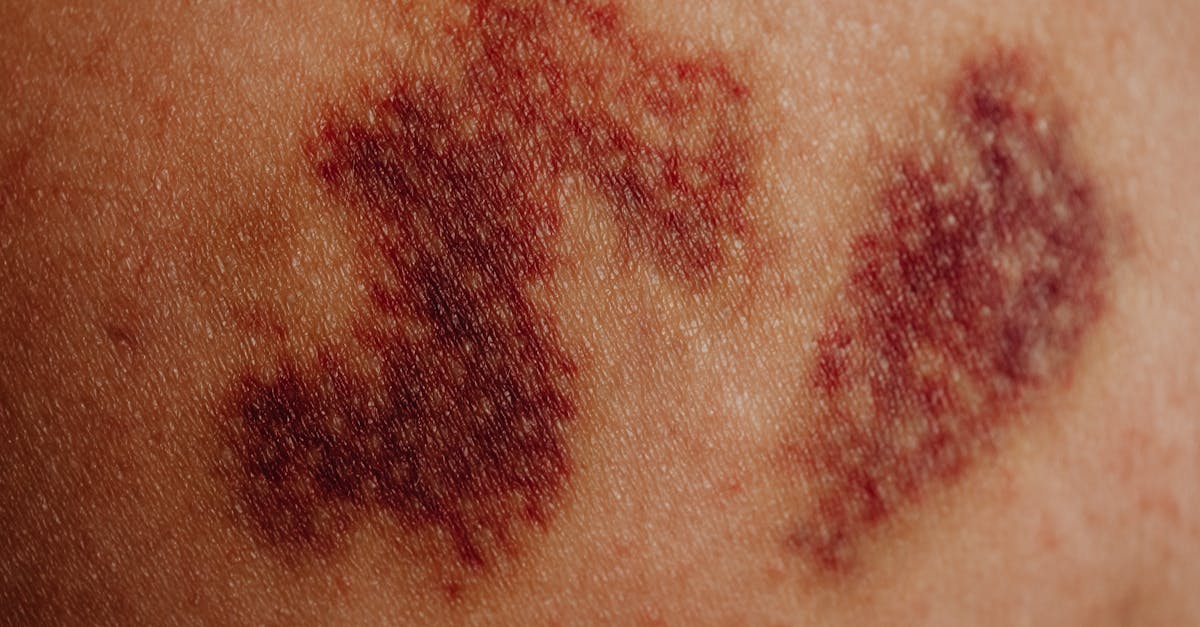
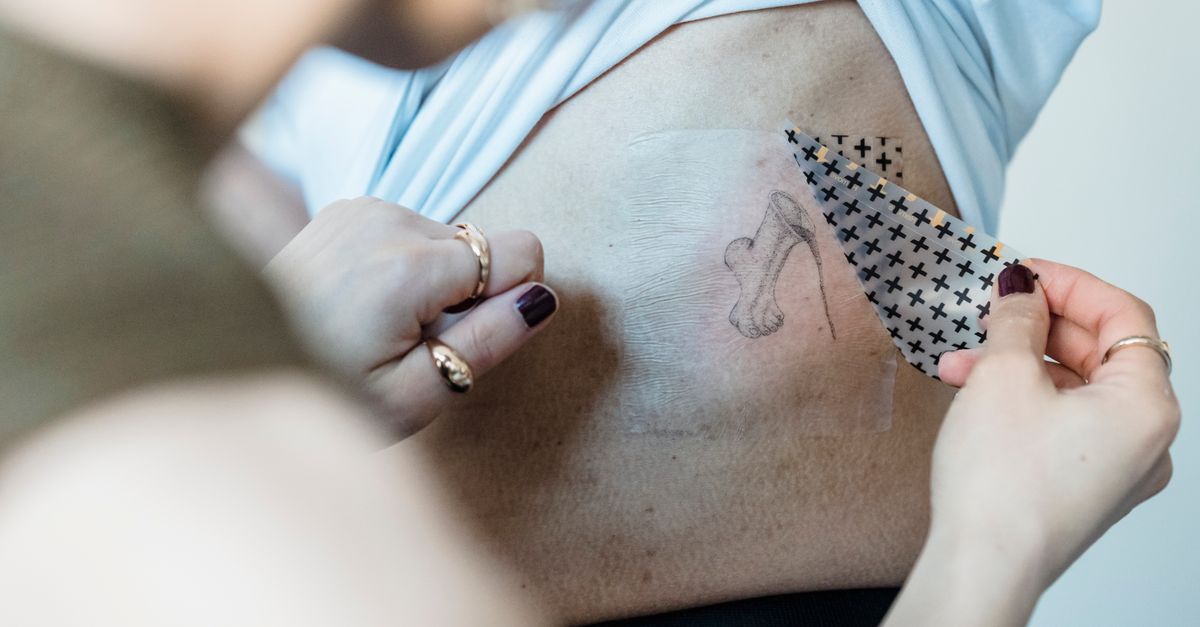
The Elemar Patch is a transdermal analgesic system combining lidocaine and menthol to provide localized relief from musculoskeletal and neuropathic pain. Its most widely reported side effect is application site dermatitis, which manifests as transient erythema, localized pruritus, and a profound cooling or burning sensation exactly under the patch.
1. How Elemar Patch Works in the Body
The Elemar Patch leverages a dual-action pharmacological approach to manage localized peripheral pain. The transdermal matrix delivers lidocaine, a potent amide-type local anesthetic, alongside menthol, a naturally occurring cyclic terpene alcohol known for its rapid counter-irritant properties.
Lidocaine acts directly on the peripheral nerve endings embedded within the dermal layers. It binds specifically to voltage-gated sodium channels on the neuronal membrane, completely blocking the influx of sodium ions required for depolarization. By halting this essential cellular process, the nerve is rendered temporarily unable to transmit pain signals to the central nervous system, creating a profound, localized numbing effect.
Menthol functions simultaneously as a highly effective counter-irritant and mild localized vasodilator. It directly stimulates TRPM8 receptors on sensory nerve endings, which are the primary molecular transducers for cold somatosensation. This chemical activation tricks the nervous system into perceiving a strong cooling sensation. This cooling effect actively overrides and distracts the brain from processing the underlying deep muscle aches, working synergistically with the true anesthetic blockade provided by the lidocaine.
2. Critical Warnings Before Using Elemar Patch
Patients must never apply this transdermal patch over broken, deeply abraded, or actively bleeding skin. Applying lidocaine to an area lacking an intact epidermal barrier will result in rapid, massive systemic absorption. High systemic levels of lidocaine are directly toxic to the cardiovascular and central nervous systems, potentially precipitating fatal arrhythmias or intractable seizures.
Individuals with severe hepatic impairment must use transdermal lidocaine patches with extreme caution. The liver is exclusively responsible for metabolizing any lidocaine that enters the systemic circulation. In patients with compromised liver function, even the small amounts of drug absorbed from a topical patch can accumulate over days of repeated use, elevating the risk of systemic toxicity.
Patients with a known hypersensitivity to menthol or amide-type local anesthetics must avoid the Elemar Patch entirely. Allergic contact dermatitis can develop rapidly, transforming minor neuropathic pain into severe blistering, profound swelling, and intense pruritus at the application site.
3. Indications and Proper Dosage for Elemar Patch
The Elemar Patch is clinically indicated for the relief of pain associated with minor musculoskeletal aches, sprains, osteoarthritis flares, and localized neuropathic pain conditions. The transdermal delivery system ensures a steady, controlled release of the active ingredients over an extended period.
The standard dosing protocol for adults allows for the application of up to three patches simultaneously to cover the most painful areas of intact skin. The patches must be applied exactly once in a twenty-four-hour period and may remain in place for a maximum of twelve hours. Following the twelve-hour application window, the patches must be physically removed, and the patient must observe a strict twelve-hour patch-free interval.
This twelve-hour patch-free period is physiologically mandatory. It prevents the gradual accumulation of systemic lidocaine and allows the epidermal tissue to breathe, drastically reducing the risk of severe contact dermatitis.
4. In-Depth Side Effects Analysis of Elemar Patch
Transdermal lidocaine and menthol are generally well tolerated because systemic absorption is remarkably low when the patch is used correctly. The majority of adverse events are strictly localized to the cutaneous tissue trapped under the adhesive matrix.
| Side Effect Category | Specific Symptoms |
|---|---|
| Dermatological | Erythema, localized pruritus, mild edema, blanching |
| Allergic | Vesicular rash, intense swelling, contact dermatitis |
| Systemic Neurological | Tinnitus, dizziness, metallic taste due to high absorption |
Common Side Effects
Virtually all common side effects occur directly at the application site. Patients frequently report transient erythema, mild itching, and a strong sensation of cold or warmth when the patch is first applied, driven by the menthol. Slight blanching of the skin under the patch is a normal physiological response to localized vasoconstriction.
Serious Side Effects You Should Report
Any signs pointing to systemic lidocaine toxicity demand immediate removal of the patches and emergency medical intervention. Early warning signs include sudden ringing in the ears, a metallic taste in the mouth, perioral numbness, and severe dizziness. If the application site develops severe weeping blisters or intense pain, the patient must discontinue use and consult a dermatologist.
Rare Side Effects
In exceedingly rare instances, particularly in patients with undiagnosed genetic predispositions or those inappropriately applying external heat to the patch, massive systemic absorption can occur. This can lead to profound bradycardia, severe hypotension, and sudden cardiovascular collapse.
Side Effects That Usually Do Not Require Medical Attention
Mild redness that resolves within a few hours of removing the patch is expected and requires no clinical intervention. A complete lack of sensation directly over the treated area is the intended pharmacological action of the drug matrix.
5. Symptoms of Lidocaine And Menthol Overdose and Necessary Actions
Topical overdose resulting in local anesthetic systemic toxicity is a life-threatening medical emergency. It occurs when patients apply too many patches, leave them on longer than twelve hours, or apply them over damaged skin. The clinical progression begins with central nervous system excitation presenting as severe anxiety, muscle twitches, and visual disturbances. This rapidly deteriorates into massive seizures, coma, and respiratory arrest.
Simultaneously, the cardiovascular system is profoundly depressed by the lidocaine, leading to dangerous bradycardia, hypotension, and potential cardiac asystole.
If toxicity is suspected, all patches must be immediately removed, and the skin must be wiped clean with a damp cloth to remove any residual gel. Emergency medical services must be dispatched instantly. In a hospital setting, resuscitation involves securing the airway and the rapid intravenous administration of lipid emulsion therapy. This lipid sink actively pulls the highly fat-soluble lidocaine molecules out of the cardiac and neurological tissues.
6. Managing a Missed Dose of Elemar Patch and What to Avoid
Because this is a strictly as-needed analgesic therapy, missing a scheduled patch application is clinically irrelevant. The patient should simply apply a new patch when the severe localized pain returns, ensuring they still rigorously abide by the twelve-hour on and twelve-hour off protocol.
Patients must actively avoid applying any external heat sources directly over the Elemar Patch. Using electric heating pads, hot water bottles, or taking excessively hot showers with the patch in place heavily dilates the cutaneous blood vessels. This heat-induced vasodilation forcefully accelerates the absorption of lidocaine into the systemic bloodstream, easily precipitating acute and fatal toxicity.
7. What Drugs Interact with Elemar Patch?
Systemic drug interactions are a critical clinical concern if significant amounts of the topical anesthetic enter the general circulation.
Concurrent use of the Elemar Patch with class one or class three antiarrhythmic medications, such as mexiletine or amiodarone, is highly dangerous. These cardiovascular drugs share similar mechanisms of action on cardiac sodium channels. The combination produces synergistic cardiac depression that can precipitate sudden heart failure.
Additionally, patients should aggressively avoid utilizing other topical amide anesthetics, such as lidocaine hydrochloride creams or sprays, on different parts of the body while wearing the Elemar Patch. The toxic threshold for central nervous system side effects is entirely cumulative across all amide anesthetics used simultaneously.
8. Safety Precautions and Duration of Action for Elemar Patch
A critical safety precaution involves the proper disposal of the patch. Even after twelve hours of use, a significant reservoir of active lidocaine and menthol remains embedded in the adhesive matrix. Used patches must be folded in half, sticky sides together, and disposed of in a secure receptacle strictly out of reach of young children and household pets. Chewing on a discarded patch is rapidly fatal for a small animal.
The sensory relief from the menthol is immediate, typically initiating a strong cooling sensation within five minutes. The true anesthetic action of the lidocaine is gradual, taking thirty to sixty minutes to penetrate the epidermis and reach the nerve endings. The duration of action persists securely throughout the twelve-hour application period.
9. Discontinuing and Storing Elemar Patch Safely
The medication should be discontinued as soon as the acute localized pain subsides to a manageable baseline. There is no physical withdrawal syndrome associated with stopping transdermal lidocaine, though the underlying pain will return if the primary injury has not fully healed.
Proper storage is paramount to preserve the adhesive and the drug matrix. The patches must be kept in their original sealed envelopes until immediately prior to use. They should be stored at room temperature, strictly away from direct sunlight, extreme heat, or heavy moisture.
10. When to Seek Medical Attention for Lidocaine And Menthol Side Effects
Immediate emergency medical attention is mandatory if the patient exhibits any neurological symptoms of systemic toxicity, including profound confusion, slurred speech, uncoordinated movements, or muscle tremors.
A clinical consultation is also strictly necessary if the skin under the patch becomes severely inflamed, presenting with deep red fissures, weeping sores, or intractable pruritus. This strongly indicates a severe allergic contact dermatitis that requires immediate removal of the patch and potential treatment with topical corticosteroids.
Frequently Asked Questions (FAQ)
1. Can I cut the patch to fit a smaller area of pain?
Yes, the Elemar Patch can be carefully cut with scissors into smaller sizes prior to removing the release liner to perfectly fit smaller joints or localized pain pathways.
2. Is it safe to wear the patch while exercising?
Vigorous exercise increases body heat and blood flow to the skin, which can theoretically increase lidocaine absorption. It is best to avoid intense sweating while wearing the patch to prevent toxicity and ensure the adhesive remains intact.
3. Can I wear the patch for a full twenty-four hours if the pain is severe?
Absolutely not. You must strictly observe a twelve-hour patch-free period every single day to prevent fatal systemic lidocaine buildup.
4. Will this patch make me sleepy or impair my driving?
When used correctly, the lidocaine remains in the local tissue and does not enter the brain in significant amounts, meaning it will not cause drowsiness or impair cognitive function like oral painkillers.
5. Why do I taste metal in my mouth after applying multiple patches?
A metallic taste in the mouth is a major neurological warning sign of systemic lidocaine toxicity. You must remove all patches immediately and seek emergency medical care.
6. Can I use this medication alongside oral nerve pain pills?
Yes, doctors frequently prescribe localized lidocaine patches alongside systemic medications like pregabalin for comprehensive neuropathic pain management.
7. Can I wrap a bandage tightly over the patch to keep it from falling off?
No. Applying tight, occlusive dressings over the patch can artificially increase the absorption rate of the drug into your bloodstream, heavily raising the risk of severe side effects.
Bibliography
Disclaimer: The content is for informational purposes only and does not replace medical advice. Always consult your doctor or pharmacist for personalized treatment.