Pain Relief is a topical botanical analgesic and anti-inflammatory preparation utilizing the active extract of the Arnica montana flower. The most clinically significant side effect is allergic contact dermatitis, characterized by intense localized itching, erythema, and blistering, primarily affecting patients with existing hypersensitivities to the Asteraceae botanical family.
1. Introduction & Mechanism of Action of Pain Relief
The therapeutic efficacy of Pain Relief relies heavily on the complex phytochemical profile of Arnica montana. The primary active constituents are sesquiterpene lactones, most notably helenalin. When applied topically to intact skin, helenalin penetrates the stratum corneum and exerts a potent, localized anti-inflammatory effect.
Mechanistically, helenalin binds directly to and inhibits the transcription factor NF-kappaB, a critical protein complex that controls the transcription of DNA, cytokine production, and cell survival. By preventing the activation of NF-kappaB, Arnica rapidly suppresses the inflammatory cascade at the cellular level. This targeted inhibition drastically reduces localized edema, accelerates the reabsorption of subcutaneous hemorrhage, and diminishes the nociceptive pain associated with acute muscular trauma and bruising.
2. Warnings & Prerequisites Before Using Pain Relief
Despite its natural origin, Arnica montana contains potent toxins and must be utilized with strict clinical adherence to safety protocols. This preparation is absolutely contraindicated for application on broken skin, open wounds, active mucosal ulcers, or severe abrasions. Applying Arnica to compromised tissue allows rapid systemic absorption of helenalin, which is highly cardiotoxic and hepatotoxic when introduced into the bloodstream.
Furthermore, patients with a known allergy to plants in the Asteraceae or Compositae family, which includes ragweed, chrysanthemums, marigolds, and daisies, must strictly avoid this product. Cross-reactivity is exceptionally high, and application in these individuals will predictably trigger severe, cell-mediated allergic contact dermatitis.
3. Clinical Indications & Pain Relief Dosage Guide
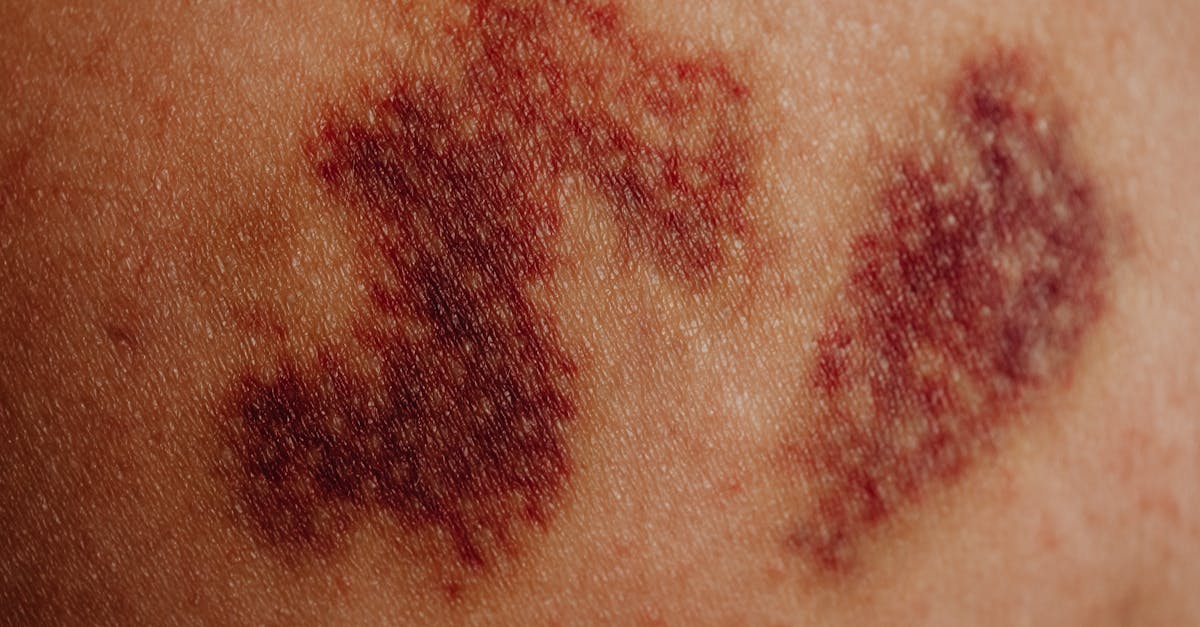
Pain Relief containing Arnica montana is clinically indicated for the temporary, symptomatic management of localized musculoskeletal pain, post-traumatic edema, sprains, strains, and ecchymosis following blunt force trauma. It is frequently utilized in sports medicine protocols to accelerate the resolution of acute, non-complicated bruising.
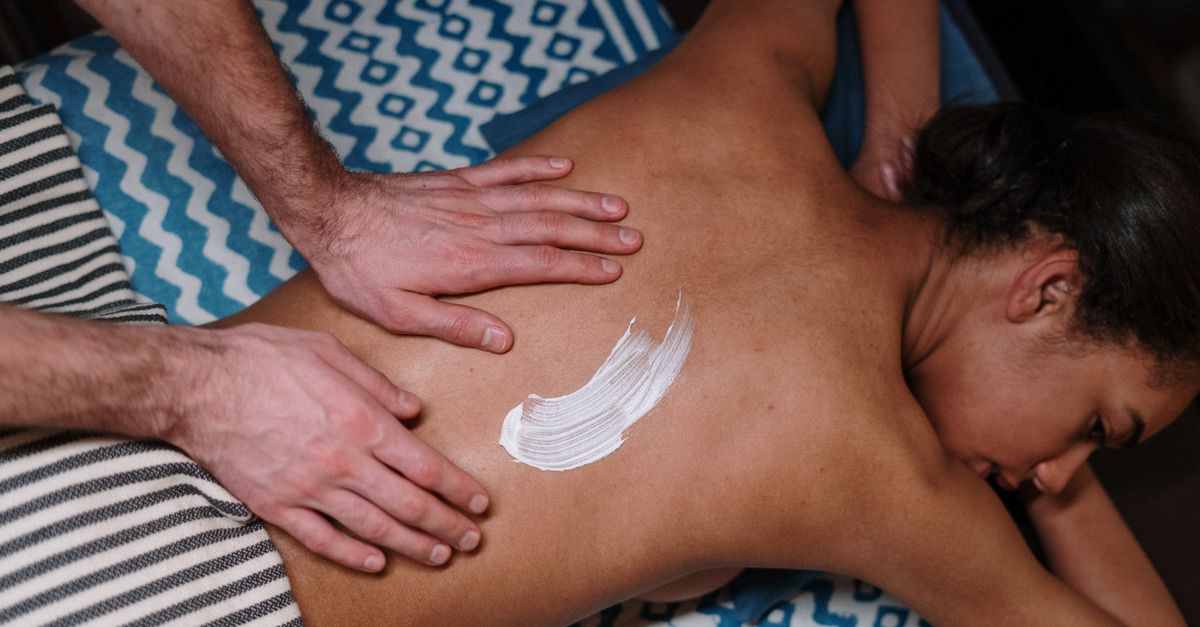
The formulation should be applied in a thin, even layer directly over the affected anatomical region. Patients should massage the gel or cream gently into the intact skin up to three times daily. Treatment should be initiated as soon as possible following the acute injury to maximize the inhibition of the inflammatory cascade. Strict handwashing with soap immediately following application is mandatory to prevent accidental transfer to the eyes or mouth.
4. In-Depth Pain Relief Side Effects Analysis
Due to its application on localized, intact skin, the adverse event profile for Arnica montana is predominantly restricted to dermatological and immunological reactions.
Common Side Effects
The most universally encountered side effect is mild, transient skin irritation at the application site. Patients frequently report slight localized erythema or a very mild stinging sensation immediately following application, particularly if the skin has been subjected to significant friction prior to use. Mild dryness of the treated epidermis is also common after several consecutive days of therapy.
Serious Side Effects You Should Report
Severe localized hypersensitivity requires immediate medical intervention. Patients must seek urgent clinical evaluation if the application site erupts in a rapidly spreading, intensely pruritic rash characterized by weeping, fluid-filled vesicles or deep tissue fissuring. Additionally, the sudden onset of generalized hives, facial swelling, or severe respiratory distress indicates an acute systemic anaphylactic reaction to the botanical proteins.
Rare Side Effects
In exceedingly rare instances involving chronic, massive over-application or application over large areas of severely abraded skin, sufficient helenalin can enter the systemic circulation to induce internal toxicity. This rare systemic absorption presents as severe gastroenteritis, tachycardia, profound muscular weakness, and potential cardiovascular collapse.
Side Effects That Usually Do Not Require Medical Attention
A lingering, herbaceous or slightly medicinal odor is entirely normal and expected due to the volatile oils inherent in the Arnica flower. Minor, temporary pinkness of the skin that fades rapidly after the physical massage of application generally requires no medical attention.
| Side Effect Category | Specific Symptoms |
|---|---|
| Dermatological | Mild stinging, localized dryness, transient erythema |
| Allergic | Severe contact dermatitis, blistering, localized hives |
| Systemic (Rare) | Tachycardia, severe nausea from systemic absorption |
5. Recognizing a Pain Relief Overdose
A toxic systemic overdose via standard topical application on intact skin is exceedingly rare. However, clinical toxicity readily occurs through accidental oral ingestion of the topical gel, a scenario most frequently encountered in pediatric emergencies.
Symptoms of acute oral Arnica toxicity are severe and include agonizing burning of the gastrointestinal tract, profuse vomiting, hemorrhagic diarrhea, profound cardiovascular arrhythmias, and central nervous system depression. Emergency management requires immediate contact with a toxicology center and transport to an emergency department. Care is highly intensive, focusing on cardiac monitoring and aggressive supportive management.
6. Missed Dose & What to Avoid While Using Pain Relief
As Pain Relief is utilized purely for symptomatic management on an as-needed basis, missed doses hold no clinical significance. Patients should simply reapply the formulation when localized pain or swelling persists, strictly adhering to the daily maximum application limits to prevent cumulative skin irritation.
Patients must rigorously avoid applying a tight, occlusive bandage or an external heat source, such as a heating pad, over the treated area. The combination of an occlusive wrap and physical heat traps the botanical compounds against the skin, radically accelerating absorption and significantly increasing the risk of developing a severe, localized chemical burn or deep tissue toxicity.
7. Pain Relief Drug & Topical Interactions
Systemic pharmaceutical interactions are highly unlikely when applied to intact skin. However, local topical interactions present a significant clinical risk. Pain Relief must never be layered over or under other topical medications, including prescription corticosteroid creams, antibiotic ointments, or alternative over-the-counter counterirritants containing high concentrations of menthol or capsaicin.
Mixing multiple chemical and botanical agents on the stratum corneum fundamentally alters skin permeability. This practice can rapidly generate a highly toxic local chemical reaction that destroys the epidermal barrier, leading to severe chemical injury and uncontrolled absorption of the constituent compounds.
8. Precautions, Safety Profile & Duration of Action for Pain Relief
The localized anti-inflammatory effects typically manifest within several hours of initial application, with significant reductions in visible bruising often observed within forty-eight to seventy-two hours of consistent therapy.
Safety protocols mandate the absolute avoidance of ocular and mucosal contact. Arnica extract is highly caustic to delicate epithelial tissues. Accidental transfer from unwashed fingers to the eyes or genital region will induce immediate, agonizing pain and potential structural damage to the mucosal surface requiring extensive, continuous water flushing.
9. How to Safely Stop Pain Relief & Storage Guidelines
Topical Arnica therapy can be discontinued abruptly at any time without any physiological withdrawal effects. Once the acute bruising and localized edema have resolved, continued prophylactic application offers no clinical benefit and merely increases the risk of developing delayed contact dermatitis.
The product must be stored at controlled room temperature, strictly protected from excessive heat and direct sunlight, which can degrade the delicate sesquiterpene lactones and compromise the stability of the gel matrix. Keep the container tightly sealed and entirely out of the reach of children.
10. When to Seek Medical Attention for Pain Relief Side Effects
Urgent medical assessment is required if the localized muscular pain or swelling progressively worsens despite repeated applications, or if the skin begins to display signs of severe blistering and weeping. Furthermore, if the musculoskeletal pain persists beyond seven days, or if a bruise expands rapidly and becomes hot to the touch, the patient must consult a physician to rule out serious underlying trauma or a deep soft tissue infection.
Frequently Asked Questions FAQ
1. How does Arnica help my bruise heal faster?
Arnica contains specific botanical compounds that enter the skin and block the chemical signals that cause inflammation and swelling, allowing your body to clear the trapped blood more efficiently.
2. Can I apply this cream directly onto my scraped knee?
Absolutely not. You must never apply Arnica to broken skin or open wounds. It contains compounds that are toxic if they bypass the skin barrier and enter your bloodstream directly.
3. Why did my skin break out in an itchy, blistering rash after using this?
You are likely experiencing allergic contact dermatitis. People who are allergic to ragweed, daisies, or marigolds frequently have severe cross-reactive allergies to Arnica. You must stop using it immediately.
4. Is it safe to use a heating pad on my back after applying Arnica gel?
No. Applying heat over this botanical medication will force the compounds deeper into the tissue too rapidly, which can cause severe skin irritation and chemical burns.
5. Does this product repair torn ligaments or tendons?
No. Arnica is strictly an anti-inflammatory and analgesic agent. It helps manage the symptoms of trauma but possesses no pharmacological ability to repair structural damage.
6. Can I use this product on my toddler who falls and bruises frequently?
You must consult a pediatrician first. While often used for children, toddlers have very thin skin and are prone to touching the medicine and rubbing their eyes, which causes severe pain.
7. What should I do if my skin becomes bright red and very painful?
You must immediately wash the affected area thoroughly with cool water and mild soap to remove the medication. Do not reapply the product, and consult a doctor if severe blisters begin to form.
Bibliography
Disclaimer: The content is for informational purposes only and does not replace medical advice. Always consult your doctor or pharmacist for personalized treatment.