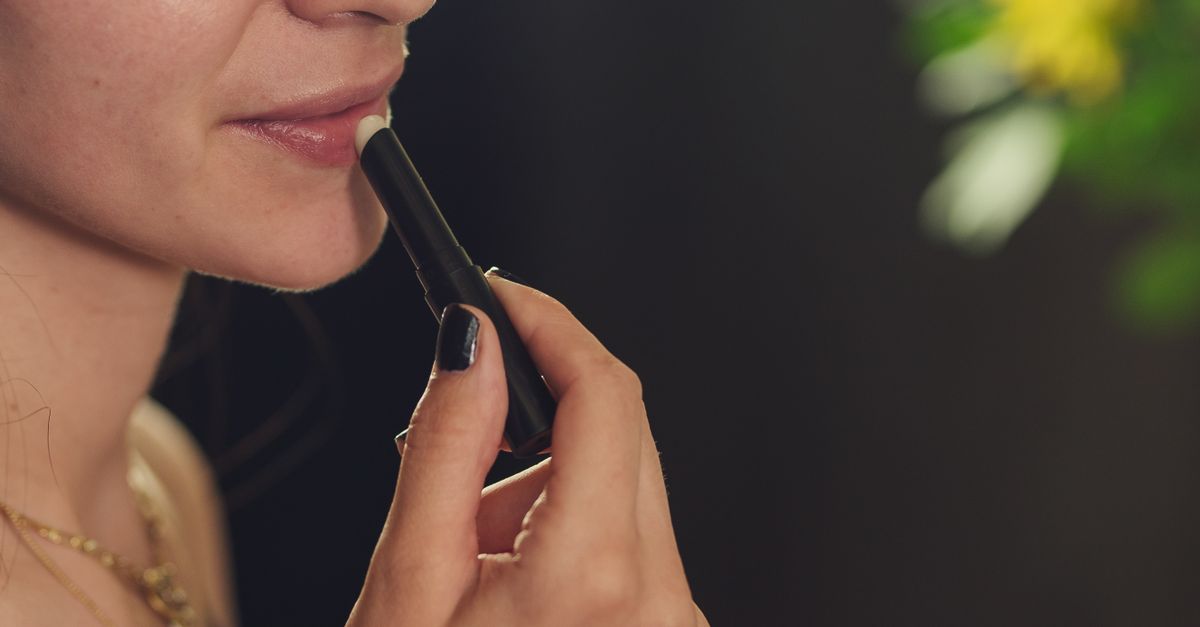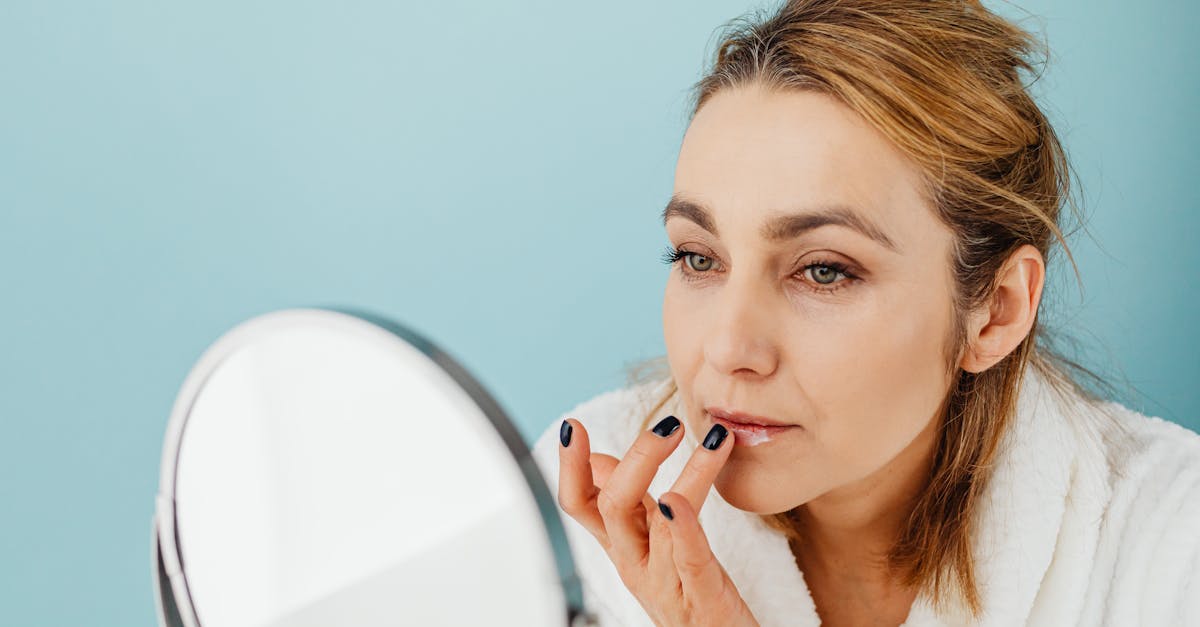
Elta MD UV Daily Peptide Lip Balm SPF 40 is a topical dermatological protectant utilizing zinc oxide as a physical ultraviolet radiation filter. It prevents solar mucosal damage and photoaging of the lips, with the most notable side effects being localized dryness and a visible white cosmetic cast on the application site.
1. Introduction & Mechanism of Action of Elta MD UV Daily Peptide Lip Balm SPF 40
Zinc oxide is an inorganic compound that functions as a highly stable, broad-spectrum physical sunscreen agent. When applied to the labial mucosa, the zinc oxide particles sit on top of the epithelial layer, acting as thousands of microscopic mirrors.
These particles physically reflect, scatter, and absorb both UVA and UVB radiation before it can penetrate the delicate cellular structures of the lips. The formulation is enhanced with inactive peptide compounds designed to stimulate collagen production and support the compromised moisture barrier, though the primary photoprotective burden rests entirely on the inert zinc oxide matrix.
2. Warnings & Before Taking Elta MD UV Daily Peptide Lip Balm SPF 40
This lip balm is indicated strictly for external topical use on the labial tissues. While minimal accidental ingestion via normal lip licking is expected and physiologically harmless, intentional ingestion of large quantities must be avoided.
Patients with known hypersensitivity to physical sunblocks or severe, weeping angular cheilitis should use this product with caution. If application triggers intense burning or a rapidly spreading rash, use must be discontinued immediately. Do not use this product on deep puncture wounds or severe thermal burns on the lips.
3. Indications & Dosage Guide for Elta MD UV Daily Peptide Lip Balm SPF 40
This physical sunscreen is clinically indicated for the prevention of actinic cheilitis, sunburn, and ultraviolet-induced immunosuppression on the lips, which frequently triggers the reactivation of herpes simplex cold sores.
For effective photoprotection, apply a generous, even layer to the upper and lower lips fifteen minutes before solar exposure. Reapplication is absolutely mandatory every two hours, and strictly required immediately after swimming, heavy perspiration, eating, or aggressive wiping of the mouth, as the physical barrier is easily removed by mechanical friction.
4. In-Depth Side Effects Analysis of Elta MD UV Daily Peptide Lip Balm SPF 40
Zinc oxide is exceptionally well-tolerated and is generally considered the safest ultraviolet filter available, though the physical nature of the compound presents distinct cosmetic and topical effects.
Common Side Effects
The most prevalent side effect is the appearance of a stark white cast on the lips, resulting from the opaque nature of the zinc particles. Patients frequently experience mild localized xerosis, as zinc oxide possesses inherent mild astringent properties that can absorb superficial mucosal moisture.
Serious Side Effects You Should Report
Immediate clinical assessment is necessary if the patient develops severe swelling of the lips, intense mucosal peeling, or blistering after application. These symptoms suggest a rare allergic contact dermatitis caused by the inactive peptide complex or specific botanical excipients.
Rare Side Effects
In exceptionally rare cases, profound hypersensitivity to the base formulation may trigger localized angioedema, presenting as dramatic, asymmetric swelling of the labial tissues requiring antihistamine intervention.
Side Effects That Usually Do Not Require Medical Attention
A slightly heavy or waxy feeling on the lips is an expected physical characteristic of mineral sunscreen bases designed for water resistance and requires absolutely no medical intervention.
| Side Effect Category | Specific Symptoms |
|---|---|
| Cosmetic | White cast, heavy texture, mild pilling |
| Mucosal Irritation | Mild dryness, transient stinging on chapped lips |
| Allergic (Rare) | Lip swelling, severe peeling, vesicular rash |
5. Overdose: Symptoms and Management for Elta MD UV Daily Peptide Lip Balm SPF 40
A topical overdose resulting in systemic toxicity is physiologically impossible, as zinc oxide is entirely incapable of penetrating the stratum corneum to enter the systemic bloodstream.
Acute toxicity via massive accidental ingestion of the balm is highly unlikely to cause severe harm, given the generally recognized safe status of zinc oxide. Mild gastrointestinal distress, including nausea and mild diarrhea, may occur due to the heavy emollient base. Management consists solely of routine observation and standard oral hydration.
6. Missed Dose & What to Avoid While Using Elta MD UV Daily Peptide Lip Balm SPF 40
Consistent reapplication is the cornerstone of physical photoprotection. A missed dose simply leaves the labial tissues completely vulnerable to ultraviolet cellular damage and photoaging. Apply the balm immediately upon remembering prior to further sun exposure.
Patients must avoid aggressively rubbing the lips together constantly, as this physical friction will rapidly degrade the continuous zinc oxide shield. Furthermore, avoid applying heavily active chemical exfoliants to the lips concurrently, as the compromised mucosa will be highly susceptible to stinging upon balm application.
7. Drug & Alcohol Interactions with Elta MD UV Daily Peptide Lip Balm SPF 40
Due to the complete lack of systemic absorption, zinc oxide presents absolutely zero risk of pharmacokinetic interactions with oral systemic medications, nor does it interact with the consumption of systemic alcohol.
Locally, the thick physical barrier created by the zinc oxide can completely block the mucosal absorption of topical labial medications. Patients requiring topical antivirals for herpes simplex or treatments like topical fluorouracil for precancerous lesions must ensure the lips are thoroughly cleansed of the balm before applying their prescription therapy.
8. Precautions, Safety & Duration of Action for Elta MD UV Daily Peptide Lip Balm SPF 40
The photoprotective action is immediate upon application, unlike chemical sunscreens which require tissue absorption time. The duration of action is strictly dependent on physical adherence to the lips, typically failing after two hours of normal speaking, drinking, and salivary action.
Patients utilizing isotretinoin therapy who suffer from profound cheilitis will highly benefit from the non-irritating nature of zinc oxide, though they must actively combat the mild astringent effect by applying a heavy occlusive ointment beneath the sunblock layer.
9. How to Stop Taking Elta MD UV Daily Peptide Lip Balm SPF 40 & Storage/Disposal
Use can be discontinued at any point without adverse physiological withdrawal effects, though the patient will instantly lose all labial defense against solar radiation.
Store the tube in a cool environment, specifically away from direct, intense heat such as a closed vehicle in summer. High temperatures will melt the emollient base, causing the zinc oxide particles to separate and severely degrading the photoprotective efficacy. Dispose of empty tubes in standard cosmetic waste.
10. When to See a Doctor Regarding Elta MD UV Daily Peptide Lip Balm SPF 40
Consult a dermatologist if chronic peeling, severe burning, or deep fissures develop on the lips that fail to resolve with standard cessation of the product. If a dark, irregularly bordered spot appears on the lip despite sunscreen use, immediate dermatological evaluation for melanoma is mandatory.
Frequently Asked Questions (FAQ)
1. How does zinc oxide differ from chemical sunscreens?
Zinc oxide sits entirely on the surface of the skin to reflect ultraviolet rays like a mirror, whereas chemical sunscreens absorb into the skin and convert UV rays into heat.
2. Why does this lip balm leave a white film on my mouth?
The white film is the actual zinc oxide mineral powder sitting on your skin. Because it physically blocks light, it appears opaque and white to the naked eye.
3. Is it safe if I accidentally lick my lips and swallow some?
Yes, the small amounts ingested through normal lip licking are physiologically harmless and easily processed by the digestive system.
4. Will this help heal my current sunburned lips?
While the peptide base provides some moisture, this product is strictly preventative. It will prevent further damage but will not actively heal a severe existing sunburn.
5. Can I apply my regular lipstick over this balm?
Yes, but you must allow the balm to set for several minutes. Vigorously rubbing lipstick over it may disrupt the continuous mineral shield, reducing sun protection.
6. Does zinc oxide enter my bloodstream?
No. Extensive clinical data confirms that zinc oxide molecules are far too large to penetrate the human epidermal barrier.
7. How often must I reapply if I am swimming?
You must reapply immediately after exiting the water or toweling off, as water and friction physically wash away the protective mineral layer.
Bibliography
Disclaimer: The content is for informational purposes only and does not replace medical advice. Always consult your doctor or pharmacist for personalized treatment.