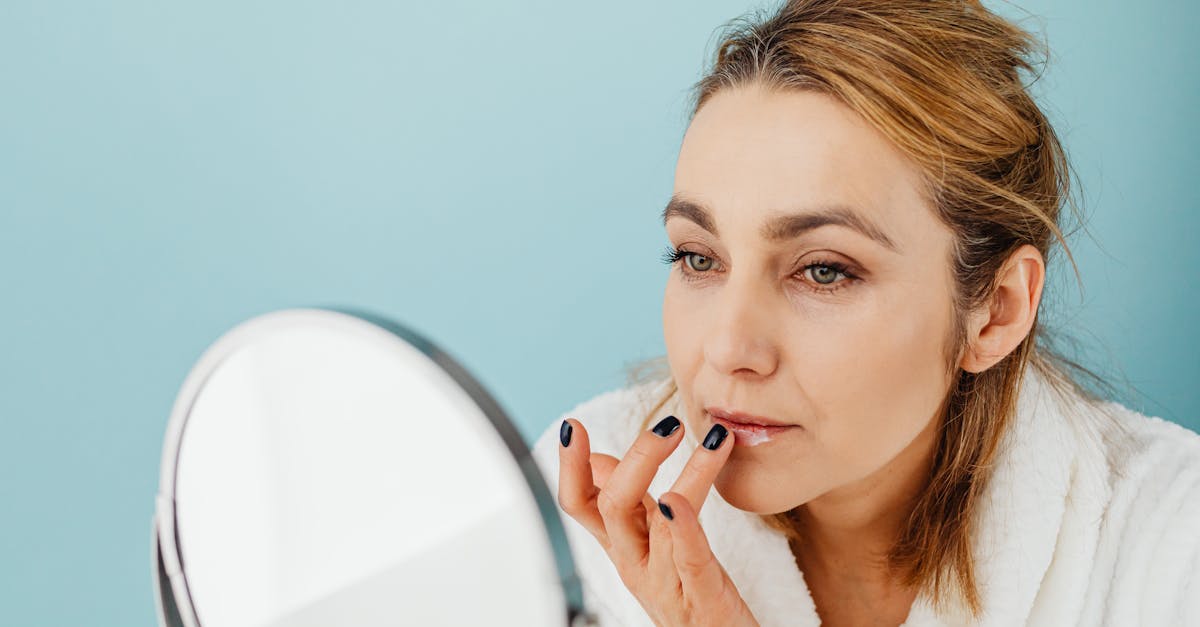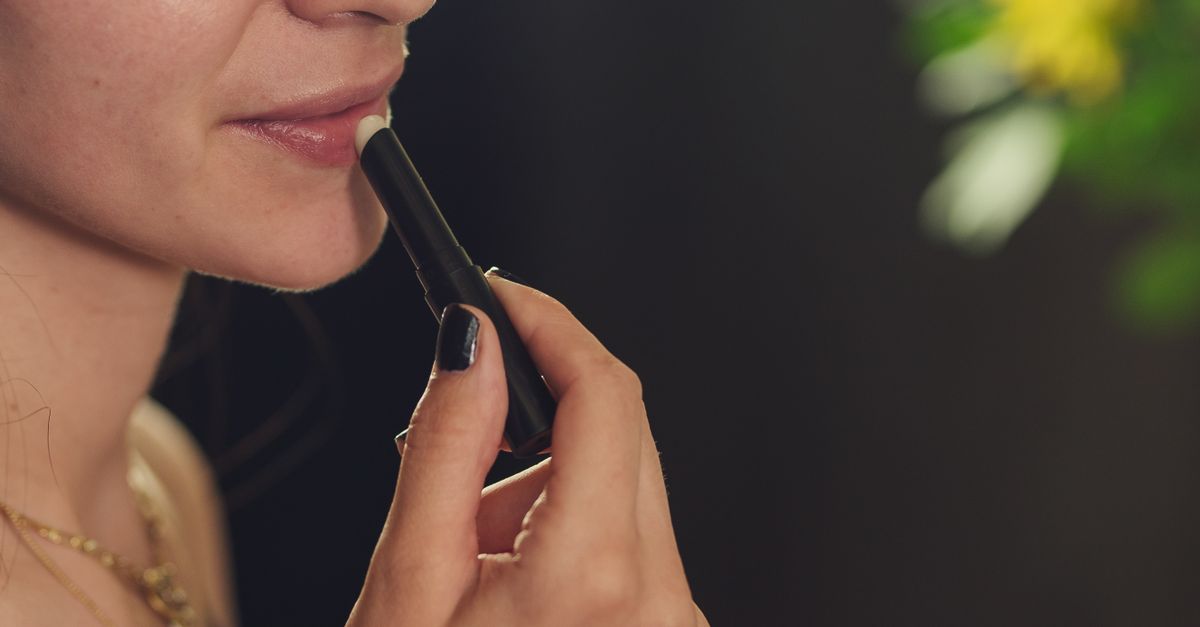
EltaMD UV Lip Balm SPF31 is a targeted mucosal photoprotectant utilizing zinc oxide and octinoxate to shield the delicate labial tissues from solar radiation. It is highly effective at preventing actinic cheilitis and cold sore reactivation, though the chemical components may cause mild desquamation or stinging on severely chapped lips.
1. Introduction & Mechanism of Action of EltaMD UV Lip Balm SPF31
This specialized labial formulation employs a dual-mechanism approach to intercept and neutralize solar radiation. The inorganic physical component, zinc oxide, rests superficially on the labial mucosa, acting as a dense reflective shield that actively scatters ultraviolet A and ultraviolet B photons away from the tissue.
Simultaneously, the organic chemical filter, octinoxate, penetrates the uppermost mucosal layers to specifically target ultraviolet B radiation. Upon absorbing the high-energy ultraviolet photons, octinoxate undergoes a controlled molecular reaction, converting the destructive solar radiation into harmless thermal energy that dissipates rapidly into the surrounding environment, preventing severe cellular damage to the lips.
2. Warnings & Before Taking EltaMD UV Lip Balm SPF31
This hybrid lip balm is strictly formulated for external labial application. While minimal accidental ingestion via normal lip licking is expected and physiologically harmless, intentional ingestion of large quantities must be strictly avoided.
Patients must completely avoid applying this product to deep puncture wounds on the mouth or actively bleeding, severely split lips. Introducing chemical ultraviolet filters into heavily compromised, granulating mucosal tissue drastically elevates the risk of severe localized chemical burns and rapid systemic absorption of the active ingredients.
3. Indications & Dosage Guide for EltaMD UV Lip Balm SPF31
This product is clinically indicated for the daily prevention of severe sunburn on the lips, actinic cheilitis, and ultraviolet-induced immunosuppression, which is a primary trigger for the painful reactivation of herpes simplex labialis cold sores.
To achieve the stated sun protection factor efficacy, apply a generous, uniform layer across both the upper and lower lips exactly fifteen minutes prior to solar exposure. Reapplication is absolutely mandatory every two hours. Immediate reapplication is required following eating, drinking, or aggressive wiping of the mouth to maintain the integrity of the protective shield.
4. In-Depth Side Effects Analysis of EltaMD UV Lip Balm SPF31
While providing excellent targeted photoprotection, the combination of a hydrating base with chemical ultraviolet filters on sensitive mucosal tissue presents specific, albeit generally mild, dermatological risks.
Common Side Effects
Patients routinely experience a transient, sharp stinging sensation upon initial application if the labial barrier is currently compromised from severe chapping or peeling. Mild localized warmth is also common due to the localized thermal energy generated by the octinoxate.
Serious Side Effects You Should Report
Immediate clinical intervention is mandatory if the patient develops intensely swollen lips, deep weeping lesions, or a severe asymmetric perioral rash. These signs strongly point to a profound allergic contact dermatitis triggered by the octinoxate or the synthetic emulsion matrix.
Rare Side Effects
In isolated clinical scenarios, profound hypersensitivity to the base formulation may trigger localized angioedema, presenting as dramatic, rapidly expanding swelling of the labial tissues requiring antihistamine or corticosteroid intervention.
Side Effects That Usually Do Not Require Medical Attention
A very slight white cast upon initial application, which dissipates as the emulsion sets onto the lips, is an expected physical property of the zinc oxide component and requires absolutely no clinical intervention.
| Side Effect Category | Specific Symptoms |
|---|---|
| Sensory Irritation | Transient stinging, mild thermal warmth on the lips |
| Mucosal Irritation | Mild dryness, transient stinging on chapped tissue |
| Allergic (Rare) | Severe lip swelling, deep peeling, perioral rash |
5. Overdose: Symptoms and Management for EltaMD UV Lip Balm SPF31
A topical overdose resulting in acute systemic toxicity is highly improbable. The transdermal absorption rate of octinoxate under normal clinical usage falls vastly below the required threshold to induce systemic harm.
Acute toxicity via massive accidental oral ingestion represents a moderate risk for pediatric populations given the small packaging. Heavy ingestion of the chemical filters will precipitate mild gastrointestinal distress, characterized by nausea, abdominal cramping, and mild osmotic diarrhea. Clinical management strictly involves securing the airway and providing oral hydration without attempting to induce mechanical emesis.
6. Missed Dose & What to Avoid While Using EltaMD UV Lip Balm SPF31
Photoprotective efficacy relies entirely on strict chronological adherence. A missed reapplication immediately leaves the highly vulnerable mucosal tissue exposed to cellular DNA mutation and severe photo-damage. Patients must reapply the emulsion immediately upon remembering prior to further environmental exposure.
Patients must rigorously avoid licking their lips constantly, as the saliva will rapidly break down the chemical filters and physical zinc oxide shield, completely destroying the photoprotective barrier. Avoid layering this product heavily over thick cosmetic lipsticks, which can destabilize the sunscreen emulsion.
7. Drug & Alcohol Interactions with EltaMD UV Lip Balm SPF31
Topical hybrid sunscreens carry zero risk of interacting pharmacokinetically with oral systemic medications, nor do they interact with systemic alcohol consumption.
Locally, the chemical absorption profile demands careful application sequencing. Patients utilizing potent topical antiviral medications, such as acyclovir cream for cold sores, must ensure the medicated agent is applied exclusively and fully absorbed before applying the lip balm, to prevent severe stinging and reduced antiviral efficacy.
8. Precautions, Safety & Duration of Action for EltaMD UV Lip Balm SPF31
The hybrid nature of the formulation mandates a strict fifteen-minute waiting period prior to sun exposure. This critical time window allows the octinoxate to effectively permeate and stabilize within the upper mucosal layers to become chemically active.
The duration of therapeutic action is entirely limited by cumulative ultraviolet exposure and physical friction from speaking and eating. As the octinoxate actively absorbs radiation, the filter chemically degrades, mandating the strict reapplication protocol to maintain a viable protective barrier against ongoing solar exposure.
9. How to Stop Taking EltaMD UV Lip Balm SPF31 & Storage/Disposal
Discontinuation can occur abruptly without physiological withdrawal symptoms. However, stopping photoprotection drastically accelerates the degradation of labial collagen, increasing severe wrinkling and significantly elevating the long-term risk of squamous cell carcinomas on the lower lip.
Store the container in a temperate, dry clinical environment. Prolonged exposure to high heat, such as leaving the tube in a hot vehicle, will permanently destroy the emulsion, separating the dense zinc oxide and chemical filters, thereby completely eliminating the product’s photoprotective capabilities. Dispose of depleted containers in standard cosmetic waste receptacles.
10. When to See a Doctor Regarding EltaMD UV Lip Balm SPF31
Seek immediate dermatological evaluation if the application site develops severe, painful blistering or an intractable rash that fails to clear upon product cessation. Any dark, irregular, or rapidly changing lesions on the lip require immediate oncological evaluation to rule out malignancy.
Frequently Asked Questions (FAQ)
1. Why does this product sting when I apply it to severely chapped lips?
The chemical filter octinoxate is highly irritating to compromised mucosal tissue. Applying it directly over deeply cracked or bleeding lips causes an immediate chemical stinging reaction.
2. Is it safe if I accidentally swallow some of this lip balm?
Yes, the small amounts ingested through normal speaking and lip licking are physiologically harmless and easily processed by your digestive system.
3. Why do I have to wait fifteen minutes before going outside?
While the zinc oxide works instantly, the octinoxate needs exactly fifteen minutes to bind properly to the upper layers of your lip tissue to become chemically active.
4. Will this sunscreen cure my cold sores?
No, a sunscreen will not cure the herpes virus. However, blocking ultraviolet light is highly effective at preventing the sun from triggering a painful cold sore outbreak.
5. Is it safe to use this product on a young child?
Pure physical mineral sunscreens without chemical filters are generally preferred for very young children to avoid the risk of chemical absorption through the lips.
6. Will this sunscreen wash off easily if I drink from a glass?
Yes, the physical friction of eating, drinking, and wiping your mouth rapidly destroys the protective shield, requiring immediate reapplication for continued safety.
7. Does the active ingredient enter my bloodstream?
While trace amounts of octinoxate can absorb systemically through the mucosa, comprehensive clinical data confirms that these microscopic amounts are rapidly metabolized and completely harmless to human health.
Bibliography
Disclaimer: The content is for informational purposes only and does not replace medical advice. Always consult your doctor or pharmacist for personalized treatment.