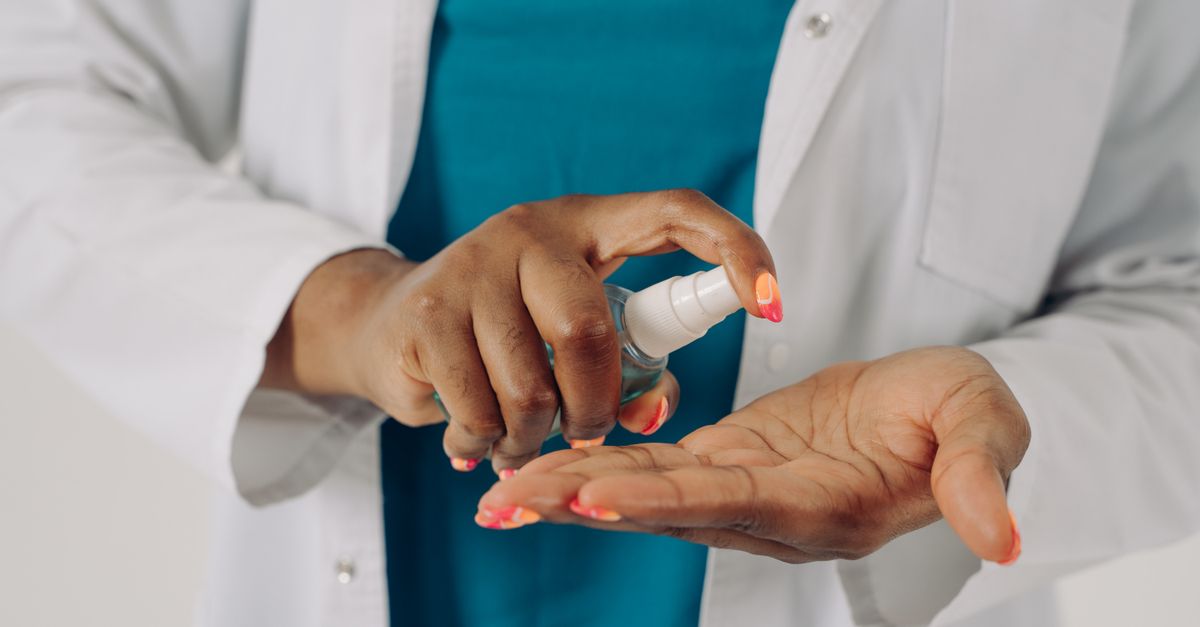
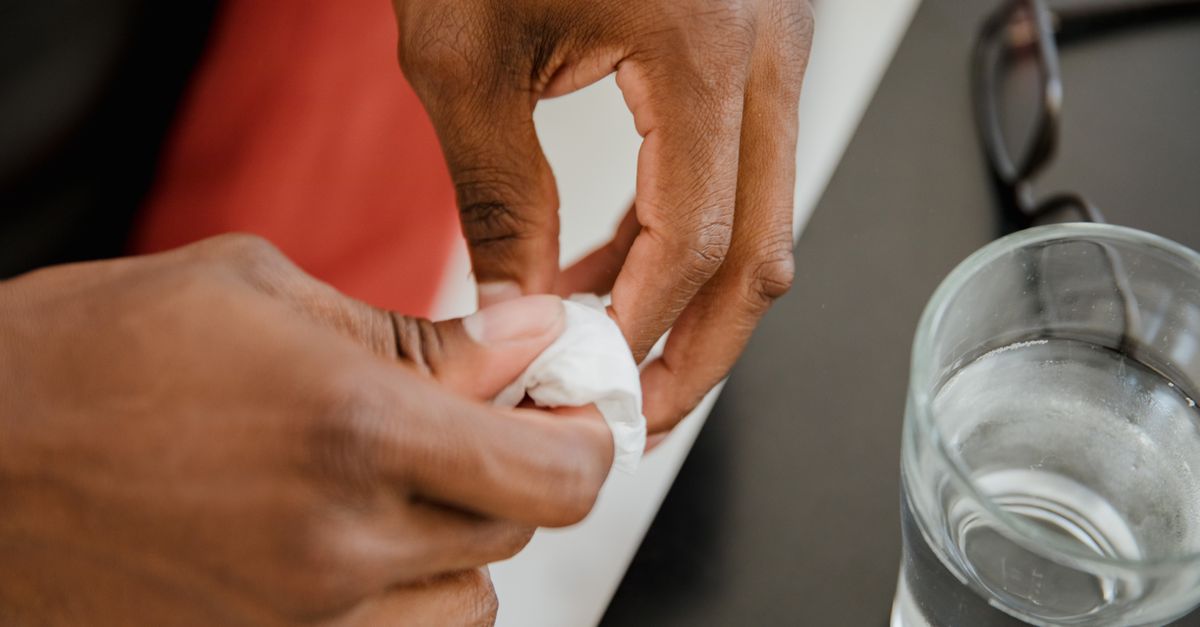
Fragrance Free Sanitizing Wipes utilize benzalkonium chloride as their primary active pharmacological agent, serving as a potent topical antiseptic and disinfectant. The most notable side effect associated with routine use is localized skin irritation, which can progress to contact dermatitis characterized by dryness, erythema, and epidermal peeling with prolonged exposure.
1. Introduction And Mechanism Of Action For Fragrance Free Sanitizing Wipes
Benzalkonium chloride belongs to the quaternary ammonium compound class of antiseptics. It exerts its powerful antimicrobial action by physically disrupting the lipid bilayers of bacterial cell membranes and the outer envelopes of certain viruses.
Upon contact with the skin, the cationic molecule binds to the negatively charged surfaces of microorganisms. This electrostatic interaction weakens the structural integrity of the pathogen, causing the leakage of intracellular contents and ultimately leading to rapid cell death.
Unlike alcohol-based sanitizers that evaporate almost instantaneously, benzalkonium chloride leaves a residual antimicrobial film on the dermal layer. This provides a brief window of continued pathogenic resistance, though it also increases the duration of chemical exposure to the human epidermis.
2. Critical Warnings Before Using Fragrance Free Sanitizing Wipes
These wipes are strictly formulated for external dermal application. They must never be ingested or applied to deep puncture wounds, animal bites, or severe burns. The introduction of benzalkonium chloride into deep fascial tissue can cause severe cellular toxicity and delay the natural wound healing cascade.
Patients with pre-existing inflammatory skin conditions, such as severe eczema or psoriasis, should approach this product with caution. The chemical structure of the antiseptic can strip the already compromised stratum corneum of its protective natural lipids, significantly exacerbating the underlying dermatological condition.
Furthermore, extreme care must be taken to avoid contact with the eyes and mucosal membranes. Exposure to the ocular surface can cause severe chemical conjunctivitis and, in high concentrations, permanent corneal damage.
3. Indications And Standard Usage Guide For Fragrance Free Sanitizing Wipes
Clinicians recommend benzalkonium chloride wipes for the reduction of pathogenic bacteria on the hands when traditional soap and water are unavailable. They are highly effective for routine sanitization in clinical environments, schools, and public spaces to interrupt the chain of infection.
To achieve maximum antimicrobial efficacy, the user must wipe the target dermal area thoroughly, ensuring all surfaces are visibly wet with the solution. The hands should then be allowed to air dry completely. Wiping the hands with a towel immediately after application strips away the active ingredient before it can fully eliminate the pathogens.
Due to the absence of added fragrances in this specific formulation, it is particularly indicated for individuals with recognized hypersensitivities to synthetic perfumes and aromatic volatile compounds.
4. In-Depth Analysis Of Fragrance Free Sanitizing Wipes Side Effects
While generally recognized as safe for intact skin, benzalkonium chloride is a known dermal irritant. The severity of adverse reactions is directly correlated to the frequency of application and the individual baseline skin barrier health.
Common Side Effects
The most frequently encountered clinical complaint is localized dryness and mild flaking of the skin. Regular users often experience mild erythema and a sensation of tightness on the hands, resulting from the chemical stripping away endogenous sebum and disrupting the local microbiome.
Serious Side Effects You Should Report
Immediate medical attention is required if you develop signs of severe allergic contact dermatitis. Symptoms include the eruption of weeping vesicles, intense localized pain, and severe, unyielding pruritus. Any accidental ocular exposure resulting in persistent visual blurring or intense eye pain requires emergency ophthalmological assessment.
Rare Side Effects
In exceptional cases of profound systemic hypersensitivity, topical application can trigger widespread urticaria and potential respiratory distress, indicative of an anaphylactic response. While exceedingly rare for this specific compound, any swelling of the lips or face warrants immediate emergency intervention.
Side Effects That Usually Do Not Require Medical Attention
A transient, mild stinging sensation upon application to microscopic skin fissures or cuticles is an expected physiological response to the antiseptic agent. This stinging usually subsides entirely within several seconds as the liquid vehicle dries.
| Side Effect Category | Specific Symptoms |
|---|---|
| Dermatological | Erythema, severe dryness, epidermal peeling |
| Allergic | Contact dermatitis, localized vesicle formation |
| Ocular (accidental exposure) | Conjunctival redness, severe burning, corneal irritation |
5. Recognizing And Managing Benzalkonium Chloride Overdose
While a systemic overdose via topical application on intact skin is virtually impossible, acute toxicity can occur through accidental ingestion of the wipe fluid. Ingestion of quaternary ammonium compounds causes immediate caustic burns to the oropharyngeal and esophageal mucosa.
Symptoms of ingestion include severe excessive salivation, profound vomiting, hypotension, and central nervous system depression. If ingested, do not induce vomiting, as the caustic liquid will cause further thermal damage to the esophagus upon its return.
Emergency medical services must be contacted immediately. The patient may be given water or milk to dilute the concentration in the stomach while awaiting transport to a clinical toxicology unit.
6. Missed Dose And What To Avoid
Because this is an as-needed topical sanitizing agent, the concept of a missed dose does not apply. It should be used proportionally to the level of pathogenic exposure.
To prevent severe skin degradation, users must avoid over-application. Using these wipes incessantly throughout the day, particularly in environments with low humidity, will inevitably destroy the skin barrier.
Additionally, avoid applying heavy, occlusive lotions immediately after using the wipes, as this can trap the active chemical against the skin and magnify its irritant potential. Allow the dermal layer to breathe and neutralize before applying specialized barrier creams.
7. What Drugs Interact With Fragrance Free Sanitizing Wipes?
As a strictly topical agent, benzalkonium chloride exhibits virtually no systemic pharmacological interactions with oral medications. However, it can interact adversely with other topical dermatological treatments.
Applying these wipes concurrently with harsh topical acne medications, such as salicylic acid or benzoyl peroxide, will dramatically compound epidermal irritation. Similarly, using them alongside other potent antiseptics like chlorhexidine may cause severe chemical dermatitis due to the overlapping cytotoxic profiles on the superficial skin cells.
8. Precautions, Safety, And Duration Of Action
Unlike volatile alcohols, benzalkonium chloride offers a sustained duration of antimicrobial action, remaining active on the skin surface for several hours post-application. However, this residual activity means the chemical is continuously acting upon the epidermal cells.
The wipes must be stored securely in their original, tightly sealed container. Exposure to ambient air will cause the aqueous vehicle to evaporate, concentrating the active ingredient to potentially caustic levels on the dry cloth substrate. Keep out of reach of pediatric patients to prevent accidental chewing or ingestion.
9. How To Safely Stop Using Fragrance Free Sanitizing Wipes
Discontinuation of this product requires no specific medical tapering. Upon cessation of use, any mild contact dermatitis or erythema typically resolves spontaneously within a few days as the stratum corneum naturally regenerates its lipid barrier.
Used wipes must be discarded in standard solid waste receptacles. They must never be flushed down municipal plumbing systems. The robust, non-woven fabric matrices do not biodegrade rapidly and will cause catastrophic occlusions in plumbing and municipal water treatment infrastructure.
10. When To See A Doctor
Seek dermatological consultation if the erythema or cracking on your hands fails to heal after several days of avoiding the product. Deep fissures in the skin caused by severe chemical dryness serve as open portals for opportunistic bacterial infections, which may require prescription antibiotic ointments.
Furthermore, if accidental mucosal exposure occurs and flushing with water does not resolve the pain within fifteen minutes, prompt clinical evaluation is entirely mandatory to prevent permanent tissue scarring.
Frequently Asked Questions (FAQ)
1. How does benzalkonium chloride differ from alcohol-based sanitizers?
Alcohol kills pathogens by rapid desiccation and evaporates immediately. Benzalkonium chloride destroys cell membranes chemically and leaves a residual protective film on the skin.
2. Can I use these wipes to clean my face?
No. The skin on the face is highly sensitive, and applying this antiseptic near the eyes, nose, or mouth drastically increases the risk of severe mucosal irritation.
3. Why do my hands feel tight and dry after repeated use?
The active chemical, while eliminating bacteria, simultaneously strips away the vital natural oils and lipids that keep your epidermal barrier hydrated and elastic.
4. Is it safe to use these on my children hands?
Yes, under strict adult supervision. However, children must be prevented from putting their freshly sanitized hands into their mouths, as the residual chemical is toxic if ingested.
5. Will these wipes kill all viruses?
Benzalkonium chloride is highly effective against many enveloped viruses and bacteria, but it is clinically less effective against certain non-enveloped viruses compared to high-concentration ethanol.
6. What should I do if the wipe liquid gets into my eye?
Immediately flush the eye with copious amounts of lukewarm tap water for at least fifteen minutes and seek emergency medical evaluation to rule out corneal damage.
7. Are these wipes safe for the environment?
The fabric used in most sanitizing wipes is composed of synthetic polymers that do not readily decompose. They must be disposed of in the trash, never flushed.
Bibliography
Disclaimer: The content is for informational purposes only and does not replace medical advice. Always consult your doctor or pharmacist for personalized treatment.