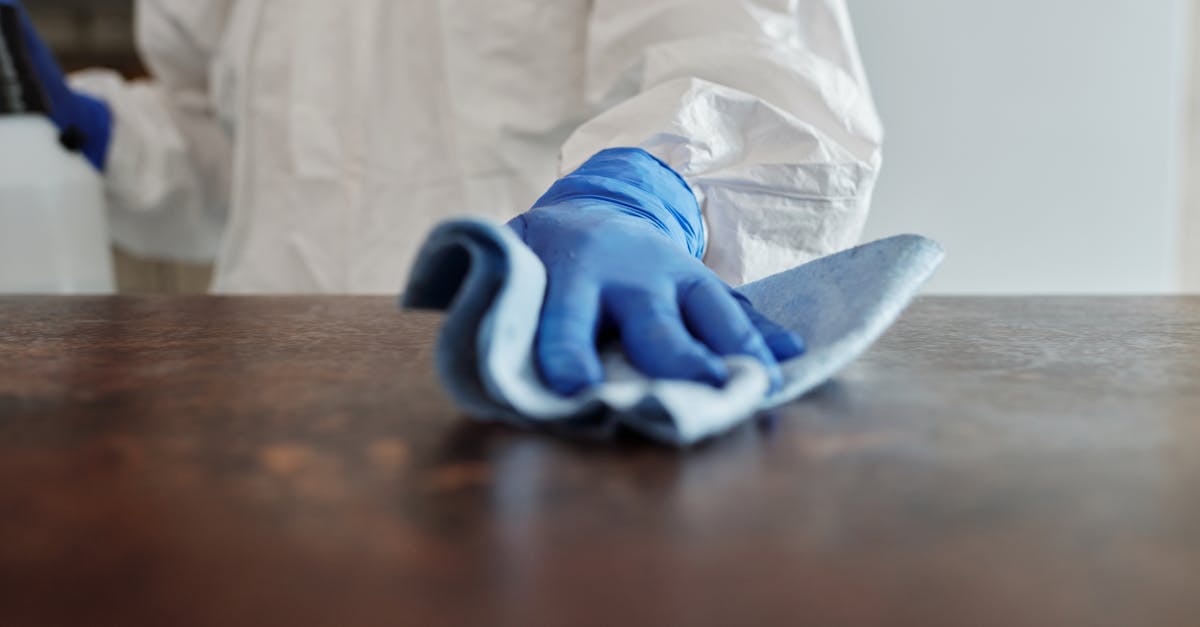
2XL Mega Rolls Sanitizing Wipes utilize benzalkonium chloride as their primary active ingredient to deliver broad-spectrum antimicrobial action for environmental surfaces and specific topical applications. The most notable adverse effect regarding human exposure is localized chemical irritation, which frequently presents as varying degrees of contact dermatitis, severe skin dryness, or chemical burns following prolonged, unmitigated contact with the concentrated chemical agent.
1. Introduction & Mechanism of Action of Benzalkonium Chloride Wipes
Benzalkonium chloride belongs to a class of chemical compounds known as quaternary ammonium compounds. It functions as a potent cationic surfactant and biocide. Upon contact with microorganisms, the positively charged quaternary ammonium group structurally targets the negatively charged cytoplasmic membrane of bacteria, fungi, and certain enveloped viruses.
This highly targeted chemical interaction violently disrupts the delicate lipid bilayer of the microbial cell membrane. The resultant structural failure causes a catastrophic leakage of essential intracellular contents, totally paralyzing cellular respiration and rapidly inducing complete cell death. Due to its mechanism of physical membrane disruption rather than specific metabolic inhibition, it remains a highly effective sanitizing agent with a broad spectrum of efficacy in clinical, commercial, and athletic environments.
2. Warnings & Before Using Benzalkonium Chloride Wipes
Individuals handling these heavily saturated sanitizing wipes must understand they are dealing with a potent commercial chemical. Direct, repetitive, and prolonged contact with bare skin must be avoided unless the specific product iteration is explicitly cleared for human topical hand sanitization. The chemical can aggressively strip the natural epidermal lipid barrier, leading to severe structural damage to the skin.
Furthermore, a critical warning applies to mucosal exposure. Benzalkonium chloride is profoundly toxic to the ocular structures. Contact with the eyes will precipitate severe, searing pain, and concentrated exposure can lead to irreversible corneal damage and permanent blindness. Users must also ensure that the areas being sanitized are adequately ventilated, particularly in enclosed spaces, to prevent the inhalation of irritating aerosolized chemical vapors.
3. Usage Guide & Indications for 2XL Sanitizing Wipes
These mega-roll wipes are indicated primarily for the rapid, efficient sanitization of hard, non-porous environmental surfaces, including athletic equipment, clinical countertops, and high-traffic commercial touchpoints. They are engineered to drastically reduce the bioburden of pathogenic microorganisms to safe levels recognized by public health standards.
Proper application dictates the efficacy of the sanitization process. The user must extract a saturated wipe and thoroughly wet the target surface. For the benzalkonium chloride to achieve total biocidal action, the surface must remain visibly wet for the entire specific contact time outlined on the manufacturer’s label, which often ranges from two to ten minutes depending on the targeted pathogen. Simply wiping the surface and immediately drying it severely compromises the chemical’s effectiveness.
4. In-Depth Side Effects Analysis of Benzalkonium Chloride
Adverse reactions to this chemical are almost entirely localized to the point of physical contact. Systemic toxicity is highly improbable under standard, appropriate environmental usage parameters.
Common Side Effects
The vast majority of side effects occur on the hands of the personnel dispensing the wipes. Frequent users often report profound localized skin dryness, scaling, and minor superficial cracking of the stratum corneum. Mild localized erythema and a sensation of skin tightness are virtually universal following repetitive daily exposure without the use of protective gloves.
Serious Side Effects You Should Report
Severe allergic contact dermatitis is a serious complication requiring immediate medical evaluation. Symptoms include the rapid development of weeping blisters, severe burning pain, and intensely swollen, red skin across the exposed area. Any accidental transfer of the chemical from the hands to the eyes, resulting in intense, unrelenting pain and severe photophobia, demands immediate emergency ophthalmic intervention.
Rare Side Effects
In exceedingly rare instances, individuals with hypersensitive airways may experience acute bronchospasm or severe exacerbation of underlying asthma if they inhale highly concentrated vapors in a poorly ventilated, hot environment. Extremely rare instances of localized chemical depigmentation following severe chemical burns have also been documented in toxicological literature.
Side Effects That Usually Do Not Require Medical Attention
Minor, transient stinging if the wipe touches a tiny preexisting scratch or cuticle abrasion requires only immediate rinsing with plain water. A temporary, lingering chemical odor on the skin after standard use is expected and harmless, dissipating rapidly after a standard hand washing with soap.
| Side Effect Category | Specific Symptoms |
|---|---|
| Common | Profound skin dryness, scaling, minor erythema |
| Rare | Vapor-induced bronchospasm, localized depigmentation |
| Severe Topical | Weeping skin blisters, severe ocular toxicity, chemical burns |
5. Accidental Exposure and Overdose with Benzalkonium Chloride
While a pharmacological overdose is not applicable to a surface sanitizer, accidental gross exposure represents a severe toxicological event. Ingestion of the liquid squeezed from the wipes, particularly by a pediatric patient, is a life-threatening medical emergency. It will instantly cause severe caustic burns to the esophagus and stomach, accompanied by violent vomiting, profound hypotension, and rapid cardiovascular collapse.
Emergency management for ingestion absolutely forbids the induction of vomiting, as bringing the caustic liquid back up the esophagus will multiply the severe tissue damage. The patient requires immediate transport to a trauma center for advanced airway management and potential surgical evaluation of the gastrointestinal burns. If massive dermal exposure occurs, the affected area must be flushed continuously with copious amounts of water for a minimum of twenty minutes.
6. Missed Application & What to Avoid While Using 2XL Wipes
In the context of environmental sanitization, skipping a scheduled surface wipe-down merely allows for the continued proliferation of bacterial and viral pathogens. The protocol simply requires the user to perform the sanitization procedure as soon as the lapse is realized, strictly adhering to the mandatory wet contact time.
Users must strictly avoid utilizing these specific surface wipes for personal hygiene. They are not intended as substitutes for toilet tissue, facial wipes, or infant diaper wipes. Applying this concentrated chemical to delicate mucosal tissues like the perineum or face will result in excruciating pain, severe chemical burns, and highly probable secondary infections due to the destruction of the delicate epidermal barrier.
7. Chemical Interactions with Benzalkonium Chloride
The biocidal efficacy of benzalkonium chloride is highly vulnerable to specific chemical interactions. The cationic nature of the molecule means it is rapidly neutralized and rendered entirely biologically inert by contact with anionic surfactants, which are the primary ingredients found in standard commercial soaps and heavy detergents.
Therefore, users must avoid mixing these sanitizing wipes with other cleaning chemicals. Attempting to scrub a surface simultaneously with a soapy sponge and a benzalkonium chloride wipe will completely destroy the sanitizing power of the active ingredient. For optimal results, the surface should be pre-cleaned of heavy organic debris with a neutral cleaner, allowed to dry, and then sanitized with the wipe.
8. Precautions, Safety & Duration of Action of 2XL Wipes
The primary safety precaution for frequent users, such as gym staff or clinical janitorial teams, is the mandatory use of non-porous nitrile or latex gloves during extensive sanitization routines. Creating a physical barrier is the only definitive method to prevent the severe, cumulative contact dermatitis associated with constant exposure to the quaternary ammonium compounds.
The duration of the antimicrobial action is limited entirely to the period the surface remains wet. Once the benzalkonium chloride solution fully evaporates, the surface is clean but possesses absolutely no residual, ongoing protective barrier against new microbial contamination. High-touch surfaces demand continuous, scheduled re-application throughout the operating day to maintain hygiene standards.
9. How to Stop Using 2XL Wipes & Storage/Disposal
There are no physiological considerations regarding the cessation of environmental cleaning products. However, to maintain the structural integrity and chemical concentration of the remaining wipes, proper storage is vital. The dispenser bucket or pouch must be securely sealed immediately after every use. Exposure to ambient air will cause rapid evaporation of the alcohol carriers and the active liquid, rendering the dry wipes entirely useless.
Used wipes must be discarded promptly into standard municipal trash receptacles. They must never be flushed down standard toilets or commercial plumbing systems. The heavy, non-woven fabric matrix is highly resilient and will rapidly cause catastrophic blockages within municipal sewer infrastructure and delicate septic systems.
10. When to See a Doctor Following Benzalkonium Chloride Exposure
Immediate emergency medical evaluation is strictly required if any amount of the chemical liquid enters the eye. The user must begin violently flushing the eye with water immediately and continue doing so en route to the emergency department. Delaying treatment for ocular quaternary ammonium exposure guarantees permanent vision loss.
Furthermore, if a user develops a severe skin reaction on their hands that fails to improve after discontinuing use of the wipes, or if the cracked skin begins to ooze yellow pus and radiates severe heat, a secondary staphylococcal infection has likely breached the damaged epidermal barrier. This presentation demands immediate dermatological assessment and targeted prescription antibiotics.
11. Frequently Asked Questions FAQ
1. Are these wipes safe to use on my bare hands?
Unless the specific package explicitly states it is formulated for topical hand sanitization, do not use surface wipes on your skin. They contain concentrations designed for hard plastics and metals, which will severely dry and damage human skin.
2. Why do my hands feel incredibly dry after using just one wipe?
The active chemical is a powerful surfactant designed to rip apart lipid fats. It aggressively strips the natural protective oils from your skin upon contact.
3. Will this chemical kill the cold and flu viruses?
Yes, benzalkonium chloride is highly effective at destroying the lipid envelopes of standard influenza and cold viruses, provided the surface stays wet for the required contact time.
4. Is it safe to wipe down food preparation cutting boards with these?
No. Standard commercial sanitizing wipes leave a toxic chemical residue. They must not be used on direct food-contact surfaces unless the surface is thoroughly rinsed with potable water afterward.
5. What happens if I use the wipe and dry the surface immediately with a towel?
You have completely defeated the purpose of the chemical. The active ingredient requires several uninterrupted minutes of wet contact time to actually kill the bacteria.
6. Can I flush these heavy-duty wipes down the toilet?
Absolutely not. The fabric is designed for intense scrubbing and will not dissolve in water. Flushing them will cause severe plumbing blockages.
7. Why does the bucket say to avoid mixing with bleach?
Mixing complex commercial chemicals is always dangerous. Combining quaternary ammonium compounds with bleach can trigger dangerous, uncontrolled chemical reactions and the release of highly toxic gases.
8. Is it safe to use these on my smartphone screen?
Generally, no. The strong chemicals and alcohol bases can rapidly degrade the specialized oleophobic protective coating applied to modern touchscreens.
9. What should I do if my skin starts cracking and bleeding from using the wipes at work?
You must stop handling the wipes bare-handed immediately. Switch to using protective nitrile gloves and consult a doctor for a heavy prescription barrier cream to heal the chemical dermatitis.
10. Do the wipes expire if I don’t use the bucket fast enough?
Yes. Over time, particularly if left in a hot environment or improperly sealed, the liquid evaporates. If a wipe feels dry to the touch, it possesses zero sanitizing capability and must be thrown away.
12. Bibliography
Disclaimer: The content is for informational purposes only and does not replace medical advice. Always consult your doctor or pharmacist for personalized treatment.