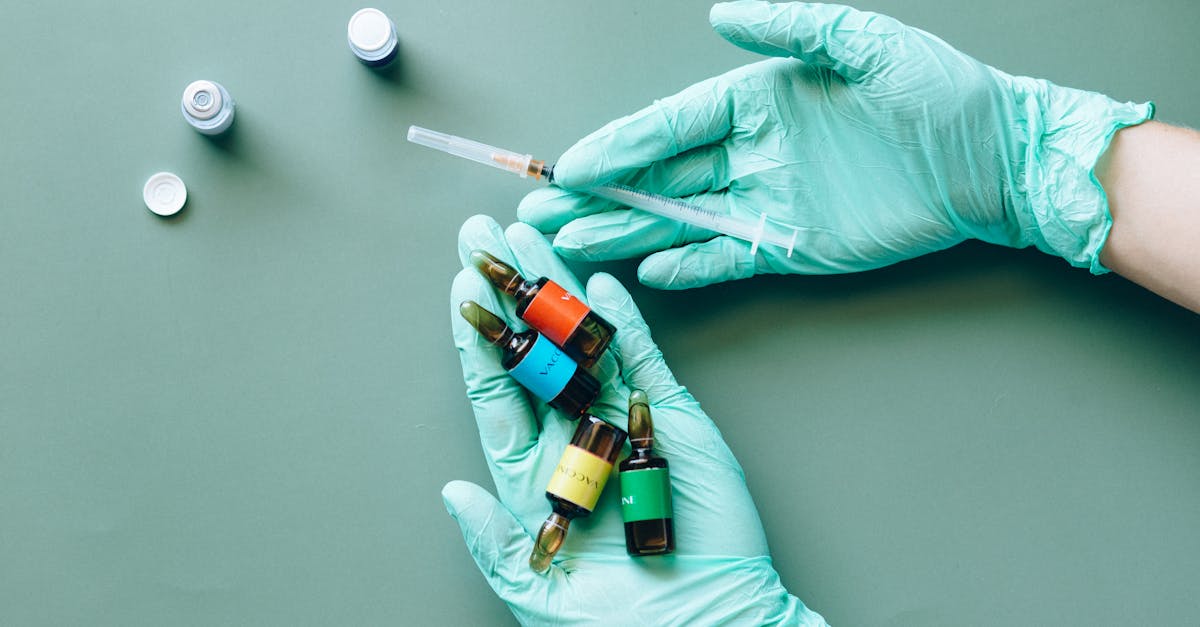
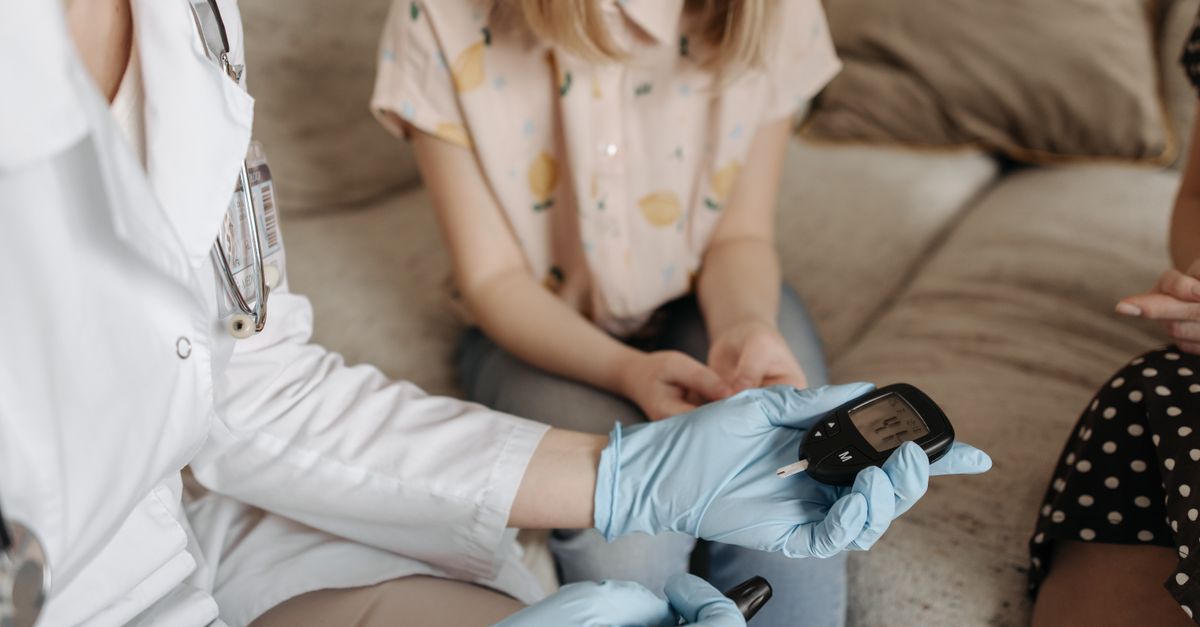
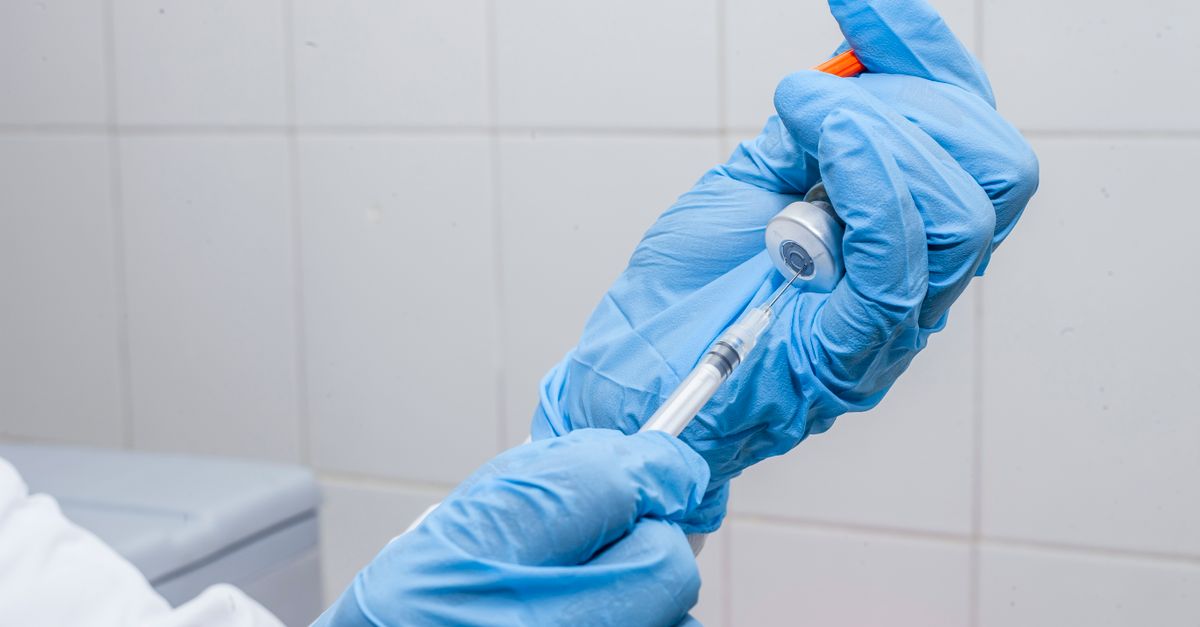
Gvoke HypoPen is a ready-to-use glucagon auto-injector utilized as a life-saving emergency rescue treatment for severe hypoglycemia in patients with diabetes. The most notable side effect is sudden, forceful nausea and vomiting immediately following administration, necessitating proper patient positioning to prevent airway aspiration.
1. Introduction and Mechanism of Action for Gvoke HypoPen
The active pharmaceutical ingredient in the Gvoke HypoPen is glucagon. Glucagon is a highly potent polypeptide hormone naturally produced by the alpha cells of the pancreas. Its primary physiological role is to act as a counter-regulatory hormone to insulin. When administered exogenously during a hypoglycemic crisis, it rapidly binds to specific glucagon receptors located on the plasma membranes of hepatocytes in the liver.
This receptor binding triggers a massive intracellular signaling cascade mediated by cyclic AMP. The result is the rapid acceleration of glycogenolysis, the process wherein stored hepatic glycogen is broken down into free glucose. Simultaneously, glucagon stimulates gluconeogenesis, synthesizing new glucose molecules from amino acids. This massive dump of glucose into the systemic circulation rapidly elevates blood sugar levels, restoring consciousness and neurological function.
2. Warnings and Before Using Glucagon
Glucagon administration is strictly contraindicated in patients suffering from pheochromocytoma, a rare tumor of the adrenal gland. Glucagon stimulates the rapid release of catecholamines from this tumor, precipitating a sudden, lethal hypertensive crisis. It is also contraindicated in patients with insulinoma, as the initial rise in blood sugar will provoke an exaggerated release of insulin from the tumor, causing a severe secondary hypoglycemic rebound.
Caregivers must understand that glucagon is entirely reliant on the presence of stored glycogen in the liver. Therefore, it will be completely ineffective in patients suffering from chronic starvation, severe adrenal insufficiency, or chronic hypoglycemia. In these specific medical scenarios, intravenous glucose is the only viable emergency treatment.
3. Indications and Dosage Guide for Gvoke HypoPen
This auto-injector is clinically indicated for the emergency treatment of severe hypoglycemia in pediatric and adult patients with diabetes. Severe hypoglycemia is defined as an event where the patient is experiencing severe cognitive impairment, seizures, or loss of consciousness, rendering them unable to safely consume oral carbohydrates.
The pre-filled device provides a fixed dosage. For adults and pediatric patients weighing forty-five kilograms or more, the standard dose is one milligram administered via subcutaneous injection. For pediatric patients weighing less than forty-five kilograms, the half-milligram auto-injector must be utilized. The injection can be administered into the outer thigh, lower abdomen, or outer upper arm. If there is no response after fifteen minutes, a second dose from a new device may be administered while awaiting emergency services.
4. In-Depth Side Effects Analysis of Glucagon
Because glucagon triggers a massive and rapid systemic metabolic shift, adverse reactions are intense but typically transient.
Common Side Effects
The most universally observed adverse reaction is severe nausea accompanied by sudden vomiting. This occurs very rapidly after consciousness is restored. Patients frequently experience a severe pounding headache, generalized flushing, and significant tachycardia as the sympathetic nervous system is activated. Pain, erythema, and mild swelling at the injection site are universally common.
Serious Side Effects You Should Report
A severe allergic reaction to the peptide is a clinical emergency. Symptoms include a sudden generalized rash, difficulty breathing, and profound hypotension indicative of anaphylactic shock. In patients with undiagnosed cardiac disease, the rapid increase in heart rate and blood pressure can precipitate a myocardial infarction or dangerous cardiac arrhythmias.
Rare Side Effects
In exceedingly rare instances, patients with underlying hepatic abnormalities may experience transient, asymptomatic elevations in liver enzymes following administration. Generalized urticaria and severe delayed injection site reactions involving tissue necrosis are highly unusual but documented phenomena.
Side Effects That Usually Do Not Require Medical Attention
Transient pallor immediately following the injection, followed by sweating, is part of the body’s acute stress response and resolves without intervention. Minor muscle aches around the injection site generally subside within twenty-four hours.
| Side Effect Category | Specific Symptoms |
|---|---|
| Common | Severe nausea, vomiting, tachycardia, headache, injection site pain |
| Serious | Anaphylaxis, severe hypertension, cardiac arrhythmias |
| Rare | Transient liver enzyme elevation, injection site necrosis |
| Requires no medical attention | Transient pallor, sweating, minor muscle ache |
5. Overdose Symptoms and Emergency Management
An overdose of glucagon is rare given the single-use nature of the auto-injector, but multiple sequential administrations can lead to toxicity. Symptoms of overdose include violent and intractable vomiting, severe tachycardia, and dangerous elevations in blood pressure. The extreme depletion of hepatic glycogen stores can also lead to a subsequent, profound drop in blood sugar once the initial effects wear off.
Emergency management requires continuous cardiac and blood pressure monitoring. Severe hypertension may necessitate the administration of short-acting alpha-adrenergic blocking agents such as phentolamine. Profound vomiting requires intravenous fluid resuscitation to prevent severe dehydration and electrolyte imbalances. Once the patient is conscious and can swallow, oral carbohydrates must be administered to rebuild glycogen stores.
6. Missed Dose Protocol and What to Avoid
Because this is a rescue medication used strictly on an as-needed basis for acute emergencies, the concept of a missed dose does not apply. However, delaying administration during a severe hypoglycemic event can result in irreversible brain damage, prolonged seizures, or death. Immediate administration is paramount.
Caregivers must strictly avoid keeping the patient flat on their back after administration. Due to the high risk of abrupt vomiting, the unconscious patient must immediately be rolled onto their side into the recovery position to prevent catastrophic aspiration of gastric contents into the lungs.
7. Drug and Alcohol Interactions with Glucagon
Alcohol significantly suppresses hepatic gluconeogenesis. If a patient experiences severe hypoglycemia following heavy alcohol consumption, the glucagon injection will likely have a blunted or entirely delayed response, making intravenous dextrose the preferred emergency treatment.
Pharmacological interactions are critical. Glucagon interacts strongly with oral anticoagulants such as warfarin. Glucagon administration can transiently but sharply increase the hypoprothrombinemic effect of warfarin, increasing the risk of acute bleeding. Patients taking beta-blockers may experience a paradoxical, temporary increase in blood pressure and pulse following a glucagon injection.
8. Safety Precautions and Action Duration
The onset of action is remarkably rapid, typically raising blood sugar levels within ten to fifteen minutes. However, the duration of action is short-lived, lasting approximately ninety minutes. Once the patient regains consciousness and can safely swallow, they must immediately consume fast-acting carbohydrates followed by a complex protein snack to prevent a secondary hypoglycemic crash.
Glucagon is generally considered safe for use during pregnancy as it does not cross the human placenta in significant amounts. Severe hypoglycemia poses a far greater risk to both the mother and the developing fetus than the administration of glucagon. It is also safe during lactation, as the peptide is destroyed in the infant’s gastrointestinal tract and cannot be absorbed intact.
9. Discontinuing Gvoke HypoPen and Storage Guidelines
As an emergency rescue device, there is no discontinuation protocol. However, after any use of the device, the patient’s primary care physician or endocrinologist must be notified to evaluate the cause of the severe hypoglycemic event and adjust baseline insulin regimens accordingly.
Strict storage protocols are vital to ensure the device functions during an emergency. The auto-injector must be stored in its sealed foil pouch at room temperature. It must never be refrigerated or frozen. Freezing destroys the active peptide, rendering it completely useless. Expired devices must be immediately replaced and safely disposed of in a medical sharps container.
10. When to Seek Medical Attention
Emergency medical services must be contacted immediately every time a glucagon auto-injector is utilized, regardless of whether the patient regains consciousness quickly. Severe hypoglycemia is a critical medical event that requires professional evaluation and potentially intravenous glucose stabilization.
If the patient does not wake up or respond within fifteen minutes of the first injection, a second injection should be administered if available, and paramedics must be alerted to the lack of response. Any signs of an allergic reaction, such as facial swelling or wheezing after administration, require immediate emergency anaphylaxis protocols.
Frequently Asked Questions (FAQ)
1. How do I position the patient after giving the injection?
You must immediately roll the unconscious patient onto their side into the recovery position. This drug causes sudden, forceful vomiting, and rolling them prevents them from choking on their own vomit.
2. Does the injection go through clothing?
Yes. During an emergency, you do not need to remove the patient’s clothing. The needle in the auto-injector is designed to penetrate standard clothing layers directly into the outer thigh.
3. What should the patient eat when they wake up?
As soon as they are fully conscious and can swallow safely, give them a fast-acting sugar like juice or regular soda, followed immediately by a long-acting carbohydrate and protein, such as a cheese sandwich or crackers with peanut butter.
4. Will this work if the person has been drinking alcohol?
Alcohol blocks the liver’s ability to release sugar. While you should still administer the injection in an emergency, be aware that it may not work effectively, making an immediate call to emergency services even more critical.
5. Why is my heart racing after the injection?
A rapid heart rate and a pounding feeling in the chest are normal pharmacological responses to the drug and the body’s acute stress response to severe hypoglycemia.
6. Can I use the device if it was accidentally left in a freezing car?
No. Freezing completely destroys the medication. If the device has been frozen, it will not raise blood sugar and must be replaced immediately.
7. Should I practice with the pen beforehand?
Never practice with the actual device, as it is strictly single-use. Once triggered, the medication is expelled and the pen is useless. Most manufacturers provide non-functional trainer pens for practice.
Bibliography
Disclaimer: The content is for informational purposes only and does not replace medical advice. Always consult your doctor or pharmacist for personalized treatment.