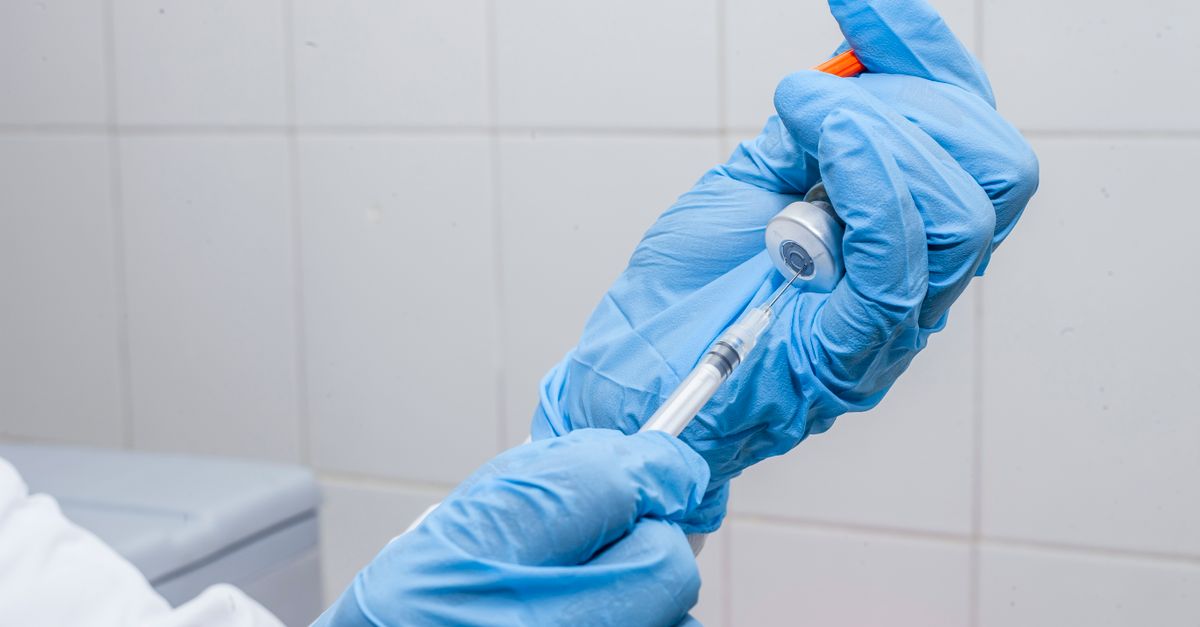
Gvoke PFS is a ready-to-use pre-filled syringe containing liquid stable glucagon for the immediate emergency treatment of severe hypoglycemic events. The most universally observed side effect is sudden and profound nausea accompanied by vomiting shortly after the patient regains consciousness.
1. Introduction & Mechanism of Action of Gvoke PFS
The active pharmacological agent in this emergency medication is glucagon. Glucagon is a naturally occurring polypeptide hormone secreted by the alpha cells of the pancreas. Its primary physiological function is to raise blood glucose concentrations by opposing the actions of insulin. When injected subcutaneously during a hypoglycemic crisis, glucagon rapidly binds to specific receptors located on liver cells.
This receptor activation initiates a complex intracellular signaling cascade. It stimulates hepatic glycogenolysis, which is the rapid breakdown of stored glycogen into free glucose molecules. Concurrently, it promotes gluconeogenesis, synthesizing new glucose from available amino acids. This rapid influx of glucose into the systemic circulation effectively reverses severe hypoglycemia and restores central nervous system function.
2. Warnings & Before Taking Glucagon
Administration of glucagon is strictly contraindicated in individuals diagnosed with a pheochromocytoma. This rare adrenal gland tumor secretes catecholamines, and glucagon can provoke an immediate release of these hormones, resulting in a sudden and life-threatening hypertensive crisis. Patients with an insulinoma must also avoid this medication, as the initial spike in blood glucose can stimulate the tumor to release excess insulin, leading to a dangerous secondary hypoglycemic crash.
Caregivers must recognize that glucagon efficacy relies entirely on the presence of adequate glycogen stores within the liver. The medication will be ineffective in patients experiencing states of starvation, chronic hypoglycemia, or adrenal insufficiency. In such clinical scenarios, intravenous dextrose is the only effective emergency intervention to restore blood glucose levels.
3. Indications & Dosage Guide for Gvoke PFS
This pre-filled syringe is clinically indicated for the emergency treatment of severe hypoglycemia in adults and pediatric patients with diabetes. Severe hypoglycemia is defined as an acute event where the patient exhibits significant neurological impairment, seizures, or loss of consciousness, rendering them incapable of safely consuming oral carbohydrates.
The standard adult dosage and the dosage for pediatric patients weighing forty-five kilograms or more is one milligram administered via a subcutaneous injection. For pediatric patients weighing less than forty-five kilograms, a half-milligram pre-filled syringe must be utilized. The injection should be administered into the lower abdomen, outer thigh, or outer upper arm. If the patient does not respond within fifteen minutes, an additional dose from a new syringe may be administered while waiting for emergency medical services.
4. In-Depth Side Effects Analysis of Gvoke PFS
The rapid metabolic shift induced by exogenous glucagon administration produces intense but generally transient adverse physiological reactions.
Common Side Effects
The most frequently documented adverse event is severe nausea, rapidly followed by vomiting. This typically occurs as the patient regains consciousness. Patients also commonly experience a pronounced headache, significant tachycardia, and generalized flushing. Localized injection site reactions, including erythema, mild swelling, and pain, are universally common due to the subcutaneous delivery.
Serious Side Effects You Should Report
A severe hypersensitivity response is a medical emergency. Symptoms indicating anaphylaxis include a sudden generalized rash, severe respiratory distress, facial edema, and profound hypotension. In patients with underlying cardiovascular disease, the sudden increase in heart rate and blood pressure can precipitate dangerous cardiac arrhythmias or myocardial ischemia.
Rare Side Effects
In exceptionally rare clinical cases, patients with pre-existing hepatic abnormalities may exhibit transient elevations in liver enzymes following administration. Severe generalized urticaria and delayed tissue necrosis at the injection site are highly unusual but documented complications.
Side Effects That Usually Do Not Require Medical Attention
Transient pallor immediately following the injection is a normal component of the acute physiological stress response. Mild muscle aching around the injection site and temporary diaphoresis generally resolve independently within several hours.
| Side Effect Category | Specific Symptoms |
|---|---|
| Common | Severe nausea, vomiting, tachycardia, headache, injection site pain |
| Serious | Anaphylaxis, severe hypertension, cardiac arrhythmias |
| Rare | Transient liver enzyme elevation, injection site necrosis |
| Requires no medical attention | Transient pallor, sweating, minor muscle ache |
5. Overdose Symptoms and Emergency Management
An overdose of glucagon via a single-use syringe is highly improbable, but subsequent rapid administrations can induce toxicity. Symptoms of an overdose include intractable vomiting, profound tachycardia, and dangerous elevations in systemic blood pressure. The severe depletion of hepatic glycogen can also precipitate a subsequent, profound drop in blood sugar once the hormonal effects dissipate.
Emergency management necessitates continuous cardiac and blood pressure monitoring in a clinical setting. Severe hypertension may require the administration of short-acting alpha-adrenergic blocking agents. Persistent vomiting demands intravenous fluid resuscitation to prevent severe dehydration and correct electrolyte imbalances. Once the patient is conscious and can safely swallow, oral carbohydrates must be provided to replenish hepatic glycogen stores.
6. Missed Dose Protocol & What to avoid
Because this medication is an emergency rescue treatment utilized strictly on an as-needed basis, a missed dose protocol is not applicable. However, any delay in administration during a severe hypoglycemic episode can result in prolonged seizures, irreversible neurological damage, or death. Immediate administration upon recognizing severe hypoglycemia is absolutely critical.
Caregivers must strictly avoid leaving the patient flat on their back after administering the injection. Because sudden vomiting is a highly common side effect, the unconscious patient must be immediately rolled onto their side into the recovery position to prevent the aspiration of gastric contents into the lungs.
7. Drug & Alcohol Interactions with Gvoke PFS
Alcohol consumption severely impairs the ability of the liver to perform gluconeogenesis. If a patient experiences severe hypoglycemia following significant alcohol intake, the glucagon injection may have a significantly blunted or delayed effect. In these situations, emergency medical services must administer intravenous dextrose.
Pharmacological interactions require clinical consideration. Glucagon interacts significantly with oral anticoagulants such as warfarin. Glucagon administration can transiently increase the hypoprothrombinemic effect of the anticoagulant, elevating the risk of acute bleeding events. Patients prescribed beta-blockers may experience a temporary but significant paradoxical increase in blood pressure following a glucagon injection.
8. Precautions, Safety & Duration of Action
The onset of action is remarkably fast, typically raising blood glucose concentrations within ten to fifteen minutes. The duration of action is brief, lasting approximately ninety minutes. Once the patient is fully conscious and capable of swallowing safely, they must immediately consume fast-acting carbohydrates followed by a complex protein snack to prevent a secondary hypoglycemic event.
Glucagon is generally recognized as safe for use during pregnancy because it does not cross the human placenta in biologically significant amounts. Severe hypoglycemia poses a vastly greater threat to both the mother and the developing fetus than the administration of the rescue medication. It is also safe during lactation, as the polypeptide is degraded in the infant gastrointestinal tract and cannot be absorbed intact.
9. How to stop taking Gvoke PFS & Storage/Disposal
As an emergency rescue device, there is no discontinuation protocol or tapering schedule. After any utilization of the pre-filled syringe, the patient must consult their primary care physician or endocrinologist to investigate the cause of the severe hypoglycemic episode and adjust their baseline insulin regimen to prevent future occurrences.
Strict storage protocols are essential to ensure the medication remains viable for an emergency. The pre-filled syringe must be stored in its original sealed foil pouch at standard room temperature. It must never be refrigerated or frozen, as freezing temperatures permanently destroy the active peptide. Expired syringes must be replaced immediately and disposed of safely in a certified medical sharps container.
10. When to see a doctor
Emergency medical services must be dispatched immediately every time a glucagon syringe is utilized, regardless of how quickly the patient regains consciousness. Severe hypoglycemia represents a critical metabolic crisis requiring professional evaluation and potential intravenous glucose stabilization to ensure patient safety.
If the patient fails to respond and remains unconscious fifteen minutes after the first injection, a second injection should be administered if available, and paramedics must be informed of the lack of response. Any signs of an allergic reaction following administration require immediate emergency anaphylaxis treatment protocols.
Frequently Asked Questions (FAQ)
1. How do I position the patient after giving the injection?
You must immediately roll the unconscious patient onto their side into the recovery position. This medication causes sudden vomiting, and rolling them prevents them from aspirating vomit into their lungs.
2. Does the injection go through clothing?
In an emergency, you may inject directly through thin clothing layers into the outer thigh if removing the clothing would cause a dangerous delay in treatment.
3. What should the patient eat when they wake up?
As soon as they are fully conscious and can swallow safely, provide a fast-acting sugar like juice, followed immediately by a long-acting carbohydrate and protein combination such as cheese and crackers.
4. Will this work if the person has been drinking alcohol?
Alcohol blocks the liver from releasing sugar. While you should still administer the injection in an emergency, it may not work effectively, making an immediate call to emergency services absolutely vital.
5. Why is my heart racing after the injection?
A rapid heart rate is a normal pharmacological response to the medication and is also part of the body natural acute stress response to severe hypoglycemia.
6. Can I use the device if it was accidentally left in a freezing car?
No. Freezing completely destroys the liquid medication. If the device has been exposed to freezing temperatures, it will not raise blood sugar and must be replaced.
7. Should I practice with the syringe beforehand?
Never practice with the actual pre-filled syringe. Once the cap is removed and the plunger is pushed, the medication is expelled and the device is useless.
Bibliography
Disclaimer: The content is for informational purposes only and does not replace medical advice. Always consult your doctor or pharmacist for personalized treatment.