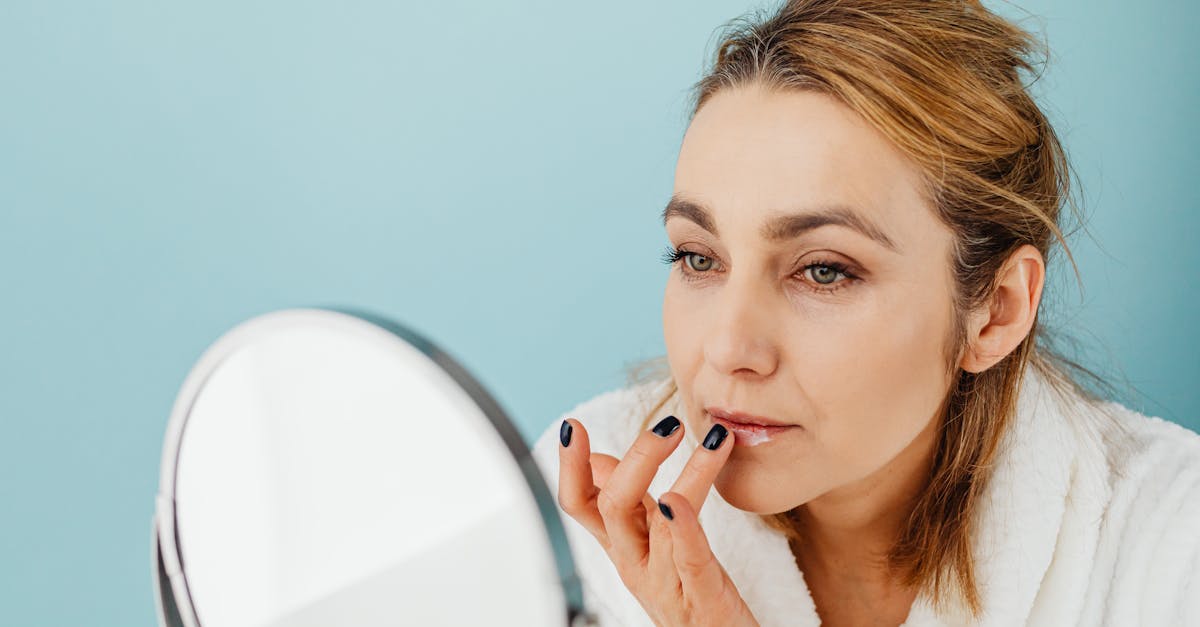
1. Introduction and Mechanism of Action for Lip Balm SPF15 Apple Pie Flavored
Lip Balm SPF15 Apple Pie Flavored is a specialized dermatological protectant designed to shield the labial mucosa from harmful ultraviolet radiation using a matrix of organic chemical absorbers. The most frequently reported side effect is minor localized stinging or the development of allergic contact cheilitis in highly sensitive patients.
This intricate formulation relies entirely on four distinct chemical filters to provide robust broad spectrum defense. Avobenzone acts as the primary absorber of ultraviolet A radiation, protecting the deep structural collagen within the lips from aggressive premature photoaging. Octisalate, homosalate, and octocrylene act synergistically to absorb high energy ultraviolet B photons, effectively preventing acute cellular necrosis and superficial sunburn on the highly vulnerable labial tissue.
Upon application, these chemical filters safely penetrate the uppermost layers of the lip epidermis. When struck by intense ultraviolet light, the organic molecules absorb the radiation and convert it into a harmless low level thermal energy that rapidly dissipates from the skin. This chemical absorption process definitively halts the localized cellular DNA mutations that frequently lead to aggressive squamous cell carcinoma on the lower lip.
2. Warnings and Before Applying Lip Balm SPF15 Apple Pie Flavored
Patients with a documented clinical history of severe hypersensitivity or photoallergy to organic chemical sunscreen filters must strictly avoid applying this specific lip balm. The product must never be applied to severely cracked lips, actively bleeding fissures, or weeping cold sores. Applying dense chemical filters directly into deeply broken labial tissue highly elevates the risk of severe localized inflammation and significantly delays normal wound healing.
While formulated specifically for the labial mucosa, individuals with a known history of severe atopic dermatitis or chronic cheilitis should consult a board certified dermatologist before initiating regular daily use. The precise combination of four distinct chemical filters can occasionally provoke cumulative irritation over time. The use of this specific cosmetic product on infants under six months of age requires direct medical authorization from a clinical pediatrician.
Pregnant and nursing individuals can generally utilize topical chemical lip sunscreens safely, but securing explicit clearance from an obstetrician is always highly recommended. Users must take rigorous care to prevent the waxy balm from accidentally contacting the highly sensitive ocular tissues, where it will cause significant chemical stinging and severe blurred vision.
3. Indications and Labial Dosage Guide for Apple Pie Flavored Lip Balm
This dermatological lip balm is medically indicated for the rigorous daily prevention of acute sunburn, severe environmental chapping, and cumulative actinic damage strictly on the lips. It acts as an essential daily prophylactic barrier against the primary environmental factors responsible for lip cancer and premature labial photoaging. Users must apply a highly generous, uniform layer across both the upper and lower lips at least fifteen minutes prior to entering direct sunlight.
The clinical efficacy of the stated sun protection factor relies entirely upon rigid adherence to scheduled reapplication protocols. Patients must thoroughly reapply the balm every two hours during sustained outdoor ultraviolet exposure. Immediate reapplication is also absolutely mandatory after eating, drinking, swimming, or excessive lip licking, as salivary enzymes and physical friction rapidly obliterate the protective chemical shield.
4. In-Depth Side Effects Analysis of Chemical Lip Filters
Topical lip photoprotectants utilizing organic chemical sunscreens are generally highly safe and well tolerated, but they carry a slightly higher risk of localized allergic reactions compared to inert physical mineral barriers. When adverse pharmacological effects do occur, they are almost exclusively mild inconveniences localized strictly to the labial tissue. Patients must closely monitor their lips during the initial days of regular application.
| Side Effect Category | Specific Symptoms |
|---|---|
| Common Localized | Mild lip tingling, transient stinging, bitter chemical taste |
| Serious Hypersensitivity | Severe localized itching, weeping blisters, allergic contact cheilitis |
| Ocular Toxicity | Intense chemical stinging upon accidental eye contact, tearing |
Common Side Effects
Patients routinely experience a brief, highly transient sensation of mild tingling or slight localized stinging directly after applying the product to heavily chapped lips. This is a direct physiological reaction to the chemical filters integrating with the compromised stratum corneum. Because the formulation utilizes organic chemical absorbers, patients frequently note a distinctly unpleasant bitter chemical taste if the product is accidentally licked or swallowed, which often overrides the apple pie flavoring.
Serious Side Effects You Should Report
The sudden onset of allergic contact cheilitis is a highly serious localized immunological event that mandates the immediate discontinuation of the product. This aggressive mucosal immune response presents as severe unrelenting pruritus, extreme labial swelling, severe peeling, and painful vesicular eruptions across the lips. Any systemic signs of hypersensitivity such as profound facial swelling, severe hives, or difficulty breathing constitute a rapid medical emergency.
Rare Side Effects
In highly uncommon clinical cases, the chemical filter avobenzone can induce a rare photoallergic reaction, where the allergic rash only emerges after the treated lips are subsequently exposed to intense ultraviolet light. Systemic anaphylactic shock triggered by a topical application of these chemical lip filters is practically unheard of but remains a theoretical pharmacological possibility. Chronic application over deeply bleeding labial fissures could theoretically induce mild localized tissue necrosis, though this is exceptionally rare.
Side effects that usually do not require medical attention
Subtle, highly transient peeling of the extreme outer layer of the lip or a temporary feeling of superficial tightness are entirely benign and expected in individuals recovering from previous severe labial sunburns. These transient cosmetic effects do not indicate a severe allergic pathology and typically clear completely without clinical intervention. Allowing the lips to fully heal naturally usually resolves these minor textural and sensory complaints.
5. Overdose Symptoms and Managing Accidental Ingestion
A traditional systemic pharmacological overdose achieved via standard topical labial application is clinically impossible due to the extremely small mucosal surface area being treated. The primary toxicological concern strictly arises from the accidental oral ingestion of large quantities of the balm, typically occurring if an unsupervised toddler consumes the entire waxy stick. Swallowing the heavy base and concentrated chemical filters will severely irritate the mucosal lining of the gastrointestinal tract.
Clinical manifestations of massive oral ingestion include moderate nausea, acute abdominal cramping, and potential episodes of vomiting. In the event of accidental consumption of a whole stick, caregivers must instantly contact a regional poison control center for specialized toxicological guidance. Standard medical protocols generally recommend supportive care and significant fluid replacement rather than the dangerous induction of emesis.
6. Missed Application and What to Avoid During Use
Failing to properly apply this photoprotective balm completely neutralizes the lips defense mechanism against aggressive ultraviolet rays. If an application is forgotten, the patient must apply it immediately and actively avoid direct sunlight until the active chemical matrix has fully absorbed. Unwavering daily application is the single most critical factor in preventing permanent actinic damage to the delicate labial tissue.
Users must exhibit extreme caution to prevent the waxy formulation from accidentally transferring from the fingers into the highly sensitive ocular mucosa. The chemical agents cause robust conjunctival irritation, extreme stinging, and significant reflex tearing. Furthermore, patients should strictly avoid obsessively licking their lips while wearing the product, as saliva rapidly degrades the chemical barrier and severely dries out the underlying tissue.
7. Drug and Alcohol Interactions with Chemical Labial Filters
Because these specific chemical filters remain firmly anchored within the outermost epidermal layers of the lips, they are completely incapable of interacting with systemically administered oral drugs. However, patients actively using potent topical labial medications like prescription antiviral creams for cold sores must exercise extreme caution. Overlapping potent topicals can severely disrupt the delicate skin barrier and amplify localized drying and chemical stinging.
Clinical guidelines advise patients to fully apply therapeutic topical treatments first and allow them to fully absorb before carefully applying the protective sunscreen balm over the treated area. There is absolutely no scientific data indicating that systemic alcohol consumption alters the efficacy or safety profile of this topical product. Patients utilizing complex topical regimens must always consult a specialized clinical pharmacist for highly precise layering instructions.
8. Precautions, Safety, and Duration of Action
The ultraviolet shield provided by this specific chemical formulation is inherently temporary and highly vulnerable to physical and enzymatic degradation. The maximum protective duration is clinically established at two hours under normal environmental conditions before complete reapplication is strictly required. Patients are strongly advised to complement this topical barrier by wearing wide brimmed hats for superior facial shading.
Individuals afflicted with highly reactive skin or chronic allergic cheilitis should preemptively conduct a patch test on a small area of the inner arm for forty eight hours before applying the balm directly to the lips. This simple clinical test effectively identifies potential contact dermatitis before it affects the highly visible labial tissue. Applying the formulation to actively inflamed or deeply bleeding fissures will invariably worsen the baseline dermatological condition.
9. How to Stop Using the Product and Proper Storage
Discontinuing the daily use of this chemical lip sunscreen does not precipitate physiological withdrawal symptoms or rebound chemical inflammatory reactions. Patients can safely halt application abruptly without any form of tapering regimen. However, immediately ceasing use totally eradicates the localized ultraviolet defense mechanism, exposing the delicate lips directly to radiation damage.
Proper environmental disposal requires throwing the empty plastic cosmetic casing into standard household waste bins following strict municipal guidelines. Users must never flush unused waxy balm down the toilet or attempt to wash it down municipal water drains. Patients are highly encouraged to recycle the plastic components if the local waste authority possesses specialized cosmetic recycling capabilities.
10. When to See a Doctor for Labial Sunscreen Reactions
Immediate emergency medical transport is unequivocally mandated if the patient exhibits any sudden systemic signs of an anaphylactic reaction, such as throat tightness, severe inspiratory wheezing, or massive swelling of the tongue and airway. Although exceptionally rare for a topical lip preparation, these critical symptoms require rapid systemic pharmacological management with epinephrine. Do not delay emergency care under any circumstances.
A routine clinical appointment is highly recommended if the patient experiences severe localized side effects like weeping blisters, intense labial peeling, or unyielding redness that fails to resolve after stopping the product entirely. A certified dermatologist can accurately evaluate the allergic contact cheilitis and prescribe short term topical corticosteroids to effectively suppress the immune response. Severe eye pain that persists after rigorous water irrigation dictates an immediate ophthalmological consult.
Frequently Asked Questions (FAQ)
1. How exactly do the active ingredients in this lip balm protect my lips?
The active chemical filters absorb harmful ultraviolet radiation and safely convert it into harmless heat energy before it can damage your cellular structures.
2. Does this specific formulation protect against both ultraviolet A and B rays?
Yes, the combination of octisalate, avobenzone, homosalate, and octocrylene ensures highly robust broad spectrum defense against both classes of radiation.
3. Will this apple pie flavored balm leave a white residue on my lips?
No, because this product utilizes completely organic chemical filters rather than physical minerals, it applies perfectly clear without leaving a chalky white cast.
4. Can I layer this sunscreen balm directly over my daily prescription cold sore cream?
You must allow your prescription antiviral cream to fully dry and absorb completely into the skin before gently applying this sunscreen over the lesion.
5. How often do I strictly need to reapply this lip balm when outdoors?
Dermatological protocols mandate strict reapplication every two hours and instantly following eating, drinking, or swimming.
6. Are these active chemical ingredients safe for pregnant patients?
Topical chemical photoprotectants are generally considered safe for expectant mothers but professional clinical clearance is always highly advised prior to use.
7. What is the precise emergency protocol if the balm accidentally gets into my eyes?
Immediately flush the affected eye with a continuous stream of cool sterile water for several minutes until the severe chemical stinging sensation resolves entirely.
8. Is it actually possible for this sunscreen lip balm to expire?
Yes, the organic chemical filters actively degrade and lose maximum effectiveness over time, so you must strictly adhere to the printed expiration date.
9. Why does the product taste highly bitter if I accidentally lick my lips?
The bitter taste is a completely normal characteristic of the active organic chemical sunscreen filters utilized to absorb the ultraviolet radiation.
Bibliography
Disclaimer: The content is for informational purposes only and does not replace medical advice. Always consult your doctor or pharmacist for personalized treatment.