1. Introduction & How Medpura Vitamin A And D Works in the Body
Medpura Vitamin A and D relies on white petrolatum to establish an impenetrable protective barrier over minor skin irritations and diaper dermatitis. The most dangerous side effect involves the risk of severe localized bacterial or fungal infections if the heavy ointment is applied directly over dirty, unwashed skin, effectively sealing dangerous pathogens deep within the tissue.
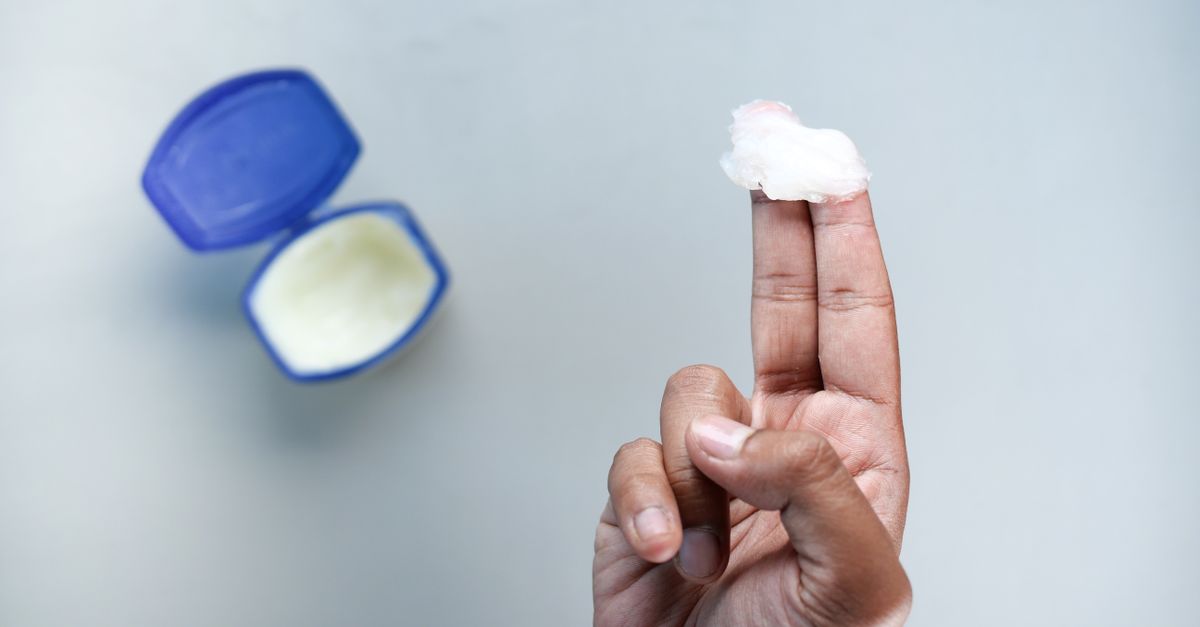
Petrolatum is a highly purified mixture of semisolid hydrocarbons. In a clinical dermatological setting, it functions exclusively as a profound occlusive agent. Because it is completely hydrophobic and physically incapable of absorbing into the cellular structure of the epidermis, it sits heavily on top of the stratum corneum.
This dense physical shield serves two critical physiological purposes. First, it completely halts transepidermal water loss, trapping the body’s natural moisture underneath the ointment to deeply hydrate dry, cracked tissues. Second, it creates an absolute mechanical barrier against external irritants. In the context of diaper rash, the petrolatum completely physically blocks highly acidic urine and digestive enzymes in feces from ever contacting the raw, inflamed skin, allowing the epidermis time to heal underneath the protective shield.
2. Critical Warnings & Prerequisites Before Using Medpura Vitamin A And D
While universally recognized as exceptionally safe for intact skin, white petrolatum formulations carry strict warnings regarding deep tissue injuries. This heavy ointment must strictly never be applied to deep puncture wounds, severe animal bites, or massive third-degree thermal burns.
Applying an absolute occlusive barrier over a deep puncture wound creates a highly dangerous, oxygen-free anaerobic environment deep within the tissue. This specific environment is ideal for the rapid, lethal proliferation of anaerobic bacteria, such as the pathogen responsible for tetanus. Deep wounds require professional medical cleaning and oxygen exposure, not heavy occlusion.
Furthermore, applying the ointment over active, severe fungal infections, such as severe candidal diaper dermatitis, will drastically exacerbate the pathology. Fungi thrive in the dark, extremely moist environment created beneath the petrolatum barrier. A physician must evaluate any severe, blistering rash before sealing it under a heavy hydrocarbon ointment.
3. Indications & Dosage Guidelines for Petrolatum Ointment
Medpura Vitamin A and D is explicitly indicated for the treatment and proactive prevention of diaper rash, and to temporarily protect minor cuts, superficial scrapes, and minor thermal burns. It is also utilized to soothe severely chapped or cracked lips and skin.
The clinical application protocol demands rigorous skin hygiene prior to use. For diaper dermatitis, the caregiver must promptly change the wet and soiled diaper. The entire perianal and genital area must be thoroughly cleansed with mild soap and water, and most critically, allowed to dry completely.
Once the skin is completely dry and clean, the user must apply a thick, generous layer of the ointment across the entire affected area. The dosage relies entirely on coverage density; the ointment should be applied as frequently as necessary, with every single diaper change, particularly at bedtime or anytime prolonged exposure to wet diapers is highly anticipated.
4. In-Depth Side Effects Analysis of Medpura Vitamin A And D
Adverse reactions are completely confined to the superficial epidermis. Because the massive hydrocarbon molecules physically cannot breach the blood-brain barrier or enter the systemic vasculature, internal systemic toxicity is clinically impossible.
Common Side Effects
A sensation of heavy epidermal occlusion or slight greasiness is highly expected and represents the intended mechanism of action. The ointment does not absorb, meaning a thick, shiny residue will continuously remain on the skin and heavily transfer to clothing or diapers.
Serious Side Effects You Should Report
Seek immediate medical assessment if you develop massive, spreading redness, intense pain, or if the skin begins draining thick, foul-smelling pus beneath the ointment. These cardinal symptoms dictate a severe, trapped bacterial infection that requires immediate removal of the ointment and urgent prescription antibiotic therapy. Sudden, extreme facial swelling indicates a severe allergic reaction to the specific vitamin additives or lanolin often included in the formulation base.
Rare Side Effects
In instances of chronic daily application over extensive areas of the body, particularly in hot, humid climates, patients may develop severe, widespread miliaria rubra, commonly known as heat rash. The dense petrolatum physically obstructs the eccrine sweat glands, completely trapping massive amounts of sweat within the dermis and causing painful, inflamed subcutaneous pustules.
Side Effects That Usually Do not Require Medical Attention
Minor, transient skin warmth immediately following application is a highly standard consequence of the ointment completely halting sweat evaporation. This harmless sensation typically fades as the body regulates its localized temperature.
| Side Effect Category | Specific Symptoms |
|---|---|
| Dermatological | Heavy occlusive feeling, greasy residue, trapped sweat |
| Infectious Secondary | Trapped bacterial or fungal infections, severe localized pus |
| Follicular/Glandular | Severe heat rash, obstructed sweat glands |
| Immunological | Rare allergic rash to vitamin additives or carrier lanolin |
5. Overdose Symptoms & Emergency Response for Petrolatum
A clinical overdose via standard topical application of white petrolatum is entirely impossible. The human skin is physically incapable of absorbing the massive hydrocarbon chains into the bloodstream in any biologically significant quantity capable of causing systemic toxicity.
Accidental gastrointestinal consumption by an infant presents a moderate toxicological concern. While pure petrolatum is highly non-toxic, consuming a massive glob of the heavy ointment will rapidly induce severe gastric distress and act as an incredibly potent physical laxative. This causes heavy vomiting and profound, greasy diarrhea. Emergency response involves preventing aspiration, ensuring adequate hydration, and immediately contacting a regional poison control center.
6. Missed Dose & What to Avoid While Using Medpura Vitamin A And D
Because this barrier treatment is utilized entirely as a proactive shield or symptom-driven application, missing an application simply leaves the skin exposed to the offending environmental irritants. If a caregiver forgets to apply the ointment during a diaper change, they must apply it during the next change to halt the acute progression of the urine burn.
Patients must strictly avoid applying the heavy ointment over severely sunburned skin immediately after the sun exposure occurs. The petrolatum creates an absolute thermal barrier, completely trapping the intense heat radiating from the radiation burn deep within the tissues. This will drastically increase the agonizing pain and physically worsen the thermal tissue damage. Always use cooling water-based gels first.
7. What Drugs Interact With Medpura Vitamin A And D?
Due to the complete lack of systemic absorption, topical petrolatum presents zero pharmacokinetic interactions with oral or intravenous prescription medications. The clinical interaction concerns revolve entirely around concurrent topical dermatological agents.
A critical topical interaction involves the concurrent use of heavily active prescription creams, such as topical antibiotics like bacitracin or powerful topical steroids. Applying an absolute occlusive petrolatum barrier directly over a highly potent topical steroid heavily forces the medication deep into the bloodstream, multiplying the absorption rate. This unintended occlusion can easily cause dangerous, systemic steroid side effects. Always consult a dermatologist to establish a safe, layered timeline.
8. Precautions, Safety & Duration of Action
The protective barrier action begins the exact second the dense ointment forms a continuous layer on the skin. The duration of this protection is incredibly robust, entirely resisting heavy moisture and friction. It typically lasts until it is physically wiped away with a cloth during the next cleaning cycle.
This specific formulation is universally recognized as exceptionally safe and is the gold standard barrier agent for neonates and infants. The complete lack of systemic absorption ensures zero internal risk to developing pediatric organs, provided the skin is rigorously cleaned before every single application to prevent sealing bacteria against the vulnerable tissue.
9. How to Stop Using Medpura Vitamin A And D & Proper Storage
Discontinuing the protective layer requires rigorous mechanical cleansing. Because petrolatum is completely hydrophobic and specifically engineered to resist water, a standard mild soap is often insufficient to fully strip the barrier. Using a warm, damp washcloth with thorough, gentle friction is strictly required to completely break down the grease and allow the pores to breathe.
Storage protocols demand that the tube be kept strictly at controlled room temperature. Exposing the formulation to extreme environmental heat, such as leaving it inside a closed vehicle in the summer, will rapidly melt the semisolid hydrocarbons into a hot, messy liquid. Ensure the cap is highly secured to prevent environmental bacterial contamination.
10. When to See a Doctor
Routine pediatric checkups are necessary to monitor infant skin health. However, immediate medical consultation is mandatory if the diaper rash worsens severely despite three days of continuous ointment use, begins to bleed, or develops satellite red bumps extending down the thighs. These symptoms signify a severe fungal yeast infection that requires prescription antifungal therapy, not a petrolatum barrier.
11. Frequently Asked Questions
1. How exactly does this greasy ointment heal the skin?
The ointment itself does not contain chemical healing agents. It heals by creating an absolute, impenetrable physical shield over the raw skin, completely stopping highly acidic urine and feces from touching the wound while trapping your body’s natural moisture inside to accelerate cellular repair.
2. Why must I completely dry the skin before applying the ointment?
Petrolatum seals everything underneath it perfectly. If you apply it over damp, dirty skin, you will securely trap the moisture and harmful bacteria directly against the raw tissue, which can rapidly cause a severe, painful skin infection.
3. Is it safe to use this inside a deep cut or puncture wound?
Absolutely not. Puncture wounds require oxygen to heal safely and prevent deadly anaerobic bacteria, like tetanus, from growing. Sealing a deep hole with heavy grease creates a dangerous, oxygen-free environment.
4. Will the vitamins in this ointment absorb into my baby’s bloodstream?
No. The massive hydrocarbon structure of the petrolatum physically prevents the vitamins from penetrating deep enough to enter the systemic circulation. They act strictly on the highly superficial layers of the epidermis.
5. Why did my sunburn hurt significantly worse after putting this on?
Applying heavy grease over a fresh, hot thermal burn completely traps the intense heat inside your skin, preventing it from escaping. You must always cool a burn with water-based aloe or cold compresses, never thick petrolatum.
6. Can I use this thick ointment on my face for severe acne?
You should heavily avoid doing this. Petrolatum is highly occlusive and will completely block your facial pores. This traps sweat and massive amounts of bacteria, which will rapidly cause severe, deep cystic acne eruptions.
7. What should I do if my child eats a large spoonful of the ointment?
While the grease itself is chemically non-toxic, it acts as a very powerful laxative. Expect severe vomiting and greasy diarrhea. Wipe their mouth out, ensure they drink water, and immediately contact poison control.
12. Bibliography
Disclaimer: The content is for informational purposes only and does not replace medical advice. Always consult your doctor or pharmacist for personalized treatment.