
1. Introduction and Mechanism of Action for Miplyffa
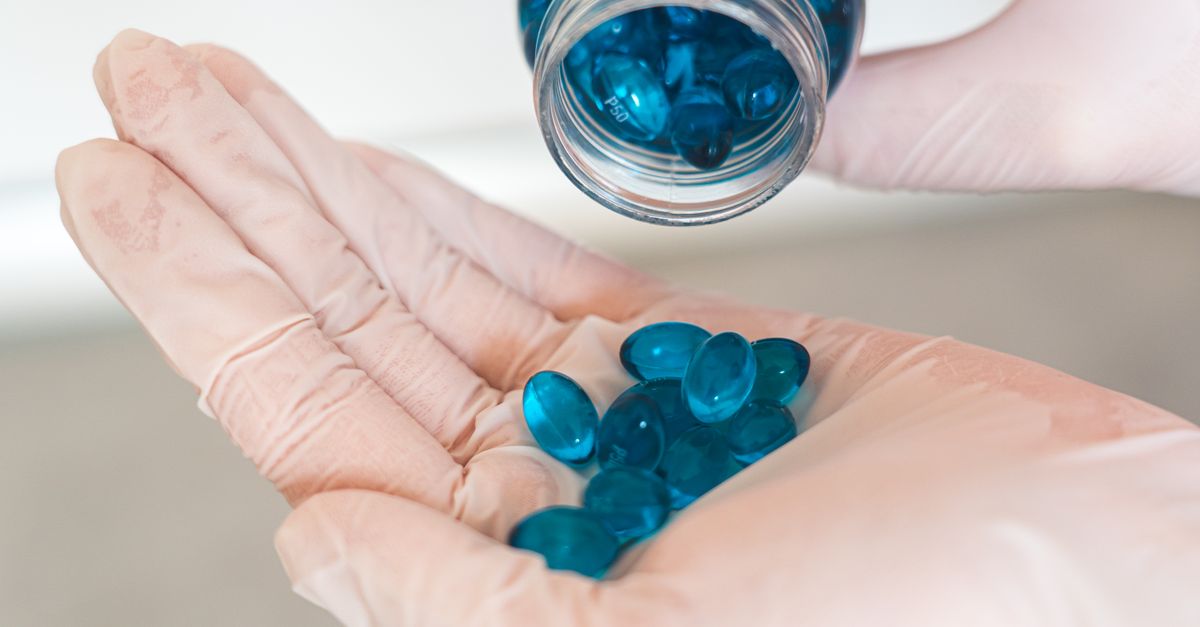
Miplyffa is an orally administered, targeted cellular therapy containing the active pharmaceutical ingredient arimoclomol citrate, exclusively indicated for the management of neurological manifestations in patients with Niemann-Pick disease type C. The most notable side effects include severe gastrointestinal distress, significant unintended weight loss, and potential renal impairment. Arimoclomol functions as a highly specific amplifier of the cellular heat shock protein response.
Niemann-Pick disease type C is a fatal, progressive lysosomal storage disorder characterized by the massive, toxic accumulation of unesterified cholesterol and sphingolipids within cellular lysosomes, leading directly to catastrophic neurodegeneration. Miplyffa crosses the blood-brain barrier and binds directly to the activated form of Heat Shock Factor 1. By stabilizing this specific transcription factor, the medication massively upregulates the production of molecular chaperones, particularly Heat Shock Protein 70. These chaperones restore proper protein folding and significantly enhance lysosomal function, ultimately reducing the toxic lipid accumulation and slowing the devastating neurological decline associated with the disease.
2. Warnings and Essential Renal Screening Before Administration
Prior to initiating therapy with arimoclomol citrate, comprehensive renal and hepatic screening is absolutely critical. The medication and its primary metabolites rely heavily on renal clearance. Patients exhibiting severe renal impairment require highly precise dosage adjustments, and in cases of end-stage renal disease, the medication may be contraindicated entirely due to the extreme risk of massive systemic drug accumulation and profound toxicity.
Clinicians must also establish a rigorous baseline for the patient’s weight and nutritional status. Miplyffa is highly associated with severe, unintended weight loss and profound gastrointestinal disruption. Because patients with Niemann-Pick disease type C frequently suffer from severe dysphagia and malnutrition due to the natural progression of their neurological decline, superimposing a medication that causes extreme weight loss requires vigilant clinical oversight and often concurrent aggressive nutritional supplementation.
3. Indications and Oral Dosage Guide
Miplyffa is indicated exclusively for the treatment of neurological manifestations of Niemann-Pick disease type C in adult and pediatric patients weighing at least fifteen kilograms. The exact oral dosage is meticulously calculated by a specialized metabolic physician based entirely on the patient’s specific body weight cohort. The medication is typically administered orally three times a day, taken with or without food.
For patients suffering from severe disease-induced dysphagia who cannot swallow intact capsules, the capsule can be carefully opened and the contents sprinkled onto a small amount of soft food, such as applesauce, and consumed immediately. It is strictly forbidden to crush, chew, or dissolve the internal capsule contents in hot liquids, as this will instantly destroy the precise pharmacokinetic release profile of the arimoclomol.
4. In-Depth Side Effects Analysis of Arimoclomol Citrate
The adverse pharmacological profile of this specialized cellular therapy primarily impacts the gastrointestinal tract and overall systemic metabolic homeostasis.
| Side Effect Category | Specific Symptoms |
|---|---|
| Gastrointestinal | Severe diarrhea, prolonged nausea, vomiting, abdominal pain |
| Metabolic | Significant decreased weight, severe anorexia, dehydration |
| Renal | Elevated serum creatinine, decreased glomerular filtration rate |
| Neurological | Worsening ataxia, somnolence, transient dizziness |
Common Side Effects
Profound gastrointestinal disturbances are universally common, with a large majority of patients experiencing persistent diarrhea, severe nausea, and a complete loss of appetite shortly after initiating therapy. This aggressive gastrointestinal distress directly correlates with the most significant metabolic side effect: severe, unintended weight loss. Patients also frequently report mild, transient dizziness and generalized fatigue as their central nervous system adapts to the upregulated cellular chaperone response.
Serious Side Effects You Should Report
Caregivers must immediately report any sudden, massive drop in body weight or clinical signs of severe dehydration, such as sunken eyes, an inability to produce tears, or extreme lethargy, as these conditions are highly life-threatening in fragile metabolic patients. Furthermore, any sudden decrease in urine output paired with severe lower back pain must be reported instantly, as this strongly indicates acute renal impairment directly linked to the medication.
Rare Side Effects
In highly isolated instances, severe hypersensitivity reactions presenting as widespread urticaria and facial angioedema have been documented, requiring the immediate cessation of the medication and emergency administration of systemic corticosteroids. There is also a rare but theoretical risk of profound liver enzyme elevation requiring continuous hepatic surveillance during the initial months of the treatment protocol.
Side Effects That Usually Do Not Require Medical Attention
Mild dyspepsia and slight, temporary bloating immediately following the oral administration of the capsules are standard gastrointestinal responses to the active pharmaceutical compounds and generally resolve within an hour. Transient changes in the coloration of stool are benign and typically do not require alteration of the clinical protocol.
5. Overdose Symptoms and Intensive Care Management
Because the dosage is precisely calibrated to the patient’s exact body weight, an accidental overdose constitutes a critical metabolic emergency. Symptoms of massive arimoclomol toxicity include intractable, explosive diarrhea, severe uncontrollable vomiting, profound dehydration leading to catastrophic hypotensive shock, and acute renal failure due to the sudden inability to clear the massive chemical load.
If a massive overdose occurs, the patient must be transported to an emergency department instantly. There is no specific pharmacological antidote for arimoclomol citrate. Emergency management relies entirely on aggressive supportive care, massive intravenous fluid resuscitation to stabilize blood pressure and protect the kidneys, and continuous cardiovascular monitoring. Hemodialysis may be urgently required to artificially clear the toxin if the patient enters acute renal failure.
6. Missed Dose Protocol and Dietary Practices to Avoid
If a scheduled oral dose is missed, the patient or caregiver should skip the missed dose entirely and resume the normal dosing schedule at the next designated time. Administering a double dose to compensate for a missed capsule is strictly prohibited, as the sudden spike in systemic drug concentrations guarantees severe gastrointestinal toxicity and a high risk of acute renal injury.
Patients must strictly avoid consuming grapefruit or grapefruit juice while taking this medication. Grapefruit contains highly specific compounds that inhibit hepatic enzymes responsible for drug metabolism, which can dangerously elevate the blood concentrations of arimoclomol, massively amplifying the risk of severe side effects.
7. Drug and Chemical Interactions with Miplyffa
Systemic pharmacokinetic drug interactions are highly significant due to the specific metabolic pathways required for drug clearance. Concomitant administration of strong inhibitors of the organic anion transporter pathways, similar in action to specific specialized antibiotics or probenecid, drastically slows the renal excretion of arimoclomol. This interaction forces the medication to dangerously accumulate in the bloodstream, leading to severe systemic toxicity.
Conversely, Miplyffa is frequently prescribed in conjunction with miglustat, another targeted therapy for Niemann-Pick disease. While clinically beneficial, this specific combination drastically compounds the severe gastrointestinal side effects, frequently resulting in intractable diarrhea that requires aggressive clinical management with potent antidiarrheal agents to prevent lethal dehydration.
8. Precautions, Safety, and Continuous Clinical Surveillance
Therapy with this highly specialized medication requires relentless, lifelong clinical surveillance by a multidisciplinary metabolic and neurological team. Clinicians mandate frequent, highly detailed comprehensive metabolic panels to continuously monitor renal function, tracking glomerular filtration rates to ensure the kidneys are not sustaining silent, cumulative damage from the therapy.
Rigorous nutritional monitoring is the absolute cornerstone of patient safety. Patients must be weighed at every clinical encounter. If severe weight loss continues despite aggressive dietary interventions and the use of appetite stimulants, the attending physician may be forced to temporarily pause the medication or permanently reduce the dosage to prevent death from severe malnutrition.
9. Discontinuing Therapy and Safe Medication Storage
Discontinuing this highly specialized therapy must only occur under the direct, explicit instruction of the attending metabolic specialist. Abrupt cessation of the medication will immediately halt the artificial upregulation of the heat shock proteins, leading to a rapid, potentially catastrophic resurgence of toxic lipid accumulation in the brain and accelerated neurological death.
The oral capsules must be stored securely at room temperature in their original, tightly sealed container, protecting them entirely from extreme heat, direct sunlight, and excess humidity. Because this medication treats an extremely rare and devastating pediatric disease, caregivers must ensure the bottles are kept completely inaccessible to other small children in the household to prevent catastrophic accidental ingestion.
10. When to Seek Emergency Medical Attention
Immediate emergency intervention is absolutely critical if the patient develops severe, uncontrollable vomiting and explosive diarrhea leading to sudden, profound lethargy, a massive drop in blood pressure, or a complete loss of consciousness, as these indicate lethal systemic dehydration and impending hypotensive shock.
Additionally, if the patient develops a sudden, severe skin rash accompanied by massive swelling of the lips, tongue, or throat, leading to acute difficulty breathing, they must be rushed to the emergency department instantly. These symptoms are the hallmark of a lethal systemic anaphylactic reaction requiring immediate administration of intravenous epinephrine and airway intubation.
Frequently Asked Questions
1. How exactly does this medication help Niemann-Pick disease?
The drug travels into the brain and essentially forces the cells to produce specialized proteins that clean up the toxic buildup of cholesterol and fats that are destroying the brain cells.
2. Why is my child losing so much weight on this medication?
Severe weight loss is a highly common and dangerous side effect of this drug; you must work closely with a clinical dietician to force extra calories into the patient’s diet to prevent severe malnutrition.
3. Can I open the capsule if the patient cannot swallow it whole?
Yes, if swallowing is impossible, you may carefully open the capsule and sprinkle the contents onto a small spoonful of soft, room-temperature food like applesauce, but it must be swallowed immediately without chewing.
4. Will this medication completely cure the genetic disease?
No, this medication is not a cure; it is a highly specialized therapy designed to slow the devastating neurological decline and prolong neurological function, but it cannot repair the underlying genetic mutation.
5. Why does the doctor check the patient’s kidney function so often?
The kidneys are entirely responsible for filtering this harsh medication out of the body; frequent blood tests are mandatory to ensure the drug is not causing silent, permanent kidney failure.
6. What should I do if the patient misses a dose in the afternoon?
You must skip the missed dose entirely and simply give the next scheduled dose at the normal time; never give a double dose to make up for a missed one.
7. Why must we avoid combining this drug with grapefruit juice?
Grapefruit physically blocks the liver enzymes required to process this medication, causing a massive, highly toxic buildup of the drug in the bloodstream that can severely damage the kidneys.
Bibliography
Disclaimer: The content is for informational purposes only and does not replace medical advice. Always consult your doctor or pharmacist for personalized treatment.
