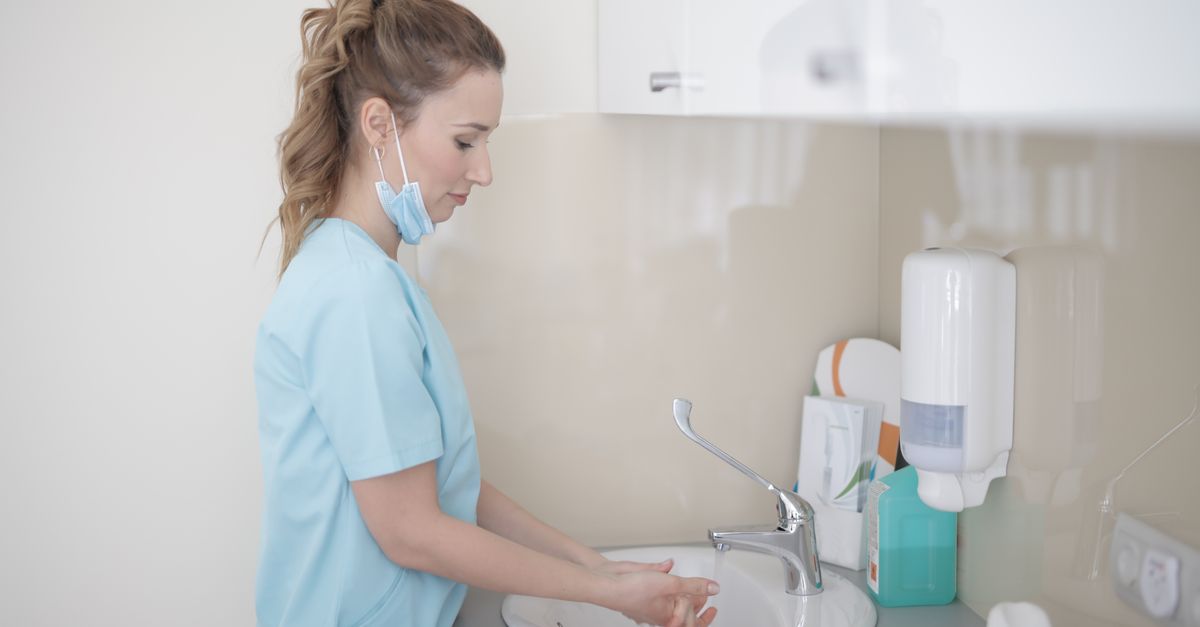
Careone Amber is a topical antimicrobial cleanser utilizing Benzalkonium Chloride to rapidly reduce bacterial colonization on the skin. The most notable side effects associated with its application include localized dermal desiccation, temporary erythema, and mild irritant contact dermatitis upon highly frequent or prolonged application to sensitive epidermal tissues.
1. Introduction & Mechanism of Action of Benzalkonium Chloride
Benzalkonium chloride is a highly potent synthetic biocidal agent belonging to the quaternary ammonium class of cationic surfactants. Its pharmacological mechanism of action is heavily reliant upon its ability to severely disrupt the structural integrity of microbial cell membranes. By binding directly to the negatively charged surfaces of bacterial cell walls, the cationic molecule induces profound structural shifts in membrane permeability.
This highly targeted physical interaction leads to the catastrophic leakage of vital intracellular components, culminating in rapid cell lysis and pathogen death. The agent demonstrates broad-spectrum bactericidal activity against numerous gram-positive and gram-negative organisms. Unlike volatile alcohol-based preparations, benzalkonium chloride provides a notably milder cleansing action with the distinct clinical advantage of leaving a prolonged bacteriostatic residual film on the cutaneous surface.
2. Warnings & Before Applying Careone Amber
Application of this specific antimicrobial cleanser is firmly contraindicated in patients who possess a known medical hypersensitivity to any quaternary ammonium compounds. Extreme caution must be exercised when handling the cleanser near sensitive anatomical structures. The chemical solution is strictly forbidden for use inside the ocular cavity, the inner ear canal, or deep mucosal cavities.
Furthermore, this product is medically intended exclusively for superficial epidermal cleansing. It must not be utilized for deeply penetrating puncture wounds, severe animal bites, or extensive third-degree thermal injuries. Utilizing this highly potent surfactant over vast expanses of highly denuded tissue can prompt unintended systemic absorption and severely delay essential fibroblastic wound healing phases.
3. Indications & Dosage Guide for Careone Amber Cleanser
The primary clinical indication for this product is the prophylactic cleansing of the hands or minor epidermal superficial injuries to aggressively mitigate the risk of opportunistic bacterial infection. It serves as an ideal first-line preparative agent for standard home or occupational hygiene protocols.
Appropriate application requires the user to dispense a sufficient amount of the product onto wetted skin, working it into a lather to physically remove dirt, debris, and biological exudate. Following the cleansing process, the area must be rinsed thoroughly with clean water and allowed to dry completely. The product is designed strictly for topical use and is highly effective when used in conjunction with standard mechanical handwashing techniques.
4. In-Depth Side Effects Analysis of Benzalkonium Chloride
While significantly less caustic than standard iodine or high-concentration isopropyl alcohol preparations, benzalkonium chloride remains a highly potent chemical surfactant capable of inducing localized adverse events, particularly on highly sensitive or severely compromised cutaneous tissue.
Common Side Effects
The most regularly observed adverse reaction is a mild, transient stinging sensation when the solution first makes contact with an open abrasion or heavily chapped skin. Because the agent inherently disrupts cellular lipids through its aggressive surfactant properties, patients frequently report minor, temporary erythema in the cleansed area alongside superficial dryness and a feeling of cutaneous tightness.
Serious Side Effects you should report
Severe allergic contact dermatitis represents a highly serious complication requiring immediate product discontinuation. Signs of a severe hypersensitivity reaction include intense swelling of the surrounding tissue, the rapid eruption of highly painful vesicular lesions, and persistent, aggressive pruritus. Any sudden difficulty breathing or systemic urticaria following application strongly indicates a severe anaphylactic response requiring immediate emergency medical intervention.
Rare Side Effects
In highly idiosyncratic cases, prolonged or repeatedly excessive daily application of benzalkonium chloride has been documented to cause localized chemical necrosis and deep tissue ulceration. Chronic application on a solitary cutaneous site without proper hydration can provoke a paradoxical delay in natural epidermal repair due to cumulative surfactant-induced cytotoxicity.
Side effects that usually do not require medical attention
Slight, highly localized flaking of the skin or a minimal sensation of thermal warmth immediately following application are completely benign side effects. These highly minor physiological alterations do not impede the healing cascade and will resolve spontaneously without clinical treatment over the following days as the natural lipid barrier regenerates.
| Side Effect Category | Specific Symptoms |
|---|---|
| Common Local Reactions | Mild stinging, temporary erythema, superficial dryness |
| Severe Hypersensitivity | Profound swelling, blistering, intense unrelenting itch |
| Accidental Ocular Exposure | Severe conjunctival inflammation, acute corneal pain |
5. Overdose Symptoms and Accidental Ingestion
Systemic overdose secondary to the highly appropriate topical application of this cleanser on localized intact skin is biologically impossible. The genuine risk of systemic toxicity emerges exclusively from the accidental or highly deliberate oral ingestion of the concentrated chemical fluid from the bottle.
Swallowing benzalkonium chloride causes severe gastrointestinal and systemic toxicity. Clinical manifestations of oral ingestion include profound nausea, severe and violent vomiting, dangerously low blood pressure, and central nervous system depression. Aspiration of the surfactant directly into the lungs can aggressively induce severe, life-threatening chemical pneumonitis. In cases of accidental oral ingestion, immediate transport to an emergency department is highly vital. Emesis must never be induced.
6. Missed Dose & What to Avoid While Using Careone Amber
The concept of a missed dose is clinically irrelevant in this specific context, as the product is applied strictly as an acute intervention for hygiene or following a minor physical trauma. If initial cleansing is forgotten, the area should simply be assessed and cleansed as soon as possible to mitigate opportunistic bacterial colonization.
Patients must strictly avoid combining this benzalkonium chloride cleanser with standard anionic household soaps. Ordinary soaps chemically neutralize the cationic charge of benzalkonium chloride, completely destroying its bactericidal efficacy. Additionally, applying highly harsh chemical treatments such as topical benzoyl peroxide immediately over the newly cleansed skin will induce severe tissue damage and extreme pain.
7. Drug & Alcohol Interactions with Topical Benzalkonium Chloride
Given the restricted topical application and minimal systemic permeation, highly meaningful pharmacokinetic interactions between this antimicrobial cleanser and oral systemic medications are virtually nonexistent in highly standard clinical practice.
Extreme care must be taken regarding topical combinations. This product should absolutely not be used simultaneously with hydrogen peroxide or heavy povidone-iodine preparations, as the overlapping highly aggressive chemical actions can cause severe local tissue toxicity and paradoxically inhibit all wound healing. Systemic alcohol consumption does not alter the clinical efficacy or side effect profile of topical benzalkonium chloride.
8. Precautions, Safety & Duration of Action for Antimicrobial Cleansers
Unlike highly volatile alcohols, benzalkonium chloride inherently leaves a highly microscopic residual film on the cutaneous surface, providing a prolonged bacteriostatic effect for several hours post-application.
Safety profiles firmly indicate the product is highly well-tolerated for general pediatric and adult use. However, medical personnel must exercise extreme vigilance to ensure the chemical solution does not pool in deep body cavities or heavily occluded mucosal folds during extensive hygiene procedures, as prolonged pooling significantly increases the highly severe risk of chemical irritation and deep tissue necrosis.
9. How to Stop Using the Product & Storage/Disposal Guidelines
Discontinuation requires no tapering process or highly complex physiological adjustment. The therapeutic use of the cleanser concludes immediately after the hygiene protocol is thoroughly completed. The patient requires no further application once the target area has been successfully decontaminated.
To vigorously preserve the antimicrobial integrity of the formulation, the product must be securely stored in its original, sealed container at controlled room temperature. Exposure to freezing conditions or highly extreme heat can permanently alter the delicate surfactant properties. Empty containers must be disposed of promptly in standard household recycling or refuse.
10. When to See a Doctor Regarding Antiseptic Irritation
A medical consultation is strictly necessary if the cleansed superficial wound begins to exhibit highly aggressive signs of advancing infection rather than healing, such as spreading redness, heavily purulent discharge, or ascending red streaks indicating highly dangerous lymphangitis.
If the application site heavily develops severe chemical blistering or necrosis, immediate dermatological evaluation is strictly required. Should the antiseptic solution be accidentally introduced directly into the eyes, continuous irrigation with highly sterile water is strictly mandated for fifteen minutes, followed by an emergency assessment by an ophthalmologist to rigorously evaluate the cornea for chemical abrasion.
Frequently Asked Questions (FAQ)
1. Is this cleanser less painful than using standard rubbing alcohol?
Yes. Benzalkonium chloride does not contain harsh, aggressively denaturing alcohols, making it significantly less painful when applied to broken skin. It provides a much gentler cleansing experience, making it highly preferable for pediatric patients.
2. Will this product permanently stain my skin like iodine?
No. The benzalkonium chloride solution is entirely colorless and will not leave any temporary or highly permanent pigmentary changes on the skin, clothing, or surrounding tissue.
3. Can I use this cleanser as a daily body wash in the shower?
While it possesses potent antimicrobial properties, it is specifically formulated as a targeted antiseptic cleanser. Using it as a full-body daily wash will highly likely completely destroy your natural skin microbiome and cause severe, full-body dryness and irritation.
4. Why can I not mix regular soap with this product?
Standard household soaps heavily contain anionic detergents that actively and chemically bind to and violently neutralize the cationic active ingredient in this cleanser, rendering the highly specialized antiseptic properties completely ineffective.
5. Does this product speed up the wound healing process?
No topical antiseptic actively speeds up cellular healing. Their sole medical purpose is strictly to reduce the active bacterial load, aggressively preventing an infection that would otherwise severely delay the natural healing cascade.
6. Can I apply a healing antibiotic ointment immediately after using this?
Yes. Once the benzalkonium chloride solution has completely been rinsed away and the skin is fully dry, it is perfectly safe to apply a standard topical antibiotic ointment and a sterile bandage over the superficial injury.
7. Is it safe to use this product to clean my pet’s minor cuts?
While occasionally used in highly specialized veterinary settings, you should strictly consult a veterinarian before using human antiseptic cleansers on domestic animals. Animals actively lick their wounds, and ingesting the chemical surfactant can cause severe, highly dangerous digestive distress.
8. Can I use this cleanser on a severe burn to prevent infection?
No. First and second-degree thermal burns require highly specific, highly delicate medical management. Applying chemical surfactants directly to highly exposed, delicate burn tissue can cause extreme pain and severe, further deep tissue damage.
9. How long is the product safe to use once opened?
The highly stable formulation generally maintains full pharmacological potency until the expiration date printed on the packaging, provided it is kept tightly closed and not actively contaminated with dirty water during storage.
Bibliography
Disclaimer: The content is for informational purposes only and does not replace medical advice. Always consult your doctor or pharmacist for personalized treatment.