1. Introduction and Mechanism of Action for the Capsaicin Knee Sleeve
The Nufabrx Knee Sleeve utilizes capsaicin as an active topical analgesic embedded directly into the compression fabric to manage localized joint pain and minor muscle aches. The most notable side effects associated with this wearable medication include application site erythema, a pronounced burning sensation, and potential allergic contact dermatitis. Capsaicin is a naturally occurring botanical compound derived from chili peppers that profoundly affects the peripheral nervous system.
Upon prolonged contact with the skin, capsaicin penetrates the epidermis and binds to transient receptor potential vanilloid 1 receptors on sensory nerve endings. This binding initially causes a sensation of heat and pain, but continuous exposure ultimately depletes the nerves of Substance P, a critical neuropeptide responsible for transmitting pain signals to the central nervous system. By exhausting this neurotransmitter, the sleeve effectively desensitizes the local area and provides sustained pain relief.
2. Warnings and Precautions Before Wearing the Sleeve
Prior to applying the capsaicin-infused sleeve, the user must meticulously inspect the skin of the knee and surrounding leg. The sleeve must never be worn over broken skin, open wounds, severe abrasions, or active dermatological infections. Applying capsaicin to damaged tissue bypasses the natural epidermal barrier, leading to intense, agonizing pain and profound systemic absorption.
Individuals with a known hypersensitivity to capsaicin, hot peppers, or any of the synthetic fibers used in the compression garment must avoid using this product completely. Additionally, patients suffering from severe circulatory impairment or severe diabetic neuropathy should consult their physician before use, as their diminished ability to sense extreme heat or pain may result in unnoticed skin injury.
3. Indications and Usage Guide for the Knee Sleeve
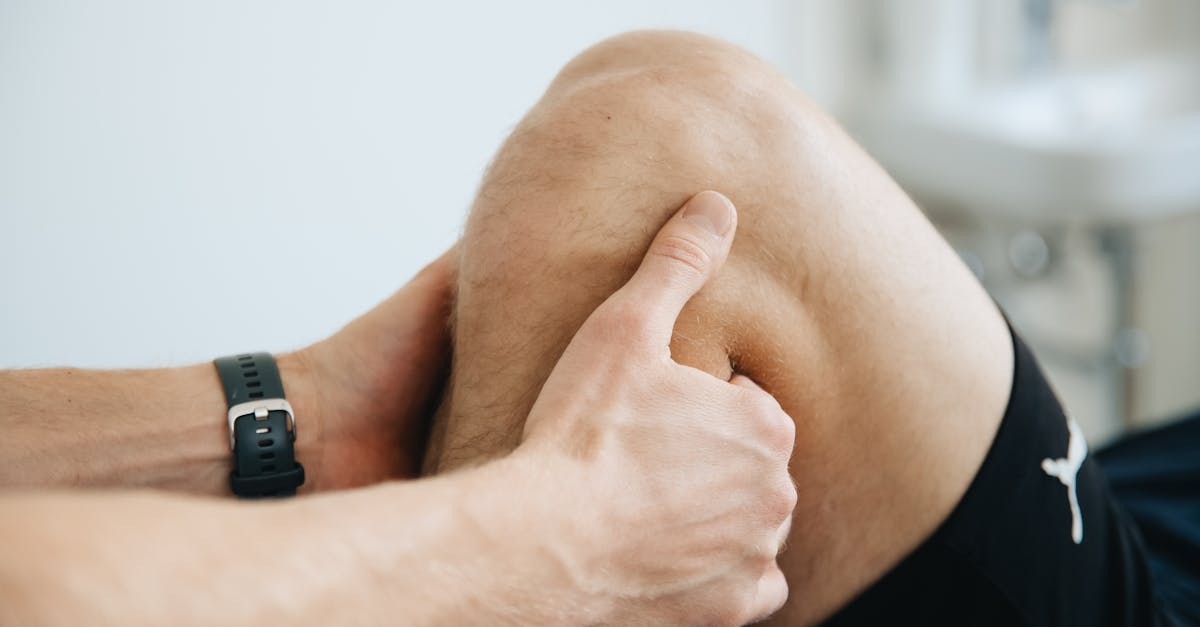
The Nufabrx Knee Sleeve is indicated for the temporary relief of minor aches and pains of the knee joint associated with simple backache, arthritis, strains, bruises, and sprains. The recommended usage involves sliding the sleeve directly over the affected knee, ensuring the active fabric is in direct contact with the target area. The sleeve is designed for continuous daily wear, providing a steady release of the active ingredient.
Users must wash their hands thoroughly with soap and water immediately after handling, applying, or adjusting the sleeve. The active ingredient can easily transfer from the hands to sensitive mucous membranes, causing severe irritation. The sleeve should not be worn tightly under restrictive clothing that causes excessive friction, as this can severely exacerbate skin irritation.
4. In-Depth Side Effects Analysis of Topical Capsaicin
The pharmacological side effects of this wearable device are almost entirely restricted to the localized dermal tissues directly in contact with the active fabric.
| Side Effect Category | Specific Symptoms |
|---|---|
| Dermatological | Erythema, pruritus, localized blistering, contact dermatitis |
| Sensory | Intense burning sensation, stinging, hyperalgesia |
| Respiratory (Accidental) | Coughing or sneezing if active dust is inhaled |
| Ocular (Transfer) | Severe tearing, burning, and redness if touching eyes |
Common Side Effects
A significant warming or mild burning sensation at the application site is expected and indicates that the medication is actively engaging the local pain receptors. This sensation is often accompanied by temporary erythema, or reddening of the skin, directly under the sleeve. These reactions typically peak within the first few days of use and gradually diminish as the nerve endings become desensitized.
Serious Side Effects You Should Report
If the burning sensation transforms into severe, unendurable pain, or if the skin begins to form deep blisters and painful ulcerations, the user must remove the sleeve immediately and seek clinical evaluation. Severe swelling of the knee that extends beyond the borders of the sleeve could indicate a serious allergic response requiring medical intervention.
Rare Side Effects
In rare instances, prolonged exposure to topical capsaicin can trigger severe allergic contact dermatitis, characterized by a persistent, weeping rash that spreads beyond the initial application site. Another rare complication is the development of paradoxical hyperalgesia, where the skin becomes intensely sensitive to even the lightest touch instead of becoming numb to pain.
Side Effects That Usually Do Not Require Medical Attention
Mild itching that resolves when the sleeve is temporarily removed and brief episodes of stinging when the skin is exposed to warm water are standard sensory responses to the active ingredient. These minor symptoms generally do not require the cessation of therapy or medical evaluation.
5. Overdose Symptoms and Remedial Management
An overdose of capsaicin from a topical sleeve is highly unlikely unless the user applies multiple active products to the same area or wears the sleeve over severely compromised skin. Symptoms of excessive localized capsaicin exposure include a severe, scalding pain sensation, profound localized redness, and the formation of chemical burns on the epidermis.
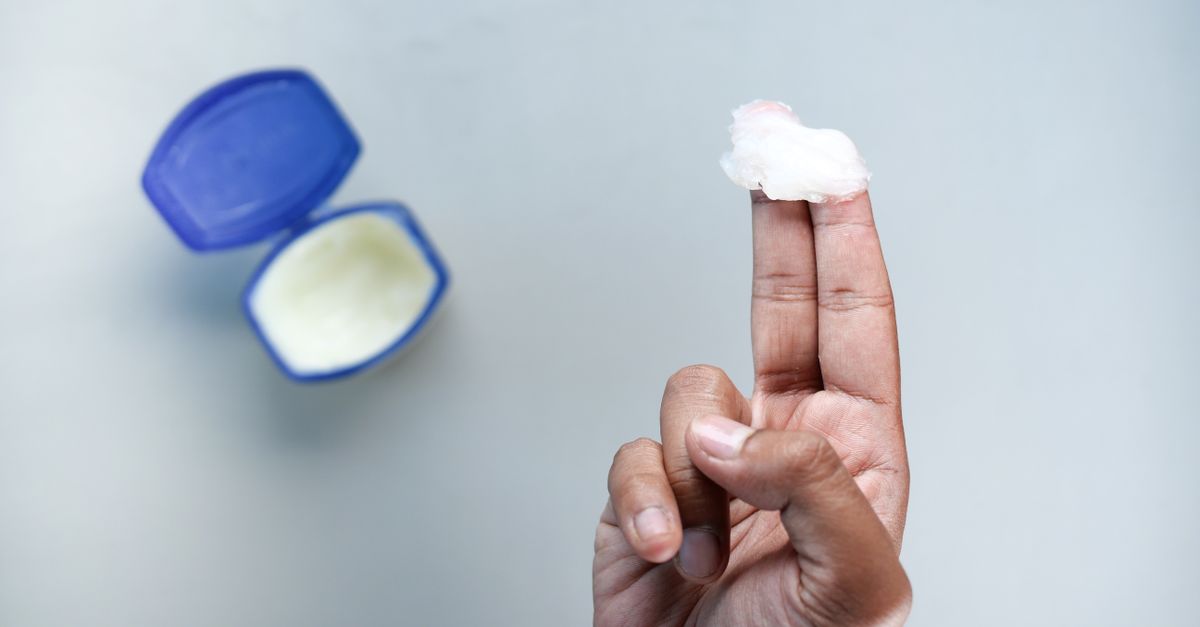
If severe pain or chemical burn symptoms occur, the user must immediately remove the sleeve. The affected skin should be washed gently with a specialized solvent like mineral oil or a high-fat milk product, as capsaicin is lipid-soluble and water alone will simply spread the chemical further. The user must then contact a physician for burn management protocols.
6. Misuse and Application Practices to Strictly Avoid
A critical practice to avoid is wearing the capsaicin sleeve in conjunction with an external heating pad, hot water bottle, or immediately before entering a hot tub. External heat massively accelerates the release of the active ingredient and drastically increases skin permeability, which can easily cause severe, second-degree chemical burns to the knee.
Users must also avoid vigorously scrubbing the knee immediately before applying the sleeve. Micro-abrasions caused by harsh exfoliation will significantly magnify the burning sensation upon application. Never attempt to cut or alter the sleeve, as this can release concentrated active ingredient dust that may irritate the respiratory tract.
7. Drug and Chemical Interactions with Topical Capsaicin
Because the systemic absorption of capsaicin from the compression sleeve is exceptionally low, interactions with oral medications are highly improbable. However, significant interactions occur with other topical agents. Applying diclofenac gel or other topical nonsteroidal anti-inflammatory drugs under the sleeve can alter the absorption kinetics of both medications and drastically increase local skin toxicity.
Co-administration with topical local anesthetics, such as lidocaine creams, is generally discouraged unless directed by a physician. The anesthetic may mask the burning sensation of the capsaicin, preventing the user from noticing a severe skin reaction or chemical burn developing beneath the fabric.
8. Precautions, Safety, and Duration of Action
The desensitization process required for optimal pain relief may take several days to a few weeks of consistent wear. Users must be patient and maintain consistent application to achieve the full depletion of Substance P from the localized nerve endings. If the pain persists or worsens after a full week of continuous use, clinical evaluation is warranted.
Athletes should use the sleeve with caution during intense cardiovascular exercise. Heavy sweating can mobilize the capsaicin from the fabric, potentially causing it to run down the leg or accumulate in high-friction areas, leading to severe, localized chemical irritation.
9. Sleeve Removal, Care, and Proper Disposal
When not in use, the sleeve should be removed carefully to avoid snapping the fabric and dispersing active ingredient particles into the air. The garment must be washed according to the exact manufacturer specifications. Using harsh detergents or extremely hot water during the wash cycle can rapidly strip the active ingredient from the fabric, rendering the medication ineffective.
Once the sleeve has reached the end of its designated lifespan or the active ingredient is depleted, it should be disposed of in a standard household waste receptacle. Ensure it is placed in a location where children or pets cannot retrieve and chew on the fabric.
10. When to Seek Medical Attention
Immediate medical evaluation is necessary if the user accidentally touches their eyes after handling the sleeve and cannot flush the capsaicin out, resulting in severe ocular pain or vision changes.
If the skin underneath the sleeve develops deep, fluid-filled blisters, severe peeling, or signs of a secondary bacterial infection such as increased warmth and purulent discharge, the user must seek prompt clinical care to treat the dermal injury.
Frequently Asked Questions
1. How long does it take for the burning sensation to go away?
The initial burning or warming sensation typically subsides after a few days of consistent wear as your nerve endings adapt to the active ingredient.
2. Can I wear this sleeve while taking a shower?
No, you must remove the sleeve before showering. Exposing the treated skin to hot water immediately after removing the sleeve may cause an intense stinging sensation.
3. Is it safe to wear the sleeve while I sleep?
Yes, the sleeve is designed for extended wear, but you should monitor your skin initially to ensure you do not develop severe irritation overnight.
4. Can I use a topical muscle rub along with the sleeve?
No, you must never apply other topical creams, ointments, or muscle rubs under the sleeve, as this can cause severe skin damage.
5. What should I do if the sleeve makes my skin turn bright red?
Mild redness is a normal reaction to increased blood flow caused by capsaicin, but if it becomes painful or starts to blister, remove the sleeve immediately.
6. How many times can I wash the sleeve before it stops working?
You must refer to the manufacturer’s specific guidelines, as the active ingredient is designed to withstand a specific number of wash cycles before becoming depleted.
7. Why did my hands start burning after I put the sleeve on?
Capsaicin easily transfers to your hands during application; you must thoroughly wash your hands with soap immediately after adjusting the sleeve.
Bibliography
Disclaimer: The content is for informational purposes only and does not replace medical advice. Always consult your doctor or pharmacist for personalized treatment.