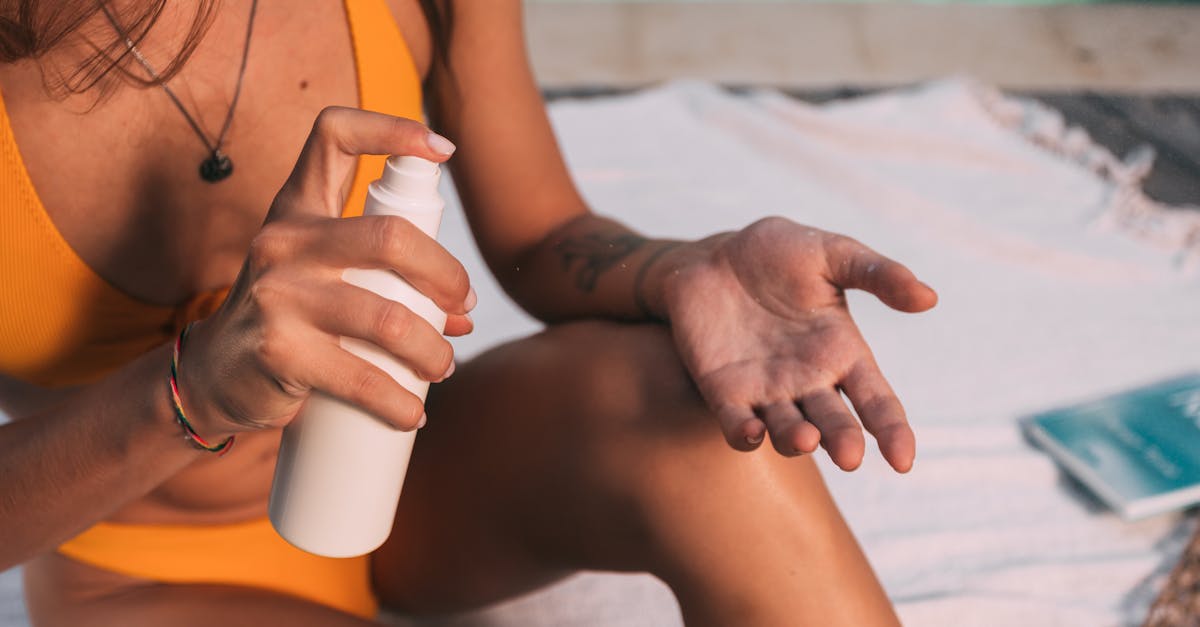
Oh My Bod SPF50 Antioxidant Infused Dry Touch Sunscreen is a broad-spectrum chemical photoprotectant engineered with specific silica or powder bases to provide a matte, non-greasy finish. The most frequent side effects involve irritant contact dermatitis and localized skin dryness, often exacerbated by the chemical ultraviolet absorbers acting upon a dehydrated epidermal barrier.
1. Mechanism of Action of Oh My Bod SPF50 Antioxidant Infused Dry Touch Sunscreen
The protective efficacy of this formulation relies on a robust blend of four organic chemical filters. Avobenzone is a critical component that specifically absorbs long-wave ultraviolet A radiation, which penetrates deep into the dermis. Because avobenzone degrades upon light exposure, octocrylene is incorporated to structurally stabilize it, while concurrently absorbing ultraviolet B radiation.
Homosalate and octisalate are salicylate-based compounds that efficiently absorb high-energy ultraviolet B photons. Collectively, these molecules capture incident solar radiation and convert the destructive photon energy into harmless, low-level thermal heat that dissipates into the environment. The “dry touch” mechanism utilizes specific volatile solvents and oil-absorbing powders, such as silica, which evaporate rapidly or absorb excess sebum, leaving the skin surface feeling matte and dry rather than slick.
2. Warnings and Prerequisites Before Using Avobenzone, Homosalate, Octocrylene, and Octisalate
Patients must rule out prior hypersensitivity to salicylate derivatives or cinnamate-related compounds before utilizing this product. Avobenzone and octocrylene possess a well-documented potential to induce allergic contact dermatitis. A forty-eight-hour patch test on the inner arm is strongly recommended for individuals with a history of reactive skin or severe cosmetic allergies.
Application is strictly contraindicated on compromised epidermal barriers. The product must not be applied to actively bleeding lacerations, severe thermal burns, or weeping eczematous lesions. Applying chemical ultraviolet filters to deeply compromised tissue can cause severe localized stinging, delayed wound healing, and unintended systemic absorption.
3. Indications and Dosage Guide for Oh My Bod SPF50 Antioxidant Infused Dry Touch Sunscreen
This dry touch formulation is clinically indicated for the prevention of acute solar erythema, premature photoaging, and the long-term reduction of cutaneous malignancies. It is specifically formulated for application on the broader body surfaces during recreational outdoor activities where a greasy or slippery residue would be physically obstructive or cosmetically undesirable.
Proper dosing dictates the application of a liberal, even layer over all exposed skin surfaces exactly fifteen to twenty minutes prior to outdoor exposure. This crucial waiting period allows the organic molecules to bind with the stratum corneum for uniform absorption. An adequate amount for an adult body is roughly thirty milliliters. Strict reapplication is mandatory every two hours.
4. In-Depth Side Effects Analysis of Oh My Bod SPF50 Antioxidant Infused Dry Touch Sunscreen
The reliance on organic chemical filters combined with volatile solvents to achieve a matte finish introduces a specific profile of cutaneous side effects.
Common Side Effects
Patients frequently observe transient stinging immediately following application, especially if the skin is naturally dry or recently shaved. The dry touch formulation actively absorbs oils, which frequently exacerbates pre-existing xerosis, leaving the skin feeling tight or flaky. A subtle warming sensation is standard as the chemical filters process ultraviolet energy into heat.
Serious Side Effects You Should Report
A severe hypersensitivity response mandates the immediate cessation of the product. Symptoms indicating a significant allergic reaction include expanding erythema, severe pruritus, localized edema, and the eruption of fluid-filled vesicles. This presentation indicates acute allergic contact dermatitis requiring clinical medical intervention.
Rare Side Effects
Avobenzone and octocrylene have a rare potential to induce photoallergic dermatitis. In this rare phenomenon, ultraviolet light alters the chemical structure of the filter on the skin, turning it into a true allergen and causing a severe rash strictly in sun-exposed areas.
Side Effects That Usually Do Not Require Medical Attention
Minor white flaking of the product on the skin surface can occur if the dry touch powder base accumulates or is rubbed aggressively. Patients may also experience temporary yellow staining on light-colored clothing upon contact with the chemical filters.
| Side Effect Category | Specific Symptoms |
|---|---|
| Common | Transient stinging, skin tightness, flaking, minor skin warming |
| Serious | Severe pruritus, localized edema, vesicular rash |
| Rare | Photoallergic dermatitis |
| Requires no medical attention | Minor product pilling, temporary fabric staining |
5. Overdose Symptoms and Emergency Management
Topical over-application of this chemical sunscreen does not result in systemic pharmacological toxicity. Applying excess product yields a heavy, uncomfortable layer that may “pill” or roll off the skin in small flakes due to the high concentration of mattifying powders. Removing the excess with a standard body wash easily resolves the issue.
Ingestion of the lotion poses a mild to moderate toxicity risk. Swallowing a small amount may induce gastrointestinal discomfort, mild nausea, or loose stools due to the chemical components and specific solvents used. Patients should drink water to dilute the substance. If a significant volume is ingested, particularly by a child, seek guidance from a poison control center immediately.
6. Missed Dose Protocol and What to Avoid
A missed application results in a complete lack of photoprotection. Incident ultraviolet radiation immediately begins inducing cellular DNA mutations and generating reactive oxygen species. If the user forgets to apply the product, they must do so immediately upon realization and seek physical shade to minimize cumulative harm.
Users must avoid applying this sunscreen near the eyes. The chemical filters are highly irritating to the conjunctiva and will cause severe stinging and excessive lacrimation. Furthermore, patients must avoid using this specific dry touch product on extremely dry or compromised areas of the body, such as active eczema patches, as the mattifying agents will cause severe discomfort.
7. Drug and Alcohol Interactions with Oh My Bod SPF50 Antioxidant Infused Dry Touch Sunscreen
Systemic interactions are exceptionally unlikely. The dermal absorption of these active ingredients is minimal under standard use, meaning there are no documented interactions with oral medications, systemic therapies, or the consumption of alcohol. Patients can maintain their normal systemic regimens safely.
Topical interactions are the primary clinical focus. Using harsh topical medications or exfoliants severely compromises the skin barrier. Applying a chemical filter over a chemically exfoliated barrier will drastically increase the stinging sensation. Furthermore, if a patient applies heavy body oils concurrently, it will entirely destroy the intended matte, dry touch finish of the sunscreen.
8. Precautions, Safety, and Duration of Action
The duration of action is finite. Chemical filters degrade under continuous ultraviolet bombardment, and the protective layer is easily disturbed by mechanical friction, towel drying, and sweat. Therefore, the protective window strictly closes after two hours, making vigilant reapplication absolutely necessary for sustained defense.
While regulatory agencies consider the active ingredients safe at permitted concentrations, pregnant individuals who prefer to exercise extreme caution regarding chemical filters may opt for purely physical sunscreens. The dry touch formulation is highly flammable while wet due to the volatile solvents used; patients must avoid open flames or smoking until the product has completely dried on the skin.
9. How to Stop Taking Oh My Bod SPF50 Antioxidant Infused Dry Touch Sunscreen and Storage/Disposal
Patients may stop using this product without any tapering protocol. To prevent adverse dermal effects and severe dryness, thorough evening removal is mandatory. A routine using a hydrating body wash or oil-based cleanser is highly recommended to properly dissolve the chemical filters and wash away the oil-absorbing powders.
The product must be stored at a stable room temperature. Prolonged exposure to extreme heat will cause the emulsion to separate and degrade the chemical filters, entirely compromising the sun protection factor. Dispose of the container in accordance with local guidelines for non-prescription cosmetic products.
10. When to See a Doctor
Seek medical evaluation if application results in an aggressive, weeping rash, severe facial swelling, or intractable eye pain following accidental ocular exposure. These acute reactions may require prescription topical corticosteroids to suppress the localized immune response.
Regardless of diligent sunscreen use, routine dermatological examinations are critical. Patients must consult a physician promptly if they identify any new skin lesions or notice changes in the asymmetry, borders, color, or diameter of pre-existing pigmented moles to rule out pathological conditions.
Frequently Asked Questions (FAQ)
1. Why does my skin feel dry after using this product?
Dry touch sunscreens use specific powders and fast-drying solvents to absorb oil and leave a matte finish. This naturally draws moisture away from the skin surface, which can exacerbate dryness. Applying a moisturizer underneath, such as aloe vera gel, can help.
2. Does this product protect against both UVA and UVB rays?
Yes. Avobenzone primarily absorbs the deep-penetrating UVA rays responsible for aging, while homosalate, octocrylene, and octisalate absorb the high-energy UVB rays that cause acute sunburns.
3. Why do I have to wait twenty minutes before going outside?
The organic chemical filters require this time to distribute evenly and bind with the uppermost layer of your skin to provide uniform ultraviolet absorption.
4. Can I use this product immediately after shaving my legs?
It is not recommended. Shaving causes micro-abrasions that compromise the skin barrier. Applying chemical filters and fast-drying solvents immediately afterward will likely result in intense, uncomfortable stinging.
5. Is this sunscreen water-resistant?
You must verify this on the specific packaging. If it does not explicitly state water resistance, you must reapply immediately after swimming or heavy diaphoresis.
6. Why does the sunscreen pill or roll off my skin?
If you rub the product too aggressively after it has started to dry, the oil-absorbing powders can clump together and roll off the skin. Apply it evenly and let it set undisturbed.
7. Why does my skin feel warm after applying this in the sun?
Chemical filters chemically absorb UV rays and dissipate them as thermal energy. This continuous process can cause a subtle, harmless warming sensation on the skin surface.
Bibliography
Disclaimer: The content is for informational purposes only and does not replace medical advice. Always consult your doctor or pharmacist for personalized treatment.