1. Introduction & Mechanism of Action of Principal Secret Reclaim Sunscreen For Face And Body Spf 30
Principal Secret Reclaim Sunscreen For Face And Body Spf 30 is a highly complex, hybrid dermatological formulation combining organic chemical filters and inorganic minerals to deliver robust photoprotection. The most notable side effect involves acute allergic photocontact dermatitis, specifically linked to the highly sensitizing nature of oxybenzone. This formulation operates through a dual mechanism, actively neutralizing radiation while simultaneously reflecting it away from the epidermal tissue.
The inorganic component, zinc oxide, rests entirely on the superficial surface of the stratum corneum. It functions as a dense matrix of microscopic physical mirrors. When highly destructive ultraviolet photons strike the treated epidermis, the zinc oxide particles physically reflect and scatter the high energy radiation away from the underlying cellular tissues.
Simultaneously, the organic chemical filters, including meradimate, octinoxate, and oxybenzone, actively penetrate the superficial layers of the epidermis. These molecules possess specific conjugated double bonds engineered to absorb highly energetic ultraviolet radiation. Upon exposure, these molecules instantly absorb the high energy radiation directly into their chemical bonds, undergoing a rapid structural isomerization. This physical shift effectively converts the destructive radiation into a microscopic release of thermal energy, providing a comprehensive secondary layer of absolute photoprotection.
2. Warnings & Before Taking Principal Secret Reclaim Sunscreen For Face And Body Spf 30
Application of this potent dual formulation over severely compromised, actively weeping, or deeply lacerated skin barriers is strictly contraindicated. Applying a heavy organic and mineral suspension directly to damaged dermal tissue introduces harsh compounds deeply into the systemic circulation, causing immense localized inflammation and completely halting normal tissue healing.
Patients with a documented history of severe allergic reactions to any organic chemical ultraviolet filters must avoid this formulation entirely. Oxybenzone is a well documented, potent contact allergen. Highly sensitized individuals can immediately experience massive, rapidly spreading urticaria and severe facial edema if exposed to this specific compound.
Ocular exposure represents an extremely significant clinical danger. Organic chemical filters are profound mucosal irritants, and dense zinc oxide acts as a mechanical abrasive. Accidental exposure to the delicate conjunctiva causes instant stinging, massive visual tearing, and intense localized ocular inflammation. Extreme anatomical care must be exercised when applying the lotion to the orbital regions.
3. Indications & Dosage Guide for Principal Secret Reclaim Sunscreen For Face And Body Spf 30
This highly specialized hybrid sunscreen is clinically indicated exclusively for the immediate prevention of acute sunburns and for decreasing the overall long term risk of early skin aging when utilized concurrently with comprehensive physical sun protection measures.
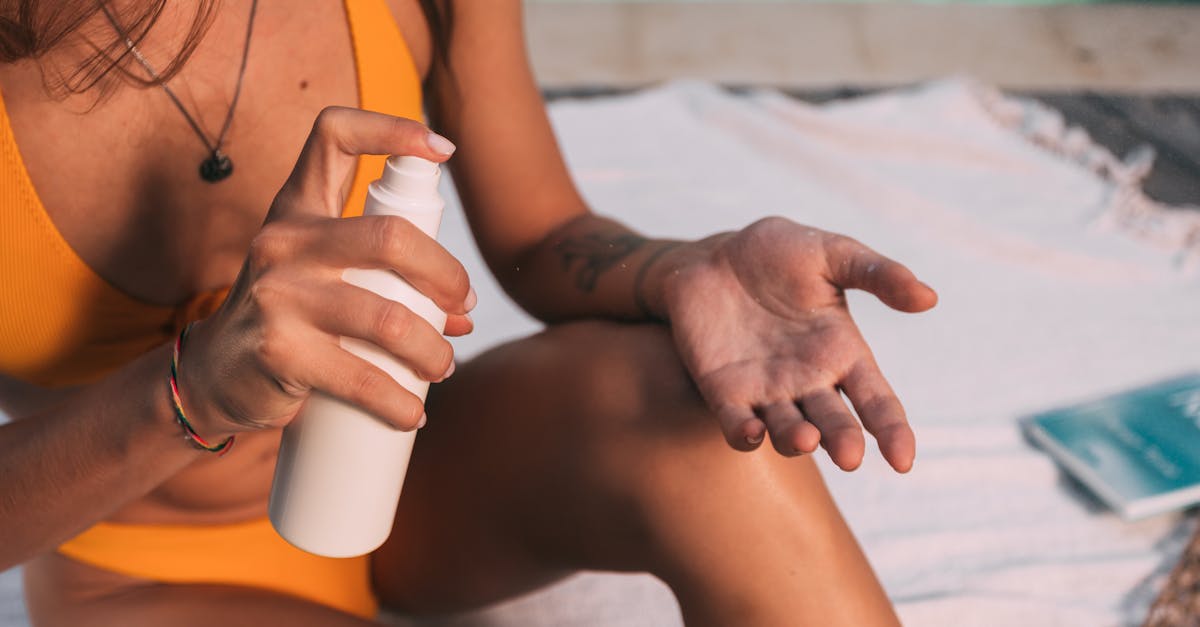
To completely achieve the advertised sun protection factor, the dense fluid must be applied generously and evenly to all exposed facial and body skin fifteen to twenty minutes prior to any direct environmental sun exposure. This critical waiting period is necessary for the chemical filters to securely bind to the highly lipid rich stratum corneum while the physical minerals settle into a uniform grid.
Reapplication is the absolute most critical clinical factor in successful long term photoprotection. Organic chemical filters naturally degrade and break down as they absorb radiation, and physical minerals are easily wiped away by friction. Patients must rigorously reapply the product exactly every two hours during continuous outdoor exposure.
4. In-Depth Side Effects Analysis of Principal Secret Reclaim Sunscreen For Face And Body Spf 30
Systemic internal adverse events are exceedingly rare with proper use, but localized dermal reactions are common due to the volatile nature of organic chemical absorbers and the high allergenic potential of oxybenzone.
4.1 Common Side Effects
Most patients experience minor sensory or superficial epidermal alterations related directly to the chemical properties of the hybrid cream.
– Mild localized stinging upon immediate application
– Sensation of physical warmth spreading across the treated area
– Minor exacerbation of localized facial erythema
– Noticeable white cast or highly chalky residue on darker skin tones
4.2 Serious Side Effects You Should Report
If the delicate skin barrier responds with an aggressive inflammatory cascade, severe localized reactions require immediate clinical evaluation.
– Severe, painful burning that escalates drastically upon sun exposure
– Painful, weeping epidermal blisters indicating severe photocontact dermatitis
– Intense, unyielding pruritus across the entire application site
– Massive exacerbation of cystic acneiform eruptions
4.3 Rare Side Effects
In exceptionally rare cases, highly sensitized individuals may develop a generalized allergic response to the oxybenzone or octinoxate compounds, presenting as massive, widespread hives and dangerous swelling. Deep chemical burns can rarely occur if the product is applied aggressively over already severely sunburned, raw skin.
4.4 Side Effects That Usually Do Not Require Medical Attention
A slightly glossy or cosmectically altered finish on the skin surface is a standard, expected result of the specific moisturizing agents necessary to keep the ultraviolet filters stabilized and does not warrant any clinical alarm.
| Side Effect Category | Specific Symptoms |
|---|---|
| Dermatological Mild | Mild stinging, localized heavy warmth, white cast |
| Allergic Severe | Photocontact dermatitis, severe weeping blisters, hives |
| Ocular | Intense burning, massive tearing, severe corneal abrasion |
| Infectious | Severe exacerbation of facial acne, heavy follicular congestion |
5. Overdose Symptoms & Management for Principal Secret Reclaim Sunscreen For Face And Body Spf 30
A classic pharmacological overdose leading to severe systemic toxicity is physiologically unlikely via the routine topical application of these specific chemical and mineral filters. While minute trace amounts of oxybenzone and octinoxate can eventually enter the bloodstream, they do not accumulate to highly toxic systemic levels under normal clinical usage.
However, accidental oral ingestion, typically involving a highly vulnerable pediatric patient, presents a dangerous clinical scenario. Ingestion of the highly dense chemical cream causes significant gastrointestinal distress. The active organic compounds and massive zinc minerals act as heavy gastric irritants, triggering acute nausea, intractable vomiting, and moderate upper abdominal cramping.
Emergency management for accidental ingestion involves aggressive oral hydration and supportive care. Do not under any circumstances induce vomiting, as the risk of accidentally aspirating the volatile chemical cream directly into the pulmonary tract is highly dangerous and rapidly causes catastrophic chemical pneumonitis. Contacting poison control immediately is advised.
6. Missed Dose & What to Avoid with Principal Secret Reclaim Sunscreen For Face And Body Spf 30
This specialized hybrid sunscreen is utilized strictly as a preventative measure exclusively prior to environmental radiation exposure. Missing an application is a severe lapse in vital photoprotection. If an application is severely missed while standing in direct sunlight, the patient must seek dense shade immediately and apply the heavy product generously, waiting twenty minutes before returning to the sun.
Patients must strictly avoid relying solely on cosmetic chemical sunscreen for absolute ultraviolet protection. Extended, deliberate sunbathing heavily overwhelms any organic chemical barrier created by modern science. Protective clothing, broad brimmed physical hats, and protective ultraviolet blocking sunglasses are mandatory adjuncts for complete dermatological safety.
Avoid applying highly aggressive skincare ingredients, such as potent chemical exfoliants or prescription acne gels, immediately prior to applying this heavy hybrid sunscreen. These harsh agents compromise the delicate epidermal barrier, vastly increasing the likelihood that the organic chemical filters will cause intense localized stinging. For detailed information on systemic phototoxic medications, review our clinical guide on azelaic acid side effects.
7. Drug & Alcohol Interactions Involving Principal Secret Reclaim Sunscreen For Face And Body Spf 30
Systemic internal drug interactions are largely and functionally non-existent. While trace microscopic amounts of organic filters can absorb transdermally, they strictly do not interfere with hepatic cytochrome pathways and therefore cannot alter the metabolism, clearance, or half life of oral prescription medications.
Topical pharmacological interactions strictly demand absolute attention. Applying this heavy chemical product directly over highly active topical medications, such as concentrated corticosteroid creams, can severely alter the absorption kinetics of the underlying medication. Patients must allow all prescription topicals to absorb fully and dry completely for at least twenty minutes before layering the chemical cosmetic heavily over them.
Systemic heavy alcohol consumption has absolutely no pharmacological interaction with the topical application of hybrid sunscreen. The highly volatile chemical absorption of highly destructive ultraviolet light remains heavily effective regardless of the patient systemic blood alcohol concentration.
8. Precautions, Safety & Duration of Action for Principal Secret Reclaim Sunscreen For Face And Body Spf 30
The photoprotective action is absolutely not immediate under any circumstances. The organic chemical sunscreens require exactly fifteen to twenty minutes to chemically bind with the superficial stratum corneum and become biologically active. The duration of absolute protection lasts roughly exactly two hours of continuous sun exposure, as the chemical molecules slowly degrade and break down as they absorb intense radiation.
In vulnerable pediatric populations, specifically infants under six months of age, organic chemical sunscreens are absolutely not recommended. Because infants possess highly permeable, underdeveloped skin barriers, the rapid transdermal absorption of heavy chemical filters poses a theoretical systemic risk. Untinted physical mineral sunscreens are the preferred, mandated clinical alternative for this vulnerable demographic.
For pregnant and nursing patients, the use of hybrid chemical sunscreens is debated in cautious clinical circles due to minimal systemic absorption of filters like oxybenzone, which has raised theoretical concerns regarding endocrine disruption. Patients concerned about these theoretical risks should directly consult their specialized obstetrician for personalized photoprotection recommendations.
9. How to Stop Taking Principal Secret Reclaim Sunscreen For Face And Body Spf 30 & Storage Guidelines
Discontinuing the routine, daily use of this chemical sunscreen carries completely no physiological withdrawal syndrome. However, halting the daily use of broad spectrum photoprotection directly and immediately exposes the epidermis to catastrophic, cumulative ultraviolet damage, vastly accelerating rapid collagen destruction, severe hyperpigmentation, and the highly dangerous genesis of lethal cutaneous malignancies.
The heavy cosmetic fluid must be stored securely at standard room temperature. It must be strictly protected from extreme heat, such as being left heavily in a locked, highly heated vehicle. Excessive environmental heat permanently and violently degrades the organic molecules and separates the zinc oxide emulsion, causing them to rapidly break down, rendering the product completely ineffective.
Proper disposal strictly requires safely discarding the container directly in standard household waste. Patients must carefully ensure the cap is securely fastened highly tightly to prevent the volatile chemical solvents and heavy minerals from leaking into the environment.
10. When to See a Doctor Regarding Principal Secret Reclaim Sunscreen For Face And Body Spf 30
Immediate clinical evaluation is absolutely required if the patient accidentally rubs the heavy chemical medication deeply into their eyes and aggressive, continuous flushing with copious amounts of cool water strictly fails to completely resolve the intense burning, severe redness, and extreme visual tearing within one hour, indicating a severe chemical injury to the delicate cornea.
Patients must contact a highly specialized clinical dermatologist urgently if they develop a weeping blistering rash, rapidly spreading hives, or intense facial swelling immediately after applying the product and stepping into the harsh sun. This presentation strictly defines a severe, highly dangerous allergic photocontact dermatitis response requiring immediate prescription topical corticosteroid therapy.
A medical evaluation is also strictly necessary if the patient discovers a new, rapidly changing, asymmetrical, or oddly pigmented mole on their skin despite heavily routine, strict daily sunscreen use. Sunscreens are strictly not absolute, impenetrable shields; any highly suspicious cutaneous lesion demands an immediate diagnostic surgical biopsy to rule out highly aggressive melanoma.
Frequently Asked Questions (FAQ)
1. Why must I wait twenty minutes before going out into the hot sun?
The active chemical ingredients require specific time to deeply absorb into the topmost layer of your skin and chemically stabilize. If you step into intense sunlight immediately after applying it, you possess zero actual protection from the chemical filters and will suffer a severe sunburn.
2. Does this hybrid sunscreen leave a chalky white cast on dark skin?
Because this formulation features zinc oxide, a dense physical mineral, it naturally leaves a visible white cast, especially on significantly darker skin tones. The mineral reflection is physically unavoidable with this ingredient.
3. Why does this product cause a severe stinging sensation near my eyes?
Organic chemical filters, particularly oxybenzone, are severe chemical irritants to delicate mucosal tissue, and zinc oxide acts as a harsh physical abrasive. If the cream migrates via sweat into your eyes, it will cause intense burning. You must apply it carefully, avoiding the immediate orbital area.
4. Is it safe to reapply this directly over my powder makeup during the day?
While it is technically safe, applying a dense chemical cream directly over heavy setting powder severely degrades the sunscreen ability to firmly bind to your natural skin barrier, drastically lowering the actual sun protection factor you receive.
5. Will these chemical filters cause severe cystic acne on my face?
Chemical sunscreens can occasionally trap intense heat in the skin, while physical minerals actively block pores. This combination triggers breakouts in highly acne prone individuals. Thoroughly double cleansing your face every single night prevents the severe buildup of these harsh chemical filters deep in your pores.
6. Why does my skin feel incredibly hot after standing in the sun with this product on?
The exact chemical mechanism of the organic filters involves absorbing destructive ultraviolet radiation and actively converting it into physical heat. This microscopic heat release on the surface of your skin can sometimes be felt as a localized, spreading warmth.
7. Can I use this product if it has been sitting in my hot car all summer?
Absolutely not. Extreme environmental heat rapidly and completely destroys the highly volatile chemical bonds in oxybenzone and octinoxate and separates the physical mineral emulsion. If the bottle has been baked in a hot car, the medication is entirely chemically useless and will provide zero protection against severe sunburn.
Bibliography
Disclaimer: The content is for informational purposes only and does not replace medical advice. Always consult your doctor or pharmacist for personalized treatment.