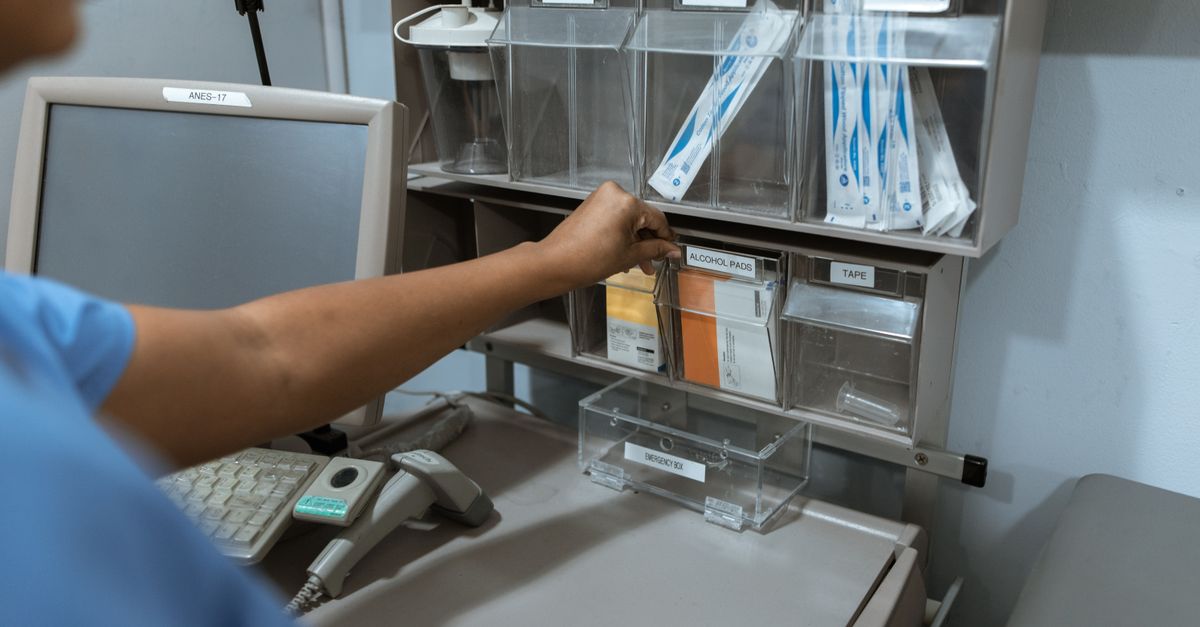
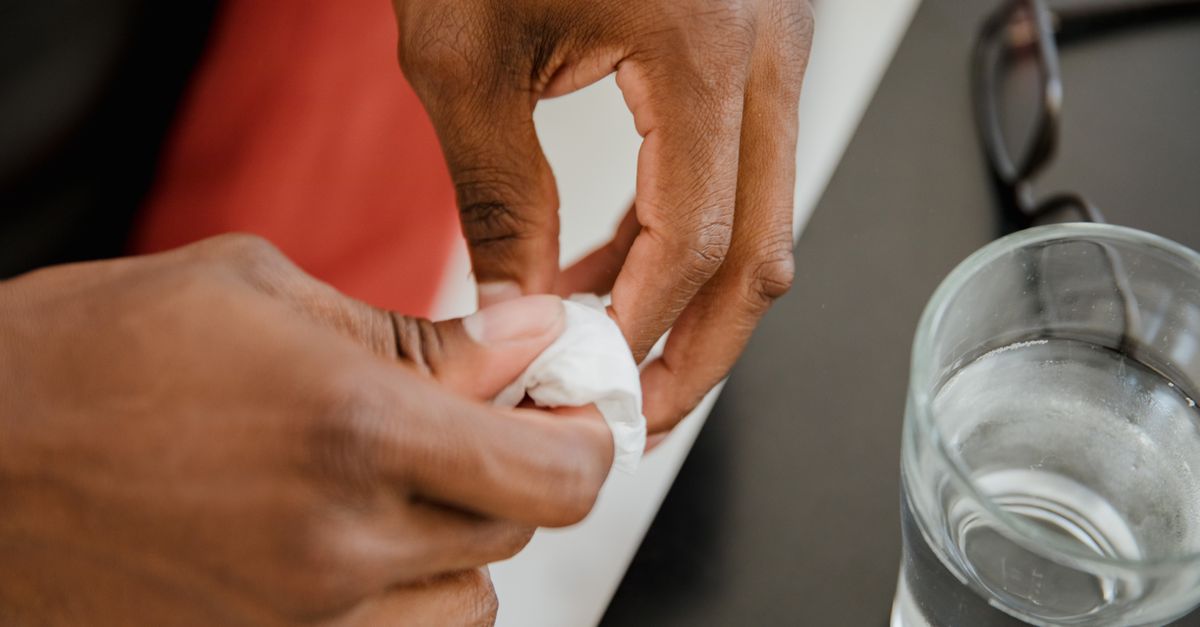
Thesis Pharmacy Alcohol Prep Pad is a topical antiseptic wipe containing isopropyl alcohol, primarily utilized to disinfect the epidermis prior to venipuncture or minor surgical procedures. The most notable side effect is localized skin dryness and epidermal irritation, which can progress to contact dermatitis with prolonged or excessively frequent application.
1. Introduction And Mechanism Of Action For Thesis Pharmacy Alcohol Prep Pad
Isopropyl alcohol serves as a highly effective, rapid-acting bactericidal agent. It functions chemically by penetrating the cell walls of microorganisms and denaturing their vital intracellular proteins and enzymes.
This denaturing process requires the presence of water to be optimally effective, which is why clinical prep pads are typically saturated with a seventy percent aqueous solution rather than absolute alcohol. The water acts as a catalyst, delaying evaporation just enough to allow the alcohol to thoroughly penetrate the bacterial lipid bilayer.
Upon application to the human epidermis, the solution rapidly eradicates transient surface pathogens. Following its antimicrobial action, the highly volatile liquid evaporates entirely, leaving no active chemical residue on the treated area.
2. Critical Warnings Before Using Thesis Pharmacy Alcohol Prep Pad
This product is strictly designated for external use on fully intact, unbroken skin. Applying isopropyl alcohol to deep lacerations, open surgical wounds, or severe thermal burns is strictly contraindicated. The chemical acts as a profound cytotoxic agent to exposed subcutaneous tissues, resulting in severe pain, tissue necrosis, and a significant delay in the natural wound healing cascade.
Patients must exercise extreme caution to prevent the solution from coming into contact with mucous membranes, particularly the eyes and nasal passages. Ocular exposure causes immediate, severe chemical conjunctivitis and can result in transient or permanent corneal damage depending on the volume of exposure.
Furthermore, isopropyl alcohol is highly flammable. The prep pad and the saturated skin must never be exposed to open flames, electrocautery devices, or high-heat medical lasers until the solution has completely evaporated and the area is entirely dry.
3. Indications And Standard Usage Guide For Thesis Pharmacy Alcohol Prep Pad
Clinicians and patients routinely use these antiseptic pads to prepare the skin prior to the subcutaneous injection of medications, such as insulin or vaccines. They are also indicated for sterilizing the surface of medical devices, including stethoscopes and clinical thermometers.
To achieve maximum bactericidal efficacy, the user must vigorously rub the target area with the saturated pad for several seconds to mechanically lift away debris and oils.
Following the friction rub, the skin must be allowed to air dry completely before the needle is inserted. Piercing wet skin with a needle can introduce the alcohol directly into the subcutaneous tissue space, causing an intense, preventable burning sensation.
4. In-Depth Analysis Of Thesis Pharmacy Alcohol Prep Pad Side Effects
While universally recognized as safe for transient topical application, isopropyl alcohol strips the skin of its natural protective sebum. Adverse reactions are primarily localized and strongly correlated with the frequency of use.
Common Side Effects
The most universally reported reaction is immediate skin dryness. Routine application on the same anatomical site daily often leads to localized erythema, mild epidermal flaking, and a sensation of dermal tightness as the lipid barrier is repeatedly depleted.
Serious Side Effects You Should Report
Medical attention is warranted if the application site develops severe, weeping vesicles or intense pruritus, which are clinical indicators of allergic contact dermatitis. Any accidental exposure to the eyes resulting in persistent visual blurring or unyielding pain requires emergency ophthalmological assessment.
Rare Side Effects
In highly exceptional cases, applying large volumes of isopropyl alcohol to extensive areas of compromised skin can lead to systemic absorption. This is extraordinarily rare with small prep pads but can result in central nervous system depression if a massive volume enters the bloodstream.
Side Effects That Usually Do Not Require Medical Attention
A brief cooling sensation followed by mild, transient stinging upon application is an expected physiological response due to rapid evaporation and microscopic dermal fissures. This sensation resolves autonomously within seconds.
| Side Effect Category | Specific Symptoms |
|---|---|
| Dermatological | Erythema, severe dryness, skin flaking |
| Hypersensitivity | Contact dermatitis, vesicle formation, severe itching |
| Mucosal Accidental | Corneal irritation, severe ocular burning |
5. Recognizing And Managing Isopropyl Alcohol Overdose
Systemic overdose via the topical application of a single prep pad is physiologically impossible on intact adult skin. However, acute chemical toxicity occurs rapidly if the fluid is deliberately squeezed out and ingested, or if multiple pads are chewed by pediatric patients.
Ingestion of isopropyl alcohol causes severe gastric irritation, vomiting, profound hypotension, and central nervous system depression. The liver metabolizes isopropyl alcohol into acetone, leading to a dangerous state of ketosis without the presence of elevated blood glucose.
In the event of accidental ingestion, never induce vomiting, as this risks pulmonary aspiration of the volatile chemical. Emergency medical services must be contacted immediately, and the patient requires urgent transport to a clinical toxicology unit for supportive care.
6. Missed Dose And What To Avoid
Because this is a single-use sanitizing agent applied only when a clinical procedure is imminent, the concept of a missed dose is clinically irrelevant. The pad is used exactly at the time of required sterilization.
Users must avoid applying heavy occlusive ointments over an area immediately after wiping it with alcohol. Although the alcohol evaporates quickly, trapping any residual moisture under a thick barrier cream can cause localized dermal maceration and irritation.
7. What Drugs Interact With Thesis Pharmacy Alcohol Prep Pad?
As a strictly topical, rapidly evaporating agent, isopropyl alcohol exhibits no systemic pharmacological interactions with oral medications. Interactions are entirely confined to the localized dermal environment.
Applying this antiseptic immediately prior to using strong prescription topical treatments, such as highly concentrated retinoids or fluorouracil creams, will drastically compound the epidermal irritation. The alcohol strips away the protective lipid layer, inadvertently increasing the transdermal absorption and cytotoxicity of subsequent topical drugs.
8. Precautions, Safety, And Duration Of Action
The antimicrobial action of isopropyl alcohol is potent but exceptionally brief. Once the liquid evaporates from the skin surface, the bactericidal activity ceases completely. It does not provide the sustained residual protection characteristic of other antiseptics like chlorhexidine.
The pads must be stored in their original, hermetically sealed foil packets. Exposure to ambient air will cause rapid evaporation of the volatile active ingredient, rendering the dry fabric pad completely useless for antimicrobial defense. Keep the product securely away from high heat sources and pediatric patients.
9. How To Safely Stop Using Thesis Pharmacy Alcohol Prep Pad
Discontinuation of this product requires no medical tapering protocol. Upon cessation of routine use, any localized contact dermatitis or severe dryness typically resolves spontaneously within three to five days as the stratum corneum regenerates its natural lipid barrier.
Proper disposal is required. Used prep pads must be discarded in standard solid waste receptacles. They must never be flushed down municipal plumbing systems, as the synthetic fabric substrate is highly resistant to biodegradation and causes severe infrastructural blockages.
10. When To See A Doctor
Clinical evaluation is strongly advised if epidermal fissuring at your routine injection sites becomes deep enough to bleed. Deep cracks in the skin serve as open portals for opportunistic pathogens, potentially leading to secondary bacterial infections that require prescription antibiotic therapy.
Furthermore, schedule a consultation if a localized rash begins to spread significantly beyond the immediate area of application, which may indicate a broader hypersensitivity reaction requiring topical corticosteroids.
Frequently Asked Questions (FAQ)
1. How does isopropyl alcohol destroy bacteria on the skin?
It acts as a potent chemical solvent that rapidly penetrates bacterial cell walls, denaturing vital intracellular proteins and causing the immediate death of the microorganism.
2. Why do I feel a burning sensation if the needle goes in while the skin is still wet?
If the skin is wet, the needle mechanically pushes the raw alcohol directly into the subcutaneous tissue, which aggressively irritates the internal nerve endings and causes intense pain.
3. Can I use this pad to clean an open cut or scrape?
No. Isopropyl alcohol is highly cytotoxic to exposed underlying tissues. It will cause severe pain and significantly delay the natural wound healing process.
4. Why is the alcohol mixed with water instead of being one hundred percent pure?
Water acts as a crucial catalyst. It slows down the evaporation rate just enough to allow the alcohol to thoroughly penetrate the bacterial cell walls and denature their proteins.
5. Is it safe to use these pads to clean my face?
Applying this strong solvent to the delicate skin of the face will cause severe dryness and presents an unacceptable risk of accidental and painful exposure to the eyes.
6. What should I do if the liquid gets into my eye?
Immediately flush the affected eye with copious amounts of lukewarm tap water for at least fifteen minutes and seek emergency medical evaluation to prevent corneal damage.
7. How should I dispose of the used prep pads?
Always throw them in a standard trash receptacle. The synthetic fibers are not flushable and will rapidly destroy domestic plumbing systems.
Bibliography
Disclaimer: The content is for informational purposes only and does not replace medical advice. Always consult your doctor or pharmacist for personalized treatment.