The Op-First Aid Series Povidone Iodine Prep Pad serves as a potent topical antiseptic by deploying Povidone-Iodine to neutralize cutaneous pathogens. The most frequently observed side effects relate to local dermatological irritation, notably temporary epidermal discoloration, mild stinging, and a very rare risk of systemic iodine toxicity upon massive exposure.
1. Introduction & Mechanism of Action of Povidone-Iodine
Povidone-Iodine is a chemically stable complex that binds the active elemental iodine to a highly soluble polymer known as polyvinylpyrrolidone. This sophisticated pharmaceutical design acts as a sustained-release mechanism, allowing free iodine to be deposited onto the skin slowly. This significantly enhances the microbicidal duration while mitigating the caustic tissue damage historically associated with raw iodine solutions.
Upon contact with microbial cells, the liberated free iodine rapidly permeates the cell membrane and disrupts vital cellular mechanisms. By actively halogenating key structural proteins and cellular nucleotides, the iodine halts pathogen metabolism and induces rapid cell death. This agent is exceptionally broad-spectrum, demonstrating robust efficacy against gram-positive and gram-negative bacteria, fungi, and numerous viral strains.
2. Warnings & Before Applying the Op-First Aid Series Povidone Iodine Prep Pad
Patients possessing a documented hypersensitivity to topical iodine formulations must strictly avoid the use of this preparative pad. Individuals suffering from underlying thyroid disorders, such as Hashimoto’s thyroiditis or multinodular goiter, should exercise extreme caution, as systemic absorption of topical iodine can precipitate profound thyroid dysfunction.
Furthermore, this product is strictly contraindicated for routine application in premature neonates or infants under six months of age, whose highly permeable skin allows for rapid, toxic iodine absorption. Medical guidelines dictate that this product must never be applied to massive third-degree burns or excessively deep puncture wounds due to the severe risk of systemic metabolic derangement.
3. Indications & Dosage Guide for Povidone-Iodine Pads
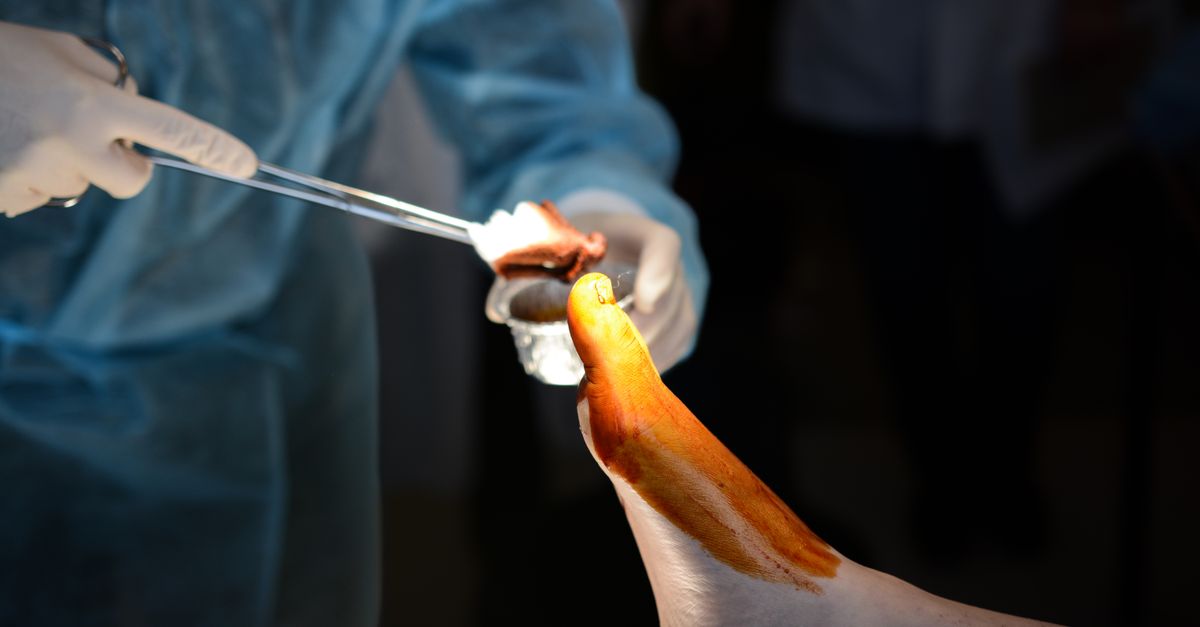
The primary clinical indication for this sterile prep pad is the rigorous disinfection of the epidermis prior to surgical interventions, venipuncture, and invasive catheter placement. Within standard first aid protocols, it is heavily indicated for the immediate cleansing of minor superficial abrasions and shallow lacerations to prevent opportunistic infection.
Proper dosage requires the clinician or patient to wipe the pad firmly across the target area in outward concentric circles to sweep away biological debris. Crucially, the characteristic brownish-yellow film must be allowed to completely air dry. The full bactericidal potential of the iodine is only realized once the fluid has fully evaporated, leaving a visibly protective antimicrobial shield.
4. In-Depth Side Effects Analysis of Povidone-Iodine
Although the povidone polymer formulation drastically reduces local tissue toxicity, adverse cutaneous events are still frequently documented, especially on highly sensitive or repeatedly exposed epidermal tissues.
Common Side Effects
The most universally expected side effect is a temporary brownish-yellow staining of the stratum corneum, which is a benign functional characteristic of the drug rather than a harmful reaction. Patients routinely report transient localized stinging or a brief sensation of thermal heat upon initial application to broken skin. Mild superficial desquamation and dryness are also common following fluid evaporation.
Serious Side Effects you should report
Acute allergic contact dermatitis represents a severe complication requiring immediate medical evaluation. Clinical signs include robust localized edema, the rapid eruption of weeping vesicular lesions, and intense, relentless pruritus. If massive quantities are inappropriately applied over extensive burn wounds, systemic iodine absorption can induce metabolic acidosis, severe hypernatremia, and acute renal failure.
Rare Side Effects
A rare complication of prolonged, repeated daily application is localized chemical tissue necrosis and delayed wound healing, as the iodine slowly becomes cytotoxic to the fibroblasts necessary for tissue regeneration. Anaphylactic shock characterized by sudden systemic hives, angioedema, and airway collapse is an exceptionally rare but documented idiosyncratic reaction to this agent.
Side effects that usually do not require medical attention
Slight flaking of the skin or minor redness at the immediate application site are generally benign physiological responses. The characteristic dermal staining naturally fades over several days as the superficial epidermal cells shed naturally, requiring absolutely no specific clinical treatment or harsh scrubbing.
| Side Effect Category | Specific Symptoms |
|---|---|
| Common Local Reactions | Transient stinging, temporary dermal staining, mild dryness |
| Systemic Toxicity | Thyroid dysfunction, renal impairment, metabolic acidosis |
| Severe Hypersensitivity | Vesicular eruptions, profound tissue edema, anaphylaxis |
5. Overdose Symptoms and Accidental Ingestion
Systemic overdose stemming from the proper topical application of a single prep pad on localized, intact skin is physiologically impossible. Genuine systemic toxicity occurs strictly via massive application to severely denuded tissue or through the accidental gastrointestinal ingestion of the chemical solution.
Ingestion of povidone-iodine produces severe acute gastroenteritis. Clinical manifestations include extreme abdominal pain, excessive vomiting, profuse diarrhea, and a distinct metallic taste in the mouth. Massive ingestion can result in acute renal failure and cardiovascular collapse. Emergency medical treatment is absolutely critical, and the patient must be transported to an emergency department immediately. Do not induce vomiting without medical guidance.
6. Missed Dose & What to Avoid While Using Iodine Prep Pads
Because this pharmacological agent is utilized entirely as a solitary preparative step before an invasive procedure, standard missed dose schedules do not apply. If the antiseptic step is accidentally omitted prior to breaking the skin barrier, the medical procedure must be halted immediately and the area properly disinfected.
Patients and clinicians must strictly avoid the concurrent application of povidone-iodine and hydrogen peroxide on the exact same wound bed. The complex chemical interaction between these two agents instantly neutralizes the antiseptic properties of both and can produce highly caustic localized tissue damage. Furthermore, applying iodine concurrently with silver-based wound dressings produces a highly toxic silver iodide precipitate.
7. Drug & Alcohol Interactions with Topical Povidone-Iodine
While restricted topical application yields negligible systemic absorption, extensive or prolonged use can provoke significant drug interactions. Systemic absorption of iodine can heavily interfere with the diagnostic accuracy of thyroid function tests and radioactive iodine uptake scans for up to two weeks post-application.
Patients currently undergoing psychiatric treatment with oral lithium must be heavily monitored if significant iodine absorption is suspected, as the combination exponentially increases the risk of severe drug-induced hypothyroidism. Routine systemic alcohol consumption presents no pharmacological interaction with the topical application of this iodine complex.
8. Precautions, Safety & Duration of Action for Surgical Antisepsis
The active duration of bactericidal action is powerfully sustained as long as the characteristic brownish-yellow film remains visually present on the cutaneous surface. Once this color has completely faded or is physically washed away by bodily fluids, the residual microbicidal protection ceases entirely.
Safety parameters demand intense caution during pregnancy and lactation. Significant topical application on a pregnant patient can lead to substantial transplacental iodine transfer, potentially inducing fatal transient hypothyroidism in the developing fetus. Medical personnel must strictly limit usage in this demographic to absolute, unavoidable surgical necessity.
9. How to Stop Using the Product & Storage/Disposal Guidelines
Discontinuing the use of the povidone-iodine pad requires no tapering protocol or physiological withdrawal period. Following the completion of the medical procedure, the dried iodine film can be gently cleansed away with sterile saline without risking any rebound infectious susceptibility.
To prevent the premature sublimation of the active elemental iodine, the sealed prep pads must be stored securely at controlled room temperature, completely shielded from extreme heat and direct sunlight. Discard all used pads and empty foil packaging into standard medical waste receptacles or designated biohazard containers if they are heavily saturated with blood.
10. When to See a Doctor Regarding Iodine Irritation
Prompt medical evaluation is mandated if the application site erupts in painful blisters, turns abnormally black, or begins to weep copious amounts of serous fluid, as these clinical signs strongly indicate a severe chemical burn or severe contact dermatitis.
If the patient develops sudden unexplained fatigue, unexpected weight gain, or prominent swelling in the anterior neck following prolonged wound care, an endocrinologist must be consulted to evaluate for iodine-induced thyroid dysfunction. Accidental ocular exposure demands immediate fifteen-minute irrigation with sterile water followed by urgent ophthalmological assessment.
Frequently Asked Questions (FAQ)
1. Why does the iodine turn my skin yellow or brown?
This discoloration is a fundamental characteristic of the elemental iodine complex binding tightly to the superficial keratinocytes of the skin. It serves as an essential visual indicator for medical staff that the area is actively protected.
2. Will the stain wash off immediately with water?
While water reduces the visual intensity, the stain generally requires natural epidermal shedding over a few days to completely disappear, though medical personnel can use rubbing alcohol as a rapid solvent to remove it quickly if necessary.
3. Can I use this pad on my newborn baby to clean their umbilical cord stump?
Modern pediatric guidelines generally discourage the routine use of povidone-iodine on neonates due to the high risk of systemic absorption causing dangerous thyroid suppression. Dry cord care is currently the preferred medical recommendation.
4. Is it safe to apply an adhesive bandage directly over the wet iodine?
No. You must allow the povidone-iodine to air dry completely before applying any occlusive dressing. Trapping wet iodine under a tight bandage can cause a severe chemical burn on the sensitive skin.
5. Does this pad sting worse than rubbing alcohol?
Generally, povidone-iodine is significantly less painful upon initial application to an open wound compared to isopropyl alcohol, as it does not aggressively denature the cutaneous pain receptors in the same rapid manner.
6. Can I be allergic to this pad if I am allergic to shellfish?
The historical link between shellfish allergy and topical iodine allergy is a well-documented medical myth. The allergens in shellfish are structural proteins, not elemental iodine. However, a distinct allergy to povidone-iodine itself is still possible.
7. Why is my doctor using this instead of chlorhexidine for my surgery?
While chlorhexidine is highly effective, povidone-iodine remains vastly superior in certain surgical scenarios, particularly in ophthalmic procedures or when working very near mucous membranes where chlorhexidine is highly toxic and blinding.
8. Can I use this pad inside my mouth for a severe toothache?
Absolutely not. These specific prep pads are formulated strictly for external dermal use. Introducing this high concentration of iodine into the delicate oral mucosa is highly toxic and will cause severe chemical burns.
9. Does this product speed up the healing of a cut?
No. In fact, prolonged use of iodine can be mildly cytotoxic to the fibroblasts necessary for tissue repair, slightly delaying the natural healing process while actively preventing bacterial colonization.
Bibliography
Disclaimer: The content is for informational purposes only and does not replace medical advice. Always consult your doctor or pharmacist for personalized treatment.