1. Introduction and Mechanism of Action of Pain Relieving Camphor
Pain Relieving is a topical therapeutic agent containing natural camphor to soothe joint and muscle aches, with its most notable side effect being localized epidermal irritation. Camphor operates physiologically as a potent rubefacient and counterirritant, directly stimulating peripheral nerve endings to induce a localized sensation of warmth that successfully masks deeper musculoskeletal pain signals.
Upon application to the epidermis, natural camphor aggressively stimulates the specific transient receptor potential channels located on sensory neurons. This direct chemical activation induces localized vasodilation, increasing superficial blood flow to the treated area. This rapid influx of blood generates a distinct, comforting thermal response.
Simultaneously, the intense sensory input from the warmed skin travels rapidly to the central nervous system. This influx of non-painful thermal data effectively overrides the slower transmission of deep, aching pain signals originating from inflamed muscles or arthritic joints. By creating a competing, highly noticeable surface sensation, camphor provides robust, localized pain relief without necessitating systemic pharmacological intervention.
2. Important Warnings Before Utilizing Camphor Ointments
Patients must understand the absolute critical safety limitations regarding the application of camphor products. High concentrations of camphor are profoundly toxic if absorbed systemically. The ointment is strictly contraindicated for use on open wounds, severe thermal burns, deep abrasions, or heavily infected skin. Applying camphor directly to a compromised epidermal barrier allows massive, rapid absorption into the bloodstream, precipitating severe neurological toxicity.
Individuals with a documented history of severe contact dermatitis, active eczema, or known hypersensitivities to botanical extracts must exercise extreme clinical caution. Introducing a potent rubefacient to already inflamed tissue guarantees a rapid, profound allergic reaction and heavily exacerbates the underlying dermatological condition.
Furthermore, patients must absolutely never apply external heat sources over the treated area. Utilizing electric heating pads, hot water bottles, or taking a scalding hot bath while the camphor ointment is active fundamentally alters the transdermal absorption kinetics. Heat dangerously dilates local blood vessels, driving lethal quantities of the active ingredient into the systemic circulation and causing severe chemical burns on the skin surface.
3. Indications and Dosage Guide for Pain Relieving Camphor
This topical rubefacient therapy is clinically indicated for the temporary relief of minor aches and pains intimately associated with simple backaches, localized arthritis, strains, bruises, and muscular sprains. The ointment provides a targeted, highly localized alternative to traditional systemic non-steroidal anti-inflammatory drugs.
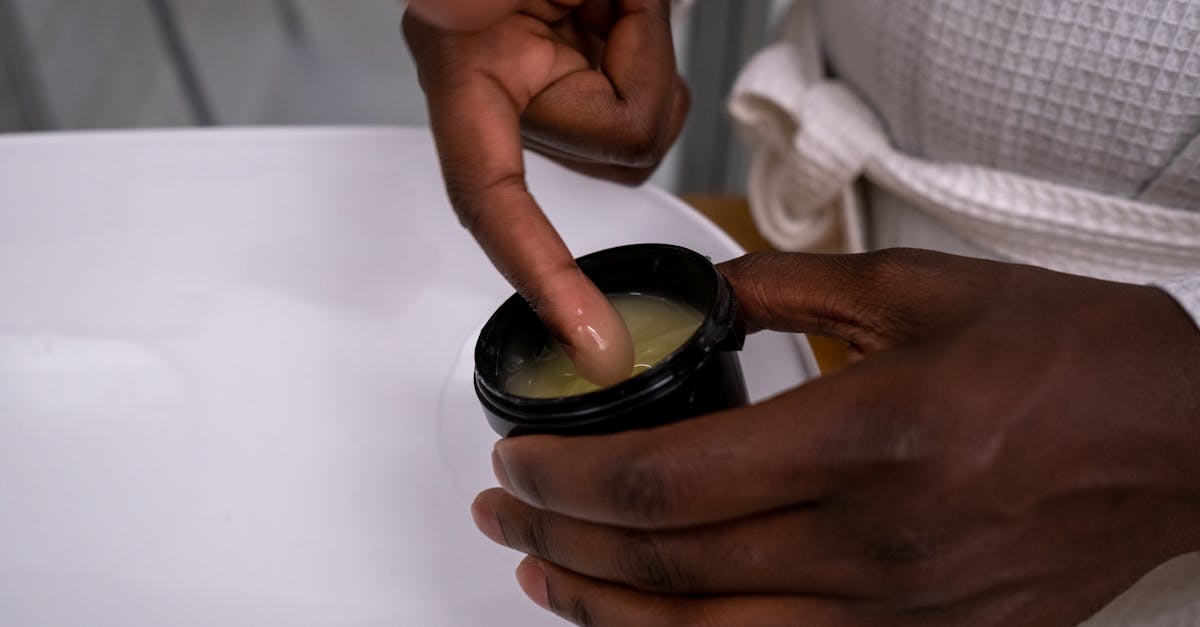
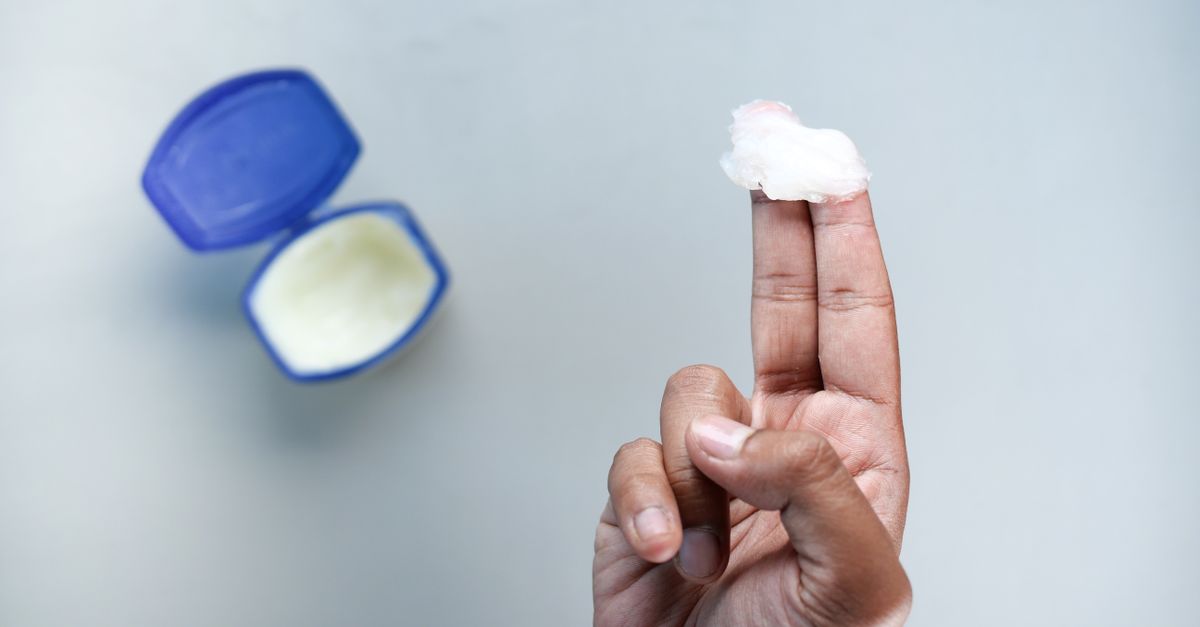
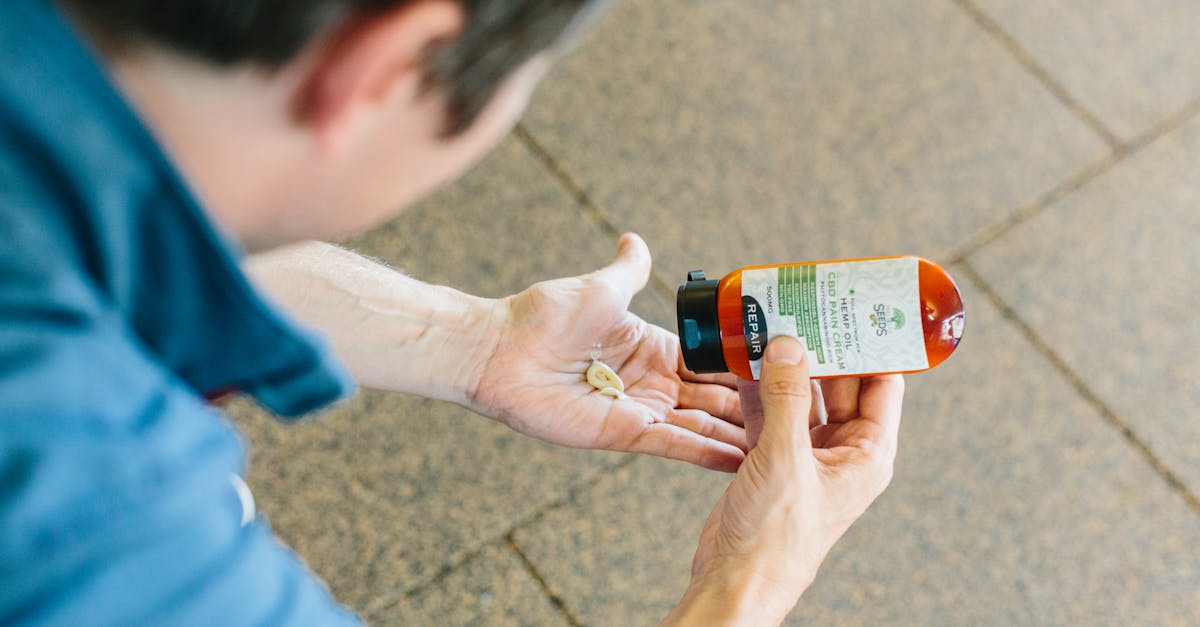
Proper application dictates that the patient must thoroughly cleanse and completely dry the affected anatomical area before dispensing the medication. For adults and adolescents twelve years of age and older, a thin, even layer of the ointment should be massaged gently into the affected area no more than three to four times daily.
Patients must meticulously wash their hands with soap and water immediately following application to definitively prevent the inadvertent transfer of the potent chemical to highly sensitive mucosal membranes, specifically the eyes, nose, and mouth. The treated joint or muscle must remain entirely uncovered; utilizing tight, occlusive bandages forces the chemical deeper into the tissue and exponentially increases the risk of severe blistering.
4. In-Depth Side Effects Analysis of Topical Camphor
While systemic administration risks are generally low when used on intact skin, the localized delivery of a highly potent rubefacient produces a specific profile of dermatological adverse events requiring careful patient observation.
Common Side Effects
The most universally documented adverse reaction is localized cutaneous irritation directly at the application site. Patients frequently experience mild erythema, slight pruritus, and a transient stinging sensation as the camphor aggressively initiates the localized warming cycle. These symptoms are strictly confined to the exact area where the ointment was applied and generally subside as the initial sensory shock diminishes.
Serious Side Effects You Should Report
Patients must immediately report severe dermatological deterioration indicating a profound chemical burn or severe allergic reaction. The sudden emergence of extreme redness, intense vesicular blistering, or severe, unremitting burning pain indicates a serious adverse event requiring the immediate removal of the ointment with cool water and prompt clinical intervention.
Rare Side Effects
In highly isolated instances, prolonged application on heavily compromised skin has resulted in transient post-inflammatory hyperpigmentation. True systemic hypersensitivity reactions, presenting with widespread systemic hives or acute respiratory distress, are theoretically possible but exceptionally rare with standard topical camphor formulations.
Side Effects That Usually Do Not Require Medical Attention
A profound sensation of localized, radiating warmth is the exact intended pharmacological mechanism of the drug and does not require medical consultation. Minor, transient redness that fades shortly after the warming sensation dissipates is a completely standard physiological response to localized vasodilation.
| Side Effect Category | Specific Symptoms |
|---|---|
| Dermatological | Erythema, localized pruritus, mild scaling |
| Sensory | Transient stinging, intense warming sensation |
| Severe Localized | Chemical burns, severe blistering |
| Immunological | Rare allergic contact dermatitis |
5. Camphor Overdose Symptoms and Management
A localized, cutaneous overdose resulting from the standard topical application of this warming ointment is biologically impossible on intact skin. The absolute primary medical emergency regarding overdosage strictly involves accidental oral ingestion of the product, representing an exceptionally high, frequently lethal risk to unsupervised pediatric patients.
If a significant quantity of camphor is swallowed, the patient will experience immediate, severe gastrointestinal distress, including intense nausea and intractable vomiting. Systemic camphor toxicity rapidly induces profound central nervous system excitation, presenting as severe mental confusion, profound agitation, muscle tremors, and violent, continuous seizures leading to coma and fatal respiratory depression.
Management of an accidental oral overdose mandates immediate contact with a local poison control center or rapid transport to an emergency department. Clinical management focuses entirely on aggressive airway protection, rapid administration of benzodiazepines to halt violent seizures, and intensive supportive care. Emesis must never be induced due to the extremely high risk of aspiration pneumonia.
6. Missed Dose Protocol and What to Avoid
Because this medicated ointment is utilized strictly on an as-needed basis for immediate pain relief, a rigid, time-sensitive dosing protocol does not exist. If a patient forgets to apply the ointment, they should simply apply it when they next experience significant muscular discomfort, ensuring they strictly do not exceed the limit of four applications per day on a single anatomical site.
Patients must strictly avoid applying this highly concentrated formulation near the eyes or delicate mucosal membranes. Camphor is highly toxic and severely irritating to the sensitive tissues of the cornea and conjunctiva. Accidental ocular exposure demands immediate, continuous massive irrigation with cool, sterile water to prevent acute chemical keratitis and severe corneal abrasions.
Furthermore, patients must meticulously avoid utilizing other topical dermatological therapies on the exact same anatomical site. Mixing this potent rubefacient with other chemical agents, such as topical menthol gels unless specifically formulated together, can severely alter the absorption kinetics, mask the physical signs of an emerging chemical burn, and cause unpredictable, highly severe localized toxicity.
7. Drug and Alcohol Interactions with Topical Camphor
Systemic drug interactions are functionally non-existent when this specific medication is utilized correctly on small, intact surface areas. The active natural camphor does not enter the systemic bloodstream in clinically relevant concentrations, completely preventing any metabolic interaction with oral medications, systemic antibiotics, or cardiovascular drugs.
There are absolutely no known direct pharmacokinetic interactions between the transdermal application of camphor and the moderate consumption of oral alcohol. Moderate alcohol intake will not directly alter the localized analgesic efficacy of the warming ointment.
However, extreme clinical caution is required if a patient applies the ointment over areas with severely reduced peripheral blood flow or profound diabetic neuropathy. In these cases, the patient may completely fail to feel the warning signs of a developing chemical burn, necessitating frequent, rigorous visual inspection of the treated tissue.
8. Precautions, Safety Profile, and Duration of Action
This camphor formulation provides a highly robust safety profile for the immediate, short-term management of acute musculoskeletal pain. By restricting the active ingredient entirely to the epidermal layers, it serves as a critical frontline defense against pain for patients who cannot safely tolerate oral pain relievers due to severe gastric ulcers or advanced renal impairment.
Pregnant and breastfeeding individuals must consult an obstetrician before utilizing high-concentration camphor products. While topical application on intact skin minimizes systemic absorption, camphor crosses the placental barrier, and the theoretical risks to fetal development demand careful clinical clearance prior to initiating therapy during gestation.
The clinical duration of action relies entirely on the concentration of the camphor and its rate of evaporation from the skin. A single application typically provides sustained sensory distraction for one to two hours. Once the chemical evaporates and the localized warming sensation dissipates completely, the analgesic effect ceases entirely.
9. How to Stop Using This Medicated Ointment and Proper Storage
Patients can abruptly discontinue the use of this medicated ointment at any time without experiencing physical withdrawal symptoms or rebound musculoskeletal inflammation. Once the acute muscle strain or arthritis flare has subsided to manageable levels, the patient may simply cease applying the medication and wash the area with mild soap.
The ointment must be stored securely at standard room temperature, safely isolated from direct heat sources and open flames, as formulations containing high concentrations of essential oils and camphor are inherently highly flammable. The jar must be tightly closed immediately after extracting the required amount to prevent the active camphor from rapidly evaporating into the surrounding air.
Expired jars must be discarded securely in the household trash. Patients must ensure the lid is firmly secured before disposal to prevent the residual toxic chemical from coming into dangerous contact with curious children or household pets.
10. When to Consult a Doctor
Patients must schedule a clinical evaluation if their musculoskeletal pain fails to improve objectively after seven continuous days of compliant topical therapy. Refractory, unrelenting pain strongly indicates a severe underlying structural injury, such as a ligament tear or severe osteoarthritis, requiring advanced medical imaging and systemic intervention.
Immediate medical assessment is absolutely mandatory if the patient develops severe, painful blistering or rapid, spreading redness immediately following application, signaling a severe allergic contact dermatitis or a highly dangerous chemical burn requiring medical debridement.
If the patient develops a systemic fever alongside their joint pain, they must bypass standard appointments and seek immediate medical evaluation. A fever combined with a hot, painful joint strongly suggests a severe infectious arthritis that a topical warming ointment cannot treat.
Frequently Asked Questions (FAQ)
1. Can I wrap my sore knee tightly with a bandage after rubbing this ointment on?
Absolutely not. You must not use an occlusive or tightly wrapped bandage over the treated area. Trapping the camphor forces the chemical rapidly into the tissue and creates a very high risk of severe blistering and chemical burns.
2. Is it safe to apply this ointment immediately after taking a hot shower?
It is strongly discouraged. A hot shower opens your pores and highly dilates your blood vessels. Applying a potent rubefacient to freshly heated skin will cause a painfully intense burning sensation rather than a comforting warmth.
3. Why is my skin bright red after applying the ointment?
Camphor functions by safely dilating local blood vessels to create sensory stimulation. This increased blood flow naturally causes a temporary, bright red appearance on the skin that should fade quickly.
4. Can I use a heating pad over the ointment to relax my muscles faster?
Absolutely not. Applying an external heat source forces massive amounts of the toxic chemical into your skin rapidly, creating a severe and highly dangerous risk of third-degree chemical burns.
5. How much of the ointment should I apply at one time?
You should apply a thin, even layer just large enough to cover the specific site of pain. Do not slather the ointment over massive areas of your back or chest simultaneously to avoid potential systemic toxicity.
6. Can I use this warming ointment if I am taking oral pain medication?
Yes, because the camphor acts strictly on the local nerve endings and does not enter the bloodstream in high amounts, it is generally safe to use alongside standard oral pain relievers.
7. Does this ointment cure the inflammation in my arthritis?
No, it strictly manages the localized symptom of pain by distracting your brain. It possesses zero deep anti-inflammatory properties and cannot reverse or halt the physical progression of joint degeneration.
8. Is it safe to apply the ointment over a healing bruise?
Yes, as long as the skin directly over the bruise is completely intact and not broken, severely scratched, or bleeding, the ointment can be applied safely.
9. What should I do if I accidentally get the ointment in my eyes?
Camphor in the eyes causes severe, excruciating pain and corneal damage. You must immediately flush your eyes with copious amounts of cool water for at least fifteen minutes and seek emergency medical evaluation.
10. Can children use this pain-relieving ointment?
Camphor is highly toxic to children if absorbed or ingested. This specific formulation must be strictly kept away from children, and any pediatric use requires explicit direction from a licensed pediatrician.
Bibliography
Disclaimer: The content is for informational purposes only and does not replace medical advice. Always consult your doctor or pharmacist for personalized treatment.