1. Introduction & Mechanism of Action of Raw Elements Tint 30
Raw Elements Tint 30 Broad Spectrum Spf 30 is a tinted physical mineral sunscreen utilizing non-nano zinc oxide to provide robust protection against ultraviolet radiation. The most notable side effect is localized contact dermatitis driven by inactive botanical excipients and iron oxide pigments, alongside a potential for comedogenicity in acne-prone individuals due to the heavy emollient base.
Zinc oxide functions strictly as a biologically inert, physical ultraviolet filter. Instead of absorbing into the epidermal layers to convert ultraviolet radiation into thermal energy, zinc oxide rests entirely upon the stratum corneum. It functions as a dense array of microscopic mirrors, physically reflecting, scattering, and actively absorbing both Ultraviolet A and Ultraviolet B radiation before it can penetrate living dermal tissues.
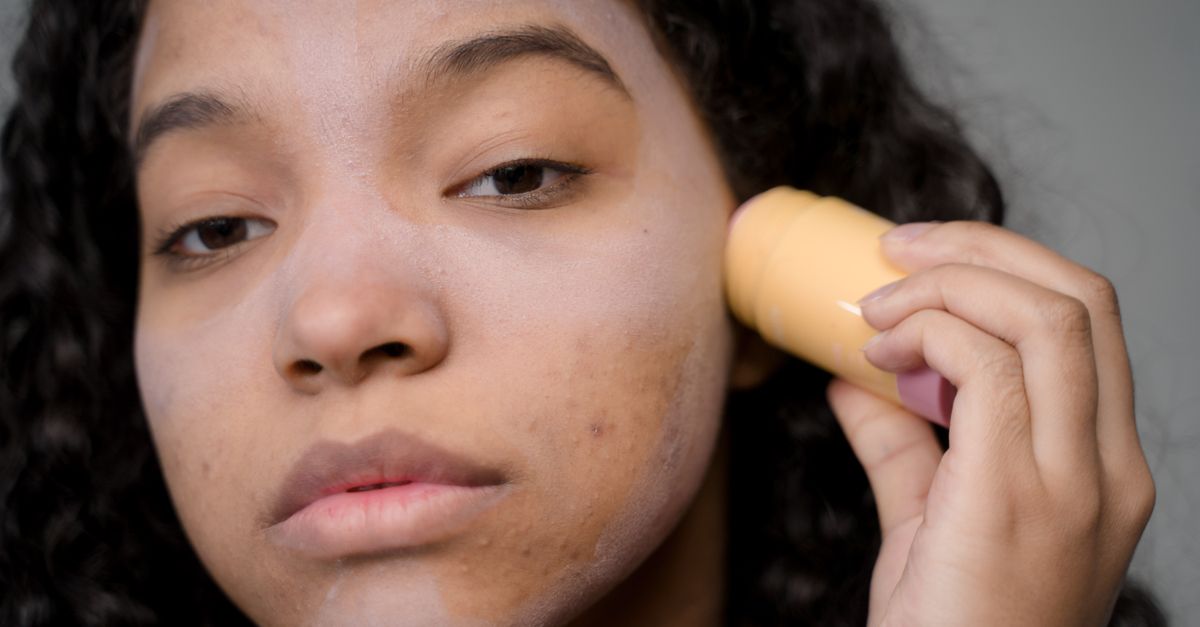
This formulation incorporates natural iron oxides to create a cosmetic tint, effectively neutralizing the stark white cast traditionally associated with physical zinc sunscreens. By preventing ultraviolet radiation from reaching the melanocytes and basal cellular structures, this tinted zinc oxide actively halts DNA damage, oxidative stress, and the localized inflammatory cascade that characteristically cause acute sunburn, thereby reducing the long-term risk of severe cutaneous malignancies.
2. Warnings & Before Using Raw Elements Tint 30
A primary clinical warning regarding this highly inert physical sunblock involves its application to deeply compromised skin barriers. Patients must not apply this heavy formulation to full-thickness thermal burns, actively bleeding lacerations, or heavily purulent wounds. The dense zinc oxide barrier restricts localized airflow and traps heat against damaged tissue, heavily retarding the natural physiological healing cascade.
Individuals with a documented history of severe hypersensitivity to topical botanical extracts or iron oxides should proceed with significant clinical caution. While zinc oxide itself is highly hypoallergenic, tinted eco-friendly formulations utilize a complex matrix of natural botanical oils, beeswax, plant resins, and mineral pigments to suspend the heavy active ingredient. These inactive compounds can precipitate allergic contact dermatitis in sensitized individuals.
This product is formulated strictly for external epidermal defense. Application to the sensitive ocular mucosa must be avoided. The microscopic zinc oxide and iron oxide particles act as abrasive physical irritants if accidentally introduced into the eye, potentially causing painful corneal micro-abrasions and chemical conjunctivitis.
3. Indications & Dosage Guide for Raw Elements Tint 30
This tinted broad-spectrum mineral sunscreen is clinically indicated for the rigorous prevention of acute sunburn and the long-term mitigation of epidermal aging and skin cancer when utilized alongside other comprehensive sun protection measures, while providing enhanced cosmetic compliance.
To achieve the medically validated Sun Protection Factor of thirty, the patient must apply the formulation generously and evenly to all exposed epidermal areas fifteen minutes prior to direct solar exposure. Clinical failure frequently occurs when patients under-apply physical sunscreens, drastically reducing the actual ultraviolet protection achieved.
The absolute most critical aspect of physical sunscreen therapy is the rigid reapplication schedule. The patient must forcefully reapply the zinc oxide barrier every two hours during continuous solar exposure. Immediate reapplication is strictly mandated after eighty minutes of heavy swimming or profuse sweating, and completely immediately following aggressive towel drying.
4. In-Depth Side Effects Analysis of Raw Elements Tint 30
Due to its massive molecular size and complete inability to penetrate intact human skin, zinc oxide possesses a highly safe clinical profile. Side effects are almost entirely localized, physical, and non-systemic.
Common Side Effects
The most universally encountered side effect relates to the heavy cosmetic vehicle of the medication. Because the formulation utilizes heavy occlusive oils to suspend the minerals and tint, patients frequently experience localized clogged pores, leading to minor acneiform eruptions or folliculitis, particularly in humid environments. The tint may physically transfer onto light-colored clothing.
Serious Side Effects You Should Report
Patients must seek immediate clinical evaluation if they experience signs of an allergic contact dermatitis directed against the botanical inactive ingredients or mineral pigments. Warning signs include the rapid onset of worsening erythema, localized tissue swelling, intense continuous pruritus, or the sudden eruption of hives across the application area.
Rare Side Effects
In rare instances involving continuous application over weeks without proper cleansing, the heavy zinc oxide barrier can induce localized tissue maceration. Systemic toxicity from the topical application of non-nano zinc oxide is scientifically impossible, as the large mineral particles physically cannot cross the intact stratum corneum to enter the systemic bloodstream.
Side Effects That Usually Do Not Require Medical Attention
A feeling of heavy physical residue upon the skin, minor difficulty removing the product during normal bathing, and cosmetic staining of the collars of shirts are the exact intended physical properties of the heavy tinted mineral barrier and require no medical intervention.
| Side Effect Category | Specific Symptoms |
|---|---|
| Dermatological | Acneiform eruptions, folliculitis, heavy oily residue |
| Immunological | Allergic contact dermatitis, localized swelling, hives |
| Ophthalmic | Corneal abrasions (if rubbed into eyes) |
5. Overdose Symptoms & Management for Raw Elements Tint 30
A pharmacological overdose resulting from massive topical application is physically and biologically impossible. The large zinc oxide particles are entirely inert and incapable of transdermal systemic absorption. The singular risk of toxicity originates from accidental, massive oral ingestion of the thick cream, typically involving unsupervised toddlers.
Symptoms of significant oral ingestion of zinc oxide ointment present as a localized gastrointestinal crisis. The heavy mineral acts as a potent physical irritant to the gastric mucosa, rapidly inducing mild nausea, abdominal cramping, and forceful vomiting. Systemic heavy metal toxicity is highly unlikely from a single acute ingestion due to the remarkably poor gastrointestinal absorption of this zinc compound.
If accidental oral ingestion occurs, caretakers must avoid inducing vomiting, as the heavy, oily base can cause chemical pneumonitis if aspirated into the lungs. Immediate contact with a specialized poison control center is required. Clinical management in an emergency setting is primarily supportive, focusing entirely on maintaining hydration and managing the gastrointestinal distress while the heavy mineral passes through the digestive tract.
6. Missed Dose & What to Avoid with Raw Elements Tint 30
Because this physical sunblock acts entirely as a preventative environmental shield rather than a continuous therapeutic drug, a missed application simply leaves the unprotected skin highly vulnerable to ultraviolet radiation damage. If a patient realizes they have missed an application during solar exposure, they must apply it immediately.
Patients must avoid relying solely on this topical formulation for total solar protection during hours of peak ultraviolet intensity. Sunscreen must be utilized aggressively alongside wide-brimmed hats, densely woven ultraviolet-protective clothing, and environmental shade.
Furthermore, patients must meticulously avoid utilizing highly harsh chemical exfoliants or deep chemical peels immediately prior to applying heavy physical sunscreens. Stripping the stratum corneum destroys the skin’s natural barrier, drastically increasing the risk that the heavy botanical oils in the sunscreen base will precipitate a painful contact dermatitis on the raw tissue.
7. Drug & Alcohol Interactions with Raw Elements Tint 30
Systemic pharmacological interactions with oral prescription medications are completely non-existent due to the absolute lack of transdermal systemic absorption of the large zinc oxide particles.
Significant localized topical interactions are highly common. Patients utilizing potent prescription topical therapies, such as fluorouracil cream, strong topical corticosteroids, or prescription acne treatments, must apply the active prescription medication first and allow it to fully absorb for a minimum of thirty minutes. Applying the thick zinc oxide layer first will physically block the absorption of any subsequent prescription medication.
Oral alcohol consumption possesses absolutely no direct chemical interaction with the localized physical application of zinc oxide. Nevertheless, severe alcohol intoxication frequently results in patients falling asleep in direct sunlight while failing to reapply the sunscreen, inevitably resulting in catastrophic solar burns.
8. Precautions, Safety & Duration of Action of Raw Elements Tint 30
Unlike chemical sunscreens that require thirty minutes to chemically bond with the skin, the physical protection offered by zinc oxide is absolute and immediate the precise second it is evenly applied to the epidermis. The duration of this protection relies entirely on the physical presence of the heavy tinted barrier.
The absolute, non-negotiable safety protocol is the strict adherence to the two-hour reapplication rule. Ultraviolet radiation, heavy sweating, and natural skin oil production continuously degrade the physical integrity of the sunscreen matrix. Failing to reapply the thick barrier every two hours completely nullifies the indicated SPF 30 protection.
Caregivers must exercise caution when applying this product to pediatric patients. While zinc oxide is the safest active ingredient for young infants, the heavy rubbing required to spread the thick formula can cause mechanical friction burns on fragile neonatal skin if applied too aggressively, and the iron oxide tint may permanently stain their clothing.
9. How to Store & Dispose of Raw Elements Tint 30
The sunscreen formulation must be stored at a stable room temperature, securely protected from extreme environmental heat and direct sunlight when not in active use. Leaving the product in a hot vehicle will cause the heavy natural waxes and botanical oils to physically separate from the heavy zinc oxide and iron pigments, permanently destroying the uniform suspension and rendering the SPF protection wildly inaccurate.
Proper disposal is straightforward, as zinc oxide poses virtually zero toxic threat to environmental water systems. Empty tubes should be cleaned of residual product before recycling to adhere to local municipal guidelines.
If a large quantity of deeply expired, separated, or contaminated product requires disposal, it should be firmly sealed within its original container and placed securely in the standard household trash.
10. When to See a Doctor
Immediate medical intervention is strictly mandated if the patient develops a severe sunburn despite utilizing the product, characterized by massive fluid-filled blisters covering large areas of the body, accompanied by a high systemic fever, severe chills, and profound confusion indicating sun poisoning.
A physician must be consulted urgently if the patient develops a severe, rapidly spreading allergic skin reaction to the botanical inactive ingredients, presenting as highly painful, weeping hives. Furthermore, if the heavy sunscreen barrier accidentally causes a severe ocular exposure resulting in unrelenting eye pain and extreme sensitivity to light, immediate professional ophthalmological evaluation is required to identify corneal micro-abrasions.
Frequently Asked Questions (FAQ)
1. Why does this specific sunscreen have a brown or tan color?
This formulation utilizes natural iron oxides to provide a cosmetic tint. This tint is designed to counteract the bright white cast typically left by physical zinc oxide sunscreens, making it blend more naturally with various skin tones.
2. Can I mix this thick tinted sunscreen with my daily body lotion to make it spread easier?
No. You must absolutely never mix physical sunscreens with other lotions. Diluting the thick formula drastically alters how the zinc oxide spreads across your skin, creating unprotected gaps that will rapidly result in localized sunburns.
3. Why did I still get severely sunburned while wearing this product?
The most common cause of failure is massive under-application or failing to reapply the thick barrier every two hours. If you swim, sweat aggressively, or aggressively towel off, you physically wipe the zinc mirror away and must reapply the product immediately.
4. Will this tinted formula stain my clothing?
Yes. The iron oxide pigments combined with the heavy oil base can easily transfer onto light-colored clothing, collars, and towels. It is recommended to allow the sunscreen to set for a few minutes before dressing and to wash stained items promptly.
5. Will this heavy, oily formula cause me to break out with severe acne?
It is highly possible. The formulation uses heavy botanical waxes and oils to keep the zinc oxide on your skin while swimming. These heavy oils can severely clog your pores, leading to intense acne or folliculitis, especially on your face.
6. How do I properly wash this thick, stubborn residue off my skin at the end of the day?
Because the product is designed to be highly water-resistant, standard body wash will often fail. You must use a dedicated oil-based cleanser or aggressively rub the skin with a warm, soapy washcloth to mechanically break down the heavy zinc and wax barrier.
7. Does the product expire if I only use it during the summer?
Yes. Over time, the inactive botanical oils can become rancid, and the physical suspension of the zinc oxide can degrade, leaving you unprotected. You must strictly discard the product once it passes the expiration date printed on the tube.
Bibliography
Disclaimer: The content is for informational purposes only and does not replace medical advice. Always consult your doctor or pharmacist for personalized treatment.