1. Introduction & Mechanism of Action of Sanspray
Sanspray relies on high-concentration ethyl alcohol to swiftly denature microbial proteins, neutralizing transient pathogens upon topical application. The most prominent side effects involve cumulative cutaneous dehydration and acute, localized stinging when applied to compromised or abraded dermal layers.
The pharmacological efficacy of topical alcohol is predicated upon its exceptional biochemical solvent properties. When the optimal concentration of alcohol—typically between sixty and eighty percent—encounters microbial life, it rapidly breaches the outer lipid membranes of bacteria and the lipid envelopes of numerous pathogenic viruses. Once inside the microscopic structure, the alcohol physically denatures and permanently coagulates essential intracellular proteins, destroying the structural and functional integrity of the pathogen.
This biocidal process is highly rapid, frequently occurring within ten to fifteen seconds of contact. The presence of a specific percentage of water in the formulation is biochemically mandatory. Absolute, one-hundred-percent alcohol evaporates too swiftly and coagulates the outer wall of bacteria so rapidly that it creates a protective, impenetrable barrier, preventing deep cellular destruction. The precisely balanced water-alcohol matrix within the spray ensures complete, fatal protein denaturation before the solvent entirely evaporates from the epidermal surface.
2. Warnings & Before Taking Sanspray
The most critical safety warning regarding any high-concentration alcohol spray is its severe flammability. Users must never deploy this spray near open flames, lit tobacco products, active stovetops, or active static-generating machinery. The highly volatile vapors emitted during the brief evaporation phase can easily ignite, leading to severe thermal burns on the hands, forearms, and face.
Patients must be acutely aware that this product is designed strictly for external topical friction. Under absolutely no circumstances should the liquid be ingested. Oral consumption of denatured alcohol sanitizers frequently leads to severe acute alcohol poisoning, profound metabolic acidosis, and severe central nervous system depression. The formulations often contain distinct, unpleasant bittering agents specifically engineered to deter accidental or intentional ingestion by children or compromised individuals.
Individuals presenting with severe, deeply fissured eczema, active psoriasis plaques, or widespread unhealed epidermal wounds should strictly avoid repeated application. Applying highly concentrated alcohol to deep lacerations causes agonizing, sharp pain and precipitates localized cellular damage, theoretically delaying the natural physiological mechanisms of vital wound healing.
3. Indications & Dosage Guide for Sanspray
Sanspray is medically indicated for the rapid, waterless decontamination of human hands in scenarios where traditional mechanical handwashing with soap and running water is unavailable. It is extensively utilized in clinical, ambulatory, and public health settings to aggressively intercept the chain of infection for transient, surface-borne pathogens.
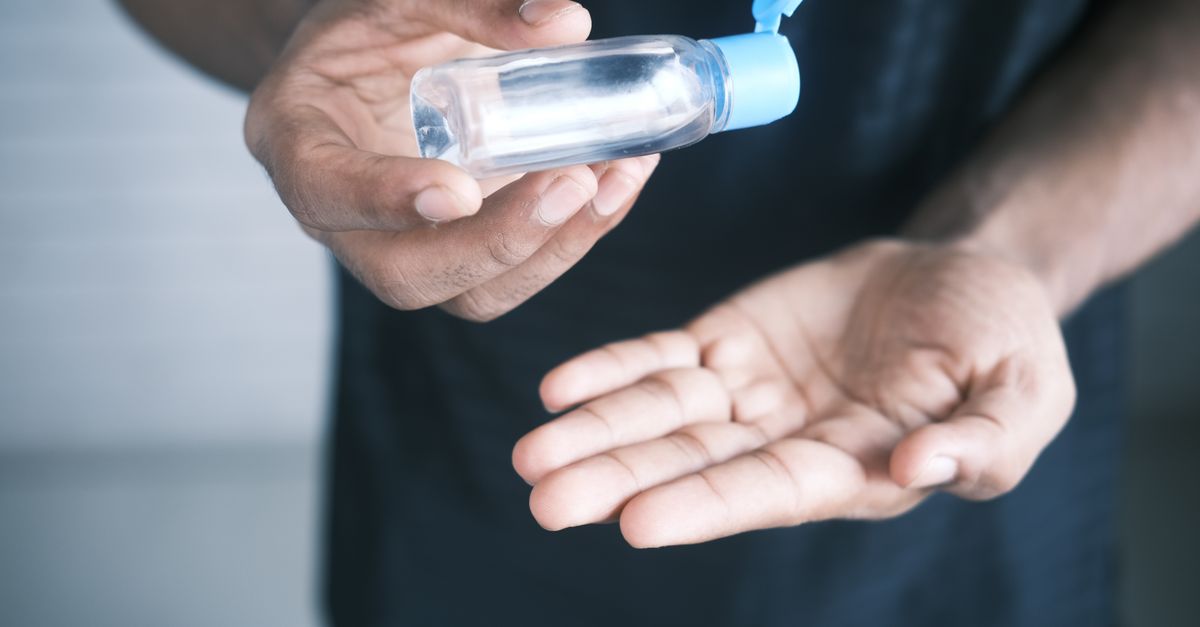
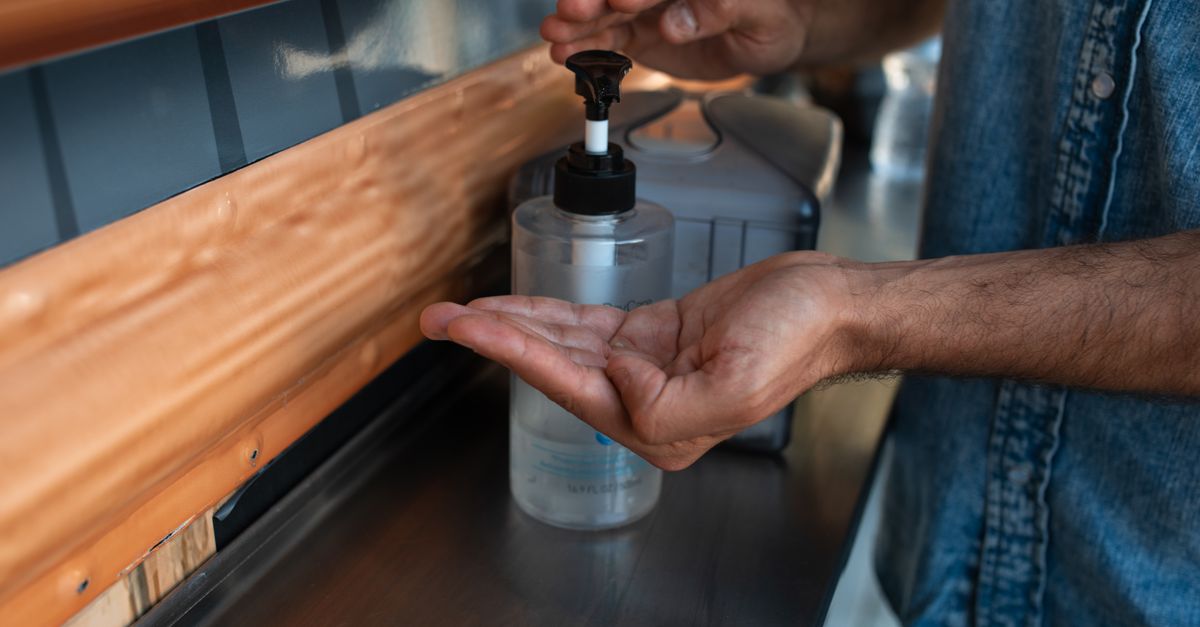
The correct application protocol requires dispensing a sufficient volume of the atomized spray directly into the cupped palm of one hand to thoroughly wet the entire surface. The user must then vigorously rub the hands together, ensuring the alcohol coats all epidermal topographies. This strictly includes the palmar and dorsal aspects of the hands, the delicate interdigital spaces, and the periungual regions surrounding the fingernails.
Aggressive friction must be maintained continuously until the hands are entirely dry, typically requiring twenty to thirty seconds. Wiping the hands on a paper towel or fabric before complete evaporation drastically shortens the required contact time and completely invalidates the bactericidal and virucidal efficacy of the product. The spray may be utilized frequently throughout the day as dictated by direct environmental exposure risks.
4. In-Depth Side Effects Analysis of Sanspray
While topically applied alcohol is universally recognized for its immediate antimicrobial benefits, it remains a highly potent chemical solvent. By repeatedly dissolving the protective lipid layers of the stratum corneum, the product initiates a predictable sequence of dermatological disruptions.
Common Side Effects
The vast majority of side effects are confined exclusively to the epidermal surface. Frequent users invariably report progressive, persistent skin dryness, a sensation of superficial tightness, and mild to moderate localized peeling. A brief, highly intense stinging sensation is universally experienced if the alcohol spray contacts microscopic abrasions, paper cuts, or severely chapped cuticles.
Serious Side Effects You Should Report
Should the repetitive chemical disruption precipitate severe irritant contact dermatitis, medical intervention becomes required. Symptoms of this advanced state include deep, exquisitely painful cracking of the knuckles, intense underlying erythema, and weeping lesions that severely compromise the functional use of the hands. Accidental exposure of the fine mist to the ocular mucosa results in immediate, agonizing chemical burning and robust conjunctival inflammation.
Rare Side Effects
Systemic toxicity resulting from dermal absorption is a theoretical anomaly, practically non-existent in healthy adults utilizing the spray for standard hand hygiene. Extremely rare documented instances of measurable blood alcohol levels have historically been confined strictly to massive, full-body applications on severely compromised skin, a scenario entirely detached from routine sanitization.
Side Effects That Usually Do Not Require Medical Attention
Mild whitening of the skin immediately following complete evaporation or a brief, pronounced cooling sensation as the volatile liquid rapidly transitions to a gas are entirely normal physical properties of the solvent and require no medical consideration.
| Side Effect Category | Specific Symptoms |
|---|---|
| Dermatological | Severe dryness, scaling, transient sharp stinging on abrasions |
| Hypersensitivity | Irritant contact dermatitis, painful knuckle fissures, redness |
| Ocular Exposure | Acute chemical burn, intense pain, involuntary heavy tearing |
| Systemic (Ingestion) | Profound intoxication, metabolic acidosis, respiratory depression |
5. Overdose Symptoms & Management for Sanspray
In standard dermatological use, a true pharmacological overdose of alcohol spray translates merely to excessive product application resulting in severe lipid depletion and aggressive skin chapping. The acute clinical emergency arises exclusively through the ingestion pathway.
Oral ingestion of alcohol-based hand sprays precipitates a rapid and life-threatening toxicological crisis. Because the concentration of alcohol frequently exceeds sixty percent, the onset of severe intoxication is exceedingly rapid. Symptoms precisely mirror extreme alcohol poisoning, including profound ataxia, slurred speech, hypothermia, intractable vomiting, and a dangerous blunting of the airway gag reflex, which poses a massive, immediate risk for fatal pulmonary aspiration.
Emergency medical treatment for ingestion focuses instantly on securing the patient’s airway and providing robust cardiovascular support. Intravenous fluids are rapidly administered to correct severe dehydration and correct hypoglycemia, which is a frequent metabolic complication of massive acute alcohol loads. In pediatric cases, blood glucose must be monitored aggressively, as young children plunge into profound, dangerous hypoglycemia much faster than mature adults.
6. Missed Dose & What to Avoid While Using Sanspray
The administration of Sanspray is entirely situational and reactive. There is absolutely no scheduled dosing regimen; therefore, the concept of a missed dose is clinically irrelevant. The spray should be deployed immediately following contact with potentially contaminated surfaces or prior to engaging in activities requiring strict baseline hand hygiene.
A critical behavioral avoidance involves the concurrent presence of heavy organic matter on the hands. Users must avoid relying on alcohol sprays if their hands are visibly soiled with dirt, grease, blood, or heavy proteinaceous material. The high-concentration alcohol will rapidly coagulate the organic matter on the skin surface, physically trapping viable pathogens underneath the coagulated layer and rendering the sanitization process a complete failure. Washing with water and mechanical detergent is an absolute necessity prior to using alcohol in these instances.
Furthermore, users should strictly avoid applying the atomized mist to delicate mucous membranes, including the lips, internal nasal passages, and genitalia. The lack of a robust keratinized outer layer on these specific tissues ensures the solvent will cause immediate, severe cellular damage and intense localized pain.
7. Drug & Alcohol Interactions with Sanspray
When utilized strictly as directed for rapid hand decontamination, the systemic absorption of ethyl alcohol through intact human skin is clinically negligible. Consequently, it does not induce any systemic pharmacokinetic interactions with orally administered medications, nor does it interfere with hepatic cytochrome P450 enzyme metabolism.
Topical interactions, however, require careful clinical management. Patients utilizing specialized transdermal medication patches should rigorously avoid spraying high-concentration alcohol directly over the patch site. The powerful solvent properties of the spray can easily degrade the delicate adhesive matrix of the patch and theoretically alter the precise delivery rate of the medication through the stratum corneum.
Additionally, combining frequent alcohol sanitization with aggressive topical prescription therapies, such as those utilized in treating severe dermatitis, will severely compound epidermal damage. The alcohol will rapidly strip away the delicate lipid barriers attempting to heal under the influence of medications, creating a frustrating cycle of chronic, localized inflammation and deeply impaired tissue recovery.
8. Precautions, Safety & Duration of Action of Sanspray
The duration of antimicrobial protection offered by an alcohol-based spray is virtually nonexistent once the volatile product has fully evaporated. The liquid physically neutralizes the pathogens present at the precise moment of application. Within seconds of the skin completely drying, the hands are fully susceptible to immediate recontamination upon contacting a new, non-sterile object.
Stringent safety precautions are absolutely mandatory in pediatric environments. Young children should only utilize the spray under direct, unwavering adult supervision. Children are highly susceptible to inadvertently touching their eyes or mouths while the hands are still wet with the volatile liquid. The adult must dispense a small, age-appropriate volume and ensure the child rubs their hands continuously until completely dry.
For pregnant and nursing individuals, the topical application of alcohol for routine hygienic purposes is broadly recognized by the medical community as highly safe. Because the alcohol evaporates rather than absorbing into the systemic circulation, there is no measurable fetal exposure or transfer of ethanol into breast milk following standard hand sanitization protocols.
9. How to Stop Taking Sanspray & Storage Guidelines
Because hand sanitizers do not alter systemic physiology or create cellular dependency, their use can be abruptly halted at any time without triggering withdrawal syndromes or rebound physiological effects. Individuals may seamlessly transition back to traditional soap and water hygiene without any required tapering protocol.
Proper storage is absolutely critical due to the highly flammable nature of the active ingredient. The spray bottles must be stored in a cool, dry environment, strictly isolated from direct sunlight, open flames, and high-heat sources. Containers left inside vehicles during extremely hot weather pose a significant risk, as the extreme ambient temperatures increase internal vapor pressure, leading to leakage or accelerated evaporation of the alcohol content, drastically lowering the antimicrobial efficacy over time.
Disposal of large quantities of expired or unwanted sanitizer must strictly comply with local municipal regulations governing highly flammable liquids. Small, completely empty household containers can typically be recycled, provided all volatile chemical residue has safely evaporated.
10. When to See a Doctor Regarding Sanspray
A medical consultation is highly recommended if the localized drying effects escalate into severe, intractable contact dermatitis. If the patient develops deep dermal fissures that begin to persistently bleed or ooze thick purulent material, it is highly likely that the compromised skin barrier has suffered a severe secondary bacterial infection requiring systemic or targeted prescription topical intervention.
Any accidental, direct spray into the eyes represents an acute medical emergency. While the immediate first aid step is aggressive flushing with lukewarm tap water for fifteen to twenty continuous minutes, the patient must subsequently be evaluated rapidly by an emergency physician. High-concentration alcohol can cause rapid denaturing of the corneal proteins, leading to long-term visual impairment if not assessed professionally.
Finally, any suspicion of accidental ingestion, particularly by a child, requires the immediate dispatch of emergency medical services. The rapid onset of life-threatening hypoglycemia and profound respiratory depression secondary to concentrated alcohol consumption demands acute, advanced toxicological management in a hospital setting, far beyond the scope of a home environment.
Frequently Asked Questions (FAQ)
1. How many sprays do I actually need to use?
You must dispense a sufficient volume to completely wet all surfaces of both hands. If your hands dry completely in less than ten seconds, you likely did not apply an adequate volume to achieve thorough bacterial denaturation.
2. Does hand sanitizer spray kill the norovirus or stomach bug?
Alcohol-based sprays are generally highly effective against enveloped viruses, but they exhibit significant clinical weakness against certain tough, non-enveloped viruses, such as the norovirus. Thorough handwashing with soap and water is heavily preferred during a norovirus outbreak.
3. Why does it sting so badly when I have a tiny paper cut?
Alcohol is a powerful chemical solvent. When the protective outer layer of skin is broken, the alcohol immediately contacts the underlying sensory nerve endings, causing a rapid, intense pain signal.
4. Can I use this spray to clean small cuts or wounds on my body?
It is strongly advised against. Spraying concentrated alcohol into an open wound damages healthy tissue cells attempting to heal the injury and causes extreme pain. Sterile saline or plain soap and water are the standard clinical recommendations for minor wound cleansing.
5. Will using this too much create superbugs?
Unlike specific systemic antibiotics, alcohol destroys bacteria through immediate physical destruction of their cell walls. Because this is a broad, catastrophic physical mechanism rather than a specific targeted biological pathway, bacteria do not develop traditional genetic resistance or become “superbugs” from alcohol exposure.
6. What is the bitter taste if I accidentally touch my mouth?
Manufacturers frequently add specialized, intensely bitter chemical compounds to the formulation. This is a deliberate, required safety measure designed specifically to deter children and adults from intentionally drinking the highly toxic liquid.
7. Is it safe to leave a bottle in my hot car during summer?
It is heavily discouraged. Extreme heat can cause the alcohol to evaporate out of the solution faster, weakening the product over time. Furthermore, the expansion of the highly flammable vapors in a sealed container under extreme heat poses a potential structural safety risk.
Bibliography
Disclaimer: The content is for informational purposes only and does not replace medical advice. Always consult your doctor or pharmacist for personalized treatment.