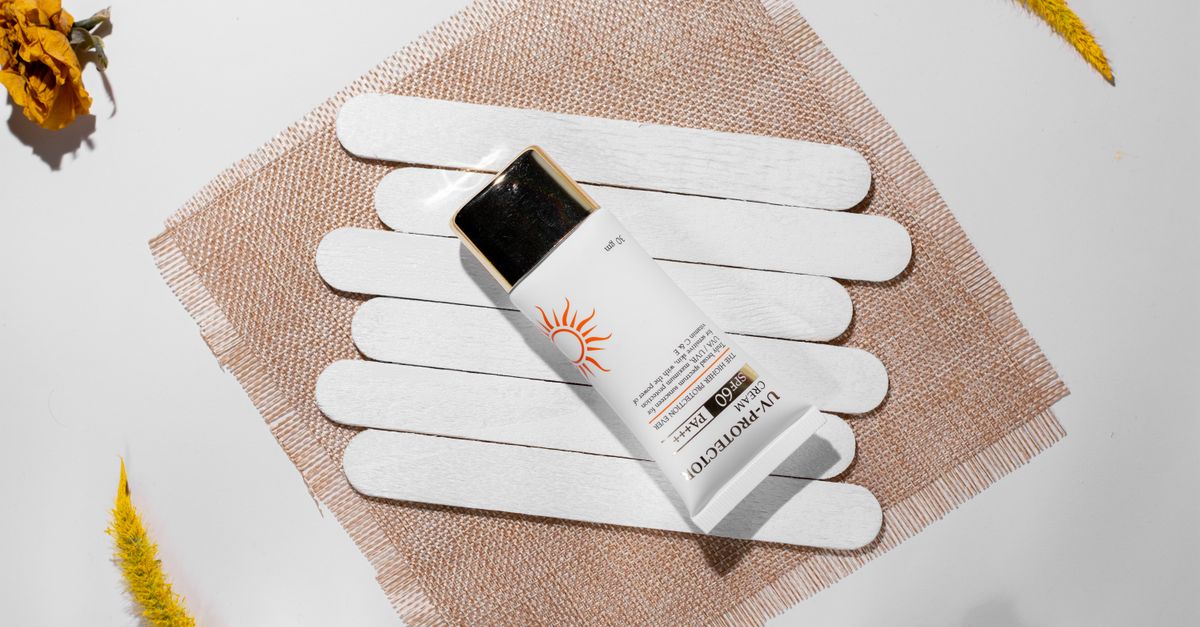
1. Introduction and Mechanism of Action for Stout Daily SPF for Men
Stout Daily SPF for Men is a targeted topical photoprotectant utilizing an inorganic mineral filter to defend the skin from the full spectrum of solar radiation. The most notable side effect experienced by users is a pronounced, localized white residue left on the skin surface, accompanied by a heavy, occlusive sensation that can occasionally trap heat against the epidermis.
The therapeutic mechanism of action is entirely physical, relying exclusively on the inorganic compound zinc oxide. Unlike organic chemical sunscreens that absorb radiation and convert it to heat, zinc oxide acts as a literal, microscopic shield. When applied to the skin, it forms an opaque barrier resting on top of the stratum corneum.
This mineral barrier actively reflects and scatters incoming photons across both the Ultraviolet A and Ultraviolet B spectrums, bouncing the harmful rays away from the body before they can penetrate the skin. This immediate physical reflection prevents the radiation from causing acute superficial burning, profound cellular DNA damage, and long-term photocarcinogenesis. Because the zinc oxide particles are not absorbed into the bloodstream, they provide a highly stable and non-reactive layer of defense.
2. Warnings and Prerequisites Before Using Stout Daily SPF for Men
Prior to initiating use of this mineral sunscreen, individuals must ensure their epidermal barrier is largely intact. While zinc oxide is highly inert and widely regarded as safe for sensitive skin, applying a thick, heavy cream to deep, open wounds, severe puncture injuries, or actively weeping burns can severely impede the natural healing cascade and increase the risk of localized infection.
This formulation is intended exclusively for external application. Care must be taken to prevent the heavy cream from entering the ocular cavity. While zinc oxide is generally non-toxic, the coarse mineral particulates and the lipid suspension base can induce severe mechanical irritation and chemical conjunctivitis if rubbed into the eyes.
Furthermore, individuals with severe, active acne vulgaris should exercise caution. The robust, occlusive nature of heavy mineral sunscreens can trap sebum, sweat, and bacteria within the hair follicles. If not meticulously washed off at the end of the day, this occlusion will aggressively exacerbate existing acne lesions and promote new comedone formation.
3. Indications and Dosage Guide for Stout Daily SPF for Men
Stout Daily SPF for Men is clinically indicated for the broad-spectrum prevention of acute solar erythema, commonly known as sunburn, and the long-term mitigation of premature photoaging and actinic keratosis. It is particularly advantageous for individuals who suffer from severe contact dermatitis when using traditional organic chemical sunscreens, as zinc oxide rarely provokes allergic responses.
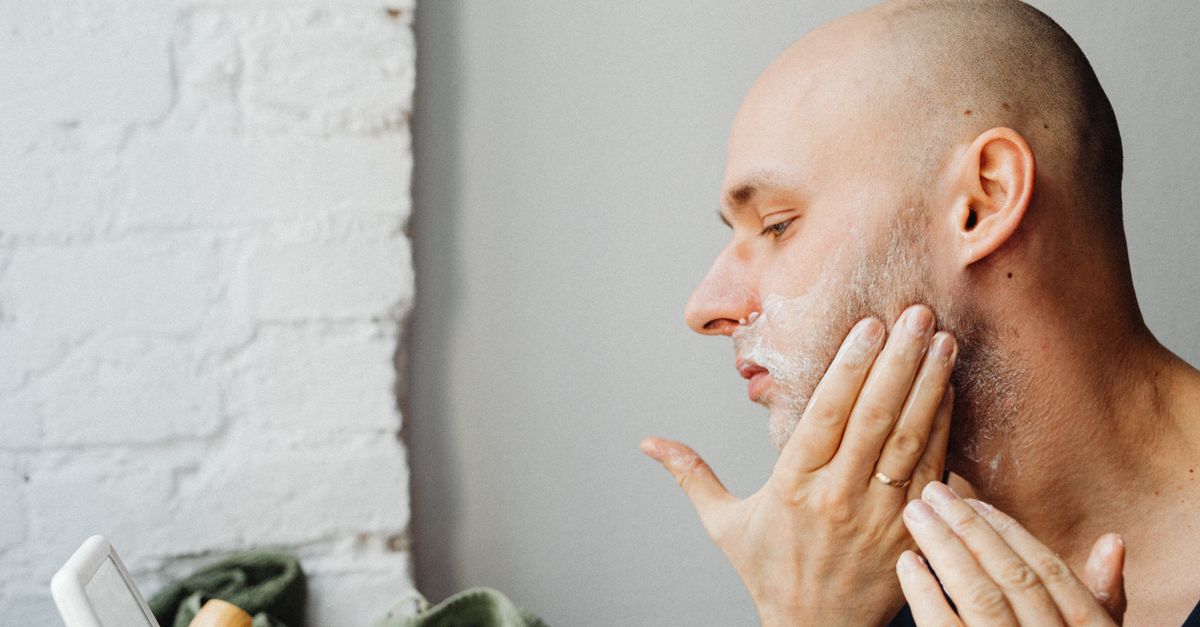
To achieve the optimal Sun Protection Factor, the application technique must be thorough and generous. Users should apply the equivalent of a nickel-sized dollop to the face, ensuring complete coverage across the forehead, nose, cheeks, and neck. Because it is a physical barrier, it begins working the moment it is applied to the skin; there is no requisite waiting period before entering sunlight.
Reapplication remains a strict clinical requirement. While zinc oxide does not degrade under ultraviolet stress like chemical filters do, it is easily removed by physical friction, heavy sweating, or swimming. Therefore, the product must be thoroughly reapplied every two hours, or immediately following any activity that wipes the physical barrier away from the skin surface.
4. In-Depth Side Effects Analysis of Stout Daily SPF for Men
The side effect profile of this mineral sunscreen is fundamentally driven by its physical properties rather than systemic biochemical interactions, focusing primarily on cosmetic and dermatological alterations.
Common Side Effects
The application of heavy, opaque mineral particles naturally produces immediate physical changes to the skin’s surface and appearance.
| Side Effect Category | Specific Symptoms |
|---|---|
| Cosmetic and Sensory | Distinct white cast on the skin, heavy or greasy sensation |
| Dermatological | Mild skin dryness, localized trapping of body heat |
Serious Side Effects You Should Report
Patients must discontinue use and seek clinical evaluation if they develop signs of a severe localized contact dermatitis. While exceptionally rare with zinc oxide, an allergy to the inactive ingredients in the lotion base can trigger the sudden appearance of intense hives, severe facial swelling, or severe burning pain requiring medical intervention.
Rare Side Effects
In very rare clinical scenarios, chronic and excessive use of extremely thick zinc oxide pastes without adequate cleansing can lead to a condition known as acne mechanica or severe folliculitis. The trapped heat and friction cause widespread, painful inflammation of the hair follicles across the face, neck, and shoulders.
Side Effects That Usually Do Not Require Medical Attention
A persistent chalky or ashen appearance on individuals with deeper skin tones is a harmless physical property of the mineral reflecting light and requires no therapeutic action. A temporary difficulty in washing the product off with water alone is also an expected consequence of its intended water-resistant formulation.
5. Stout Daily SPF for Men Overdose Symptoms and Management
A systemic, life-threatening overdose resulting from the standard topical application of zinc oxide is biologically impossible. The mineral molecules are too large to penetrate the stratum corneum and enter the systemic circulation in any pharmacologically relevant volume. However, chronic topical over-application simply leads to profound pore occlusion and severe dermatological breakouts.
Accidental oral ingestion, particularly by young children, poses a moderate toxicity hazard. Ingesting large quantities of zinc oxide can act as a direct gastric irritant. Symptoms of substantial ingestion include immediate nausea, abdominal cramping, and vomiting. The heavy lipid base will also exert a noticeable laxative effect.
In the event of severe localized skin irritation from pore occlusion, the patient must thoroughly wash the affected areas with a clarifying cleanser and warm water. If a pediatric patient accidentally ingests the product, caregivers must not induce vomiting. Immediate consultation with a local poison control center is required for supportive care guidance.
6. Missed Dose and What to Avoid During Therapy
In the context of photoprotection, a missed dose refers to neglecting to apply the sunscreen before sun exposure or failing to adhere to the two-hour reapplication schedule. If this occurs, the patient must immediately seek physical shade, apply the mineral sunscreen generously, and they are then immediately protected upon application.
While utilizing this product, patients must strictly avoid the false sense of security that often accompanies sunscreen use. Zinc oxide provides excellent protection, but it does not block one hundred percent of solar radiation. Patients must avoid prolonged sun exposure during peak radiation hours, typically between ten in the morning and four in the afternoon.
Patients should also avoid applying this thick mineral cream simultaneously with topical prescription medications that actively exfoliate the skin, such as those discussed in clinical guides on tretinoin, without allowing the prescription to fully dry first. Applying heavy zinc over a wet prescription cream can alter its intended absorption rate.
7. Drug and Alcohol Interactions with Stout Daily SPF for Men
The risk of significant systemic drug interactions is virtually non-existent. Because the active inorganic zinc oxide sits entirely on the surface of the skin and does not enter the bloodstream, it cannot interact with or alter the hepatic metabolism of orally administered medications.
However, localized topical interactions remain a consideration in daily dermatological regimens. Patients utilizing prescription topical treatments for the face must apply the zinc oxide as the final step in their routine. Layering a heavy, occlusive mineral barrier beneath a prescription cream physically prevents the medication from reaching the epidermis, rendering the prescription therapeutically useless.
There is no direct pharmacological interaction between this mineral protectant and the consumption of oral alcohol. However, substantial alcohol intake severely impairs judgment and induces systemic dehydration. Impaired individuals frequently forget to adhere to the strict two-hour reapplication protocol, commonly resulting in severe, painful facial sunburns.
8. Precautions, Safety, and Duration of Action
The protective mechanism of this formulation is instantaneous. Because zinc oxide functions as a physical shield, the product protects the skin the very second it is applied. There is no requisite waiting period for chemical bonding, making it highly effective for immediate, unplanned sun exposure.
A paramount safety precaution is the strict observance of the reapplication timeline. While the zinc does not degrade in sunlight, normal physical activities such as touching the face, sweating, and wiping with a towel physically remove the barrier. Reapplication every two hours is medically mandatory to ensure continuous protection.
For general safety, users must ensure they thoroughly cleanse their face at the end of the day. Zinc oxide requires a dedicated facial cleanser and warm water to break down the lipid suspension. Relying solely on water will leave the mineral residue trapped in the pores, leading to rapid dermatological congestion.
9. How to Stop Taking Stout Daily SPF for Men and Storage Guidelines
Discontinuing the use of this topical protectant requires no formal medical tapering schedule. Once the period of sun exposure has concluded, patients must vigorously wash the remaining sunscreen off their face using a dedicated cleanser and warm water to prevent prolonged occlusion of the facial pores.
To preserve the suspension of the zinc oxide within the lotion base, the product must be stored properly. The container must be kept tightly closed and stored at controlled room temperature. Exposing the product to extreme heat, such as leaving it inside a hot vehicle, can cause the formulation to separate, leaving a watery liquid and a useless, thick paste.
Expired products must be discarded. While zinc oxide itself does not expire, the lotion base degrades over time, harboring bacteria and losing its ability to spread evenly across the skin, offering a false sense of security. Proper disposal involves placing the sealed container into standard household waste.
10. When to Seek Medical Attention for Stout Daily SPF for Men Use
Medical evaluation is mandatory if a patient develops a severe, blistering sunburn on their face despite the diligent and generous application of the product. Such an occurrence points to either a complete failure of the expired product or an underlying pathological condition, such as a severe medication-induced photosensitivity, which requires urgent diagnostic investigation.
Patients must seek prompt clinical care if they notice signs of a profound bacterial infection following a sunburn or severe localized allergic reaction. The emergence of rapidly expanding redness, significant heat radiating from the tissue, or the presence of thick, purulent discharge signals a dangerous secondary infection necessitating prescription antimicrobial therapy.
Emergency medical intervention is absolutely critical if the patient displays symptoms of a systemic anaphylactic response. While allergy to zinc is extremely rare, an allergy to the inactive ingredients can trigger rapid swelling in the tongue and throat, profound difficulty breathing, or a widespread rash immediately following application, indicating a life-threatening hypersensitivity.
Frequently Asked Questions (FAQ)
1. Why does this sunscreen leave my face looking pale or white?
The active ingredient, zinc oxide, is a white mineral powder that sits on top of your skin to reflect sunlight. Because it acts as a physical, opaque mirror, it naturally leaves a visible white cast.
2. Do I have to wait fifteen minutes before going into the sun with this product?
No. Unlike chemical sunscreens, zinc oxide begins reflecting sunlight the exact second you apply it to your skin, providing immediate protection.
3. Does a mineral sunscreen mean I do not have to reapply it?
Absolutely not. While the zinc does not break down in the sun, sweating, swimming, and simply touching your face physically wipe the mineral barrier off. You must reapply every two hours.
4. Is this product safe to use if I have very sensitive skin?
Yes, zinc oxide is generally considered the safest and least irritating sunscreen ingredient available. It is highly recommended for individuals who suffer from severe allergies to chemical sunscreens.
5. Why is this sunscreen so difficult to wash off my face at night?
The product is formulated to be water-resistant so sweat does not immediately wash it away. You must use a dedicated facial cleanser and warm water to break down the product at the end of the day.
6. Can I mix this sunscreen into my daily moisturizer to thin it out?
No. Mixing sunscreen with other products dilutes the active ingredients and separates the formulation, leaving you with uneven, highly compromised protection against the sun.
7. What should I do if the sunscreen accidentally gets rubbed into my eyes?
You must immediately flush your eyes with copious amounts of fresh, cool water for at least fifteen minutes. The zinc particles can scratch your eye and cause severe irritation if not completely flushed out.
Bibliography
Disclaimer: The content is for informational purposes only and does not replace medical advice. Always consult your doctor or pharmacist for personalized treatment.