1. Introduction & Mechanism of Action: How Sulfur Calming Mask Works
Sulfur Calming Mask is a topical dermatological treatment utilizing elemental sulfur as its active pharmacological agent to treat acne vulgaris, rosacea, and seborrheic dermatitis. The most notable side effect is localized skin irritation, presenting as marked dryness, flaking, and a distinct odor that may persist even after the product is thoroughly removed from the skin.
Elemental sulfur has been utilized in dermatology for decades due to its highly effective keratolytic, mild antibacterial, and potent anti-inflammatory properties. The precise mechanism of action involves the direct interaction of sulfur with the cysteine present in the stratum corneum, the outermost layer of the epidermis. This chemical interaction produces hydrogen sulfide and polythionic acid upon contact with the skin.
These resulting chemical compounds act to actively dissolve the intercellular cement holding dead keratinocytes together, promoting rapid exfoliation and preventing the physical blockage of the sebaceous follicle. Furthermore, sulfur creates a highly hostile, oxygen-rich environment within the pore that is deeply toxic to Cutibacterium acnes, the primary anaerobic bacterium responsible for inflammatory acne lesions, effectively halting bacterial proliferation.
2. Warnings & Before Taking: Prerequisites for Sulfur Calming Mask
The application of high-concentration elemental sulfur requires a careful assessment of the patient’s epidermal integrity. This mask must absolutely never be applied to skin that is actively bleeding, severely ulcerated, or heavily sunburned. Applying a potent keratolytic agent to an open wound will cause excruciating chemical pain, severe tissue irritation, and significantly delayed wound healing.
Patients with a known, documented hypersensitivity or severe allergy to sulfur must strictly avoid this formulation. While true elemental sulfur allergies are clinically rare compared to sulfonamide antibiotic allergies, cross-reactivity or direct hypersensitivity can occur. A severe allergic response will rapidly manifest as intense facial edema, widespread hives, or severe contact dermatitis requiring emergency intervention.
Additionally, patients currently utilizing aggressive prescription acne regimens should consult their dermatologist prior to introducing this mask. The inherently drying nature of sulfur can violently compound the barrier disruption caused by other treatments, leading to a massive inflammatory flare rather than a calming effect.
3. Indications & Dosage Guide for Sulfur Calming Mask
This specific dermatological formulation is indicated for the topical management of inflammatory and comedonal acne vulgaris, and as an adjunctive therapy to reduce the redness and swelling associated with rosacea. It is designed as an intermittent, wash-off therapeutic mask rather than a daily leave-on cream.
Standard clinical application requires the user to cleanse the skin thoroughly and pat it completely dry. A thin, even layer of the sulfur mask is then applied to the affected areas, strictly avoiding the delicate tissues surrounding the eyes and the lips. The mask must be left on the skin for exactly ten to fifteen minutes, allowing the active chemical reactions to occur, before being completely rinsed away with lukewarm water.
Patients are generally advised to utilize this treatment only one to three times per week. Applying the mask daily is strictly contraindicated for most skin types, as the aggressive keratolytic action will rapidly decimate the skin’s natural lipid barrier, resulting in profound, painful dehydration and severe peeling.
4. In-Depth Side Effects Analysis of Sulfur Calming Mask
While elemental sulfur is a highly effective antimicrobial and keratolytic agent, its fundamental chemical nature produces a predictable array of localized, epidermal adverse events.
| Side Effect Category | Specific Symptoms |
|---|---|
| Dermatological / Local | Profound dryness, epidermal peeling, mild erythema, tautness |
| Sensory | Persistent hydrogen sulfide odor, mild stinging upon application |
| Immunological (Rare) | Allergic contact dermatitis, severe facial swelling, blistering |
Common Side Effects
The most universally encountered side effect is profound, localized skin dryness immediately following the removal of the mask. Patients frequently experience visible flaking and a sensation of extreme tautness as the sulfur actively absorbs excess sebum. A highly characteristic side effect is the lingering odor of hydrogen sulfide, often described as a faint “rotten egg” smell, which can temporarily adhere to the skin and surrounding hair.
Serious Side Effects You Should Report
Patients must immediately report any signs of a severe allergic reaction. Sudden, massive swelling of the face, intense and unyielding itching, or the rapid development of weeping, fluid-filled blisters are critical emergencies. If the skin develops severe, painful burning that does not subside after rinsing the mask off, the product must be permanently discontinued and a dermatologist consulted promptly.
Rare Side Effects
In rare clinical instances, chronic overuse of the product can precipitate severe irritant contact dermatitis, characterized by dark, hyperpigmented, and leathery patches of skin. Furthermore, applying sulfur to areas of skin previously treated with heavy metal compounds can cause a rare chemical reaction resulting in a temporary, highly visible black discoloration of the epidermis.
Side Effects That Usually Do Not Require Medical Attention
Mild, transient stinging immediately upon applying the mask is a standard pharmacological response to the keratolytic action and typically resolves within a few minutes. A slight, temporary increase in redness immediately after rinsing the mask off is also expected due to the mild physical stimulation required to remove the dried product.
5. Overdose: Symptoms of Sulfur Calming Mask Toxicity
Systemic overdose or profound toxicity from topically applied elemental sulfur is exceedingly rare due to its negligible absorption into the systemic bloodstream. However, localized toxicity from massive epidermal overuse is a highly common clinical occurrence.
The symptoms of localized epidermal overdose manifest as extreme, painful barrier destruction. The patient will exhibit severe erythema, agonizing burning, and massive, sheet-like peeling of the stratum corneum. The skin becomes highly sensitized to even plain water, and micro-fissures may develop, leaving the patient extremely vulnerable to secondary bacterial infections like staphylococcus.
If severe localized toxicity occurs due to misuse, the patient must immediately cease all active skincare treatments. Clinical management involves aggressive barrier repair therapy. The patient must forcefully wash away any remaining product and apply a thick, bland, occlusive ointment, such as white petrolatum, multiple times a day to simulate a moisture barrier until the epidermis can naturally regenerate.
6. Missed Dose & What to Avoid While Taking Sulfur Calming Mask
Because this therapeutic mask is utilized on an intermittent, as-needed basis, there is no strict daily dosing schedule, making the concept of a missed dose clinically irrelevant.
Patients must rigorously avoid applying this mask concurrently or sequentially with topical products containing mercury, such as certain imported skin-lightening creams. The chemical interaction between elemental sulfur and mercury violently creates hydrogen sulfide gas and a black precipitate of mercuric sulfide on the skin, causing severe chemical burns and permanent staining. Furthermore, aggressive physical exfoliants and harsh alcohol toners must be strictly avoided to prevent catastrophic barrier collapse.
7. What Drugs Interact with Sulfur Calming Mask?
Due to the brief application time and lack of systemic absorption, pharmacokinetic interactions with oral medications are virtually nonexistent. The primary interactions of clinical concern strictly involve other topically applied dermatological compounds.
The most severe localized interaction occurs when the sulfur mask is combined in the same regimen with topical retinoids, such as tretinoin or tazarotene. Both medications fiercely accelerate epidermal cellular turnover and profoundly compromise the moisture barrier. Using them closely together frequently leads to severe, painful erythema, deep fissuring of the skin, and weeping dermatitis. If both are prescribed, the mask must be used on days when the retinoid is explicitly withheld.
Furthermore, concurrent use with high-concentration benzoyl peroxide washes or leave-on gels significantly amplifies epidermal dehydration. While sometimes utilized together in highly resistant clinical cases, unguided combination therapy usually results in severe irritant contact dermatitis.
8. Precautions, Safety & Duration of Action for Sulfur Calming Mask
The keratolytic action of the mask occurs rapidly during the ten to fifteen-minute application window. The anti-inflammatory and sebum-reducing effects can persist for several days, justifying the recommended spacing of treatments throughout the week.
A paramount safety precaution involves strict protection from the eye area. Sulfur is highly irritating to the delicate conjunctival mucosa. Patients must maintain a wide margin around the eyes during application. By continuously stripping away the dead keratinocytes, sulfur also actively thins the outermost protective layer of the skin, increasing susceptibility to severe sunburn. Patients must rigorously apply a broad-spectrum sunscreen every morning.
9. How to Stop Taking Sulfur Calming Mask & Storage
There is no physiological dependence associated with topical sulfur. Users may abruptly discontinue the use of this mask at any time without experiencing withdrawal symptoms. However, ceasing the antibacterial and keratolytic action may result in a gradual return of acne lesions or rosacea flares.
The product must be stored at standard room temperature, securely away from direct heat sources and sunlight. Ensure the jar or tube is tightly sealed after each use to prevent the product from drying out into a solid, unusable block and to contain the inherent sulfur odor. Keep the product strictly out of the reach of young children.
10. When to See a Doctor Regarding Sulfur Calming Mask
Medical evaluation is strictly necessary if the patient develops a persistent, severe rash, intense and prolonged burning, or painful blistering that does not resolve after stopping the product for several days. These dermatological signs point to a fundamental chemical intolerance requiring alternative acne or rosacea management strategies.
Emergency medical care is absolutely mandatory if any signs of systemic allergic distress manifest. If the user suddenly develops massive facial swelling, extreme difficulty breathing, or widespread hives immediately during or after using the mask, they must seek immediate emergency assistance for suspected anaphylaxis.
Frequently Asked Questions (FAQ)
1. Can I leave the mask on overnight to dry out a massive pimple?
Absolutely not. Leaving a high-concentration sulfur mask on overnight will severely burn the skin, causing intense redness, extreme pain, and a massive peeling wound that takes weeks to heal. Always rinse it off after fifteen minutes.
2. Why does my skin smell even after I washed the mask off?
Elemental sulfur naturally converts to hydrogen sulfide gas when it interacts with the proteins in your skin. This harmless but distinct odor can temporarily linger on the skin and hair for several hours after washing.
3. Will this mask permanently cure my rosacea?
No. Rosacea is a chronic inflammatory skin condition with no permanent cure. The sulfur mask provides highly effective symptomatic relief by reducing acute redness and inflammation, but it must be used consistently to manage the condition.
4. Can I use this mask if I am allergic to sulfa antibiotics?
Generally, yes. Sulfa antibiotics and elemental sulfur possess entirely different chemical structures. An allergy to sulfonamide drugs does not typically mean you are allergic to elemental sulfur, but always perform a patch test first.
5. Should I apply a heavy moisturizer after using this mask?
Yes, it is highly recommended. The mask aggressively strips excess oil and dead skin cells. Applying a gentle, non-comedogenic moisturizer immediately after drying your face is crucial to restoring hydration and preventing excessive skin tightness.
6. Is it safe to use this mask on my chest or back acne?
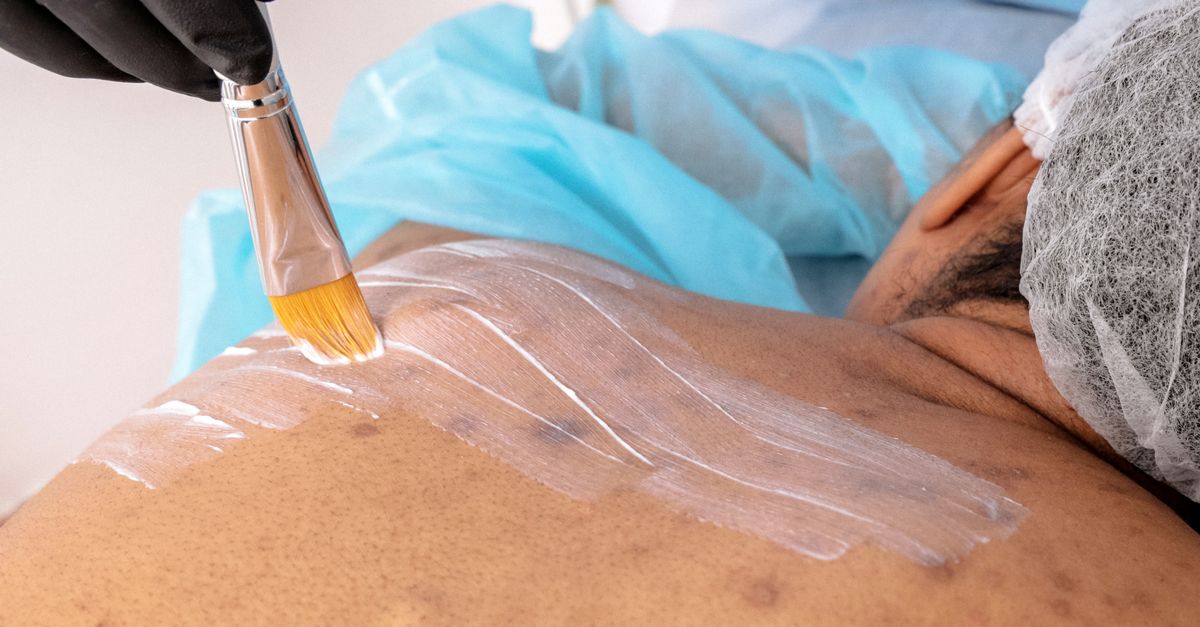
Yes. The skin on the chest and back is generally thicker and more resilient than facial skin, making this mask an excellent option for managing larger areas of truncal acne vulgaris.
7. What should I do if the mask accidentally gets into my eyes?
Sulfur will cause severe stinging and chemical irritation to the ocular tissues. Flush your eyes immediately and continuously with cool, clean water for at least fifteen minutes. If the intense burning persists, seek emergency medical care.
Bibliography
Disclaimer: The content is for informational purposes only and does not replace medical advice. Always consult your doctor or pharmacist for personalized treatment.