1. Introduction & Mechanism of Action of TheraCare Triple Antibiotic
TheraCare Triple Antibiotic combines three distinct antibacterial agents to prevent superficial dermal infections in minor wounds. The most notable side effect is severe allergic contact dermatitis, primarily triggered by hypersensitivity to the highly immunogenic neomycin sulfate component. This first aid formulation is specifically engineered to provide broad spectrum bactericidal coverage while maintaining optimal moisture balance for epidermal repair.
The pharmacological mechanism relies on the synergistic action of three highly targeted antibiotics. Polymyxin B sulfate aggressively binds to the cell membranes of Gram negative bacteria, altering their permeability and causing the fatal leakage of intracellular contents. Bacitracin zinc disrupts the synthesis of the bacterial cell wall in Gram positive organisms by interfering with the transport of peptidoglycan precursors, leading to cellular lysis.
Simultaneously, neomycin sulfate acts as an aminoglycoside antibiotic. It penetrates the bacterial cell and binds directly to the 30S ribosomal subunit. This binding completely inhibits bacterial protein synthesis, resulting in rapid bacterial death. Together, these three compounds eradicate a vast array of common cutaneous pathogens, heavily suppressing the risk of localized wound infection.
2. Warnings & Before Taking TheraCare Triple Antibiotic
Before initiating therapy with this topical antibiotic, patients must critically evaluate the nature and depth of their dermal injury. The ointment is strictly contraindicated for the treatment of deep puncture wounds, animal bites, and severe third degree burns. Applying this medication to deep, heavily vascularized wounds dramatically increases the systemic absorption of the antibiotics, risking severe nephrotoxicity and ototoxicity.
Individuals with a known hypersensitivity to aminoglycoside antibiotics must avoid this product entirely. Neomycin is a notorious sensitizing agent in clinical dermatology. Patients who repeatedly use neomycin based products frequently develop a profound localized delayed type hypersensitivity reaction, which can easily be misdiagnosed as a worsening bacterial infection.
A critical safety warning involves the potential for bacterial resistance and superinfections. Utilizing this broad spectrum topical antibiotic for prolonged periods, or applying it unnecessarily to uninfected, intact skin, selectively eradicates normal cutaneous flora. This severely disrupts the localized microbiome, paving the way for aggressive colonization by resistant bacteria or opportunistic fungal pathogens.
3. Indications & Dosage Guide for TheraCare Triple Antibiotic
TheraCare Triple Antibiotic is clinically indicated for the first aid prevention of superficial bacterial infections in minor cuts, simple scrapes, and mild epidermal burns. It is designed to act as a prophylactic barrier, providing both antibacterial activity and a moist occlusive environment that heavily promotes rapid cellular re epithelialization.
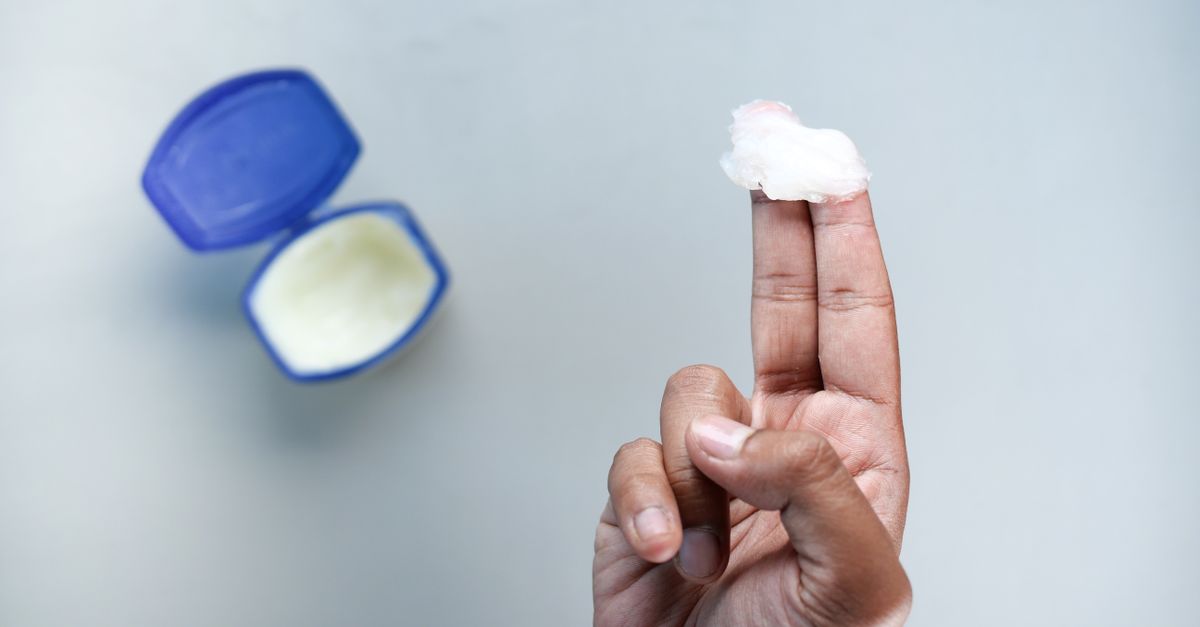
For adults and children, the standard dosage protocol involves carefully cleaning the affected area with mild soap and water and allowing it to dry completely. A very small amount of the ointment, approximately equal to the surface area of a fingertip, should be applied directly to the wound up to three times daily. The treated area may subsequently be covered with a sterile bandage to protect the healing tissue.
Over the counter use must remain strictly short term. Patients must not use this medication consecutively for more than seven days. If the minor wound shows absolutely no clinical signs of healing, or if the localized pain increases after a full week of therapy, professional medical evaluation is mandatory to rule out a deep seated infection.
4. In-Depth Side Effects Analysis of TheraCare Triple Antibiotic
While highly effective at preventing localized bacterial colonization, the potent antibiotic compounds, particularly neomycin, frequently induce specific dermatological and hypersensitivity adverse events.
| Side Effect Category | Specific Symptoms |
|---|---|
| Dermatological Reactions | Severe contact dermatitis, erythema, localized edema |
| Microbial Imbalance | Fungal superinfections, resistant bacterial overgrowth |
| Systemic Toxicity Risk | Ototoxicity, nephrotoxicity |
Common Side Effects
The most frequently encountered side effect is mild localized irritation. Patients may experience transient stinging, mild erythema, or slight pruritus directly at the application site immediately after applying the ointment to raw tissue. This is a standard physiological response to the chemical nature of the active ingredients and typically resolves as the wound begins to close.
Serious Side Effects you should report
Patients must seek immediate medical evaluation if they develop signs of severe allergic contact dermatitis. Symptoms demanding attention include extreme, expanding redness, profound tissue swelling, the sudden appearance of intensely itchy vesicles, and severe weeping from the wound site. Furthermore, if the wound begins to exhibit radiating heat, ascending red streaks, or foul smelling purulent discharge, a resistant superinfection has likely developed.
Rare Side Effects
Systemic absorption leading to profound toxicity is exceedingly rare with minor topical use but becomes a severe clinical threat if the ointment is applied to massive areas of denuded skin. Aminoglycosides like neomycin can cause irreversible ototoxicity, resulting in profound hearing loss, and severe nephrotoxicity, leading to acute renal failure. True systemic anaphylaxis to the antibiotics is also rare but highly dangerous.
Side effects that usually do not require medical attention
A persistent heavy greasy texture over the wound is the intended physical outcome of the protective petrolatum base. A slight blanching of the tissue immediately surrounding the wound edges due to moisture trapping under a bandage is harmless and will resolve spontaneously once the dressing is removed.
5. Overdose Symptoms and Management for TheraCare Triple Antibiotic
An acute topical overdose following a single heavy application on a minor scrape is clinically impossible due to minimal systemic absorption. However, a massive overdose occurs if the patient applies vast quantities of the ointment over highly compromised epidermal barriers, such as extensive thermal burns or massive traumatic abrasions, forcing toxic levels of neomycin and polymyxin B into the bloodstream.
The primary symptoms of a systemic triple antibiotic overdose heavily target the kidneys and the auditory nerves. The patient may experience sudden profound changes in urine output, extreme lethargy, and severe peripheral edema as acute renal failure sets in. Concurrently, ototoxicity manifests as severe tinnitus, extreme dizziness, loss of balance, and irreversible sensorineural hearing loss.
Management of a severe systemic overdose requires immediate emergency medical intervention. The remaining topical ointment must be meticulously washed from the skin to halt further absorption. The patient must be admitted to an intensive care unit for aggressive intravenous fluid resuscitation to protect renal function, and potentially hemodialysis to aggressively clear the circulating antibiotics from the blood plasma.
6. Missed Dose & What to avoid while using TheraCare Triple Antibiotic
As this medicated ointment is utilized exclusively for first aid prophylaxis, there is no rigid scheduled regimen to follow. A missed application has no severe clinical relevance. Patients should reapply a thin layer only when the wound dressing is changed or if the protective barrier is accidentally washed away, respecting the daily maximum limits.
Patients must meticulously avoid applying this ointment in or near the ocular tissues. Exposing the eyes to highly concentrated topical antibiotics can cause severe corneal irritation, conjunctival inflammation, and aggressive cellular toxicity. If accidental ocular contact occurs, immediate and prolonged flushing with sterile saline is mandatory, followed by an ophthalmological consultation.
Furthermore, patients must avoid utilizing this product for viral skin lesions, such as cold sores or herpes simplex outbreaks. The antibiotics possess absolutely no antiviral properties. Applying a heavy occlusive ointment to a viral lesion can cause severe localized maceration and heavily increase the risk of spreading the viral particles to adjacent healthy tissue.
7. Drug & Alcohol Interactions with TheraCare Triple Antibiotic
Because of the exceedingly low systemic absorption associated with appropriate localized use, over the counter triple antibiotic ointment rarely interacts with systemic oral medications or alcohol consumption. Patients can safely consume oral analgesics or anti inflammatory drugs concurrently to manage wound pain.
Critical interactions occur exclusively at the dermal level. Patients must avoid applying this antibiotic ointment concurrently with other topical medications, particularly prescription strength corticosteroid creams like hydrocortisone. Combining a potent steroid with these antibiotics can severely mask the signs of an advancing resistant infection by artificially suppressing the localized immune response.
Additionally, patients should avoid exposing the treated wound to harsh chemical astringents, such as hydrogen peroxide or rubbing alcohol, immediately before applying the ointment. These harsh chemicals heavily damage the delicate newly forming epithelial cells and actively delay the wound healing process that the ointment is attempting to protect.
8. Precautions, Safety & Duration of Action for TheraCare Triple Antibiotic
The onset of bactericidal action generally begins within minutes of application as the antibiotics diffuse into the wound bed. The therapeutic duration of a single application typically lasts for several hours, provided the ointment is not physically wiped away, necessitating the recommended multiple daily applications for sustained prophylactic coverage.
Special precautions must be taken concerning pediatric safety. While generally safe for small cuts on children, caregivers must ensure the child does not aggressively rub the treated wound and subsequently touch their eyes or mouth. The ointment must be applied sparingly, and the area should be securely covered with a pediatric bandage.
Patients utilizing the product must understand the concept of antibiotic stewardship, even for over the counter products. Using this ointment constantly for every minor blemish or intact scratch heavily promotes the development of highly resistant bacterial strains on the skin. It should be reserved strictly for wounds that genuinely break the dermal barrier.
9. How to stop taking TheraCare Triple Antibiotic & Storage/Disposal
Discontinuing the short term use of this antibiotic ointment requires no tapering protocol. Patients should cease application entirely once the minor wound has successfully formed a solid scab or shows complete epidermal closure. Continuing to apply the heavy ointment over a closed wound provides no clinical benefit and heavily increases the risk of developing a delayed neomycin allergy.
Storage protocols require the tube to remain tightly capped to prevent environmental contamination of the sterile ointment base. The medication must be stored at a stable room temperature, entirely away from direct sunlight and severe heat. High temperatures can cause the base to liquefy and permanently degrade the chemical stability of the complex antibiotic molecules.
Proper disposal is critical for environmental safety and the prevention of antimicrobial resistance. Active antibiotic compounds must never be introduced into municipal plumbing systems or flushed down the toilet. Empty or partially used tubes should be disposed of in standard solid waste bins out of the reach of children, or returned to an official pharmacy take back program.
10. When to see a doctor regarding TheraCare Triple Antibiotic
A medical evaluation is strictly mandated if the minor wound fails to show visible signs of healing, or actively worsens, after seven continuous days of topical therapy. Relying solely on an over the counter ointment for a stagnant wound severely delays the diagnosis of a deep seated infection that requires targeted oral antibiotic therapy.
Immediate physician intervention is required if the application site develops signs of aggressive contact dermatitis or an advancing superinfection. Symptoms demanding attention include extreme blistering, severe expanding redness, throbbing pain, radiating heat, or the presence of foul smelling purulent exudate that persists despite treatment.
Furthermore, if the patient sustains a wound from a highly contaminated source, such as a rusty nail, an animal bite, or a deep puncture filled with soil, they must immediately bypass over the counter treatments and proceed to a medical facility for professional wound debridement and vital tetanus prophylaxis.
Frequently Asked Questions (FAQ)
1. How do the three antibiotics in this ointment work together?
Polymyxin B and bacitracin actively destroy the protective cell walls of bacteria, while neomycin enters the bacteria and completely stops them from producing the proteins they need to survive.
2. Why shouldn’t I use this ointment for more than seven days?
Using it for longer than a week heavily increases your risk of developing a severe allergic reaction to the neomycin, and it can also cause highly resistant super bacteria to grow on your skin.
3. Can I use this ointment to treat my severe acne breakouts?
Absolutely not. Acne is deeply rooted in your pores and is caused by different factors. This heavy ointment will aggressively clog your pores and make the acne significantly worse.
4. Is it safe to put this ointment on a deep puncture wound or an animal bite?
No, never apply this to deep or severe wounds. Deep wounds require professional medical cleaning, oral antibiotics, and potentially a tetanus shot to prevent severe, life threatening infections.
5. What should I do if my skin becomes extremely red, itchy, and blistered after using it?
Stop using the ointment immediately and wash the area with mild soap. You have likely developed a severe allergic contact dermatitis to the neomycin. Consult a doctor for proper treatment.
6. Can I use this product inside my nose to prevent dry skin cracking?
No, applying heavy petroleum-based antibiotic ointments inside your nose carries a severe risk of inhaling the particles into your lungs, which can cause a highly dangerous form of pneumonia.
7. Does this ointment heal the wound faster?
The antibiotics do not actively speed up cell growth, but the thick ointment base keeps the wound moist and protected, which creates the optimal environment for your body to heal itself faster.
8. Can I apply this to a cold sore on my lip?
No, cold sores are caused by a virus. This product contains antibacterial medication that has absolutely no effect on viruses, and the heavy base may actually irritate the cold sore further.
Bibliography
Disclaimer: The content is for informational purposes only and does not replace medical advice. Always consult your doctor or pharmacist for personalized treatment.