1. Introduction and Mechanism of Action for TheraCare Triple Antibiotic
TheraCare Triple Antibiotic is a comprehensive topical ointment formulated to prevent bacterial infections in minor cuts, scrapes, and burns while simultaneously providing immediate, localized pain relief. The most frequently documented side effect is allergic contact dermatitis, primarily triggered by hypersensitivity to the neomycin component, which can manifest as intense itching, redness, and swelling at the application site.
The therapeutic efficacy of this product relies on a highly synergistic, four-part pharmacological attack. Bacitracin zinc and neomycin sulfate disrupt bacterial cell wall synthesis and protein synthesis, respectively, providing robust coverage against a wide array of Gram-positive and Gram-negative bacteria, including Staphylococcus and Streptococcus species. Polymyxin B sulfate complements this by aggressively binding to and altering the permeability of the bacterial cell membrane, causing lethal leakage of intracellular contents.
To address the discomfort associated with superficial dermal injuries, pramoxine hydrochloride is incorporated as a potent topical anesthetic. Unlike amide or ester anesthetics, pramoxine temporarily stabilizes the neuronal membranes of peripheral sensory nerves without causing significant vasodilation. It blocks the influx of sodium ions, thereby halting the transmission of pain and itching signals from the traumatized tissue to the central nervous system, providing rapid symptomatic comfort while the triple antibiotics eradicate potential pathogens.
2. Warnings and Prerequisites Before Using TheraCare Triple Antibiotic
Before applying this potent antimicrobial and anesthetic ointment, clinicians and patients must rigorously evaluate the severity of the wound. This formulation is strictly contraindicated for use on deep puncture wounds, severe animal bites, or massive, deep-tissue thermal burns. Applying heavy ointments to deep, contaminated injuries can trap dangerous anaerobic bacteria deep within the tissue and mask the early signs of a systemic, life-threatening infection.
A critical safety warning involves the high rate of allergic sensitization to neomycin. Neomycin sulfate is a notorious contact allergen. Patients with a known history of severe contact dermatitis or hypersensitivity to aminoglycoside antibiotics must absolutely avoid this product. Applying this ointment to compromised skin in a sensitized individual will precipitate a massive localized allergic reaction that severely damages the healing tissue.
Furthermore, this product is formulated exclusively for external epidermal application. It must never be applied to the eyes or inserted deep into the ear canal, especially if the tympanic membrane is ruptured. Introduction of these antibiotics into the middle ear can lead to profound, irreversible ototoxicity, resulting in permanent hearing loss.
3. Indications and Dosage Guide for TheraCare Triple Antibiotic
TheraCare Triple Antibiotic is clinically indicated for the first-aid prevention of infection and the temporary relief of pain and discomfort in minor superficial dermal injuries, including minor cuts, abrasions, scrapes, and minor first-degree burns.
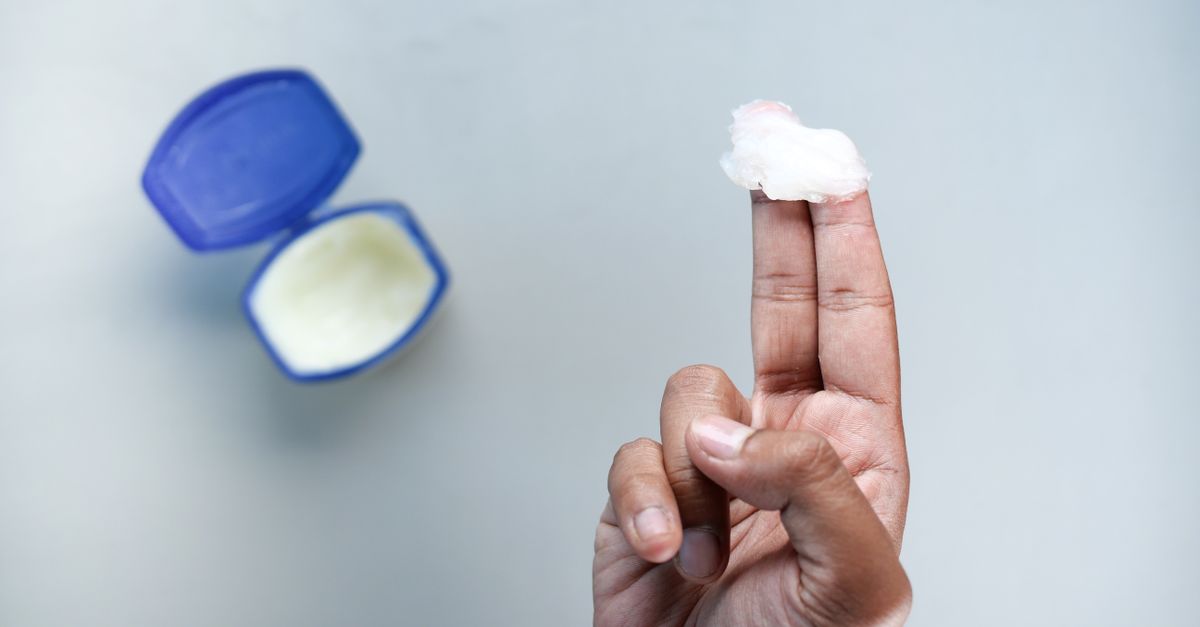
To ensure optimal prophylactic efficacy and safety, the application protocol must be followed meticulously. The patient must first cleanse the affected area thoroughly with mild soap and water, ensuring all gross debris and dirt are removed, and then dry the wound completely. A small amount of the ointment, roughly equivalent to the surface area of a fingertip, should be applied gently to the wound.
This localized application can be repeated one to three times daily. The treated area may be left open to the air or covered with a sterile adhesive bandage to protect it from further environmental contamination. Crucially, the continuous use of this product should not exceed seven days. Prolonged use heavily promotes the development of resistant bacterial strains and increases the risk of acquired neomycin sensitization.
4. In-Depth Side Effects Analysis of TheraCare Triple Antibiotic
Applying a complex mixture of three aggressive antibiotics and a nerve-blocking anesthetic to raw, traumatized tissue inherently carries a significant risk of localized adverse dermatological responses.
Common Side Effects
The interaction between the active ingredients, the heavy lipid ointment base, and the damaged epidermal tissue frequently triggers mild sensory and physical changes.
| Side Effect Category | Specific Symptoms |
|---|---|
| Dermatological | Mild, temporary redness around the wound, localized dry skin |
| Sensory Reactions | Brief, transient stinging upon initial application to raw tissue |
Serious Side Effects You Should Report
Patients must immediately discontinue use, thoroughly wash the ointment off, and seek a clinical evaluation if they develop signs of severe allergic contact dermatitis. The sudden eruption of intense, worsening redness, severe tissue swelling, continuous burning pain, or the formation of weeping blisters surrounding the wound indicates a profound hypersensitivity reaction (likely to neomycin) requiring immediate medical intervention.
Rare Side Effects
In exceedingly rare clinical scenarios, chronic over-application of the ointment to massively denuded skin (such as widespread burns) can lead to the systemic absorption of the antibiotics. Systemic absorption of polymyxin B and neomycin can cause profound nephrotoxicity (kidney damage) and neurotoxicity. Another rare risk is the development of a fungal superinfection, as the aggressive antibiotics eradicate normal skin flora, allowing opportunistic yeast to colonize the wound.
Side Effects That Usually Do Not Require Medical Attention
A profound, localized loss of sensation to touch and pain directly at the application site represents the exact intended pharmacological action of the pramoxine hydrochloride and requires no clinical intervention. A heavy, slightly greasy sensation on the skin is an expected physical characteristic of the protective petrolatum base.
5. TheraCare Triple Antibiotic Overdose Symptoms and Management
A systemic, life-threatening overdose resulting from the standard, localized topical application of this ointment on minor wounds is physiologically highly improbable. The molecules are large and not readily absorbed into the systemic bloodstream in any pharmacologically relevant volume through small abrasions.
However, accidental oral ingestion of the ointment, particularly by toddlers or young children, poses a moderate toxicity hazard. Ingesting substantial quantities of the concentrated antibiotics and the lipid base can act as a direct gastric irritant. Symptoms of massive ingestion include immediate severe nausea, violent abdominal cramping, and vomiting. The pramoxine can cause numbness of the oral cavity and throat, creating a severe choking hazard.
In the event of severe localized skin irritation from hypersensitivity, the patient must immediately wash the affected areas with a strong surfactant cleanser and warm water. If a pediatric patient accidentally ingests the product, caregivers must absolutely not induce vomiting due to the numbing effect on the throat. Immediate consultation with a regional poison control center or transport to an emergency department is strictly required.
6. Missed Dose and What to Avoid During Therapy
Because this triple antibiotic formulation is utilized strictly on an as-needed basis for acute first-aid management, a strict dosing schedule is not medically relevant. If a patient requires continued infection prophylaxis, they simply clean the wound and apply the ointment, ensuring they do not exceed three applications per day.
During the treatment phase, a critical safety mandate is the strict avoidance of chronic, long-term use. Patients must not use this product continuously for more than seven days. Utilizing broad-spectrum antibiotics on the skin for extended periods aggressively eradicates the natural, healthy skin microbiome. This biological vacuum invites severe superinfections by resistant bacteria or aggressive fungal pathogens.
Furthermore, patients should avoid applying this heavy ointment simultaneously with other potent topical medications, such as those discussed in clinical guides regarding topical mupirocin or hydrocortisone, unless explicitly directed by a physician. Layering multiple aggressive chemical agents severely compounds tissue irritation, impedes oxygen exchange, and delays the natural wound healing cascade.
7. Drug and Alcohol Interactions with TheraCare Triple Antibiotic
The risk of significant systemic drug interactions is virtually non-existent when the product is used appropriately on minor wounds. Because the active antibiotics and anesthetic act exclusively within the localized superficial tissues and do not enter the systemic bloodstream in significant volumes, they cannot interact with or alter the hepatic metabolism of orally administered medications.
However, localized topical interactions are a critical consideration in wound care. Patients must avoid applying this heavy, lipid-based ointment over wounds that have already been treated with liquid skin adhesives or surgical glues. The petrolatum base acts as a powerful solvent that will rapidly degrade and dissolve surgical adhesives, causing the wound to instantly reopen and exposing it to severe infection.
There is no direct pharmacological interaction between this localized topical ointment and the consumption of oral alcohol. Nevertheless, heavy alcohol consumption systemically suppresses immune function and impairs blood clotting. This can delay the body’s natural ability to close the wound and restore epidermal homeostasis, slowing the overall healing process.
8. Precautions, Safety, and Duration of Action
The onset of therapeutic analgesia provided by the pramoxine is exceptionally rapid, generally numbing the sharp pain of a minor cut within three to five minutes following application. The robust anesthetic effect and the protective antimicrobial barrier are maintained for several hours, provided the ointment is not physically wiped away or heavily diluted by wound exudate.
A paramount safety precaution involves meticulous hand hygiene. Patients must wash their hands thoroughly before and immediately after applying the ointment. Applying the product with dirty hands physically rubs environmental bacteria directly into the wound, completely defeating the purpose of the antibiotics. Furthermore, touching the eyes with ointment on the fingers can cause severe corneal anesthesia and irritation.
For optimal wound healing, safety protocols dictate that the wound should be kept clean and appropriately covered. Leaving an ointment-covered wound exposed to dirty environments allows dust and debris to stick to the greasy lipid base, turning the wound into a localized trap for new pathogens.
9. How to Stop Taking TheraCare Triple Antibiotic and Storage Guidelines
Discontinuing this localized therapy requires no formal medical tapering schedule. Patients should safely cease application once the minor cut or scrape has formed a solid, healthy scab and the localized pain has subsided, typically within a few days. Stopping the application allows the scab to dry out and heal naturally from the inside.
To preserve the complex chemical stability of the three antibiotics and the pramoxine, the product must be stored correctly. The tube must be kept tightly sealed at controlled room temperature, strictly protected from freezing and excessive heat. Freezing can destroy the ointment emulsion, while high heat can permanently degrade the active antibiotic molecules.
Expired products must be immediately discarded. Over time, the active antibiotics lose their structural integrity and therapeutic capabilities, offering a false sense of security while leaving the wound completely vulnerable to severe bacterial infection. Proper disposal involves throwing the sealed tube into standard household waste.
10. When to Seek Medical Attention for TheraCare Triple Antibiotic Use
Medical evaluation is strictly mandatory if the wound shows no signs of healing, or if the localized pain, redness, and swelling begin to worsen significantly after several days of consistent application. Unyielding or escalating symptoms are a clear clinical indicator that the bacteria in the wound are highly resistant to the topical antibiotics, requiring a physician to prescribe targeted systemic oral antibiotics.
Patients must seek prompt clinical care if they notice signs of a severe, advancing bacterial infection spreading beyond the wound. The emergence of rapidly expanding red streaks traveling up the arm or leg from the wound site, significant heat radiating from the tissue, or the onset of a systemic fever signals a dangerous, potentially life-threatening blood infection (sepsis) requiring immediate emergency intervention.
Emergency medical intervention is absolutely critical if the patient displays symptoms of a systemic anaphylactic response to the ointment. Rapid swelling of the tongue and throat, profound difficulty breathing, or a widespread, severe rash immediately following application indicate a life-threatening hypersensitivity to the antibiotics (frequently neomycin) requiring urgent pharmacological resuscitation.
Frequently Asked Questions (FAQ)
1. Why does my cut look more red and itchy after using this ointment for a few days?
You are likely developing an allergic reaction to neomycin, one of the antibiotics in the ointment. Neomycin allergy is very common and causes severe redness and itching that looks exactly like a worsening infection. Stop using the product immediately.
2. Does this ointment make my cut heal faster?
The ointment does not speed up the biological healing process. It kills bacteria to prevent infection and provides a moist environment, which allows your body’s natural healing mechanisms to work efficiently without interference.
3. Can I use this product on a severe sunburn to stop the pain?
No. Severe sunburns cover massive areas of the body. Applying this strong antibiotic and numbing agent over a massive surface area increases the risk of dangerous amounts of the drug entering your bloodstream.
4. Is it safe to put this ointment inside my dog’s ear for an infection?
Absolutely not. You must never use human antibiotic ointments in a pet’s ear. If the eardrum is ruptured, the antibiotics can cause permanent, irreversible deafness. Always consult a veterinarian.
5. Why is it dangerous to use this ointment for more than seven days?
Using antibiotics on your skin for too long kills off all your healthy, protective bacteria. This allows highly dangerous, antibiotic-resistant bacteria or severe fungal infections to take over the wound.
6. What should I do if the ointment accidentally gets directly into my eye?
You must immediately flush your eye with copious amounts of fresh, cool water for a minimum of fifteen minutes. The numbing agent will make you unable to feel if you are scratching your eye, so you must seek medical care to check for corneal damage.
7. Can I apply this ointment over a surgical incision that was just glued shut?
No. The heavy petrolatum base in the ointment will rapidly dissolve and break down the surgical glue, causing your incision to instantly split open and exposing it to severe infection.
Bibliography
Disclaimer: The content is for informational purposes only and does not replace medical advice. Always consult your doctor or pharmacist for personalized treatment.