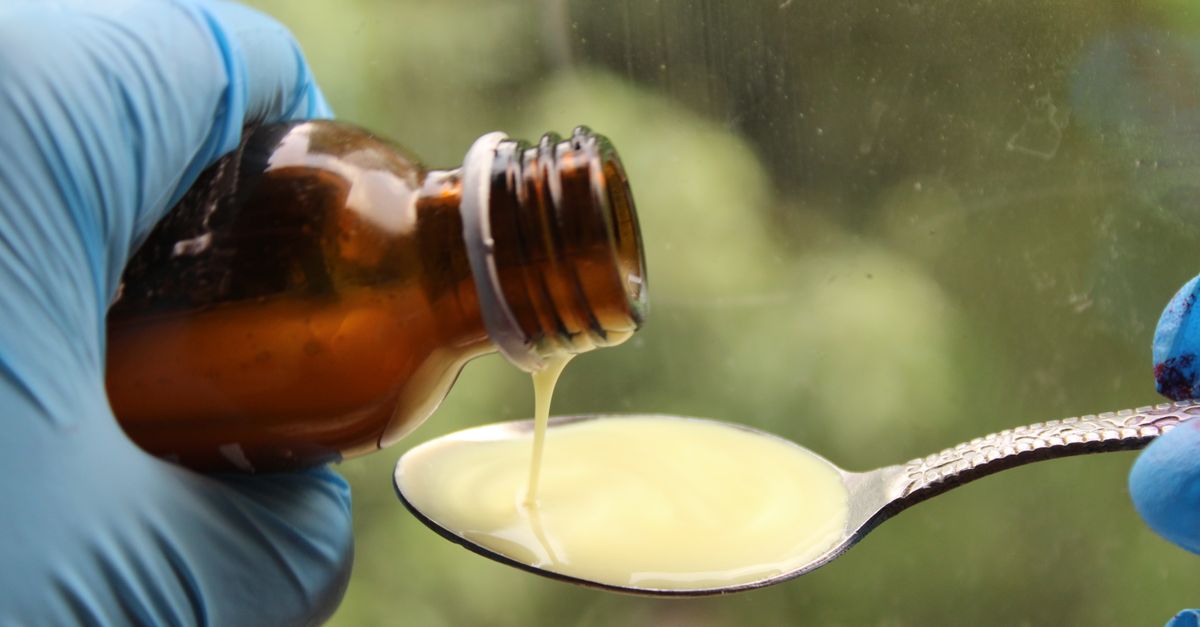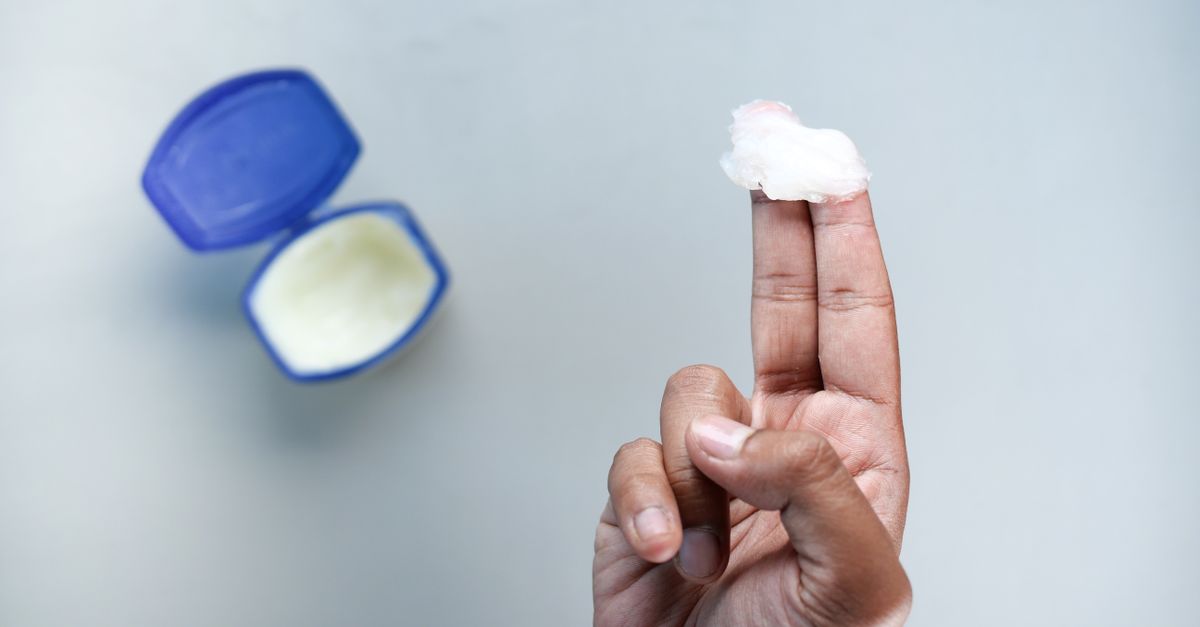
1. Introduction & Mechanism of Action for Viaderma Care First Aid
Viaderma Care First Aid employs bacitracin zinc as a potent bactericidal agent to prevent Gram-positive bacterial colonization in minor dermal injuries. The most significant adverse reaction associated with this specific polypeptide antibiotic is a notably high incidence of severe allergic contact dermatitis, which is frequently mistaken by patients for a rapidly worsening bacterial infection.
Bacitracin zinc operates through a highly destructive bactericidal mechanism, meaning it actively eradicates susceptible bacterial organisms rather than merely slowing their replication. Upon application to the compromised tissue, the polypeptide compound aggressively interferes with bacterial cell wall synthesis. It achieves this by completely inhibiting the dephosphorylation of a vital lipid pyrophosphate carrier, fundamentally blocking the transfer of critical mucopeptides into the growing bacterial cell wall.
Without the necessary structural components, the bacterial cell wall weakens rapidly. The immense internal osmotic pressure of the bacterium eventually causes the cell membrane to rupture, leading to rapid cellular death. This targeted bactericidal action is highly effective against notorious Gram-positive pathogens, including Staphylococcus and Streptococcus species, preventing them from colonizing minor epidermal abrasions. The highly occlusive zinc ointment base ensures the medication remains localized, providing a reliable physical barrier against environmental debris.
2. Warnings & Before Taking Bacitracin Zinc
Patients must be explicitly advised that this formulation is strictly intended for external first-aid application to minor superficial wounds. It must under no circumstances be ingested, applied to the mucosal lining of the eyes, or packed deeply into severe puncture wounds. Deep tissue injuries, massive lacerations, and severe thermal burns require urgent systemic intervention, as topical bacitracin cannot achieve the necessary systemic circulation to avert life-threatening sepsis.
The administration of this product is entirely contraindicated for individuals who possess a documented hypersensitivity to bacitracin. Bacitracin is clinically recognized as a notorious and prevalent contact allergen. Applying this medication to highly sensitized patients frequently provokes severe, intensely pruritic allergic contact dermatitis that rapidly destroys healing tissue and drastically delays recovery.
Furthermore, if this medication is inappropriately applied over massive areas of deeply denuded skin, such as extensive burns, significant systemic absorption can occur. Systemic circulating bacitracin is highly nephrotoxic and can precipitate severe acute renal failure. Consequently, its use must be strictly confined to small localized areas of superficial trauma.
3. Indications & Dosage Guide for Viaderma Care First Aid
This concentrated topical antibiotic is clinically indicated for the first-aid management and infection prophylaxis of minor superficial lacerations, abrasions, and simple epidermal scrapes. It serves as a formidable bactericidal barrier against common Gram-positive pyogenic skin bacteria attempting to colonize compromised tissue.
To administer the medication safely, the patient must first cleanse the injured area thoroughly with mild soap and sterile water, ensuring all environmental debris is meticulously removed. Once the tissue is completely dry, a very thin conservative film of the antibiotic ointment should be gently applied directly over the lesion. The area should ideally be protected with a sterile non-adherent bandage to shield the wound from further trauma and to lock the occlusive ointment in place.
The standard therapeutic protocol dictates application one to three times daily, contingent upon the severity of the abrasion. To forcefully prevent the emergence of antibiotic-resistant bacterial strains and to minimize the massive risk of developing a localized contact allergy, clinical guidelines mandate that continuous therapy must not exceed seven consecutive days without explicit medical authorization.
4. In-Depth Side Effects Analysis of Bacitracin Zinc
Common Side Effects
Because the pharmacological action is strictly localized, systemic adverse events are exceptionally rare under proper usage protocols. Patients most frequently report mild transient application site reactions, including a brief stinging or a localized warming sensation immediately upon applying the heavy occlusive medication to exposed nerve endings in broken skin.
Mild localized cutaneous dryness, slight flaking of the surrounding healthy skin, or minor erythema strictly at the wound edges may emerge during the later stages of the healing cascade as the tissue regenerates under the thick ointment barrier.
Serious Side Effects you should report
Severe localized cutaneous toxicity demands the immediate cessation of therapy and prompt clinical evaluation. Patients must be highly vigilant for the abrupt onset of severely pruritic erythematous plaques, the rapid formation of fluid-filled vesicular eruptions, or severe deep tissue weeping extending beyond the application site. These aggressive presentations strongly indicate an acute allergic contact dermatitis, a frequent and severe complication of topical bacitracin.
If the treated lesion becomes excessively hot to the touch, severely edematous, and begins exuding foul-smelling purulent fluid despite ongoing therapy, this is a critical indicator of a highly resistant bacterial infection. The topical medication has failed to neutralize the pathogen, necessitating immediate targeted prescription oral antibiotic intervention.
Rare Side Effects
Systemic toxicity from a localized topical bacitracin application is clinically improbable on small wounds. However, severe anaphylaxis has been documented in exceedingly rare clinical cases. Applying the ointment to large highly vascularized open wounds in severely allergic individuals can trigger generalized urticaria, severe facial edema, and life-threatening respiratory distress.
Side effects that usually do not require medical attention
Temporary minor redness immediately surrounding the perimeter of the healing wound is a normal physiological sign of angiogenesis and increased localized blood flow necessary for cellular repair. The greasy heavy texture of the ointment leaving a residue on bandages is a purely logistical matter requiring no medical intervention.
| Side Effect Category | Specific Symptoms |
|---|---|
| Localized Dermal Reactions | Mild stinging, transient warmth, minor tissue flaking |
| Immune/Allergic Responses | Severe pruritus, severe blistering, allergic contact dermatitis |
| Systemic Allergic (Rare) | Anaphylaxis, generalized hives, respiratory distress |
| Secondary Complications | Fungal superinfections from prolonged overuse |
5. Overdose Symptoms with Viaderma Care First Aid
A systemic overdose resulting from the standard targeted topical application of this product is clinically rare but highly dangerous if misused. Toxicological emergencies are exclusively linked to the massive over-application of the ointment over extensive deep burns or the accidental oral ingestion of the preparation.
If significant systemic absorption occurs through massive open wounds, bacitracin acts as a profound nephrotoxin. Symptoms of systemic toxicity manifest as a sudden and severe decrease in urinary output, profound lower back pain, severe lethargy, and uremia, indicating acute renal failure. If the medication is accidentally swallowed, it induces severe gastrointestinal irritation, manifesting as profound nausea, abdominal cramping, and vomiting.
In the event of accidental oral consumption or suspected systemic absorption leading to renal distress, emergency medical services must be contacted immediately. Clinical management prioritizes aggressive intravenous fluid resuscitation to protect the kidneys and careful monitoring of renal function panels. The induction of emesis is generally contraindicated to prevent secondary pulmonary aspiration of the thick petroleum base.
6. Missed Dose & What to avoid while using Viaderma Care First Aid
If a scheduled topical application is forgotten, the patient should apply the product as soon as they remember. If the subsequent scheduled dose is rapidly approaching, the missed application should simply be bypassed. Applying an excessively thick layer of the antibiotic to a single wound does not accelerate the healing cascade and dramatically increases the risk of severe local tissue maceration and contact dermatitis.
During the active treatment course, patients must strictly avoid utilizing abrasive physical scrubs, harsh alcohol-based astringents, or topical chemical exfoliants over the healing wound. The combination of mechanical trauma and harsh chemicals will catastrophically destroy the delicate new granulation tissue, leading to deep fissures, severe localized inflammation, and permanent scarring.
Furthermore, patients must avoid applying this heavy zinc ointment over large areas of the body to treat generalized rashes or dry skin. The highly occlusive nature of the ointment will trap sweat and sebum, leading to severe follicular congestion and triggering extensive painful cystic breakouts.
7. Drug & Alcohol Interactions with Bacitracin Zinc
Systemic pharmacological interactions with orally administered prescription medications are highly unlikely given the targeted topical application and negligible systemic absorption. However, localized chemical interactions on the epidermis require meticulous clinical management to prevent severe adverse dermal reactions.
Patients must completely avoid applying other potent topical antibiotic therapies, such as neomycin, directly over the bacitracin-treated wound unless explicitly directed by a physician. The simultaneous layering of multiple highly allergenic topical antibiotics drastically multiplies the risk of triggering severe blistering contact dermatitis, which completely halts the vital localized immune response required for wound closure.
Systemic alcohol consumption does not chemically interact with the localized pharmacological action of the topical antibiotic. However, applying alcohol-based sanitizers or harsh hydrogen peroxide directly into the wound while using this medication will cause immediate sharp agonizing stinging, actively destroying newly formed healthy tissue and delaying recovery.
8. Precautions, Safety & Duration of Action for Viaderma Care First Aid
Therapy with this bactericidal agent must be strictly capped at a maximum of seven consecutive days. If the superficial wound demonstrates absolutely no clinical improvement or visibly worsens after one week of continuous therapy, the patient must immediately discontinue use and seek professional medical evaluation for a potentially resistant pathogen requiring systemic intervention.
Patients with a known history of severe atopic dermatitis or highly sensitive skin must exercise high caution. These individuals possess a statistically higher probability of developing a severe allergic reaction to the bacitracin polypeptide. If intense itching or redness develops within twenty-four hours of application, usage must be terminated immediately.
Topical application of targeted bacitracin is generally considered safe during pregnancy when strictly restricted to small localized superficial wounds, as systemic absorption is negligible under normal circumstances. Expecting mothers must consult their obstetrician before utilizing any antibiotic formulation to ensure absolute safety.
9. How to stop taking Bacitracin Zinc & Storage/Disposal
Discontinuation of this targeted first-aid therapy requires no tapering schedule and must be halted abruptly once the wound has fully closed and epithelialized, or once the strict seven-day treatment limit has been reached. Prolonging therapy beyond seven days drastically increases the risk of localized fungal superinfections and the development of severe contact allergies.
The product must be stored tightly sealed at controlled room temperature, safely isolated from excessive heat and freezing conditions. Prolonged heat can permanently melt and separate the thick ointment base, altering the chemical stability of the bacitracin compound and accelerating its degradation.
Disposal of expired or unused medication must follow standard household safety protocols. The container must be disposed of securely within the household waste, entirely out of the reach of young children and domestic animals. It must never be poured or squeezed directly into the plumbing system to prevent dangerous antibiotic accumulation in local water ecosystems.
10. When to see a doctor regarding Viaderma Care First Aid
A professional medical evaluation is critical if the deeply inflamed wound persists, expands in size, or becomes excessively painful despite consistent targeted application. Severe skin infections rarely respond to over-the-counter topical antibiotics and require aggressive systemic prescription therapy.
Immediate medical attention is absolutely warranted if the patient observes signs of systemic infection or deep tissue involvement. The sudden appearance of rapidly expanding redness radiating outward from the wound, red streaks traveling up the extremity, severe localized warmth, or the onset of a systemic fever requires prompt emergency medical intervention to prevent severe sepsis.
Furthermore, if the patient develops a widespread intensely itchy rash extending far beyond the original wound, this indicates a severe allergic reaction to the bacitracin. If this rash is accompanied by any difficulty breathing or swelling of the face, immediate emergency medical care is absolutely mandatory to manage severe anaphylaxis.
Frequently Asked Questions (FAQ)
1. How does this medication stop the infection in my cut?
This medication actively destroys bacteria. It blocks the bacteria from building their outer cell wall, which causes the bacterial cells to rapidly rupture and die, clearing the infection so your skin can heal.
2. Why did my wound suddenly get extremely itchy and red after using this for a few days?
Bacitracin is a well-known allergen. If your wound suddenly becomes intensely itchy, red, and develops small blisters, you are likely experiencing allergic contact dermatitis. Stop using the ointment immediately and wash the area with mild soap.
3. Can I use this ointment to treat severe cystic acne on my face?
No. This specific topical first-aid ointment is much too thick and occlusive for facial use. It will heavily clog your pores and make the acne significantly worse. It is strictly for minor cuts and scrapes.
4. Is it normal for the wound to sting immediately after I apply the medicine?
Yes, minor and temporary stinging immediately upon application is a highly common reaction, especially if the wound is very fresh and the underlying nerve endings are fully exposed.
5. Can I use this product on a deep puncture wound from a rusty nail?
Absolutely not. Deep puncture wounds require immediate professional medical evaluation, thorough internal irrigation, and a systemic prescription antibiotic and tetanus shot. Topical ointments cannot penetrate deeply enough to prevent severe internal infections.
6. Why am I instructed to stop using this medication after seven days?
Using topical antibiotics for longer than seven days significantly increases the risk of developing a severe allergic reaction to the medication. It also drastically raises the risk of developing a severe secondary fungal infection.
7. What should I do if the wound starts oozing green or foul-smelling pus?
You must stop using the product and see a doctor immediately. This strongly indicates a severe highly resistant bacterial infection that this over-the-counter medication simply cannot neutralize.
8. Can I apply this to my child’s scraped knee?
Yes, it is generally safe for minor pediatric scrapes when applied thinly. However, you must ensure the child does not pick at the wound and lick the medication off their fingers.
Bibliography
Disclaimer: The content is for informational purposes only and does not replace medical advice. Always consult your doctor or pharmacist for personalized treatment.