1. Introduction And Mechanism Of Action Of Welly First Aid Kit
Welly First Aid Kit contains a targeted selection of topical medicated ointments, specifically a triple antibiotic formulation and a hydrocortisone cream, designed to manage minor dermal wounds and localized inflammation. The most notable side effect is mild contact dermatitis or a transient burning sensation immediately following application to severely compromised skin. This localized pharmacological intervention prevents superficial bacterial colonization and actively suppresses cutaneous immune hyperactivity.
The triple antibiotic component typically combines bacitracin zinc, neomycin sulfate, and polymyxin B sulfate. Bacitracin disrupts the construction of the bacterial cell wall, causing catastrophic structural failure. Neomycin forcefully binds to the bacterial ribosome, halting essential protein synthesis. Polymyxin B aggressively acts as a biological detergent, permanently altering the permeability of the bacterial cell membrane, which allows vital intracellular contents to leak out, effectively destroying the pathogen.
Simultaneously, the hydrocortisone cream functions as a low potency topical corticosteroid. When applied to inflamed tissue, it penetrates the cellular membrane and binds to glucocorticoid receptors in the cytoplasm. This targeted binding physically suppresses the transcription of highly inflammatory cytokines and prostaglandins. By halting these specific chemical messengers, the steroid rapidly reduces localized erythema, severe swelling, and intense pruritus associated with minor skin irritations.
2. Warnings And Before Taking Welly First Aid Kit
Patients must critically evaluate the severity of their dermal injury before applying these specific topical medications. The triple antibiotic ointment is strictly contraindicated for deep puncture wounds, animal bites, and massive, widespread thermal burns. Applying the antibiotic matrix deep into systemic tissues or over a massive surface area can lead to severe nephrotoxicity and ototoxicity, particularly from the neomycin component.
Individuals with a documented hypersensitivity to aminoglycoside antibiotics must absolutely avoid the triple antibiotic formulation. Neomycin is a highly notorious contact allergen. If a patient possesses a known allergy, applying the ointment will provoke a severe, blistering dermatitis that is frequently far worse than the original minor scrape or cut.
Furthermore, the hydrocortisone component must never be applied to active fungal or viral skin infections. Corticosteroids suppress the local immune response. If applied to a highly active herpes simplex lesion or a severe fungal rash, the steroid will strip the tissue of its natural defenses, allowing the pathogen to replicate uncontrollably and spread rapidly across the epidermal surface.
3. Indications And Dosage Guide For Welly First Aid Kit
These topical formulations are indicated for the immediate, short term, localized management of minor dermal trauma. The triple antibiotic is indicated for first aid prevention of infection in minor cuts, simple scrapes, and very superficial burns. The hydrocortisone cream is indicated for the temporary relief of minor itching associated with eczema, insect bites, poison ivy, and minor allergic rashes.
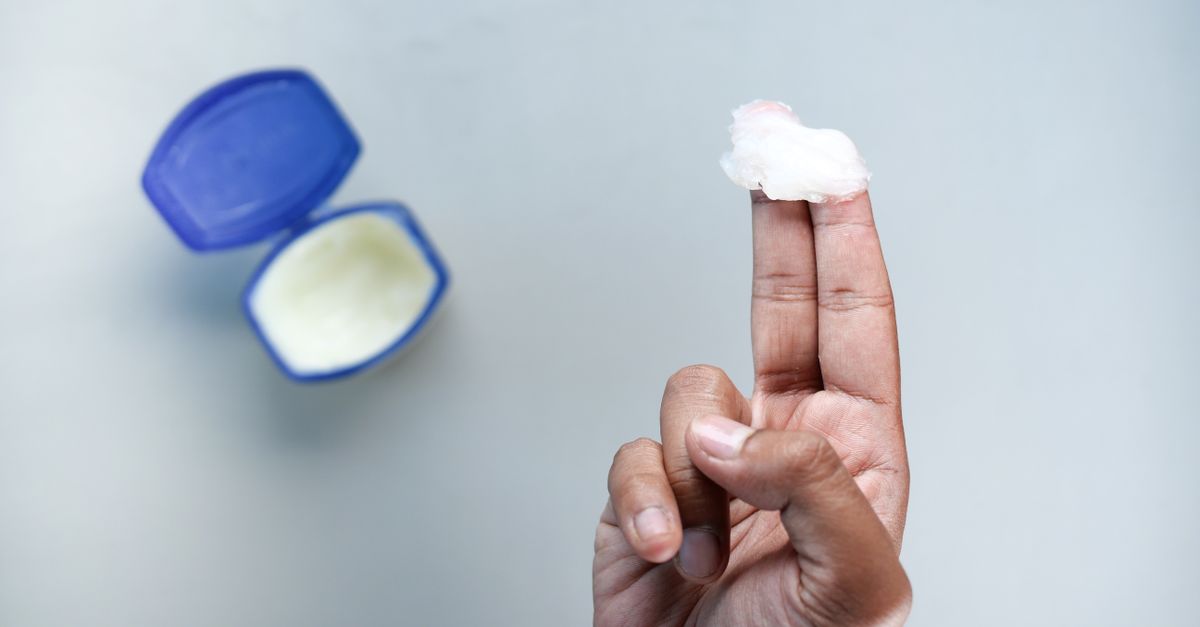
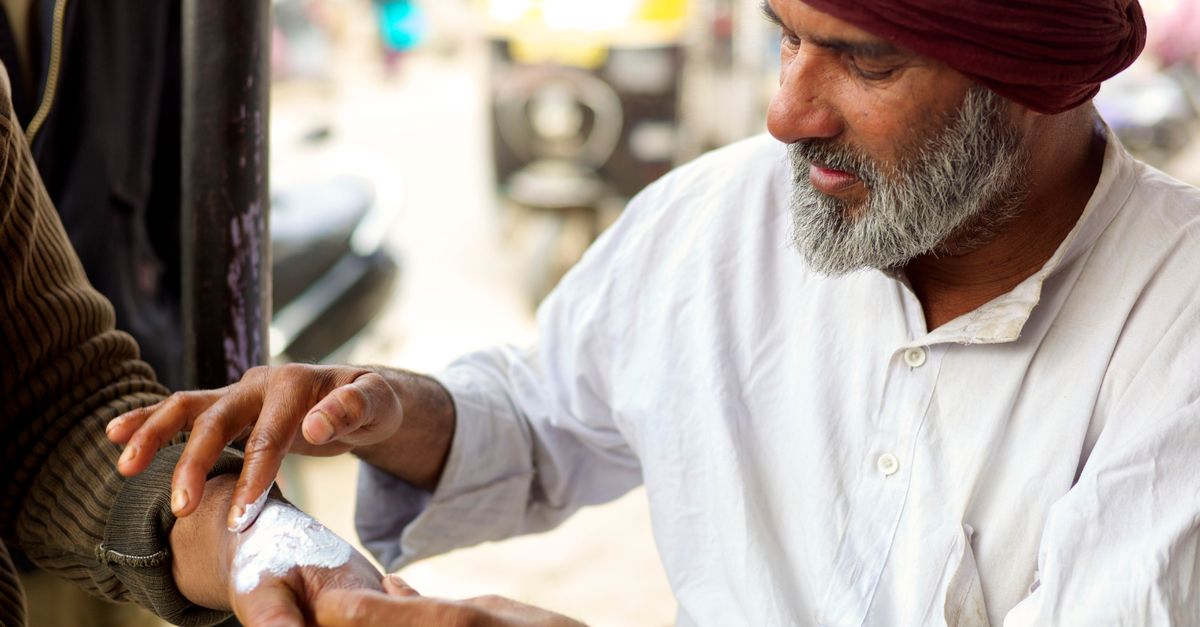
Standard clinical application requires the patient to rigorously cleanse the affected area with mild soap and warm water, patting the tissue completely dry before applying any medication. For the triple antibiotic, a very small amount, roughly equal to the surface area of a fingertip, should be applied directly to the wound one to three times daily. A sterile bandage should then cover the treated area to maintain a sanitary environment.
When applying the hydrocortisone cream, the patient must massage a highly thin film gently into the affected, intact skin up to three or four times a day. Patients must avoid globbing thick layers of the steroid onto the skin, as excessive application does not accelerate healing and significantly increases the risk of superficial tissue thinning.
4. In-Depth Side Effects Analysis Of Welly First Aid Kit
Because these medications act superficially on the stratum corneum and damaged epidermal layers, systemic side effects are highly unlikely under normal usage protocols. However, the active chemical compounds frequently provoke localized tissue reactions.
Common Side Effects
The most prevalently reported reaction is a mild, transient stinging or localized burning sensation exactly at the moment the ointment or cream contacts raw, excoriated tissue. This is a standard physiological response to the chemical vehicle. Patients utilizing the hydrocortisone cream frequently notice a mild, temporary drying or slightly chalky appearance of the immediate surrounding skin.
Serious Side Effects You Should Report
Any signs pointing to a severe allergic contact dermatitis require the immediate cessation of the product. If the treated wound suddenly develops massive, fluid filled blisters, begins discharging thick green pus, or if intense redness rapidly spreads far beyond the original injury site, the patient must seek urgent dermatological evaluation. These symptoms indicate a severe allergy to the neomycin or an uncontrolled, highly resistant bacterial infection.
Rare Side Effects
A very small subset of individuals using the hydrocortisone cream over extended periods may experience mild localized skin atrophy, where the superficial epidermis becomes visibly thinner and fragile. Rare instances of localized hypopigmentation have also been documented, where the treated skin temporarily loses its natural melanin and appears distinctly lighter than the surrounding tissue.
Side Effects That Usually Do Not Require Medical Attention
A brief intensification of localized itching for two to three minutes immediately after rubbing the hydrocortisone into a bug bite is a benign physical reaction to the friction and the cream base. A slight, temporary greasy or slick feeling on the skin is an unavoidable physical consequence of using petrolatum based antibiotic ointments and requires no intervention.
| Side Effect Category | Specific Symptoms |
|---|---|
| Localized Sensory | Transient stinging, brief burning, intensified initial itch |
| Severe Hypersensitivity | Massive blisters, rapidly spreading redness, weeping tissue |
| Tissue Alteration (Rare) | Skin thinning, temporary loss of skin pigment |
| Benign Physical Response | Greasy residue, slightly dry surrounding skin |
5. Overdose Symptoms Of Welly First Aid Kit And What To Do
A topical overdose leading to acute systemic toxicity is exceptionally rare but theoretically possible if massive quantities of the triple antibiotic ointment are continuously applied to extensively denuded skin, such as a major third degree burn. Symptoms of systemic neomycin toxicity include profound hearing loss and acute renal failure, while massive hydrocortisone absorption triggers severe endocrine disruption and dangerous blood sugar spikes.
The more common overdose scenario involves an infant or young child accidentally ingesting the contents of the medication packets. Swallowing these topical agents will rapidly induce severe nausea, intractable vomiting, and violent abdominal cramping. If oral ingestion is confirmed, immediate contact with a local poison control center is absolutely mandatory for gastric decontamination guidance.
6. Missed Dose And What To Avoid With Welly First Aid Kit
These topical first aid treatments are utilized strictly on an intermittent, as needed basis for the rapid management of acute symptoms. Therefore, missing a scheduled application requires no specific clinical correction. The patient should simply clean the wound again and apply the medication when they remember, ensuring they respect the maximum daily application limits.
Patients must strictly avoid applying the hydrocortisone cream to the delicate skin directly surrounding the eyes or the eyelids. Corticosteroids forcefully elevate intraocular pressure, and accidental chronic exposure to the eye can rapidly precipitate dangerous conditions such as clinical glaucoma or early onset cataracts. Furthermore, patients must avoid wrapping hydrocortisone treated skin in tight, airtight plastic wrap, as extreme occlusion massively accelerates dangerous systemic steroid absorption.
7. Drug And Alcohol Interactions With Welly First Aid Kit
Because these formulations are applied superficially in small quantities, they present virtually zero risk of interacting with standard systemic prescription medications. A patient undergoing a course of oral antibiotics like amoxicillin for a systemic infection can safely apply the triple antibiotic ointment to a minor finger cut without fear of pharmacological interference.
However, a highly specific localized interaction occurs when patients apply multiple different topical medications to the exact same wound simultaneously. Patients must strictly avoid mixing the triple antibiotic ointment with harsh chemical astringents like hydrogen peroxide or iodine directly on the skin. The violent oxidative action of the astringents will completely destroy the molecular structure of the antibiotics, rendering the ointment entirely useless.
Alcohol consumption poses absolutely no chemical interaction risk with these superficial topical treatments. The localized dermal action of the antibiotics and the steroid operates entirely independently of hepatic alcohol metabolism.
8. Precautions, Safety And Duration Of Action For Welly First Aid Kit
The antibacterial protection of the ointment functions continuously for roughly eight hours per application, maintaining a hostile environment for bacterial spores. The localized anti inflammatory and anti itch effects of the hydrocortisone generally peak within thirty minutes of application and persist for up to six hours.
Safety dictates a rigid adherence to treatment timelines. Patients must understand that over the counter first aid products are strictly for minor injuries. If a minor cut or insect bite fails to show significant signs of clinical healing after seven consecutive days of diligent therapy, the patient must discontinue the products immediately to prevent the development of a highly resistant superinfection.
9. How To Stop Taking Welly First Aid Kit And Storage
Therapy with these topical first aid agents can be halted abruptly the moment the superficial wound closes entirely or the intense allergic itching completely resolves. There are absolutely no physiological withdrawal symptoms or rebound dermal inflammation associated with stopping short term topical therapy.
Proper storage is critical to ensure the chemical stability of the active ingredients. The packets and tubes must be stored securely inside the tin at a stable room temperature. Exposing the medications to extreme heat, such as leaving the tin inside a hot vehicle, will permanently separate the petrolatum emulsions and rapidly degrade the delicate antibiotic molecules, rendering them biologically inert.
10. When To See A Doctor For Welly First Aid Kit Side Effects
A prompt clinical evaluation by a physician is absolutely mandatory if the treated wound begins to emit a foul odor, develops spreading red streaks that travel up the arm or leg, or if the patient suddenly develops a systemic fever. These are critical warning signs of a dangerous, rapidly advancing bacterial blood infection that topical ointments cannot treat.
Emergency medical intervention is immediately required if the patient experiences sudden difficulty breathing, intense swelling of the facial tissues and throat, or a massive drop in blood pressure shortly after applying the medication. These catastrophic symptoms dictate a severe, life threatening anaphylactic reaction to the antibiotic components requiring rapid administration of epinephrine.
Frequently Asked Questions
1. Can I use the antibiotic ointment and the hydrocortisone cream at the exact same time?
While you technically can, it is highly discouraged unless explicitly instructed by a doctor. Applying a steroid to an open, healing wound suppresses your immune system and drastically slows down the natural tissue repair process.
2. Why did my minor scrape get much redder and itchier after using the antibiotic ointment?
You are likely experiencing a severe allergic reaction to neomycin, which is one of the active ingredients in the triple antibiotic formulation. You should wash the ointment off immediately and consult a doctor for an alternative treatment.
3. Is it safe to apply the hydrocortisone cream to my baby’s diaper rash?
No, you must absolutely never use hydrocortisone cream on a baby’s diaper rash without strict pediatric supervision. The tight diaper acts as an occlusive dressing, forcing a massive, dangerous amount of the steroid directly into the infant’s bloodstream.
4. Should I clean the wound with hydrogen peroxide before applying the ointment?
Medical guidelines now advise against using hydrogen peroxide for routine wound cleaning because it severely damages your own healthy cells and delays healing. Simply washing the wound with mild soap and warm water is much safer and highly effective.
5. How long is it safe to use the hydrocortisone cream on a bug bite?
You should strictly limit the use of the steroid cream to no more than seven consecutive days. Using steroids on your skin for prolonged periods will permanently thin the tissue and cause fragile, easily bruised skin.
6. What should I do if my dog licks the antibiotic ointment off my cut?
Ingesting a small amount of the ointment from a single application is generally not toxic to large animals, though it may cause mild stomach upset. However, you must clean your wound again and reapply the medication to prevent a severe infection from the bacteria in the dog’s mouth.
7. Can I use these ointments on a deep puncture wound from a rusty nail?
Absolutely not. Deep puncture wounds require immediate, professional medical flushing and a systemic tetanus shot. Topical ointments cannot penetrate deeply enough to kill the dangerous anaerobic bacteria that thrive in puncture wounds.
Bibliography
Disclaimer: The content is for informational purposes only and does not replace medical advice. Always consult your doctor or pharmacist for personalized treatment.