1. Introduction
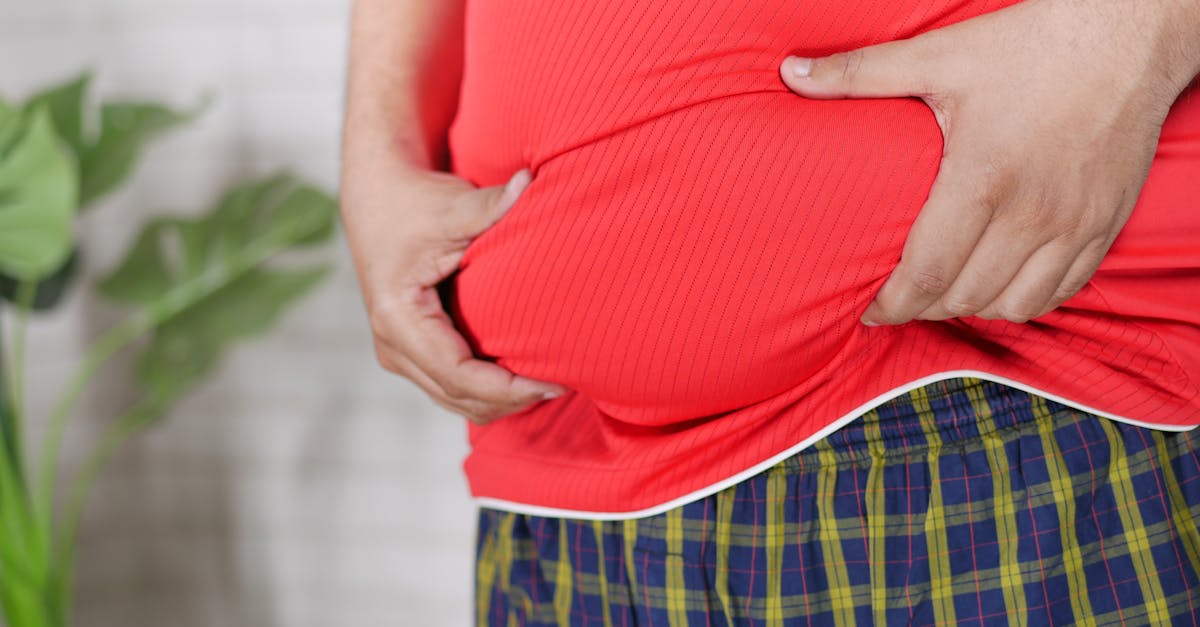
A sudden sharp pain in the belly button when stretching upward is typically caused by mechanical tension on the umbilical fascia, a minor umbilical hernia, or the stretching of internal fibrous remnants attached to the navel. The belly button represents a natural point of structural weakness in the abdominal wall where the umbilical cord once passed. When the torso elongates during a stretch, the surrounding fascial tissues pull tightly on this central scar, triggering local pain receptors if the tissue is inflamed or structurally compromised.
The umbilicus is the central anchor point of the abdominal anatomy. It sits at the intersection of powerful muscle groups and dense connective tissue layers. While the muscles themselves possess significant elasticity, the fibrous ring of the belly button does not.
When a person reaches high above their head, the rib cage lifts and the pelvis tilts, placing maximum longitudinal tension across the anterior abdominal wall. Any hidden structural defect, microscopic tear, or underlying adhesion located behind the navel will be instantly pulled taut, translating into a sharp, localized pain that resolves once the stretch is released.
2. Anatomy of the Umbilicus and Abdominal Wall
The umbilicus is essentially a dense, fibrous scar. During fetal development, this opening allowed blood vessels to pass between the mother and the developing fetus. After birth, this opening closes, and the surrounding tissues fuse to form the umbilical ring.
Running vertically down the center of the abdomen is the linea alba, a tough band of connective tissue that separates the left and right halves of the rectus abdominis muscle. The umbilicus is anchored directly into the center of the linea alba.
Because the umbilicus lacks muscle fibers, it acts as an inelastic node in a highly elastic web. When the abdominal muscles expand and contract, they exert sheer force on this fibrous ring. A healthy ring withstands this tension, but a weakened ring can become a focal point for mechanical strain.
3. The Mechanics of Stretching the Torso
Reaching upward elongates the entire anterior fascial chain, spanning from the pubic bone to the collarbones. This movement requires the rectus abdominis to lengthen while simultaneously maintaining core stability.
The linea alba bears a significant portion of this tension. As the torso stretches, the distance between the sternum and the pelvis increases, pulling the linea alba tightly in opposing directions. The belly button, situated exactly in the middle of this line of pull, experiences the peak of this tensile stress.
If an individual has a sedentary lifestyle, the abdominal fascia can become dense and inflexible. A sudden, deep stretch forces this unyielding tissue to elongate rapidly, irritating the nociceptors located in the connective tissue and causing a sharp, pulling sensation.
4. Umbilical Hernia Physiology
An umbilical hernia occurs when the fibrous ring of the belly button fails to close completely or weakens over time, allowing abdominal fat or a portion of the intestine to push through the defect. This is one of the most common causes of sharp, localized navel pain.
When the torso is at rest, the herniated tissue may easily slip back into the abdominal cavity, remaining completely unnoticed. However, stretching upward flattens the abdominal wall and increases intra-abdominal pressure.
This combined physical action can trap the protruding fat or tissue inside the tight fascial ring. The sharp pain is generated by the physical squeezing and stretching of this trapped tissue. The pain typically subsides immediately when the arms are lowered and the abdominal tension releases.
5. Urachal Remnant Anomalies
The urachus is a tubular structure connecting the fetal bladder to the umbilicus. After birth, this tube normally obliterates and transforms into a solid fibrous cord known as the median umbilical ligament.
In some individuals, the urachus does not completely close, leaving a small cyst, sinus, or a tight fibrous band tethering the belly button to the top of the bladder. This is known as a urachal remnant.
When stretching the torso upward, the distance between the bladder and the umbilicus increases. The inelastic urachal remnant is pulled taut, yanking sharply on the underside of the belly button. This internal pulling creates a distinct, sharp pain that dives deep into the lower abdomen.
6. Linea Alba and Diastasis Recti
Diastasis recti is the unnatural separation of the left and right halves of the rectus abdominis muscle, characterized by the widening and thinning of the central linea alba. This condition is common following pregnancy or significant weight fluctuations.
A thinned linea alba compromises the structural support of the umbilicus. The fascial tissue becomes fragile and loses its shock-absorbing capacity.
When a person with diastasis recti stretches upward, the compromised fascia is forced to bear the mechanical load. The micro-tearing of this thinned tissue around the navel generates a sharp, stinging pain, signaling that the connective tissue is being pushed beyond its structural limit.
7. Myofascial Strain and Spasms
The abdominal wall can suffer from localized muscle strains just like any other muscle group. An awkward twisting motion, heavy lifting, or an intense core workout can cause microscopic tears in the muscle fibers adjacent to the umbilicus.
As these micro-tears attempt to heal, the surrounding tissue becomes inflamed and tight. The nervous system may also induce a mild muscle spasm to splint the injured area.
Stretching up forces these inflamed, spasming muscle fibers to elongate. The mechanical disruption of the healing tissue fires an acute pain signal. This type of pain usually feels broader than a hernia and resolves gradually over a few days as the muscle repairs itself.
8. Adhesions from Previous Abdominal Surgeries
Prior surgical procedures, such as laparoscopic appendectomies or gallbladder removals, frequently utilize an incision directly through or immediately adjacent to the umbilicus. As these incisions heal, they form internal scar tissue known as adhesions.
Adhesions can cause the internal abdominal lining, the peritoneum, to stick rigidly to the underside of the belly button. Normal fascial gliding is permanently altered.
When reaching upward, the normal tissues stretch, but the scarred adhesions do not. This uneven mechanical tension pulls aggressively on the internal organs and the abdominal wall simultaneously, producing a sharp, tearing sensation directly behind the surgical scar.
9. Gastrointestinal and Visceral Referrals
Sometimes, pain felt at the belly button originates deeper within the digestive tract. The sensory nerves of the small intestine share pathways with the nerves supplying the skin of the periumbilical region.
If a segment of the small intestine is inflamed, distended with gas, or experiencing a minor spasm, the brain may misinterpret this visceral distress as somatic pain localized precisely at the belly button.
Stretching the torso changes the physical space inside the abdominal cavity, shifting the position of the bowels. This sudden movement can momentarily stretch an inflamed loop of intestine, resulting in a brief, sharp referred pain to the navel.
10. Appendicitis Early Warning Signs
While appendicitis typically causes pain in the lower right quadrant of the abdomen, its initial presentation often begins as a dull or sharp ache localized squarely around the belly button.
This periumbilical pain occurs because the appendix and the umbilicus share the same embryonic neurological origin. In the very early stages of inflammation, the visceral nerve fibers refer the pain to the center of the abdomen.
While a simple stretch might aggravate this early pain, appendicitis pain will not resolve when the stretch ends. It progressively worsens, migrates to the lower right side over several hours, and is accompanied by systemic signs such as fever and nausea.
11. Cutaneous Nerve Entrapment
The skin surrounding the belly button is innervated by the anterior cutaneous branches of the lower thoracic nerves. These small nerves travel through the rectus abdominis muscle before reaching the surface.
If the abdominal muscles become overly tight or hypertrophied, they can compress these small nerve branches as they exit the fascial layer, leading to anterior cutaneous nerve entrapment syndrome.
Stretching the torso pulls the muscles tight against the nerve, pinching it aggressively. The resulting pain is sharp, highly localized, and often described as a burning or electrical sensation directly on the surface of the skin near the navel.
12. Identifying Surgical Emergencies
It is clinically vital to distinguish between a benign mechanical strain and a surgical emergency. If the sharp pain from stretching leads to a persistent, bulging lump in the belly button that cannot be pushed back in and becomes hard or discolored, the hernia may be incarcerated.
An incarcerated hernia indicates that the blood supply to the trapped tissue is cut off. This is a strangulated hernia, requiring immediate emergency surgical intervention to prevent tissue necrosis.
Benign mechanical pain is strictly reproducible by a specific movement and resolves at rest, whereas pathological pain is continuous, escalating, and accompanied by autonomic symptoms like vomiting or an inability to pass gas.
13. Diagnostic Approaches and Imaging
- Physical Palpation: A clinician will gently press the umbilical ring while asking the patient to cough, feeling for structural defects or protruding tissue indicative of a hernia.
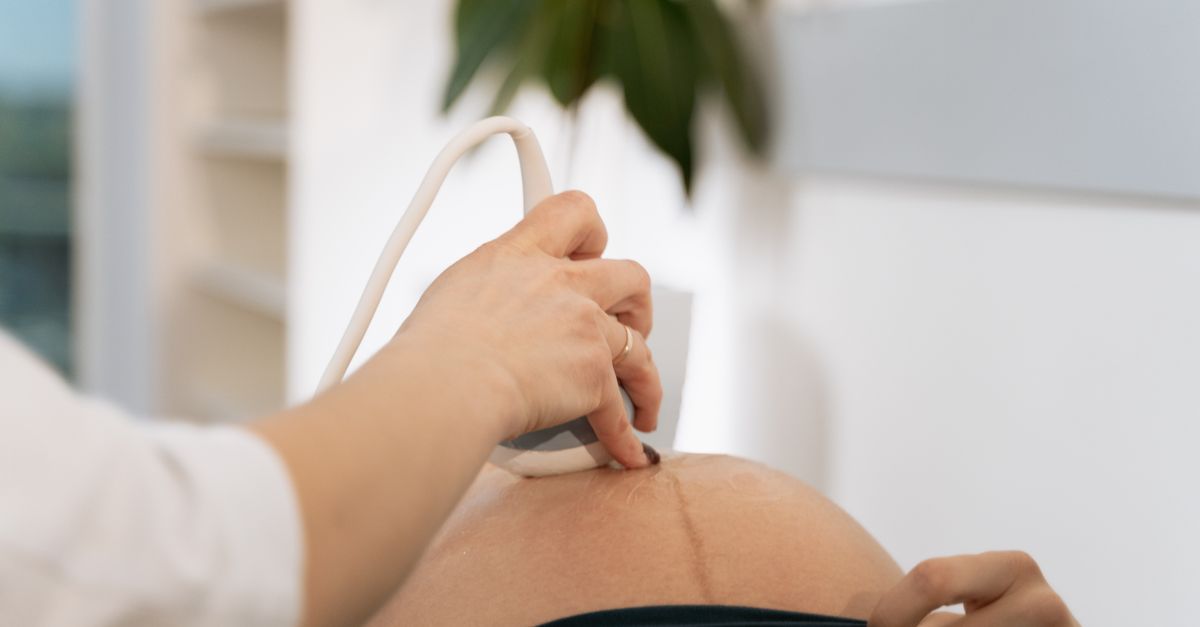
- Ultrasound: A dynamic abdominal ultrasound visualizes the fascial layers in real-time, easily identifying small hernias or diastasis recti when the patient tenses their core.
- CT Scan: In complex cases or patients with prior surgeries, a computed tomography scan maps out deep internal adhesions and evaluates the health of the underlying bowel segments.
- Carnett’s Test: The patient tenses the abdominal wall; if the pain increases upon palpation, the source is confirmed as the abdominal wall rather than deeper internal organs.
14. Frequently Asked Questions (FAQ)
1. Can doing too many core exercises cause this pain?
Yes, excessive core training without adequate recovery can strain the fascial attachments around the linea alba. When the fatigued, tight tissues are suddenly stretched upward, the micro-tears generate a sharp, stinging pain near the umbilicus.
2. Does having a deep “innie” belly button make me more prone to pain?
The depth of the belly button does not directly cause pain. However, it indicates the specific way the umbilical cord healed. The underlying fascial strength dictates vulnerability to hernias and pain, regardless of the outward appearance.
3. Will a small umbilical hernia heal on its own if I stop stretching?
In adults, an umbilical hernia is a structural defect in the fibrous tissue that will not close or heal on its own. While avoiding stretching prevents the sharp pain, surgical repair is the only definitive way to close the hole.
4. Is it normal to feel a pulling sensation behind the navel during pregnancy?
Yes, as the uterus expands, it pushes against the abdominal wall, significantly stretching the linea alba and the umbilicus. Reaching upward adds additional tension to this already maximized tissue, frequently causing sharp, transient round ligament or fascial pain.
5. How can I stretch my upper body without hurting my belly button?
To reduce tension on the anterior fascia, perform stretches while seated or with bent knees. Bracing your core slightly before reaching up prevents the abdominal wall from fully relaxing and over-extending the umbilical ring.
15. Bibliography
Disclaimer: The content is for informational purposes only and does not replace medical advice. Always consult your doctor for personalized treatment.