1. Introduction
An umbilical hernia directly causes sharp, localized pain in the belly button when intra-abdominal pressure forces a segment of fat or intestine through a weakened defect in the abdominal wall. The umbilicus is a natural anatomical vulnerability, representing the site where the umbilical cord once passed through the muscular fascia. When this fascial opening fails to close completely or weakens over time, internal tissues can protrude outward, creating a palpable bulge and inciting intense mechanical distress along the fascial edges.
The sharp pain associated with this condition is a significant clinical symptom indicating that the protruding tissue is becoming tightly compressed or trapped within the narrow fascial ring. While small, reducible hernias frequently remain asymptomatic for years, the sudden onset of acute periumbilical pain signals a structural crisis. The rigid edges of the abdominal defect act like a stricture, strangling the blood supply to the herniated contents.
Recognizing the biomechanical triggers and symptoms of an umbilical hernia is critical to preventing a severe surgical emergency. Any acute escalation in pain demands immediate clinical evaluation. If a segment of the bowel becomes incarcerated and loses its vascular perfusion, the resulting ischemia can lead to intestinal necrosis, transforming a routine structural repair into a life-threatening physiological event.
2. Anatomy of the Umbilicus and Linea Alba
The umbilicus, commonly known as the belly button, is the central anatomical scar on the abdomen. During fetal development, the umbilical ring allows the passage of the umbilical vessels connecting the fetus to the maternal placenta. Following birth, these vessels rapidly degenerate, and the surrounding fascial ring is programmed to fibrose and close securely.
The umbilicus sits directly on the linea alba. The linea alba is a dense, avascular band of connective tissue running vertically down the midline of the abdomen, fusing the left and right rectus abdominis muscles together. Because the linea alba is composed of inelastic collagen fibers rather than dynamic muscle tissue, it possesses limited capacity to absorb severe mechanical stretching.
Even in healthy adults, the umbilical ring remains the thinnest and most inherently vulnerable section of the entire anterior abdominal wall. Any sustained force applied against this central point encounters minimal muscular resistance, relying entirely on the tensile strength of the remaining scar tissue to contain the abdominal organs.
3. The Mechanism of Herniation
An umbilical hernia develops when the structural integrity of the fascial ring fails, creating a physical hole, or defect. The abdomen operates as a pressurized cylinder. Every time a person coughs, lifts a heavy object, or strains during a bowel movement, the diaphragm and abdominal muscles contract, causing a massive spike in intra-abdominal pressure.
This pressurized state forces the internal visceral contents forcefully outward against the abdominal wall. If the umbilical ring is weakened, the pressure exploits this path of least resistance. The innermost lining of the abdominal cavity, the peritoneum, is pushed through the hole, forming a sac.
Once the peritoneal sac protrudes through the fascia, contents from within the abdomen slide into the sac. Initially, this tissue is highly mobile. It protrudes when pressure spikes and smoothly retracts back into the abdominal cavity when the patient lies down and relaxes, a state known clinically as a reducible hernia.
4. Pathophysiology of Sharp Periumbilical Pain
The hallmark sharp pain in the belly button occurs when the herniated tissue encounters significant mechanical resistance from the rigid edges of the fascial defect. Fascia is highly innervated with somatic pain receptors.
When intra-abdominal pressure forces a large volume of tissue through a narrow, unyielding hole, the fascial edges stretch abruptly. This acute mechanical stretching triggers an immediate, sharp, tearing pain that forces the patient to halt their physical activity.
Furthermore, the tissue squeezed inside the defect experiences intense friction. The localized irritation causes the delicate peritoneal sac and surrounding subcutaneous tissues to become inflamed. This chemical inflammation lowers the pain threshold, ensuring that any subsequent movement, light touch, or pressure from clothing against the belly button elicits a sharp, stabbing sensation.
5. Incarceration versus Strangulation
A crucial concept in hernia pathology is the distinction between incarceration and strangulation, as it dictates the urgency of medical intervention.
Incarceration occurs when the herniated tissue pushes through the defect but becomes mechanically trapped outside the abdominal cavity. The tissue swells from the friction, making it too large to slide back through the narrow fascial ring. An incarcerated hernia becomes a permanent, firm bulge that cannot be pushed back in. While highly painful, blood flow is still maintained.
Strangulation is a catastrophic escalation of incarceration. As the trapped tissue swells further, the tight fascial ring acts as a tourniquet. It completely compresses the veins and arteries supplying blood to the herniated contents. Without oxygenated blood flow, the trapped tissue rapidly undergoes ischemia, turns necrotic, and dies. Strangulation is an absolute surgical emergency characterized by unremitting, excruciating pain.
6. Omental Fat Herniation
In the majority of adult umbilical hernias, the tissue that initially protrudes into the defect is a portion of the greater omentum. The omentum is a large, apron-like fold of visceral adipose tissue that hangs loosely over the intestines within the peritoneal cavity.
Omental fat is highly mobile and easily slips into small fascial defects. When a small piece of omentum becomes incarcerated within the umbilicus, it can cause frequent, sharp, pinching pain. Because the defect is small, the patient often feels a hard, pea-sized lump directly inside or adjacent to the navel.
While omental incarceration is deeply uncomfortable, it is generally less immediately dangerous than bowel entrapment. The fat may become chronically inflamed or undergo localized necrosis without causing systemic sepsis, though it unequivocally requires surgical removal and fascial repair to alleviate the chronic pain.
7. Bowel Entrapment and Ischemic Risk
The most severe clinical scenario involves the herniation of a segment of the small intestine. The small bowel is highly active, continuously moving via peristalsis to digest food. If a loop of the bowel enters the umbilical sac, it is at immense risk for mechanical obstruction.
If the bowel becomes incarcerated, the patient immediately develops a mechanical bowel obstruction. Food, fluid, and gas cannot pass through the pinched segment. The abdomen becomes profoundly distended, and the patient experiences severe, cramping, colicky pain across the entire abdomen, not just at the belly button.
This obstruction rapidly escalates to strangulation. The thin walls of the intestine are exquisitely sensitive to ischemia. If blood supply is cut off, the intestinal wall can perforate within hours, spilling highly infectious enteric bacteria directly into the sterile abdominal cavity, leading to life-threatening peritonitis.
8. Risk Factors for Adult Umbilical Hernias
Unlike pediatric umbilical hernias, which frequently close spontaneously as the abdominal muscles develop, adult umbilical hernias are acquired defects resulting from cumulative mechanical stress and tissue degradation.
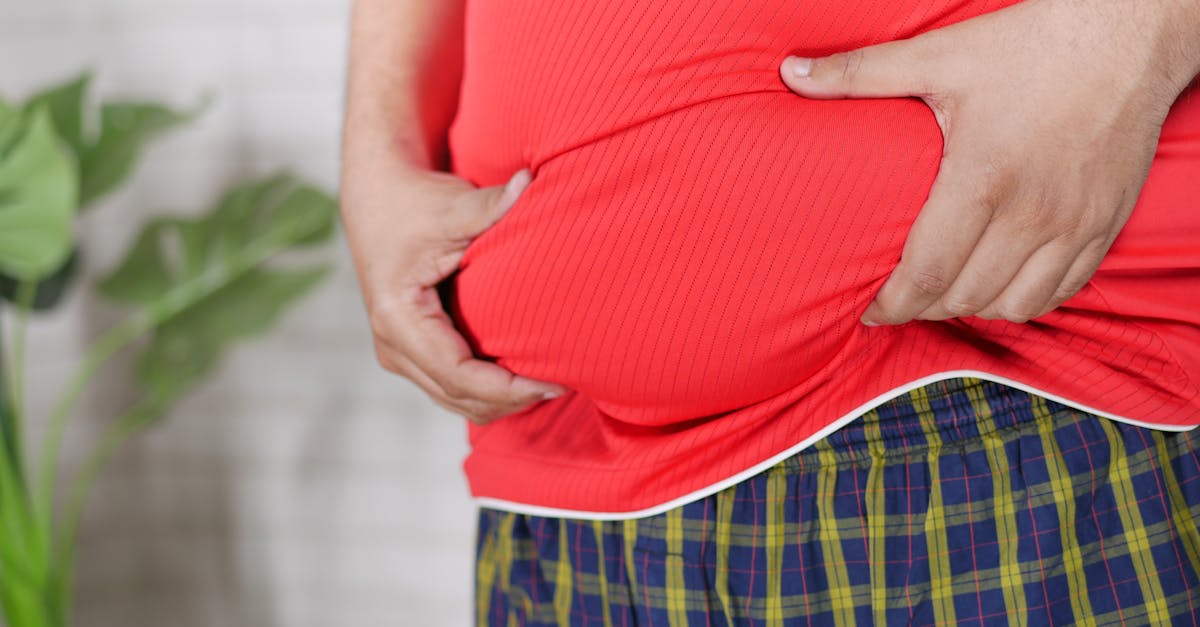
The primary risk factor is any condition that chronically elevates intra-abdominal pressure. Clinical obesity is a leading cause; the sheer volume of intra-abdominal visceral fat applies constant, relentless outward tension against the linea alba, slowly stretching and thinning the fascial fibers until they separate.
Multiple pregnancies also place immense structural stress on the abdominal wall. The prolonged expansion of the uterus stretches the linea alba severely, a condition known as diastasis recti. This widespread fascial laxity significantly increases the likelihood that the central umbilical ring will permanently widen and fail.
9. Impact of Increased Intra-Abdominal Pressure
Beyond pregnancy and obesity, specific lifestyle and medical factors heavily influence the internal pneumatic pressure of the abdomen.
Patients suffering from chronic respiratory diseases, such as chronic obstructive pulmonary disease, generate massive, explosive spikes in abdominal pressure during severe coughing fits. Similarly, patients with chronic constipation who must strain forcefully during defecation subject their pelvic floor and lower abdominal fascia to severe mechanical shearing.
Occupational hazards also play a significant role. Heavy manual labor, particularly lifting heavy objects without proper biomechanical bracing and continuous exhalation, creates the exact pneumatic shockwave required to blow out a weakened umbilical ring.
10. Clinical Presentation and Warning Signs
The presentation of an umbilical hernia ranges from a subtle, painless cosmetic change to a dire surgical crisis. Patients typically first notice a soft swelling or protrusion at the navel that becomes more prominent when they stand, cough, or laugh.
The onset of sharp, localized pain indicates that the defect is acting as a mechanical stricture. Patients often report a pulling or tearing sensation when stretching backward or reaching overhead. If the hernia contains bowel, the patient may experience loud, hyperactive bowel sounds or severe bloating.
A physician must be consulted immediately if the bulge suddenly becomes rock hard, acutely tender to light touch, or changes color to a dark red or purple hue. These are hallmark visual signs of strangulation and imminent tissue death.
11. Differentiating Umbilical Hernia from Other Abdominal Pathologies
Sharp pain near the belly button can originate from various intra-abdominal structures. Clinical differentiation is vital for accurate diagnosis.
| Clinical Pathology | Nature of the Pain | Distinguishing Features |
|---|---|---|
| Umbilical Hernia | Sharp, pulling, highly localized to the navel | Presence of a palpable bulge that changes with positional shifts. |
| Early Appendicitis | Dull ache starting near the navel, moving to the lower right | Accompanied by fever, severe nausea, and eventual right-sided rebound tenderness. |
| Peptic Ulcer Disease | Burning or gnawing pain above the navel | Pain correlates directly with eating or fasting; relieved by antacids. |
| Intestinal Spasm | Cramping, wave-like pain across the mid-abdomen | Usually associated with diarrhea or profound gas; no external bulge. |
12. Diagnostic Imaging and Evaluation
While an umbilical hernia is primarily a clinical diagnosis established through physical palpation, diagnostic imaging is frequently utilized to define the exact dimensions of the fascial defect and determine precisely which organs are trapped inside the sac.
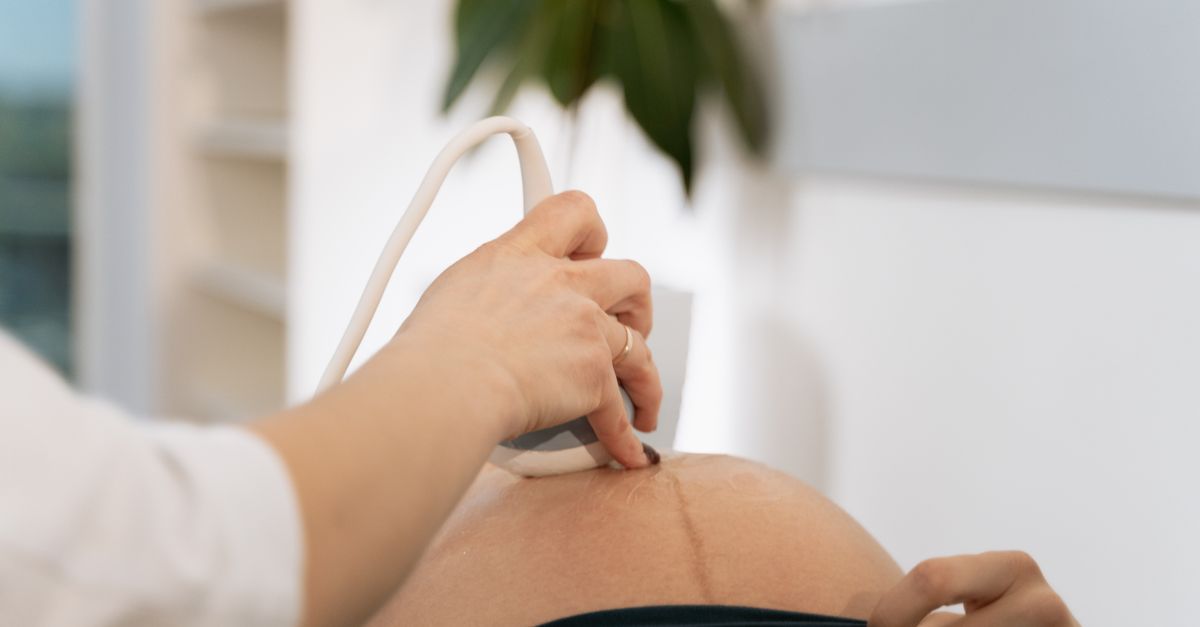
An abdominal ultrasound provides an excellent, real-time dynamic assessment. The technician can watch the tissue slide in and out of the defect as the patient is instructed to cough or bear down, confirming the presence of the hernia and assessing blood flow to the trapped contents.
For larger, complex hernias, or in significantly obese patients where physical palpation is difficult, a Computed Tomography scan of the abdomen is the gold standard. The scan provides a highly detailed, three-dimensional view of the abdominal wall, allowing the surgeon to precisely map the defect prior to surgical intervention.
13. Non-Surgical Management and Its Limitations
A hernia is a mechanical hole in a dense connective tissue sheet. It will never heal, shrink, or fuse back together spontaneously. Therefore, there is no pharmacological or exercise-based cure for a hernia. Core exercises will actually worsen the condition by increasing internal pressure and forcing the hole wider.
For patients who are extremely high-risk surgical candidates due to severe cardiopulmonary disease, a physician may recommend watchful waiting for a small, easily reducible, and painless hernia. The patient may utilize an abdominal binder or a truss—a tight, elastic garment worn around the waist to apply external counter-pressure.
However, abdominal binders are strictly a temporary palliative measure. They do not prevent the defect from slowly enlarging over time, nor do they eliminate the ever-present risk of acute incarceration.
14. Surgical Repair Techniques
Surgical intervention is the only definitive cure for an umbilical hernia. The goal of the surgery is to return the protruding tissue to the abdominal cavity and permanently reinforce the weakened fascia to prevent recurrence.
For very small defects, primary suture repair may be employed. The surgeon simply pulls the tough edges of the fascial hole together and sews them tightly shut. However, this places significant tension on the surrounding tissue, which can lead to tearing and a high recurrence rate in active adults.
The modern gold standard is a tension-free mesh repair. This procedure can be performed via open surgery or laparoscopically. The surgeon places a piece of biocompatible synthetic mesh behind the defect. Over several weeks, the body’s natural scar tissue grows deeply into the pores of the mesh, creating a permanent, reinforced barrier that distributes intra-abdominal pressure evenly across the abdominal wall.
15. Post-Operative Recovery and Recurrence Prevention
The success of a mesh repair depends heavily on the patient’s strict adherence to post-operative recovery protocols. The synthetic mesh requires approximately six to eight weeks to become fully integrated into the biological tissues.
During this integration phase, the patient must strictly avoid lifting anything heavier than ten to fifteen pounds. Any sudden spike in intra-abdominal pressure can violently tear the anchoring sutures and dislodge the mesh, resulting in immediate surgical failure and a recurrent, much larger hernia.
Long-term recurrence prevention relies on mitigating baseline abdominal pressure. Patients are strongly counseled to achieve and maintain a healthy body weight, utilize stool softeners to avoid straining, and implement proper, ergonomic lifting mechanics that emphasize leg strength and continuous exhalation.
16. Frequently Asked Questions FAQ
1. Can I pop the hernia back in myself when it hurts?
If the hernia is soft and easily reducible, gently pressing it back in while lying flat on your back can provide temporary pain relief. However, if the lump is hard, highly tender, and resists gentle pressure, never force it. You could rupture trapped, swollen bowel tissue, causing a lethal internal infection.
2. Is it safe to exercise with an umbilical hernia?
Heavy weightlifting, intense core workouts (like crunches or planks), and high-impact exercises are highly dangerous and will physically force the hole in your fascia to tear wider. Low-impact cardiovascular activities like walking or swimming are generally safe if the hernia is small and painless.
3. Why does the pain shoot from my belly button down to my groin?
The nerves supplying the abdominal wall and the peritoneum run in complex, overlapping networks. When the sensitive peritoneal sac is violently stretched at the umbilicus, the brain often misinterprets the origin of the signal, referring the sharp pain downward toward the pelvis or groin.
4. Will the hernia eventually stop hurting if I just ignore it?
No. A hernia is a progressive mechanical failure. Over time, the fascial defect will stretch, allowing more tissue to protrude. The pain indicates active tissue irritation or trapping. Ignoring the pain drastically increases your risk of requiring emergency surgery for a strangulated bowel.
5. How big does a hernia have to be before it requires surgery?
Size does not dictate the necessity of surgery; symptoms do. Paradoxically, very small hernias (less than one centimeter) often carry a much higher risk of strangulation because the tiny, tight hole easily traps and chokes off small pieces of fat or bowel. Any hernia causing sharp pain warrants surgical repair.
17. Bibliography
Disclaimer: The content is for informational purposes only and does not replace medical advice. Always consult your doctor for personalized treatment.