1. Introduction
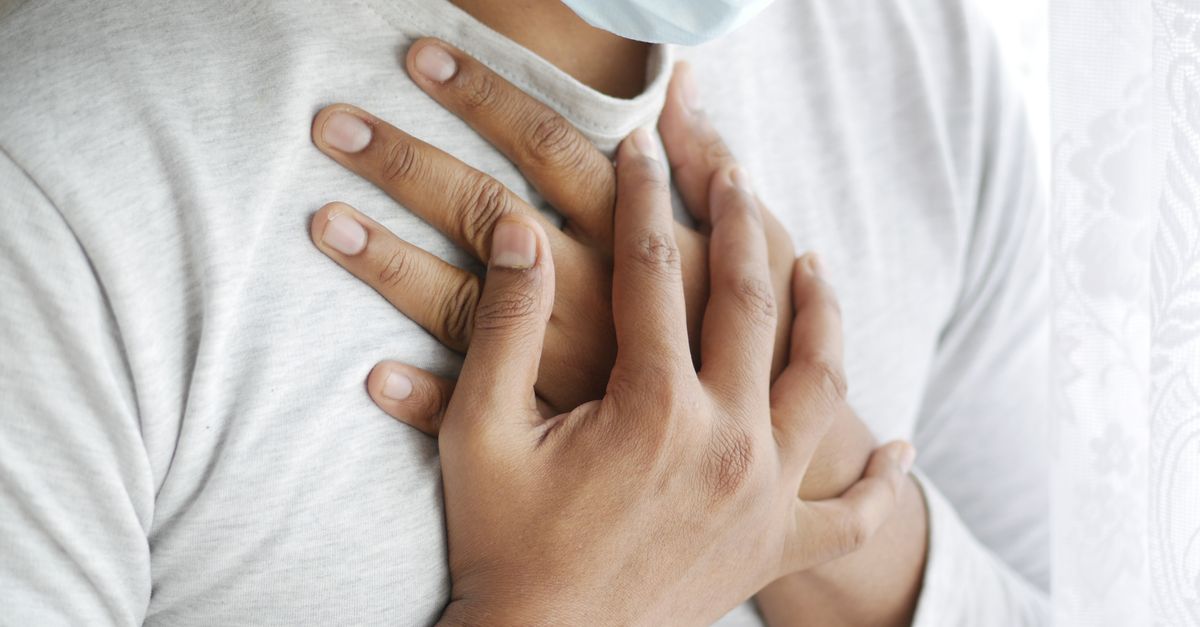
Heart palpitations paired with shortness of breath at rest are frequently caused by cardiac arrhythmias, severe anxiety, or endocrine imbalances such as hyperthyroidism. When the heart beats irregularly or too rapidly, its ability to pump oxygenated blood efficiently is compromised, triggering a reflex that increases respiratory rate. Because these symptoms can also indicate acute cardiovascular ischemia, rapid clinical evaluation is essential to rule out life-threatening conditions.
Experiencing a fluttering, racing, or pounding heart while physically stationary is deeply alarming. The cardiovascular and respiratory systems are neurologically and mechanically bound; a disruption in cardiac output almost instantaneously creates a sensation of air hunger. The body attempts to compensate for perceived poor blood circulation by demanding more oxygen through rapid, shallow breathing.
Clinical assessment requires determining whether the primary failure is structural, electrical, or driven by external metabolic and psychological stressors. Promptly identifying the precise trigger ensures the implementation of targeted therapies to stabilize heart rhythm and restore normal respiratory function.
2. Understanding Cardiac Rhythm and Conduction
The human heart relies on a sophisticated internal electrical system to maintain a steady, coordinated rhythm. The sinoatrial node, located in the right atrium, acts as the natural pacemaker. It generates an electrical impulse that travels across the upper chambers, causing them to contract and push blood down into the ventricles.
The signal then hits the atrioventricular node, which acts as a gatekeeper, briefly delaying the signal to allow the ventricles to fill completely before commanding them to contract and eject blood out to the body. This precise, rhythmic sequence ensures maximum pumping efficiency.
When this electrical pathway is disrupted by damaged tissue, chemical imbalances, or rogue electrical signals, an arrhythmia occurs. The heart may beat too fast, skip beats, or flutter chaotically. This electrical malfunction is the direct physical source of a palpitation.
3. Atrial Fibrillation and Arrhythmias
Atrial fibrillation is the most common clinically significant cardiac arrhythmia. In this condition, the sinoatrial node loses control, and chaotic electrical signals fire rapidly from multiple locations within the upper chambers. The atria quiver instead of contracting effectively.
This chaotic quivering prevents the ventricles from filling completely with blood. Consequently, every time the heart beats, a lower volume of oxygenated blood is ejected into the systemic circulation. The brain registers this drop in oxygen delivery and immediately commands the lungs to increase the breathing rate.
Patients with atrial fibrillation frequently report sudden, erratic palpitations that feel like a fish flopping in the chest, accompanied by immediate, severe shortness of breath, even when lying perfectly still on the couch.
4. Premature Ventricular Contractions
Premature ventricular contractions are highly common, extra, abnormal heartbeats that originate in one of the lower pumping chambers. These extra beats disrupt the regular heart rhythm, causing a sensation of a skipped beat followed by a remarkably strong, thumping palpitation.
The forceful thump occurs because the heart pauses slightly after the premature beat, allowing the chamber to overfill with blood. The subsequent normal contraction must pump out this extra volume, requiring immense physical force that reverberates through the chest wall.
While often benign, a high frequency of these premature beats can momentarily compromise cardiac output. If a series of them occurs consecutively, the patient will experience a sudden drop in blood pressure and a brief, intense wave of breathlessness.
5. The Autonomic Nervous System Response
The heart and lungs are heavily regulated by the autonomic nervous system, which operates subconsciously. The sympathetic branch accelerates heart rate and breathing to prepare for action, while the parasympathetic branch slows them down during rest.
In certain physiological states, the sympathetic nervous system misfires, flooding the bloodstream with adrenaline and noradrenaline without a valid physical trigger. This massive catecholamine surge forcefully commands the sinoatrial node to fire at a frantic pace, causing tachycardia.
Simultaneously, the adrenaline surge forces the bronchioles in the lungs to open rapidly, making the patient feel breathless or hyperventilated. This systemic autonomic overdrive creates profound cardiovascular distress entirely independent of any structural heart damage.
6. Hyperthyroidism and Metabolic Acceleration
The thyroid gland governs systemic metabolic speed. Hyperthyroidism, or an overactive thyroid, involves the massive overproduction of the hormones thyroxine and triiodothyronine. These hormones make the cardiac tissue exceptionally sensitive to adrenaline.
In a hyperthyroid state, the heart is essentially running an internal marathon while the patient is physically at rest. The baseline resting heart rate elevates significantly, often exceeding one hundred beats per minute, causing continuous, pounding palpitations.
Because the body’s cellular metabolism is artificially accelerated, the tissues demand massive amounts of oxygen. The lungs must work harder to supply this oxygen, resulting in chronic shortness of breath and profound fatigue during minimal exertion or total rest.
7. Anemia and Oxygen Transport Deficits
Anemia is a hematological condition characterized by a critical shortage of red blood cells or hemoglobin. Hemoglobin is the specific protein responsible for binding oxygen in the lungs and transporting it to the body’s tissues.
When hemoglobin levels drop severely, the blood becomes incapable of delivering adequate oxygen. To compensate for this delivery failure, the brain forces the heart to beat much faster and harder, attempting to circulate the limited oxygen supply more frequently.
This hyperdynamic cardiovascular state manifests as strong, continuous palpitations. Because the tissues are literally starved of oxygen, the respiratory center simultaneously demands rapid, shallow breathing, creating profound dyspnea even when the patient is sitting quietly.
8. Anxiety Disorders and Panic Attacks
Severe psychological distress is a potent trigger for physiological symptoms. During a panic attack, the brain perceives a catastrophic threat and initiates an instantaneous, maximal sympathetic nervous system response, releasing immense amounts of stress hormones.
The result is sudden, violent heart palpitations, chest tightness, and a sensation of choking or air hunger. The patient frequently hyperventilates, which drastically lowers carbon dioxide levels in the blood, causing dizziness and numbness in the extremities.
While the symptoms of a panic attack are entirely psychological in origin, the physical manifestation is indistinguishable from an acute cardiac event. Medical evaluation is crucial to ensure the heart is structurally sound before attributing the symptoms solely to anxiety.
9. Gastroesophageal Reflux and Vagus Nerve Irritation
Gastroesophageal reflux disease occurs when stomach acid flows backward into the esophagus. The esophagus and the heart are situated adjacently in the chest cavity and share a massive neurological connection through the vagus nerve.
When severe acid reflux chemically burns the lower esophagus, it can irritate the adjacent vagus nerve fibers. The vagus nerve plays a dominant role in slowing the heart rate. When irritated, its regulatory function is disrupted.
This neurological irritation can trigger sudden, brief episodes of palpitations and skipped beats. Furthermore, if acid micro-droplets are aspirated into the airways, it causes sudden bronchospasm, leaving the patient gasping for breath while the heart skips.
10. Structural Heart Disease and Valve Dysfunction
Structural anomalies within the heart architecture can precipitate resting symptoms. Heart valves act as one-way doors, ensuring blood flows in the correct direction. If a valve fails to close properly, such as in mitral valve prolapse or regurgitation, blood leaks backward.
This leakage forces the heart chambers to work much harder to maintain adequate forward blood flow, eventually leading to chamber enlargement and electrical instability. This structural strain generates frequent palpitations.
If the backward pressure is severe enough, fluid can back up into the pulmonary veins and the lungs themselves. This mild pulmonary congestion causes a distinct feeling of breathlessness that worsens when lying flat, a condition known as orthopnea.
11. Pharmacological Triggers and Stimulants
Exogenous chemical substances frequently override the heart’s natural pacemaker. Heavy consumption of caffeine, energy drinks, or nicotine directly stimulates the sympathetic nervous system, increasing myocardial excitability and lowering the threshold for arrhythmias.
Many over-the-counter cold and sinus medications contain pseudoephedrine, a potent systemic vasoconstrictor and cardiac stimulant. Ingesting these medications can cause sudden, sustained tachycardia and accompanying respiratory distress in sensitive individuals.
Prescription medications, including certain asthma inhalers and thyroid hormone replacements, can also induce palpitations if the dosage is slightly too high. A rigorous review of all ingested substances is mandatory when evaluating unexplained resting tachycardia.
12. Differentiating Causes of Rest Dyspnea
| Symptom Profile | Accompanying Signs | Probable Cause |
|---|---|---|
| Irregular, chaotic heartbeat, breathlessness | Dizziness, fatigue, older age demographic | Atrial Fibrillation |
| Rapid pounding, sweating, sense of doom | Hyperventilation, tingling fingers | Panic Attack |
| Constant fast rate, breathlessness, weight loss | Heat intolerance, tremors | Hyperthyroidism |
| Strong palpitations, breathlessness, severe fatigue | Pale skin, heavy menstrual bleeding | Anemia |
13. Diagnostic Electrocardiography and Holter Monitoring
The definitive diagnostic tool for palpitations is the electrocardiogram, which records the electrical activity of the heart. If an electrocardiogram captures the abnormal rhythm while it is happening, the physician can immediately identify the specific type of arrhythmia.
However, palpitations are notoriously intermittent and often stop before the patient reaches the clinic. In these cases, a Holter monitor is utilized. This is a portable device worn by the patient for twenty-four to forty-eight hours that continuously records every single heartbeat.
By correlating the patient’s symptom diary with the electrical tracing, cardiologists can precisely pinpoint whether the breathlessness is caused by dangerous ventricular runs, atrial fibrillation, or benign premature beats.
14. Pharmacological Rate and Rhythm Control
If an arrhythmia is diagnosed, pharmacological intervention aims to restore electrical stability. Beta-blockers are the most common first-line therapy. These medications block the effects of adrenaline on the heart, slowing the heart rate, reducing the force of contraction, and eliminating premature beats.
For conditions like atrial fibrillation, antiarrhythmic drugs may be prescribed to chemically force the sinoatrial node back into control. If the arrhythmia carries a high risk of forming blood clots, anticoagulant therapy is mandatory to prevent a stroke.
If the underlying cause is endocrine, such as hyperthyroidism, targeted antithyroid medications are employed to halt the excess hormone production, which subsequently resolves the cardiac and respiratory hyper-arousal.
15. When to Seek Urgent Cardiac Care
While many palpitations are benign, specific symptom combinations demand absolute emergency evaluation. If palpitations and shortness of breath at rest are accompanied by heavy, crushing chest pain or pressure radiating to the left arm or jaw, it strongly indicates an active heart attack.
Sudden fainting or near-fainting during an episode of palpitations signifies that the heart rhythm is so fast or chaotic that blood flow to the brain has been critically compromised. This is a life-threatening ventricular arrhythmia requiring immediate resuscitation protocols.
Furthermore, if the shortness of breath rapidly progresses to the point where the patient cannot speak in full sentences, emergency services must be contacted instantly to rule out massive pulmonary embolism or acute heart failure.
16. Frequently Asked Questions FAQ
1. Why do I only get heart palpitations when I lie down to sleep?
When you lie down, your internal abdominal organs press upward against the diaphragm, shifting your heart slightly and changing the intrathoracic pressure. This physical shift, combined with a quiet room making you more aware of your heartbeat, often makes benign premature beats feel much more intense.
2. Can dehydration cause shortness of breath and a racing heart?
Yes, severe dehydration lowers your total blood volume. Your heart must beat significantly faster to maintain normal blood pressure and deliver oxygen. The lack of efficient oxygen delivery triggers the respiratory system to increase your breathing rate.
3. How do I know if my racing heart is from anxiety or a real heart problem?
Anxiety-induced palpitations typically ramp up slowly, peak, and resolve gradually as you calm down. Arrhythmias often start instantly, like flipping a light switch, and stop just as abruptly, regardless of your emotional state.
4. Will holding my breath stop the palpitations?
Performing a Valsalva maneuver, which involves bearing down as if having a bowel movement, stimulates the vagus nerve. This nerve sends a strong signal to slow the heart rate and can successfully break certain types of rapid supraventricular arrhythmias.
5. Does low blood sugar cause heart flutters?
Yes, when your blood sugar drops too low, your body releases a surge of adrenaline to force the liver to release stored glucose. This massive adrenaline dump directly hits the heart, causing strong palpitations, sweating, and rapid breathing.
17. Bibliography
Disclaimer: The content is for informational purposes only and does not replace medical advice. Always consult your doctor for personalized treatment.