1. Introduction
A sudden charley horse in the arch of the foot is an acute, involuntary spasm of the intrinsic plantar muscles, most frequently triggered by extreme muscle fatigue, restrictive footwear, or systemic electrolyte imbalances. These small, intricate muscles sustain an immense mechanical load, working constantly to support the longitudinal arch and absorb the shock of body weight during standing and walking. When they become structurally overworked or chemically depleted of vital minerals like magnesium and potassium, the local motor neurons become hyper-excitable, commanding the muscle fibers to lock into a severe, crippling contraction that temporarily renders the foot useless.
Unlike the large, powerful muscles of the thigh or calf, the muscles in the arch of the foot have very little mass but are subjected to massive sheer forces with every step. The resulting fatigue limits local blood flow, allowing acidic metabolic waste to accumulate within the tissue. This toxic, hypoxic environment severely irritates the nerve endings. When the foot is placed in a compromised position—such as pointing the toes forcefully—the hyper-irritated nerves misfire, triggering the explosive spasm colloquially known as a charley horse.
Evaluating this sudden pain requires a broad perspective that encompasses both biomechanical stress and systemic nutrition. An isolated spasm is typically a harmless, albeit agonizing, physiological glitch. However, frequent and persistent arch cramps indicate that the foot is failing to manage the mechanical demands placed upon it, requiring structural support, intensive stretching, or a reevaluation of daily hydration and electrolyte intake to restore normal neuromuscular function.
2. Anatomy of the Plantar Intrinsic Muscles
To understand why the arch seizes so violently, one must explore the muscular architecture of the foot. Beneath the thick plantar fascia lies a multi-layered network of intrinsic foot muscles. The most prominent muscles supporting the arch are the abductor hallucis, the flexor digitorum brevis, and the quadratus plantae.
These muscles originate near the heel bone and span the length of the arch, attaching to the toes. Their primary function is not to generate massive power, but to provide dynamic stabilization. When weight is placed on the foot, these muscles fire instantly to prevent the arch from collapsing completely onto the floor.
Because these muscles are relatively small and located at the farthest point from the heart, their blood supply is easily compromised by tight shoes or prolonged pressure. When deprived of adequate oxygenated blood, the delicate sliding filaments within the muscle cells fail to disengage, trapping the tissue in a painful tetanic state.
3. The Mechanics of a Charley Horse
A charley horse is the lay term for a severe, localized muscle cramp. The mechanism of this cramp begins at the neuromuscular junction, where the nerve meets the muscle. A normal muscle contraction requires the release of calcium ions inside the cell to lock the muscle fibers together, followed by the expenditure of cellular energy to pump the calcium away and relax the fibers.
When the intrinsic foot muscles are fatigued or chemically distressed, this active relaxation phase breaks down. The motor neuron begins firing spontaneous, high-frequency electrical signals, flooding the muscle cell with calcium. The fibers contract with maximum force and cannot release.
This relentless contraction physically squeezes the microscopic blood vessels running through the muscle belly shut. This self-induced ischemia (lack of blood flow) causes a sharp, burning pain, compounding the severe mechanical pain of the locked muscle fibers twisting against their fascial boundaries.
4. Biomechanical Overload and Flat Feet
The structural alignment of the foot is a primary catalyst for arch spasms. Individuals with pes planus, commonly known as flat feet, are at a exceptionally high risk. In a flat foot, the skeletal arch is structurally weak, placing the entire burden of support on the soft tissues and the intrinsic muscles.
With every step, the arch collapses downward, forcing the small plantar muscles to overstretch and strain to hold the foot together. This chronic mechanical overload exhausts the muscle fibers rapidly. The muscles remain in a state of constant, desperate tension.
By the end of the day, these exhausted muscles are highly irritable. A simple movement, such as taking off a shoe or curling the toes, forces these overworked, tight muscles to contract, pushing them past their physiological limit and triggering an immediate, explosive charley horse.
5. The Impact of Improper Footwear
Footwear directly dictates the mechanical stress placed on the arch. Wearing shoes with a narrow, pointed toe box forces the toes into a cramped, overlapping position. This unnatural posture prevents the intrinsic muscles from spreading out and engaging properly to stabilize the foot.
High heels place the foot in a severe, constant state of plantar flexion (pointing downward). This chronically shortens the calf muscles and the muscles in the arch of the foot. The muscles adapt to this shortened length. When the shoe is removed, the shortened muscles are suddenly forced to stretch out to a flat position, a violent mechanical change that frequently initiates a spasm.
Conversely, wearing completely flat, unsupportive shoes, such as flip-flops or ballet flats, on hard concrete floors provides zero shock absorption. The concussive trauma of walking batters the plantar muscles, leading to severe fatigue and localized inflammation that primes the nerves for cramping.
6. Electrolyte Imbalances and Mineral Deficits
Neuromuscular stability relies entirely on a precise concentration of electrolytes in the blood and surrounding tissues. Sodium, potassium, calcium, and magnesium are the chemical messengers responsible for electrical conduction and muscle contraction.
Magnesium deficiency is a notorious trigger for foot and calf cramps. Magnesium functions as the biological key that unlocks the muscle contraction. When magnesium levels are low, calcium dominates the intracellular space, and the muscle cannot physically relax.
Potassium is required to reset the electrical charge of the nerve cell after it fires. If potassium is depleted through a poor diet or diuretic medications, the nerve cell remains hyper-excitable, prone to firing erratic signals that force the arch of the foot to seize unexpectedly.
7. Peripheral Nerve Irritation
Sometimes, the cause of the charley horse is not within the muscle itself, but rather an irritation of the nerve supplying the muscle. The tibial nerve travels down the back of the leg, passes behind the inner ankle bone through a tight tunnel, and branches into the medial and lateral plantar nerves, which supply the arch.
If this nerve is compressed at the ankle—a condition known as tarsal tunnel syndrome—the electrical signals traveling to the bottom of the foot become corrupted. The compromised nerve fires spontaneously, causing sudden, painful spasms in the arch, often accompanied by a burning or tingling sensation in the toes.
Similarly, a pinched nerve root in the lower back (sciatica) can send faulty electrical impulses all the way down the leg, presenting as a sudden, severe cramp or charley horse in the foot, despite the foot itself being structurally healthy.
8. Dehydration and Blood Volume
Systemic hydration is the unsung hero of muscle health. Water regulates the volume of blood plasma and facilitates the transport of oxygen and metabolic waste. When an individual is dehydrated, the total volume of blood drops, and the blood becomes viscous.
To protect the vital organs, the cardiovascular system slightly constricts the blood vessels in the extremities. The feet, being the furthest point from the heart, suffer a significant reduction in peripheral perfusion. The intrinsic muscles are starved of oxygen and flooded with acidic waste products.
This toxic, acidic environment directly irritates the motor nerve endings located in the arch. The lack of fluid also alters the osmotic pressure around the cells, drastically lowering the threshold required for a spontaneous, severe muscle cramp to occur.
9. Medications Influencing Muscle Tone
When evaluating frequent charley horses in the foot, clinicians meticulously review the patient’s pharmacological profile. Numerous medications inadvertently alter muscle tone or deplete essential minerals as a side effect.
Diuretics, commonly prescribed for high blood pressure, force the kidneys to excrete water and sodium, often leading to an unintended, severe loss of potassium and magnesium. This chemical depletion directly causes relentless foot and leg cramps.
Statins, used for cholesterol management, can cause muscle toxicity (myopathy) that alters cellular energy production, making the foot muscles prone to fatigue and spasming. Asthma inhalers containing beta-agonists also stimulate the nervous system and can increase the baseline excitability of peripheral motor neurons.
10. Differentiating Arch Cramps from Structural Pathologies
Because the arch is a complex structure, clinicians must distinguish a simple, transient muscle cramp from a tearing of connective tissue or an anatomical failure.
| Diagnostic Feature | Charley Horse (Muscle Cramp) | Plantar Fasciitis |
|---|---|---|
| Onset of Pain | Sudden, unexpected, visible muscle knot | Predictable, sharp pain during the first morning steps |
| Duration | Intense for minutes, resolves fully with stretching | Chronic, lingering ache that worsens with rest |
| Physical Sensation | Arch feels rigid, toes may curl involuntarily | Deep stabbing pain at the heel or tight band feeling |
| Treatment Response | Immediate relief by pulling the toes backward | Requires long-term rest, orthotics, and inflammation control |
A charley horse is a dynamic, electrical event, whereas plantar fasciitis is a chronic, degenerative wear-and-tear of the fascial band.
11. Clinical Gait Analysis
For patients experiencing chronic arch spasms, a podiatrist or physical therapist will perform a comprehensive gait analysis. Observing the patient walk reveals the biomechanical flaws placing undue stress on the foot.
The clinician looks for excessive pronation (inward rolling of the ankle), a premature lifting of the heel, or a lack of flexibility in the big toe joint. These mechanical deviations force the intrinsic muscles of the arch to fire out of sequence or sustain contractions for too long during the gait cycle.
By identifying the exact mechanical flaw, the clinician can recommend specific interventions, ranging from targeted physical therapy to custom orthotic devices, to permanently relieve the burdensome workload on the plantar muscles.
12. Immediate Spasm Interruption Techniques
When an arch cramp strikes, the pain is blinding, and immediate mechanical intervention is necessary to force the muscle to relax. The most effective method is aggressive, passive stretching.
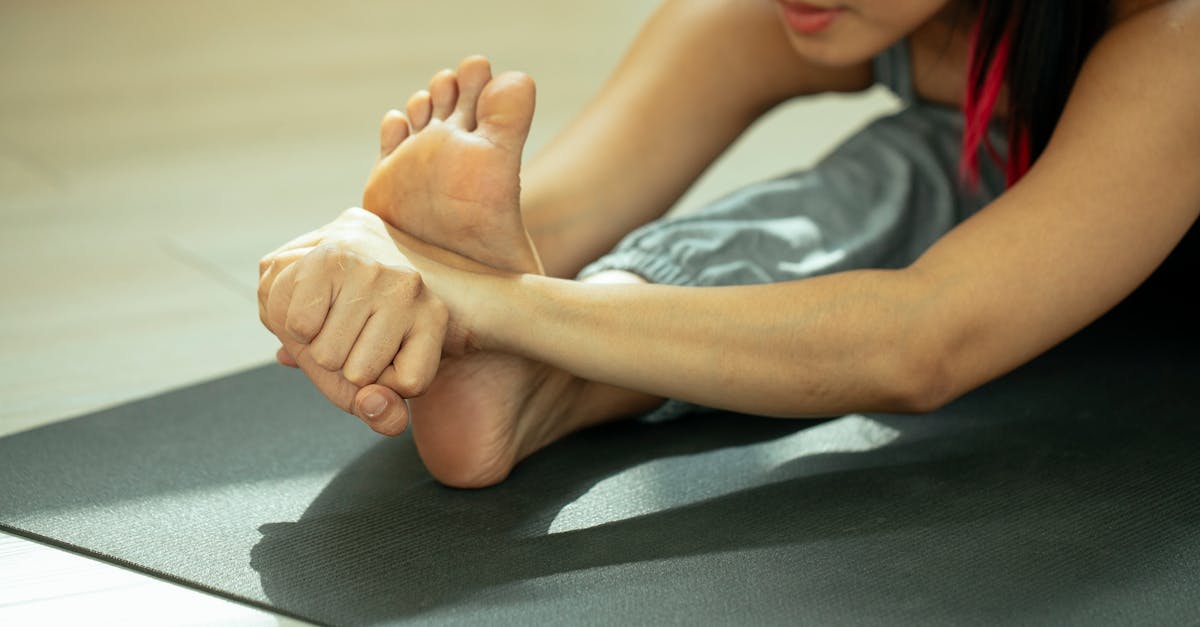
The individual must grab their toes and pull them firmly upward and backward toward the shin. This movement, called dorsiflexion, physically pulls the locked actin and myosin muscle fibers apart. Holding this extreme stretch for thirty to sixty seconds stimulates sensory receptors in the tendons, which send a reflex signal to the spinal cord commanding the muscle to stop contracting.
If reaching the toes is impossible, standing up and pressing the foot flat and hard against a cold floor forces the arch to flatten and elongate the muscles. Shifting weight onto the cramped foot often breaks the spasm instantly through sheer mechanical force.
13. Strengthening the Foot Core
Preventing the recurrence of a charley horse requires building the endurance of the intrinsic foot muscles, often referred to as the “foot core.” Just as a weak abdominal core causes back pain, a weak foot core causes arch pain and spasms.
Physical therapy exercises focus on isolated muscle engagement. “Toe yoga,” where the individual practices lifting the big toe while keeping the other four toes flat on the ground, enhances neurological control over the foot muscles.
Towel scrunches are highly effective; the patient places a towel flat on the floor and uses only their toes to gather the towel toward them. This exercise builds massive endurance in the flexor digitorum brevis and the abductor hallucis, ensuring they do not fatigue and cramp during normal daily activities.
14. Orthotic Support and Footwear Selection
If the foot muscles are cramping because they cannot support a collapsing arch, external support is required. Custom or high-quality over-the-counter orthotic inserts are designed to mimic the natural contour of the arch.
By providing a firm, supportive shelf, the orthotic bears the mechanical weight of the body. The intrinsic muscles are relieved of the duty of holding the foot together, preventing the profound fatigue that leads to cramping.
Footwear must feature a wide toe box that allows the toes to splay naturally, a firm heel counter to stabilize the ankle, and a supportive midsole that does not bend easily in the middle. Eliminating high heels and completely flat shoes from the daily wardrobe is essential for long-term spasm prevention.
15. When to Consult a Podiatrist
While an isolated charley horse in the foot is a benign, everyday occurrence, a shifting pattern of symptoms requires professional evaluation to prevent structural damage.
Seek medical evaluation if the arch cramps become a daily occurrence, cause severe sleep disruption, or leave the foot swollen, red, or warm to the touch. Furthermore, if the cramping is accompanied by a complete loss of sensation, profound tingling, or if you cannot lift your foot properly (foot drop), you must consult a physician immediately to rule out severe nerve compression or vascular blockage in the leg.
A podiatrist can evaluate the structural integrity of the foot, prescribe custom orthotics, and provide a definitive treatment plan to eliminate the painful spasms and restore full, comfortable mobility.
16. Frequently Asked Questions FAQ
1. Why does the arch of my foot cramp when I point my toes?
When you point your toes downward, you are putting the small muscles in the arch of your foot into their shortest, most bunched-up position. Contracting a muscle from this already shortened position creates a severe mechanical disadvantage, easily causing the muscle fibers to lock together into a painful cramp.
2. What vitamin deficiency causes charley horses in the feet?
A lack of magnesium is the most common nutritional cause of foot and leg cramps, as magnesium is the chemical required to make muscles relax. Low potassium, calcium, and systemic dehydration also play massive roles in making your nerves hyper-excitable and prone to triggering spasms.
3. Are foot cramps a sign of poor circulation?
They can be, especially in older adults. If your blood vessels are narrowed (peripheral artery disease), your foot muscles do not receive enough oxygenated blood, particularly when exercising or lying in bed. This lack of oxygen causes the muscles to build up acidic waste, triggering severe, painful cramps.
4. How do you instantly relieve a cramp in the arch of your foot?
You must force the muscle to stretch. Grab your toes and pull them strongly backward toward your shin, and hold that position for a full minute. Alternatively, stand up immediately and press your foot flat and hard onto the floor, putting your body weight on it to stretch the arch out.
5. Will arch supports stop my feet from cramping?
If your cramps are caused by flat feet or severe muscle fatigue from working long hours on hard floors, arch supports (orthotics) are highly effective. They provide a physical shelf for your arch to rest on, taking the heavy workload off the small foot muscles so they do not get exhausted and cramp.
17. Bibliography
Disclaimer: The content is for informational purposes only and does not replace medical advice. Always consult your doctor for personalized treatment.