1. Introduction
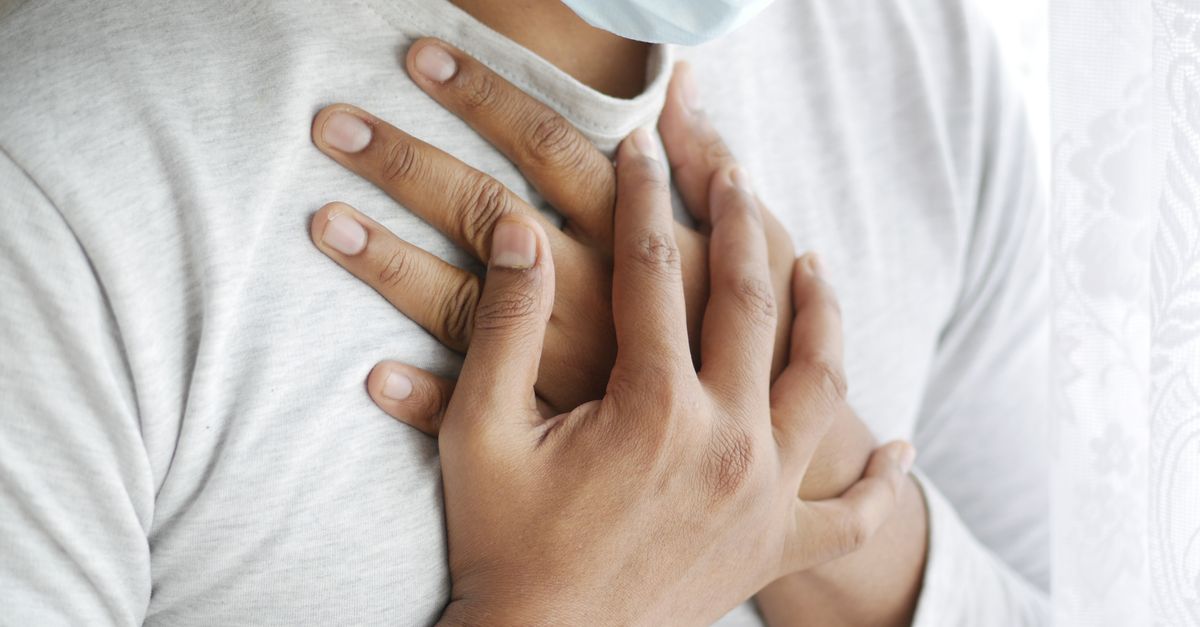
Asthma can definitively cause severe chest pain, tightness, and pressure entirely without the presence of a cough. While coughing and wheezing are the hallmark symptoms most frequently associated with the disease, they are not strictly required for a diagnosis or an exacerbation. The underlying mechanics of an asthma attack involve intense muscular constriction and deep tissue inflammation, both of which can generate profound localized pain.
The respiratory system relies on a complex network of smooth muscle and sensitive mucosal linings. When an asthmatic individual encounters a trigger, these tissues react aggressively. The smooth muscle bands wrapping the airways undergo severe spasms, essentially placing the lungs in a biological vice. This sustained mechanical tension creates a crushing sensation in the chest that mimics acute cardiac distress.
Recognizing that chest pain can be a primary and solitary symptom of an asthma exacerbation is crucial for patient safety. Misattributing this pain strictly to muscular strain or anxiety can delay the administration of life saving bronchodilators, allowing the silent inflammation to compromise the airway further.
2. The Pathophysiology of Asthma
Asthma is a chronic inflammatory disease of the lower respiratory tract. It fundamentally alters the architecture and reactivity of the bronchial tubes, the pathways that carry air deep into the lungs. An asthmatic airway is chronically inflamed and hyperresponsive to environmental stimuli.
When the airway encounters a trigger, such as cold air, allergens, or stress, the immune system initiates an exaggerated defensive response. This response involves the rapid release of inflammatory mediators, including histamine and leukotrienes, into the local lung tissue.
These chemical messengers orchestrate a triphasic attack on the airway: they cause the smooth muscle to contract violently, they induce severe swelling in the mucosal lining, and they trigger the overproduction of thick mucus. This combination drastically narrows the internal diameter of the bronchial tubes.
3. Understanding Bronchospasms
A bronchospasm is the sudden, involuntary contraction of the smooth muscle bands that encircle the bronchioles. These muscles are controlled by the autonomic nervous system. During an asthma attack, the parasympathetic nerves command these muscles to clamp down defensively.
Because the lungs contain miles of these tiny muscular tubes, a widespread bronchospasm involves a substantial amount of muscle tissue contracting simultaneously and relentlessly. This sustained isometric contraction is exhausting for the tissue.
The physical sensation of this massive smooth muscle spasm is not perceived by the brain as a cough; it is perceived as a deep, crushing, or restrictive pain across the entire chest wall. The patient feels as though a heavy weight is sitting directly on their sternum.
4. Why Chest Pain Occurs Without Coughing
Coughing is a specific neurological reflex triggered by the irritation of sensory receptors located primarily in the upper airways and the larger bronchi. It is a mechanical attempt to expel mucus or foreign bodies from the respiratory tract.
However, in many cases of asthma, particularly silent asthma, the inflammation and bronchospasm occur deep in the smallest bronchioles at the periphery of the lungs. These distal airways have fewer cough receptors.
When the distal airways clamp shut, they do not trigger the cough reflex. Instead, the severe narrowing creates immense resistance to airflow. The respiratory muscles must work exponentially harder to pull air through these tiny, constricted tubes, leading directly to mechanical chest pain and fatigue without a single cough.
5. Hyperinflation and Pleural Stretching
As the bronchioles narrow due to spasms and inflammation, a dangerous physiological trap occurs. It becomes relatively easy to inhale, but exceptionally difficult to exhale. Air becomes trapped deep within the alveoli, the tiny air sacs of the lungs.
This air trapping causes the lungs to become physically overinflated, a condition known as hyperinflation. The overinflated lungs press outward against the rib cage and downward against the diaphragm, altering the normal mechanics of breathing.
The lungs are encased in a sensitive, double layered membrane called the pleura. As the hyperinflated lungs press against the chest wall, they stretch the parietal pleura, which is richly innervated with pain receptors. This mechanical stretching generates a sharp, constant ache that worsens with every attempted deep breath.
6. Muscular Tension and Accessory Muscle Use
Normal, restful breathing is driven almost entirely by the diaphragm, a large muscle situated below the lungs. During an asthma exacerbation, the increased airway resistance makes diaphragmatic breathing insufficient to maintain adequate oxygen levels.
To compensate, the body recruits accessory muscles of respiration. These include the intercostal muscles between the ribs, the scalenes in the neck, and the pectoral muscles in the chest. These muscles are designed for short, forceful bursts of breathing during exercise, not for sustained continuous use.
When these accessory muscles are forced to work continuously against the massive resistance of constricted airways, they rapidly fatigue and cramp. This lactic acid buildup and muscular exhaustion present clinically as profound, aching chest pain that radiates across the torso.
7. The Concept of Silent Asthma
Silent asthma is a particularly dangerous variant of the disease where the classic auditory signs, such as wheezing and coughing, are entirely absent. The lack of noise is actually a sign of severe physiological compromise.
Wheezing is the sound of air forcing its way through a narrowed tube. In silent asthma, the bronchospasm and swelling are so severe that virtually no air is moving through the tubes at all. Without airflow, no sound can be generated.
Patients with silent asthma frequently present in emergency departments complaining solely of agonizing chest tightness, inability to catch their breath, and panic. Because they are not coughing or wheezing, the severity of their respiratory failure is sometimes initially underestimated.
8. Differentiating Asthma from Cardiac Pain
Because severe chest pressure is the cardinal symptom of a myocardial infarction (heart attack), differentiating asthma induced pain from cardiac ischemia is the highest clinical priority.
Cardiac pain is typically described as a deep, central crushing sensation that often radiates to the left arm, jaw, or back, and is frequently accompanied by profound diaphoresis (sweating) and nausea. It does not typically fluctuate with the depth of a breath.
Asthma induced chest pain is also central and crushing but is usually described as a restrictive band around the chest. Crucially, the pain is intrinsically linked to the mechanics of breathing. The patient feels a desperate, mechanical inability to expand their lungs fully, and the pain often improves rapidly upon the administration of a bronchodilator.
9. Types of Chest Discomfort in Asthma
| Mechanism of Pain | Description of the Sensation | Clinical Cause |
|---|---|---|
| Bronchospasm | Crushing, vice-like band around the ribs | Sustained contraction of bronchial smooth muscle |
| Hyperinflation | Aching pressure, sharp pain on deep inspiration | Trapped air stretching the pleural membranes |
| Accessory Muscle Fatigue | Soreness, cramping across the chest and neck | Overuse of intercostal and pectoral muscles |
| Mucosal Inflammation | Deep, burning sensation behind the sternum | Chemical irritation from inflammatory cytokines |
10. Triggers for Non Coughing Exacerbations
Certain environmental and physiological triggers are more likely to induce deep bronchospasms without provoking a cough reflex. Cold air is a primary culprit. Inhaling frigid air bypasses the warming mechanisms of the nose, shocking the deep bronchial tubes and causing immediate, severe smooth muscle constriction.
Exercise induced bronchoconstriction is another classic presentation. During rigorous physical activity, the rapid inhalation of dry air desiccates the airway lining, triggering an inflammatory cascade that primarily causes deep chest tightness and pain, often without a cough.
Psychological stress and strong emotional responses can also provoke chest predominant symptoms. The surge of stress hormones alters autonomic nervous system tone, causing the bronchial muscles to tighten defensively, resulting in severe chest pressure that mimics an anxiety attack.
11. The Role of Acid Reflux
Gastroesophageal reflux disease is highly prevalent among asthmatics and acts as a hidden trigger for chest pain and bronchospasms. When stomach acid travels up the esophagus, it can spill over into the trachea.
This microaspiration of acid is fiercely irritating to the respiratory mucosa. Even if the acid does not reach the lungs, its presence in the esophagus stimulates the vagus nerve. The vagus nerve reflexively commands the bronchial tubes to constrict to protect the lungs from the acid.
This vagally mediated bronchospasm causes intense chest tightness. The patient experiences the burning chest pain of the acid reflux perfectly intertwined with the restrictive crushing pain of the asthma attack, making clinical diagnosis complex.
12. Diagnostic Tools and Spirometry
When a patient presents with recurrent chest pain but no cough, a pulmonologist relies on pulmonary function testing, specifically spirometry, to confirm the diagnosis of asthma.
Spirometry measures the volume and speed of air a patient can forcefully exhale. A reduced forced expiratory volume in one second indicates significant airway obstruction. The critical diagnostic step involves administering an inhaled bronchodilator.
If the patient’s airway obstruction and subjective chest pain resolve significantly within fifteen minutes of receiving the bronchodilator, the diagnosis of reversible airway disease (asthma) is definitively confirmed, completely ruling out cardiac or musculoskeletal origins.
13. Bronchodilators and Corticosteroids
The immediate treatment for asthma induced chest pain is a short acting beta agonist, commonly known as a rescue inhaler. Medications like albuterol act directly on the smooth muscle receptors, forcing the clamped bronchial tubes to relax and open.
As the smooth muscle relaxes, the crushing vice on the chest is released, and the trapped air can finally escape, instantly relieving the pleural stretching and mechanical pressure.
For long term management, inhaled corticosteroids are the cornerstone of therapy. These medications do not provide immediate pain relief; instead, they aggressively suppress the chronic, underlying mucosal inflammation. A lung free of severe inflammation is far less likely to undergo painful spasms when exposed to a trigger.
14. Long Term Management Strategies
Patients whose primary symptom is chest pain must be exceptionally diligent with their daily controller medications, as they lack the early warning sign of a persistent cough to alert them to rising inflammation levels.
Utilizing a peak flow meter daily at home is highly recommended. This simple device measures expiratory force. A drop in the peak flow number provides objective, quantifiable evidence that the airways are constricting, even before the physical sensation of chest tightness begins.
Identifying and strictly avoiding personal triggers, whether they are specific allergens, cold weather, or chemical irritants, is mandatory for preventing the sudden, intense smooth muscle spasms that drive the pain.
15. When to See a Doctor
You must seek emergency medical care immediately if your chest pain is accompanied by severe shortness of breath, a bluish tint to your lips or fingernails, or if you are physically unable to speak in full sentences. These are signs of a critical, life threatening lack of oxygen.
Emergency intervention is also required if your chest pain does not respond to your prescribed rescue inhaler, or if the pain radiates to your left arm or jaw, as you cannot safely rule out a simultaneous cardiac event at home.
Consult your pulmonologist or primary care physician if you are relying on your rescue inhaler more than twice a week to relieve chest tightness, as this indicates your baseline airway inflammation is uncontrolled and requires a change in daily medication.
16. Frequently Asked Questions FAQ
1. Can anxiety cause my asthma chest pain?
Yes, anxiety acts as a physiological trigger that can induce genuine bronchospasms. Furthermore, the terrifying sensation of not being able to breathe creates a massive panic response, which tightening the chest muscles further and worsens the pain.
2. Why does the chest pain hurt worse when I breathe out?
During an asthma attack, exhaling is the hardest part of breathing. You are actively forcing air through microscopic, inflamed, and spasming tubes, which requires intense muscular effort and generates significant physical discomfort.
3. Will taking a deep breath help stop the pain?
Attempting to force a deep breath when your lungs are already hyperinflated and your bronchioles are spasming will likely increase the mechanical stretching of the pleura, making the chest pain temporarily sharper.
4. Is silent asthma more dangerous than regular asthma?
It can be more dangerous because the lack of wheezing or coughing provides a false sense of security. The patient and bystanders may not realize how severely the airway is compromised until respiratory failure is imminent.
5. How long does the chest soreness last after the attack is over?
Even after the bronchospasm is resolved with an inhaler, the accessory muscles in your chest and neck may remain sore and tender for a day or two due to the intense physical exertion required during the attack.
17. Bibliography
Disclaimer: The content is for informational purposes only and does not replace medical advice. Always consult your doctor for personalized treatment.