1. Introduction
Fingernail cuticles constantly crack and bleed during the dry winter months due to a severe depletion of the skin barrier lipids caused by low environmental humidity and cold temperatures. This rapid moisture loss, scientifically known as transepidermal water loss, leads to the dehydration and mechanical failure of the stratum corneum in the periungual tissues. The structural integrity of the cuticle weakens, forming painful epidermal fissures that can easily bleed upon movement or friction.
2. The Anatomy of the Nail Fold and Cuticle
To understand cuticle damage, one must first examine the specific anatomy of the distal finger. The cuticle, clinically referred to as the eponychium, is a specialized ridge of modified stratum corneum that seals the gap between the proximal nail fold and the nail plate. This seal is biologically critical. It prevents the entry of environmental pathogens and chemical irritants into the vulnerable nail matrix where new nail cells are generated.
Unlike the skin on other parts of the body, the periungual area lacks an abundance of sebaceous glands. Sebaceous glands secrete sebum, a lipid-rich substance that naturally lubricates and protects the epidermis. The absence of these glands makes the fingertips and cuticles particularly vulnerable to rapid dehydration.
3. The Impact of Winter Weather on Skin Hydration
Winter weather creates a hostile environment for human skin. As temperatures drop, the air loses its capacity to hold moisture. The resulting low environmental humidity establishes a stark concentration gradient between the moisture-rich inner layers of the skin and the dry outside air. Water molecules naturally move from areas of high concentration to areas of low concentration.
When individuals spend time outdoors in cold climates, the biting wind further accelerates this moisture evaporation. The stratum corneum, the outermost layer of the epidermis, requires a water content of at least ten percent to maintain its plasticity and flexibility. During winter, the water content in the cuticle tissue drops significantly below this threshold, transforming flexible tissue into a brittle, inelastic structure.
4. Pathophysiology of Epidermal Fissuring
Epidermal fissuring occurs when the mechanical stress placed on dehydrated skin exceeds its tensile strength. The hands are in constant motion, performing complex motor tasks that stretch and compress the skin around the joints and fingertips. When the cuticle is properly hydrated, it stretches effortlessly to accommodate these movements.
In a dehydrated state, the lipid mortar holding the corneocytes together becomes rigid. Normal daily activities, such as typing or grasping objects, exert mechanical forces that the brittle cuticle can no longer withstand. The tissue simply splits open. These splits often extend deep into the dermis, where nerve endings and superficial capillaries reside, resulting in sharp pain and spontaneous bleeding.
5. The Role of Natural Moisturizing Factors
The skin relies on natural moisturizing factors to bind and retain water within the stratum corneum. These factors consist of amino acids, urea, lactic acid, and various mineral salts derived from the breakdown of filaggrin proteins. Natural moisturizing factors act as humectants, pulling water from the deeper dermal layers up into the epidermis.
During the winter months, the metabolic processes that generate natural moisturizing factors can become sluggish. Additionally, environmental factors constantly strip these water-binding molecules away from the surface. Without adequate natural moisturizing factors, the cuticle loses its ability to hold onto whatever little moisture remains, leading to chronic, persistent dryness and scaling.
6. How Indoor Heating Contributes to Cuticle Damage
The transition from cold outdoor air to heated indoor spaces exacerbates skin dehydration. Central heating systems warm the air but do not add moisture, resulting in exceptionally low indoor humidity levels. This creates an environment that acts like a sponge, pulling moisture directly from the skin.
Individuals often spend the majority of their winter days in these heated, dry environments. The continuous exposure means the cuticles never have an opportunity to recover or rehydrate naturally. The constant cycling between freezing outdoor air and artificially heated indoor air places immense physiological stress on the skin barrier.
7. The Vicious Cycle of Handwashing and Transepidermal Water Loss
Hand hygiene is essential, especially during the winter cold and flu season, but it acts as a double-edged sword for skin health. Frequent washing with hot water and harsh alkaline soaps aggressively strips the natural lipid barrier from the hands. Hot water melts the skin lipids, while surfactants in soap wash them down the drain.
After washing, if a deeply hydrating cream is not immediately applied, the skin experiences a massive spike in transepidermal water loss. The water on the surface of the skin evaporates quickly, taking internal cellular moisture with it. This creates a vicious cycle where the very act of washing damages the cuticles further, making them more prone to cracking and bleeding. Individuals experiencing this often benefit from reading about contact dermatitis mechanisms.
8. Identifying Signs of Complications: Acute Paronychia
When the cuticle cracks and bleeds, the protective seal of the eponychium is broken. This breach creates a direct portal of entry for opportunistic bacteria, most commonly Staphylococcus aureus and Streptococcus species. When these bacteria colonize the periungual tissue, an infection known as acute paronychia develops.
The clinical signs of acute paronychia include localized erythema, pronounced swelling, throbbing pain, and localized warmth along the nail fold. In advanced stages, a pocket of purulent fluid may form beneath the skin. This complication transforms a simple dry skin issue into a medical condition that requires careful clinical management to prevent permanent damage to the nail matrix.
9. Common Chemical Irritants in Daily Life
Beyond weather and water exposure, daily routines involve hidden chemical irritants that degrade cuticle integrity. Household cleaning agents, dishwashing liquids, and laundry detergents contain potent surfactants designed to cut through grease. Unfortunately, they also cut through the epidermal lipid barrier with equal efficiency.
Additionally, cosmetic products such as nail polish removers containing high concentrations of acetone are notoriously dehydrating. Acetone rapidly strips water and lipids from the nail plate and surrounding skin. Frequent manicures utilizing aggressive chemical solvents during the winter months almost guarantee the development of cracked and bleeding cuticles.
10. Nutritional Deficiencies That Worsen Skin Integrity
While environmental factors are the primary culprits for winter cuticle damage, internal nutritional status plays a supportive role in maintaining barrier health. The synthesis of healthy skin and nail tissue requires an adequate supply of essential fatty acids, vitamins, and trace minerals.
Deficiencies in omega-3 fatty acids, vitamin E, and B-complex vitamins can impair the structural formation of the stratum corneum. Without the proper nutritional building blocks, the epidermis produced is inherently weaker and more susceptible to environmental stressors. A clinical evaluation may consider these internal factors when a patient presents with chronic, treatment-resistant skin fissuring.
11. Dermatological Conditions Mimicking Winter Dryness
Not all cracking and bleeding around the nails is solely attributable to winter dryness. Several underlying dermatological conditions can present with very similar symptoms and may be exacerbated by the cold weather. It is important to differentiate between simple xerosis and a chronic inflammatory skin disease.
Conditions such as hand eczema, particularly the hyperkeratotic variant, cause thickening, scaling, and deep fissuring of the fingertips and cuticles. Fingertip psoriasis can also cause severe scaling and cracking, often accompanied by characteristic nail plate changes such as pitting or onycholysis. Accurate clinical diagnosis is necessary when symptoms fail to improve with standard moisturizing protocols.
12. Clinical Treatment Strategies for Severely Cracked Cuticles
When cuticles are actively bleeding and deeply fissured, standard lotions are insufficient. Clinical treatment focuses on repairing the lipid barrier, reducing inflammation, and preventing secondary infection. Thick, occlusive ointments are the gold standard for therapeutic intervention.
Petrolatum-based ointments form a synthetic waterproof seal over the cuticle, completely halting transepidermal water loss and creating an optimal microenvironment for tissue repair. Emollients containing ceramides, glycerin, and hyaluronic acid actively draw moisture into the tissue and replenish the depleted lipid matrix. In cases of severe inflammation, a brief course of a low-potency topical corticosteroid may be prescribed to reduce erythema and swelling.
| Treatment Category | Mechanism of Action | Common Examples |
|---|---|---|
| Occlusives | Block transepidermal water loss physically | Petrolatum, Mineral Oil, Dimethicone |
| Humectants | Draw water into the stratum corneum | Glycerin, Urea, Hyaluronic Acid |
| Emollients | Fill spaces between desquamating corneocytes | Ceramides, Shea Butter, Squalane |
13. Preventative Care: Building a Robust Skin Barrier
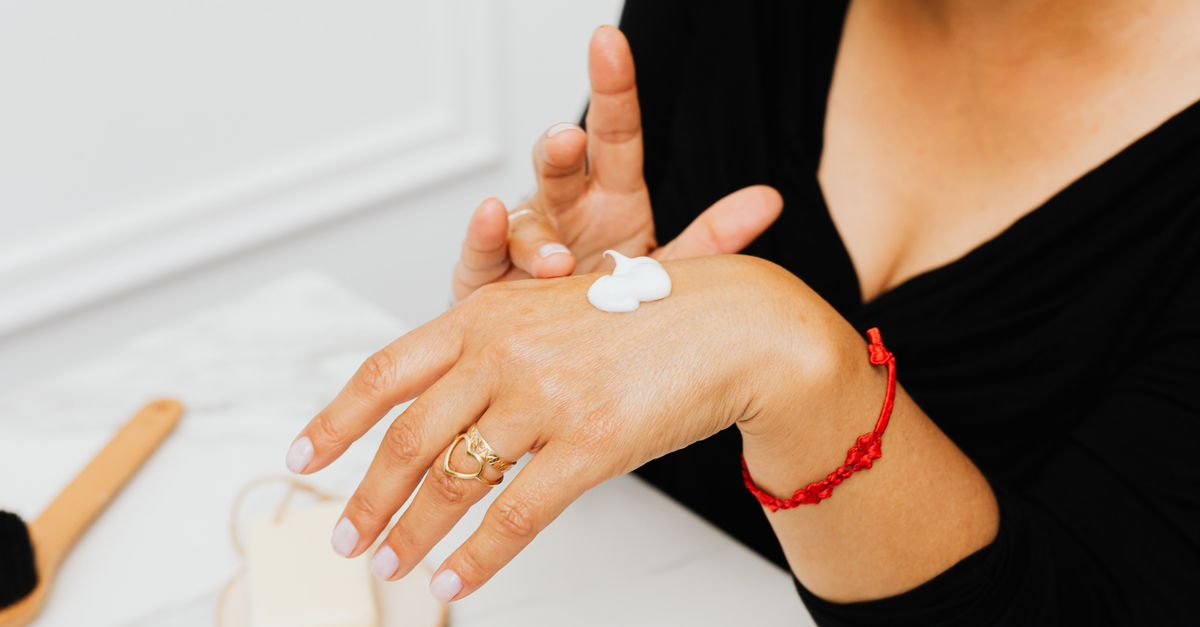
Prevention is far more effective than trying to heal already broken tissue. A proactive winter skin care regimen requires consistent, daily habits. Hydration must be applied repeatedly throughout the day, particularly immediately after handwashing while the skin is still slightly damp. This traps the ambient water into the stratum corneum before it can evaporate.
Wearing gloves is another non-negotiable preventative measure. Heavy, insulated gloves should be worn outdoors to block the freezing wind and cold temperatures. Inside the home, cotton-lined rubber gloves must be utilized during wet work, such as washing dishes or cleaning, to shield the hands from hot water and chemical detergents.
14. The Proper Way to Groom Nails and Cuticles
Improper grooming habits actively contribute to cuticle damage. Cutting or aggressively pushing back the cuticles removes the natural biological seal and traumatizes the tissue. This mechanical injury induces inflammation and leads to thicker, rougher, and more brittle regrowth that is highly prone to splitting.
Dermatologists recommend leaving the cuticle intact. If grooming is desired, the tissue should only be gently nudged back with a soft tool after a shower when the skin is fully softened and hydrated. Any hangnails or loose pieces of skin should be carefully clipped at the base with sanitized nippers to prevent tearing the healthy tissue underneath.
15. When to Seek Medical Attention
Most cases of dry, cracked cuticles can be managed effectively with diligent home care and barrier protection. However, certain clinical signs warrant evaluation by a healthcare professional. Medical attention is necessary if the cuticles develop intense redness, become warm to the touch, or begin draining pus, as these are clear indicators of a bacterial paronychia requiring antibiotic therapy.
Furthermore, if the fissuring is accompanied by severe pain that limits daily hand function, or if the skin shows signs of persistent chronic inflammation despite weeks of intensive moisturizing, a dermatologist should be consulted. They can perform an assessment to rule out conditions like psoriasis, severe contact dermatitis, or fungal infections.
16. Frequently Asked Questions (FAQ)
1. Can drinking more water cure my dry cuticles?
While adequate systemic hydration is necessary for overall health, drinking excess water will not cure winter skin dryness. The primary issue is the rapid evaporation of moisture from the skin surface due to environmental factors, which must be addressed with topical barrier creams.
2. Should I cut my cracked cuticles to make them smooth?
Cutting cracked cuticles is strongly discouraged. Trimming traumatized tissue removes the biological seal, introduces the risk of infection, and often results in rougher, more brittle skin regrowth.
3. Are lotions or ointments better for winter hands?
Ointments and thick creams are significantly better than lotions. Lotions contain a high percentage of water and alcohol, which can evaporate quickly and further dry out compromised skin. Ointments provide a necessary occlusive barrier.
4. How long does it take for deep cuticle cracks to heal?
With strict adherence to moisturizing and the use of occlusive barriers like petrolatum, superficial cracks can heal within a few days. Deeper fissures may take one to two weeks of consistent care to fully re-epithelialize.
5. Is it safe to use superglue on deep skin cracks?
While some individuals use cyanoacrylate liquid bandages, traditional hardware superglue contains chemicals not intended for human tissue and can cause contact dermatitis or tissue toxicity. It is best to use medically approved liquid skin protectants.
17. Bibliography
Disclaimer: The content is for informational purposes only and does not replace medical advice. Always consult your doctor for personalized treatment.