1. Introduction and Direct Answer
When your cuticles constantly peel, crack, and fray, it indicates a severe compromise of the eponychium, the critical structural barrier that protects the delicate nail matrix from infection. This chronic breakdown is predominantly driven by profound environmental desiccation, the repetitive use of harsh chemical surfactants, or physical trauma from aggressive manicuring habits. However, if the persistent cracking is accompanied by localized swelling, intense redness, or throbbing pain, it signifies a transition from benign dehydration to paronychia, an active bacterial or fungal infection of the periungual tissues requiring targeted antimicrobial intervention.
2. Anatomy of the Nail Unit and Cuticle
To understand the pathology of cracked cuticles, one must examine the precise anatomy and biological purpose of the nail unit. The visible, hard fingernail is the nail plate, which grows out of the nail matrix—a specialized, highly metabolically active tissue located deep beneath the skin at the base of the nail.
The skin that folds over the base of the nail plate is the proximal nail fold. The cuticle, clinically termed the eponychium, is the thin, translucent, shedding layer of dead tissue that extends from the proximal nail fold tightly onto the dorsal surface of the growing nail plate.
The cuticle serves a singular, absolutely critical biological function: it acts as an impenetrable, waterproof physical seal. This living gasket completely blocks environmental bacteria, pathogenic fungi, and irritating chemicals from invading the sterile, highly vulnerable nail matrix below.
3. The Consequences of Environmental Desiccation
The most frequent etiology of peeling cuticles is severe environmental desiccation. Unlike the skin on the palms, the thin tissue of the eponychium lacks a dense concentration of sebaceous (oil) glands. Therefore, it is highly reliant on a fragile internal moisture balance to maintain its pliable, elastic nature.
During periods of low ambient humidity, specifically in the winter months or within heated indoor environments, the dry air rapidly evaporates the microscopic water content from the cuticle tissue.
Without sufficient lipid and water content, the keratinized cells of the eponychium become rigid and brittle. As the finger bends and moves, the inflexible cuticle cannot stretch; instead, it physically snaps and fractures, creating the deep, painful cracks and ragged, peeling edges commonly referred to as hangnails.
4. Chemical Irritants and Surfactants
The daily interaction with modern chemical agents acts as a profound destructive force against the cuticle barrier. The hands are constantly subjected to soaps, detergents, hand sanitizers, and cleaning solvents.
Commercial hand soaps and dish detergents rely heavily on powerful surfactants, such as sodium lauryl sulfate, to break down grease and oils. Unfortunately, these chemicals cannot differentiate between dirt and the essential structural lipids holding the cuticle cells together. Constant hand washing systematically strips the eponychium of its natural protective lipid barrier.
Furthermore, the high alcohol content in alcohol-based hand sanitizers acts as an aggressive desiccant, instantly flash-evaporating moisture directly out of the epidermal cells. The cumulative damage from these chemical exposures leaves the cuticles completely denuded, severely frayed, and highly prone to deep, bleeding fissures.
5. Mechanical Trauma and Dermatillomania
Physical trauma inflicted directly by the patient is a massive contributor to chronic cuticle damage. Many individuals engage in nervous habits, consciously or subconsciously picking, tearing, or biting the skin around the nails, a psychiatric condition formally known as dermatillomania or excoriation disorder.
Aggressive cosmetic manicuring is equally destructive. Many nail salons utilize sharp metal implements to aggressively push back or physically cut the living eponychium away to elongate the appearance of the nail plate.
Cutting the cuticle destroys the physiological waterproof seal entirely. The tissue responds to this severe mechanical amputation by growing back thicker, harder, and significantly more irregular. This disorganized scar tissue is highly rigid and cracks almost immediately under normal finger movement, perpetuating a cycle of cosmetic damage and subsequent mechanical removal.
6. Acute Paronychia (Bacterial Infection)
When the cuticle cracks and peels, the critical biological seal is broken, exposing the deep tissue of the nail fold to the external environment. This breach frequently leads to acute paronychia, a rapid, intensely painful bacterial infection of the periungual tissues.
The most common bacterial culprits are Staphylococcus aureus and various Streptococcus species, which naturally reside on the skin surface. When they infiltrate a deep cuticle crack, they multiply rapidly in the warm, enclosed environment of the nail fold.
Acute paronychia presents violently. Within hours, the skin surrounding the base of the nail becomes exquisitely tender, bright red, and severely swollen. A distinct, highly pressurized pocket of yellow or green pus often forms just beneath the cuticle line. This throbbing infection constitutes an acute medical issue requiring drainage and potential antibiotic therapy.
7. Chronic Paronychia (Fungal and Inflammatory)
If the cuticle seal remains compromised for weeks or months, typically due to constant immersion in water (often seen in bartenders, dishwashers, and healthcare workers), the patient develops chronic paronychia. This is a fundamentally different disease process than the acute bacterial form.
Chronic paronychia is a severe, localized inflammatory reaction, frequently compounded by the colonization of the yeast Candida albicans. The continuous presence of moisture and irritants trapped beneath the broken cuticle prevents the tissue from ever healing.
Clinically, chronic paronychia presents as a dull, red, boggy swelling of the proximal nail fold. The cuticle completely disappears, leaving a wide, open gap between the inflamed skin and the nail plate. Because the underlying nail matrix is constantly bathed in inflammatory fluid, the growing nail plate itself becomes severely deformed, thick, and discolored.
8. Nutritional Deficiencies Impacting the Eponychium
The rapid cellular turnover of the epidermal tissues surrounding the nail relies on an abundant supply of specific micronutrients. Systemic nutritional deficiencies severely degrade the structural integrity of the skin, making the cuticles highly susceptible to splitting.
Iron deficiency anemia drastically reduces the oxygen delivery to peripheral tissues. Without adequate oxygen, the cellular repair mechanisms in the fingertips slow down, resulting in thin, fragile, easily torn cuticles, alongside the classic development of pale, spoon-shaped nail plates (koilonychia).
Deficiencies in zinc, vitamin C, and the B-vitamin complex similarly impair collagen synthesis and epithelial regeneration. When the biological building blocks are absent, the cuticles lose their mechanical strength and fray constantly, regardless of the amount of topical moisturizer applied.
9. Hand Eczema and Contact Dermatitis
Underlying dermatological conditions frequently manifest precisely at the nail folds. Hand eczema (dyshidrotic eczema) and allergic contact dermatitis create intense localized inflammation that destroys the structural integrity of the periungual skin.
If a patient develops an allergy to specific chemicals, such as the acrylates used in artificial gel manicures or the formaldehyde resins in certain nail polishes, the immune system launches a massive inflammatory attack directly at the cuticle line.
This allergic response causes the skin to blister, become violently itchy, and swell heavily. As the blisters resolve, the cuticle tissue becomes intensely dry, hyperkeratotic, and cracks deeply down to the dermal vascular layer, making every finger movement highly painful.
10. Psoriasis of the Nail Fold
Psoriasis is a systemic autoimmune disease characterized by the hyperproliferation of skin cells. While primarily known for causing thick, scaly plaques on the elbows and knees, psoriasis frequently targets the nail matrix and the surrounding cuticles.
When psoriasis affects the proximal nail fold, the cuticles become thick, silvery, and highly inflamed. Because the underlying nail matrix is involved, the nail plate itself exhibits classic psoriatic changes, including deep pitting, severe discoloration (the “oil drop” sign), and eventual separation from the nail bed (onycholysis).
The cracking and peeling associated with psoriatic cuticles are notoriously stubborn and will not respond to standard over-the-counter moisturizers. They require potent, prescription-strength topical corticosteroids or systemic biologic therapies to suppress the localized autoimmune assault.
11. Cold Weather and Microvascular Changes
The extreme tips of the fingers possess a highly specialized, dense microvascular network designed for thermoregulation. During exposure to cold weather, the autonomic nervous system triggers intense peripheral vasoconstriction, drastically shrinking these tiny blood vessels to conserve core body heat.
This severe reduction in blood flow starves the distal finger tissues, including the cuticles, of vital oxygen and nutrients. The combination of ischemic stress from the lack of blood flow and the physical desiccation caused by low winter humidity creates a perfect storm for tissue breakdown.
Individuals with Raynaud phenomenon experience this to an extreme degree. Their blood vessels spasm completely shut in the cold, causing the fingertips to turn stark white or blue. This repeated severe ischemia leads to rapid necrosis of the delicate cuticle tissues, resulting in deep, highly painful, non-healing fissures.
12. Clinical Evaluation and Diagnosis
Determining the precise etiology of chronic cuticle peeling requires a careful clinical evaluation by a dermatologist or a primary care physician. The clinician will initially assess the extent of the damage, noting whether the problem is isolated to a single finger—suggesting localized trauma or acute infection—or if it affects all ten digits symmetrically, pointing toward a systemic issue or environmental exposure.
A physical examination of the nail plate is crucial. Deformities in the nail growing out from beneath the damaged cuticle provide a chronological record of the inflammation affecting the deep nail matrix over the preceding months.
If a bacterial or fungal infection is suspected, the clinician may gently swab the purulent exudate or scrape the tissue for a microbiological culture to identify the exact pathogenic organism and determine the most effective antimicrobial therapy.
13. Data Summary: Cuticle Pathology
Differentiating the cause of the peeling and cracking guides the medical management. The table below outlines the primary conditions affecting the eponychium.
| Primary Pathology | Underlying Cause | Key Diagnostic Features |
|---|---|---|
| Environmental Desiccation | Lack of lipids and moisture, chemical stripping | Dry, hard, peeling edges (hangnails) without severe swelling |
| Acute Paronychia | Bacterial invasion through a cracked cuticle | Rapid, intense throbbing pain, bright red swelling, pocket of pus |
| Chronic Paronychia | Constant moisture, irritants, fungal colonization | Cuticle totally missing, boggy red swelling, deformed nail plate |
| Nail Psoriasis | Autoimmune hyperproliferation | Thick, silvery scaling on cuticles, deep pits in the nail plate |
14. Medical and Preventive Management
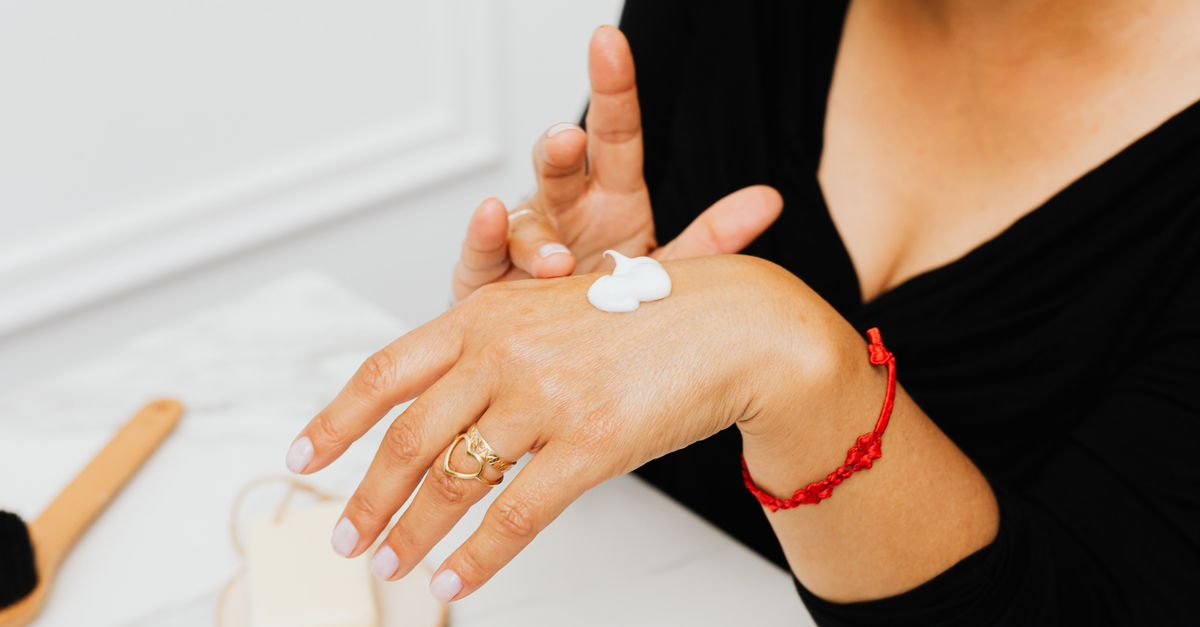
The absolute foundation of treating and preventing cracked cuticles is the rigorous restoration of the lipid barrier. Patients must cease the use of water-based pump lotions, which contain alcohols that evaporate and further dry the skin.
Instead, heavy, occlusive ointments must be utilized. Pure white petrolatum, lanolin, or specialized thick cuticle oils must be massaged directly into the eponychium multiple times a day, particularly immediately after washing hands, to trap the moisture within the tissues and restore elasticity.
If acute paronychia is present, a physician may need to perform a minor surgical drainage of the pus pocket using a sterile needle, followed by a course of oral antibiotics such as cephalexin. For chronic paronychia, the patient must strictly avoid prolonged water exposure, wear cotton-lined rubber gloves for wet work, and utilize prescribed high-potency topical steroids combined with antifungal agents to resolve the deep inflammation.
15. When to Seek Clinical Evaluation
While dry cuticles are common, certain severe symptoms indicate a dangerous progression that requires immediate medical intervention. You must seek professional care if the cracking is accompanied by rapidly spreading redness traveling down the finger, severe throbbing pain that prevents sleep, or the development of significant swelling and pus.
These symptoms signify a deep bacterial infection that can rapidly spread to the tendon sheaths of the finger or the underlying bone, potentially causing permanent structural damage to the hand. To understand how systemic factors impact bodily structures, you can review literature on muscle spasms and twitching or related inflammatory responses.
Furthermore, if the cuticle problems are associated with a changing, dark brown, or black vertical stripe appearing in the nail plate beneath the cuticle, an immediate dermatological biopsy is required to rule out subungual melanoma, a highly dangerous form of skin cancer.
16. Frequently Asked Questions (FAQ)
1. Is it safe for my nail technician to cut my cuticles with nippers?
No, it is highly discouraged by dermatologists. The cuticle is a living, essential barrier that prevents bacteria from entering your finger. Cutting it away removes this seal, leading to hard, jagged scar tissue and significantly increasing your risk of severe, painful nail infections.
2. Why do my cuticles peel more when I use hand sanitizer?
Hand sanitizers are formulated with high concentrations of ethyl or isopropyl alcohol to kill bacteria. This alcohol is a potent desiccant; it instantly flash-evaporates the water and strips the protective oils directly out of your cuticle cells, leaving them dry, brittle, and prone to cracking.
3. What is a hangnail, and should I rip it off?
A hangnail is a hard, dried-out sliver of cuticle tissue that has split away from the nail fold. You should never rip or bite it off, as this tears the living tissue deep into the dermis, causing bleeding and inviting infection. You should carefully clip it at the base with sterile nail scissors.
4. Can a vitamin deficiency cause my cuticles to crack?
Yes. Severe deficiencies in B-vitamins, iron, zinc, or vitamin C can degrade the body ability to produce healthy collagen and skin cells, making the delicate tissues around your nails weak, friable, and prone to constant peeling.
5. How do I cure chronic paronychia if the swelling never goes down?
Curing chronic paronychia requires absolute strict adherence to keeping your hands dry. You must wear protective gloves for all wet work, avoid harsh chemicals, and use the prescription steroid and antifungal creams prescribed by your dermatologist for several weeks to calm the deep inflammation.
17. Bibliography
Disclaimer: The content is for informational purposes only and does not replace medical advice. Always consult your doctor for personalized treatment.