1. Introduction
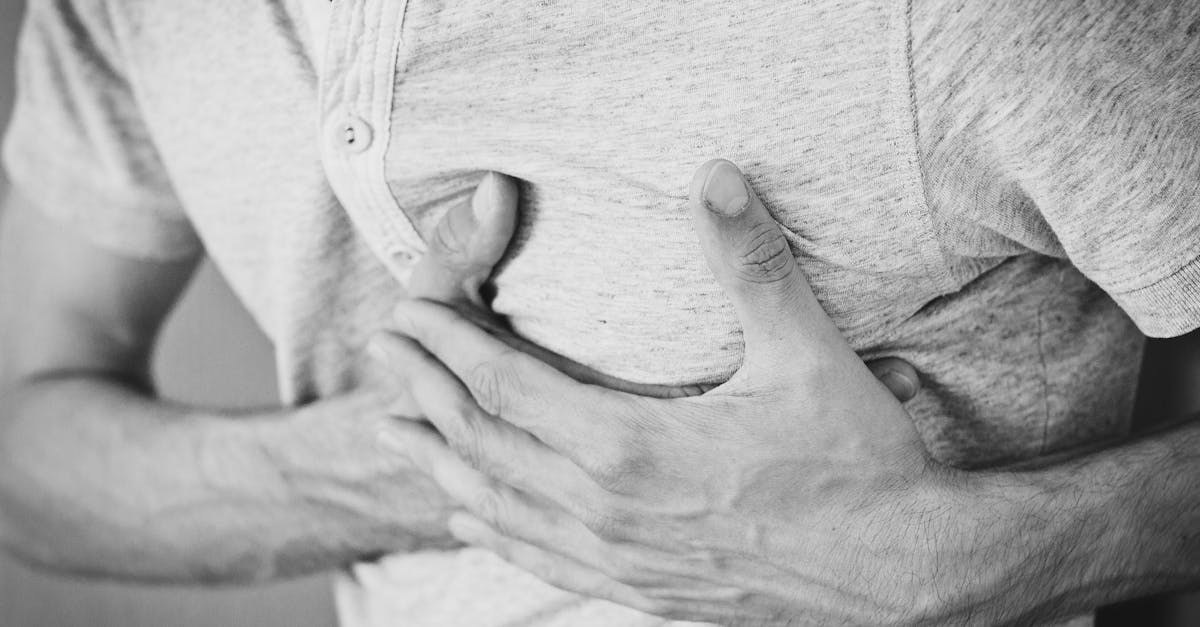
Feeling a heavy crushing weight on the chest when laying flat, a symptom clinically known as orthopnea, is frequently driven by fluid redistribution in the cardiopulmonary system, severe gastroesophageal reflux, or underlying respiratory conditions. Assuming a supine position neutralizes the effect of gravity, causing venous blood to pool in the chest or stomach acid to travel upward into the esophagus. While it can occasionally stem from benign indigestion or anxiety, this pronounced sensation of crushing pressure always warrants careful medical evaluation to rule out heart failure or asthma exacerbations.
The human body is biomechanically optimized to function in an upright position. Gravity constantly works to pull fluids downward toward the lower extremities and keeps digestive contents anchored in the stomach. When a person lies completely flat, these gravitational defenses are removed, forcing the heart, lungs, and esophageal sphincter to manage significant shifts in fluid dynamics.
2. The Hemodynamics Of The Supine Position
Lying flat on the back initiates a massive physiological fluid shift. While standing, gravity causes blood to pool slightly in the veins of the legs and abdomen. Upon assuming the supine position, roughly five hundred to one thousand milliliters of this venous blood rapidly returns to the central circulation of the chest.
This sudden influx of blood increases the venous return to the right side of the heart, subsequently increasing the volume of blood pumped into the pulmonary vasculature of the lungs. A healthy heart and lungs easily accommodate this volume shift. However, if the cardiopulmonary system is compromised, this added fluid volume creates profound physical pressure within the chest cavity.
3. Orthopnea And Congestive Heart Failure
The most serious clinical cause of a crushing weight on the chest when lying down is congestive heart failure. In left-sided heart failure, the left ventricle is too weak to efficiently pump blood out to the body. When the supine fluid shift forces extra blood into the lungs, the failing left ventricle cannot keep up with the increased workload.
Consequently, blood backs up into the pulmonary veins, leading to increased hydrostatic pressure within the lungs. This pressure forces plasma fluid to leak into the microscopic air sacs, a condition known as pulmonary edema. The patient experiences this fluid buildup not just as shortness of breath, but as a terrifying, heavy, suffocating pressure directly over the sternum.
4. Gastroesophageal Reflux Disease And Esophageal Spasms
A frequent, non-cardiac cause of supine chest pressure is severe gastroesophageal reflux disease. The stomach contains highly caustic hydrochloric acid used for digestion. It is separated from the delicate esophagus by a muscular valve called the lower esophageal sphincter. When lying flat, gravity no longer helps keep the acid at the bottom of the stomach.
If the sphincter is weak, the acid washes backward into the esophagus. The esophageal lining lacks protective mucus, and the acid inflicts immediate chemical burns. The esophagus responds to this trauma by initiating severe, uncoordinated muscle spasms. These deep muscular spasms feel remarkably similar to a heavy, crushing heart attack, radiating deep pressure throughout the center of the chest.
5. Pulmonary Edema And Fluid Accumulation
Pulmonary edema, regardless of whether it is caused by heart failure or renal issues, drastically alters the mechanical compliance of the lungs. Healthy lungs are spongy and expand effortlessly. When the air sacs fill with fluid, the lungs become heavy, boggy, and physically stiff.
The muscles of the chest wall and the diaphragm must work exponentially harder to expand these stiff, fluid-filled lungs against the weight of the chest. This intense muscular effort, combined with the lack of adequate oxygen exchange, generates sensory signals that the brain translates as a profound, heavy weight resting directly on the rib cage.
6. Bronchial Asthma And Nocturnal Exacerbation
Asthma often exhibits a distinct circadian rhythm, with symptoms worsening significantly during the night and particularly when lying flat. When supine, the abdominal organs push slightly upward against the diaphragm, marginally reducing the total lung volume. For a healthy person, this is imperceptible.
For an asthmatic with chronically inflamed airways, this slight reduction in lung volume is problematic. Furthermore, airway resistance naturally increases during sleep due to parasympathetic nervous system dominance. The combination of narrowed, mucus-filled airways and reduced lung volume creates an intense feeling of chest tightness and a suffocating pressure when resting horizontally.
7. Chronic Obstructive Pulmonary Disease Dynamics
Patients with chronic obstructive pulmonary disease suffer from hyperinflated lungs and flattened diaphragms. They rely heavily on gravity to pull the abdominal contents downward, giving their compromised diaphragm the necessary space to contract and draw air into the lungs.
Lying flat eliminates this gravitational assistance. The abdominal organs press forcefully against the diaphragm, severely impairing its ability to contract downward. The patient must suddenly recruit the accessory muscles of the neck and upper chest to breathe. This exhausting mechanical disadvantage produces an overwhelming sensation of a heavy, restrictive weight bearing down on the chest.
8. Musculoskeletal Compression And Rib Cage Mechanics
Not all chest pressure originates from internal organs. The musculoskeletal structure of the rib cage itself can be the culprit. Conditions like costochondritis involve inflammation of the cartilage connecting the ribs to the sternum. The joints of the anterior chest wall are highly sensitive to pressure.
When lying flat on a firm mattress, the shoulder blades are pushed backward, subtly expanding the front of the rib cage. This mechanical stretch pulls on the inflamed costal cartilages. Over several minutes, this sustained tension triggers a deep, aching pressure across the sternum that mimics internal organ distress but is purely mechanical in origin.
9. Sleep Apnea And Airway Resistance
Obstructive sleep apnea occurs when the soft tissues at the back of the throat collapse and block the upper airway during sleep. Lying flat on the back is the most provocative position for this collapse, as gravity pulls the tongue and soft palate directly downward over the windpipe.
As the airway narrows, the individual must generate massive negative pressure within the chest cavity to suck air past the obstruction. This intense, straining respiratory effort against a closed airway creates a profound sensation of crushing chest pressure that often jolts the person awake, gasping for breath.
10. Differentiating Causes Of Supine Chest Pressure
Identifying accompanying symptoms helps narrow down the etiology of the crushing sensation. The table below outlines key clinical distinctions.
| Accompanying Symptoms | Time of Onset | Most Likely Clinical Cause |
|---|---|---|
| Swollen ankles, waking up gasping for air | Minutes to hours after lying flat | Congestive Heart Failure (Orthopnea) |
| Sour taste in mouth, burning in throat | Shortly after lying down, worse after eating | Gastroesophageal Reflux Disease (GERD) |
| Wheezing, chronic cough, smoking history | Gradual worsening upon lying flat | COPD or Nocturnal Asthma |
| Loud snoring, waking with a headache | Occurs during active sleep cycles | Obstructive Sleep Apnea |
11. Anxiety And The Sensation Of Breathlessness
Psychological factors can manifest as profound physical symptoms. Severe anxiety or panic disorder frequently produces the sensation of a crushing weight on the chest. When lying quietly in bed, external distractions fade, allowing an anxious mind to hyper-focus on internal bodily sensations.
Anxiety triggers the sympathetic nervous system, causing shallow, rapid chest breathing rather than deep diaphragmatic breathing. This hyperventilation fatigues the intercostal muscles of the ribs and creates a subjective feeling of chest tightness. The fear of this physical sensation triggers more anxiety, creating a rapid, self-sustaining loop of perceived crushing pressure.
12. Obesity And Diaphragmatic Splinting
Excess abdominal adiposity significantly alters the mechanics of breathing in the supine position. Large amounts of fat tissue in the central abdomen possess considerable physical mass. When a person with severe obesity lies flat on their back, gravity pulls this heavy adipose tissue directly backward and upward against the diaphragm.
This physical phenomenon is known as diaphragmatic splinting. The sheer weight of the abdomen prevents the lungs from expanding fully into the lower chest cavity. The physical restriction of the lungs is perceived precisely as a heavy, immovable weight pressing down on the chest and upper abdomen, severely compromising ventilatory efficiency.
13. Diagnostic Approaches For Orthopnea
Because a crushing chest weight can signal life-threatening pathology, comprehensive diagnostics are essential. A physician will typically begin with an electrocardiogram and an echocardiogram to assess the structural integrity, pumping efficiency, and fluid status of the heart.
Chest radiography is utilized to check for pulmonary edema, hyperinflation of the lungs, or pleural effusions. If gastrointestinal causes are suspected, an upper endoscopy or esophageal pH monitoring can confirm the presence of severe acid reflux and chemical damage to the esophageal lining.
14. Positional Management And Elevation Strategies
For immediate symptomatic relief, altering the physical position is the most direct intervention. The classic clinical remedy for orthopnea is sleeping with the head of the bed elevated. Utilizing a wedge pillow or raising the frame of the bed by several inches enlists gravity to keep fluid pooled in the lower extremities and acid securely in the stomach.
Merely stacking standard pillows is often ineffective, as it bends the neck and upper spine, which can restrict the airway and fail to elevate the chest and abdomen in a straight, continuous line. A firm wedge pillow ensures the entire torso remains elevated, significantly reducing the mechanical pressure on the cardiopulmonary system.
15. Medical Treatments For Underlying Conditions
Long-term resolution requires pharmacological targeting of the root cause. If heart failure is the driver, physicians prescribe diuretics, colloquially known as water pills, to force the kidneys to excrete excess fluid, effectively removing the volume burden that floods the lungs upon lying flat.
For severe acid reflux, proton pump inhibitors drastically reduce the production of stomach acid, preventing the chemical burns and esophageal spasms. Asthmatics may require optimization of inhaled corticosteroids to reduce nocturnal airway inflammation, ensuring the bronchial tubes remain open and compliant during sleep.
16. When To Seek Emergency Medical Care
A heavy, crushing weight on the chest is a universally recognized red flag in medicine. You must seek immediate emergency medical care if the crushing sensation is accompanied by pain radiating down the left arm, up into the jaw, or between the shoulder blades, as these are classic signs of an acute myocardial infarction.
Furthermore, if the chest pressure presents with sudden, severe shortness of breath, a bluish tint to the lips or fingers, profuse cold sweating, or coughing up frothy, pink-tinged sputum, this indicates acute pulmonary edema and requires immediate, life-saving medical intervention to clear the fluid from the lungs.
17. Frequently Asked Questions (FAQ)
1. Can eating a heavy meal before bed cause this chest pressure?
Yes, a heavy meal expands the stomach, placing upward pressure on the diaphragm. When you lie down, this physical pressure combines with the backward flow of stomach acid, triggering intense esophageal spasms that feel exactly like a heavy weight on the chest.
2. How many pillows should I use to stop the pressure?
Instead of using multiple standard pillows, which bend your neck and can restrict your airway, you should use a single, firm wedge pillow. This elevates your entire torso at a gentle angle, utilizing gravity to relieve lung pressure and keep stomach acid down.
3. Is it possible for a panic attack to happen while I am falling asleep?
Yes, nocturnal panic attacks can strike just as you are drifting off to sleep. The sudden surge of adrenaline causes your chest muscles to tighten and your breathing to become shallow, creating a terrifying sensation of crushing pressure despite your heart being perfectly healthy.
4. Why do I only feel the pressure when I sleep on my back, but not my side?
Sleeping flat on your back pushes the abdominal organs directly up against the diaphragm and narrows the upper airway. Sleeping on your side slightly shifts the organs and keeps the airway more open, which significantly reduces the mechanical pressure on your lungs.
5. Can tight chest muscles from weightlifting cause this feeling at night?
Yes, severe delayed onset muscle soreness in the pectoral muscles from a heavy workout can make the chest wall feel incredibly tight. When you lie flat and your shoulders drop back, it stretches these inflamed muscles, creating a heavy, aching pressure across the breastbone.
18. Bibliography
Disclaimer: The content is for informational purposes only and does not replace medical advice. Always consult your doctor for personalized treatment.