1. Introduction
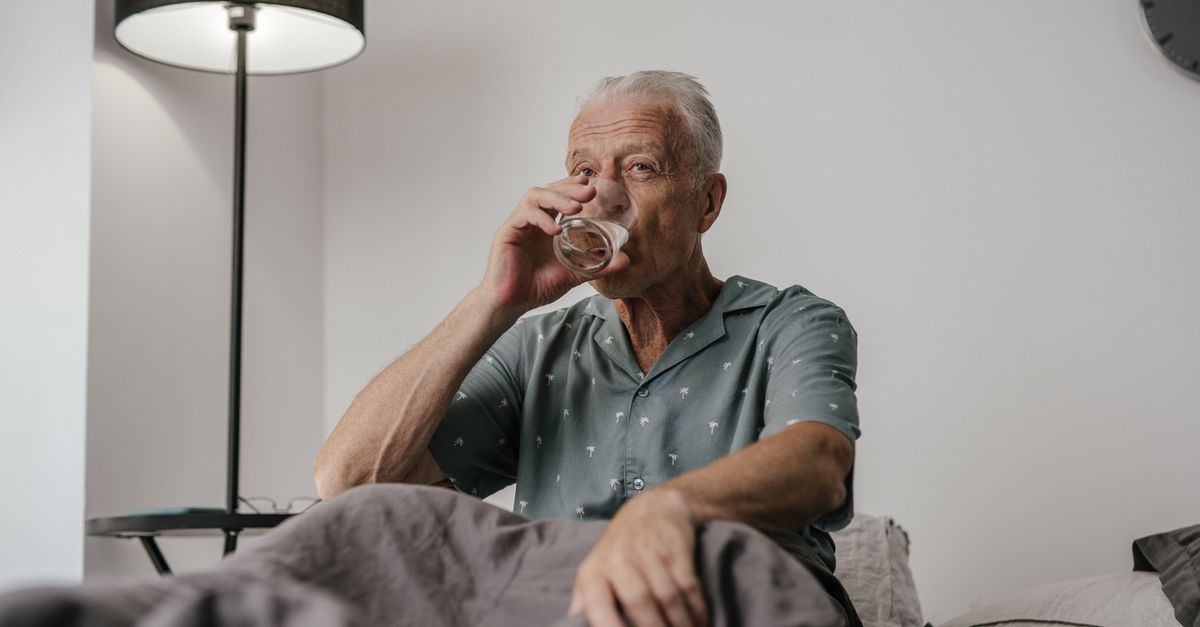
A persistent dry mouth despite drinking adequate water is a clinical condition known as xerostomia, which stems from a localized failure of the salivary glands to produce sufficient saliva rather than a state of systemic dehydration. While drinking water physically washes the oral cavity and hydrates the body’s internal tissues, plain water lacks the thick mucins, crucial enzymes, and lubricating proteins that saliva provides. If the cellular machinery responsible for manufacturing saliva is compromised, no volume of water will effectively coat and protect the delicate oral mucosa.
The human mouth relies on a highly sophisticated fluid ecosystem. Saliva is not merely water; it is a complex biological matrix essential for speech, digestion, and immunological defense against oral bacteria. When this fluid is absent, the tissues of the tongue, gums, and throat become instantly irritated, sticky, and susceptible to severe mechanical friction.
Patients frequently become frustrated, constantly carrying water bottles in a futile attempt to alleviate the symptom. By examining the anatomy of the salivary glands, the neurological pathways that control them, and the external chemical factors that disrupt their function, clinicians can identify the true cause of this chronic and highly uncomfortable dryness.
2. Anatomy of the Salivary Glands
The oral cavity is supplied by three pairs of major salivary glands and hundreds of minor salivary glands scattered throughout the lips, inner cheeks, and palate. The parotid glands, located just in front of the ears, secrete a thin, watery fluid. The submandibular glands, located beneath the jaw, and the sublingual glands, beneath the tongue, produce a thicker, more mucous-rich secretion.
These glands consist of clusters of specialized cells called acini. The acini filter water and electrolytes from the bloodstream and combine them with highly specific lubricating proteins, such as mucin, and digestive enzymes, like amylase. This synthesized fluid is then pumped through small ducts directly into the mouth.
A healthy individual produces roughly one to one and a half liters of saliva every day. For the mouth to feel comfortably lubricated, this production must be continuous. The lubricating mucins stick to the oral mucosa, creating a microscopic, slippery film. Plain water cannot replicate this film, as it simply washes over the tissue and is swallowed, leaving the mucosa unprotected seconds later.
3. Neurological Control of Salivation
Saliva production is involuntarily controlled by the autonomic nervous system. The parasympathetic nervous system, responsible for rest and digest functions, stimulates copious, watery saliva production. Conversely, the sympathetic nervous system, responsible for the stress response, stimulates the production of a very thick, scant saliva.
The physical act of chewing and the sensation of taste trigger neurological signals that travel to the salivatory nuclei in the brainstem. The brainstem then fires impulses down the cranial nerves directly into the salivary glands, demanding immediate fluid synthesis.
Any disruption in this neurological pathway results in profound dryness. Chronic stress or severe anxiety keeps the body locked in a sympathetic state. The brain effectively shuts down the parasympathetic signals required for watery saliva production, rendering the mouth bone-dry regardless of systemic hydration levels.
4. Medication-Induced Xerostomia
The single most common cause of xerostomia in modern clinical practice is the pharmacological side effect of prescription and over-the-counter medications. Over four hundred commonly used drugs are known to interfere with the neurological signaling required for salivary gland function.
Anticholinergic medications, which block the neurotransmitter acetylcholine, are notorious for causing severe dry mouth. Acetylcholine is the exact chemical messenger the parasympathetic nervous system uses to tell the salivary glands to produce fluid. When a drug blocks this messenger, the glands physically cannot receive the command to work.
Common culprits include antihistamines used for allergies, tricyclic antidepressants, anti-anxiety medications, muscle relaxants, and certain blood pressure drugs. If you are taking one or a combination of these medications, the cellular machinery in your mouth is chemically suppressed, making copious water intake completely ineffective at restoring normal lubrication.
5. Nocturnal Mouth Breathing
Many individuals consume adequate water during the day but wake up with a severely parched, painful mouth. This is almost exclusively caused by nocturnal mouth breathing. The human airway is designed for nasal breathing; the nose warms, filters, and humidifies incoming air.
When a person breathes through their mouth during sleep, due to a deviated septum, enlarged tonsils, or allergies, large volumes of dry room air are pulled directly over the oral mucosa. This continuous airflow rapidly evaporates the protective salivary film.
The salivary glands naturally slow their production during sleep. The combination of reduced fluid synthesis and rapid mechanical evaporation creates a profoundly desiccated environment. The soft tissues of the throat and tongue dry out completely, leading to a chronic dry throat that persists well into the morning, regardless of daytime hydration habits.
6. Aging and Glandular Atrophy
While aging itself does not directly cause an absolute halt in saliva production, the anatomical composition of the salivary glands undergoes subtle changes over decades. The active, fluid-producing acinar cells are gradually replaced by fibrous tissue and fat.
This structural atrophy slightly reduces the functional reserve capacity of the glands. Consequently, older adults possess a smaller margin of error when exposed to dehydrating factors. A medication side effect or a mild environmental trigger that a young salivary gland could easily overcome will cause profound xerostomia in an aging gland.
Furthermore, the perception of thirst diminishes with age due to changes in the brain’s osmoreceptors. However, even if an older adult strictly forces themselves to drink two liters of water, the age-related fibrotic changes in the glands prevent the conversion of that water into complex, lubricating saliva.
7. Autoimmune Disorders: Sjögren’s Syndrome
When severe dry mouth presents alongside chronic dry eyes, it is a primary clinical indicator of an underlying autoimmune disease, most notably Sjögren’s syndrome. In this condition, the body’s immune system erroneously identifies the moisture-producing glands as foreign invaders.
White blood cells infiltrate the salivary and lacrimal glands, initiating an aggressive inflammatory response. Over time, this chronic inflammation permanently destroys the acinar cells responsible for manufacturing saliva and tears.
In patients with Sjögren’s syndrome, the structural factory for saliva is physically dismantled. Regardless of the volume of water consumed, the biological infrastructure required to produce the mucin-rich salivary film no longer exists, resulting in a devastating, unrelenting dryness that requires specialized rheumatalogical management.
8. Caffeine and Alcohol Consumption
Dietary habits heavily influence oral lubrication. While drinking two liters of water is beneficial, the concurrent consumption of other beverages can negate the positive effects on the oral mucosa.
Caffeine and alcohol are both mild systemic diuretics, but their primary impact on dry mouth is local. Both substances act as astringents within the oral cavity. Astringents chemically bind to the lubricating proteins and mucins present in whatever sparse saliva remains in the mouth.
This chemical binding instantly strips the slippery film off the oral tissues, leaving the mouth feeling sticky, rough, and dry. Rinsing the mouth with plain water after consuming a heavy cup of coffee or a glass of wine only washes away the astringent; it does not replace the complex salivary proteins that were chemically degraded.
9. Dental and Periodontal Consequences
Saliva is the primary defender of the teeth and gums. It contains calcium and phosphate ions that actively remineralize microscopic damage to the tooth enamel. More importantly, it contains buffering agents that neutralize the acidic byproducts produced by oral bacteria.
When xerostomia is present, the mouth becomes an acidic, stagnant environment. Without the washing and buffering action of saliva, bacterial plaque accumulates rapidly along the gumline.
Individuals with chronic dry mouth experience an exponentially higher rate of dental caries, or cavities, and severe periodontal disease. The teeth often begin to decay rapidly at the base near the gums. Drinking plain water does not provide the remineralizing ions or the specific antibacterial enzymes necessary to halt this accelerated decay process.
10. Evaluating Causes of Xerostomia
Identifying the underlying mechanism of the dryness is critical for selecting the appropriate intervention.
| Symptom Profile | Primary Suspect | Distinguishing Features |
|---|---|---|
| Severe dryness upon waking, crusty lips | Nocturnal Mouth Breathing | Dryness improves significantly after a few hours of being awake and eating. |
| Constant dryness, accompanied by dry eyes | Sjögren’s Syndrome / Autoimmune | Systemic joint pain, profound fatigue, difficulty swallowing dry foods. |
| Dryness begins after starting a new pill | Medication Side Effect | Onset correlates with antihistamine, antidepressant, or blood pressure drug use. |
| Sticky mouth, thick stringy saliva | Chronic Stress / Sympathetic Overdrive | Accompanied by anxiety, elevated heart rate, and tense jaw muscles. |
11. The Role of Saliva Substitutes
Because plain water lacks viscosity, the clinical treatment for severe xerostomia involves the use of artificial saliva substitutes. These over-the-counter products are formulated as sprays, gels, or lozenges and are designed to mimic the exact chemical properties of natural saliva.
Saliva substitutes contain specialized polymers, such as carboxymethylcellulose, or natural enzymes that replicate the thick, slippery mucins produced by healthy glands. When applied to the oral cavity, these polymers adhere to the mucosa, creating a protective, lubricating barrier that lasts significantly longer than a sip of water.
For individuals suffering from nocturnal dryness, applying a thick artificial saliva gel entirely coating the gums and tongue immediately before sleep provides profound relief, preventing the painful overnight desiccation caused by mouth breathing.
12. Stimulating Natural Saliva Production
If the salivary glands are chemically suppressed by medications but not physically destroyed by autoimmune disease, they can often be mechanically or chemically coaxed into producing fluid.
The physical act of chewing sends a powerful neurological signal to the brainstem demanding saliva. Chewing sugar-free gum, specifically gum sweetened with xylitol, is highly effective. Xylitol not only stimulates salivary flow but also actively inhibits the growth of the specific bacteria responsible for tooth decay, protecting the vulnerable teeth.
Sucking on sugar-free, tart hard candies can also trigger the gustatory reflex, forcing the parasympathetic nervous system to override medication-induced suppression and squeeze fluid from the glands. However, avoiding any candy containing sugar is imperative, as the lack of saliva makes the teeth exceptionally vulnerable to rapid sugar-induced rotting.
13. Pharmacological Interventions
In cases of severe, debilitating xerostomia, particularly resulting from Sjögren’s syndrome or radiation therapy for head and neck cancers, over-the-counter remedies are insufficient. Physicians can prescribe secretagogues, specialized medications designed to chemically force the glands to secrete fluid.
Drugs such as pilocarpine or cevimeline are cholinergic agonists. They systemically mimic the action of acetylcholine, binding directly to the receptors on the salivary acinar cells and forcefully initiating the biological pumping mechanism.
While highly effective at generating a rush of watery saliva, these medications stimulate the parasympathetic nervous system throughout the entire body. Consequently, they can cause side effects such as excessive sweating, increased urination, and gastrointestinal cramping, requiring careful dosage management by a specialist.
14. When to Consult a Physician or Dentist
Chronic dry mouth should never be dismissed simply as an annoyance, as it severely compromises oral health and digestion. If you are consuming two liters of water daily and your mouth remains parched for more than a few weeks, medical evaluation is required.
Consulting a dentist is crucial to assess the damage already inflicted on the tooth enamel and to implement aggressive preventative measures, such as prescription high-fluoride toothpaste.
A medical physician should be consulted to review your complete medication list; often, switching a specific blood pressure pill or altering an antidepressant dosage can completely resolve the xerostomia. If an autoimmune condition is suspected, blood tests for specific antibodies, such as SS-A and SS-B, will be ordered to secure a diagnosis and initiate systemic treatment.
15. Frequently Asked Questions (FAQ)
1. Can drinking too much water actually make dry mouth worse?
Drinking substantial amounts of water will not make the underlying condition worse, but constantly washing the mouth with plain water rinses away the very tiny amount of natural, lubricating saliva you might still be producing, occasionally making the friction feel worse.
2. Does breathing cold air make dry mouth worse?
Yes. Cold air holds less moisture than warm air. When you breathe cold, dry air through your mouth, it drastically accelerates the evaporation of the salivary film, causing severe, rapid drying of the oral tissues.
3. Why is it so hard to swallow dry food like crackers?
Swallowing requires the food bolus to be physically bound together and lubricated by the thick mucins in saliva. Without these mucins, dry food shatters into abrasive crumbs that stick to the unlubricated throat, triggering a choking reflex rather than a smooth swallow.
4. Can a humidifier in my bedroom cure my dry mouth?
A humidifier adds moisture to the ambient air, which significantly reduces the rate of evaporation if you are a nocturnal mouth breather. It will not cure a failing salivary gland, but it highly effectively mitigates the symptom severity overnight.
5. Why does my tongue look white and cracked when my mouth is dry?
The lack of salivary washing allows dead skin cells, bacteria, and yeast to accumulate on the surface of the tongue, causing a white coating. Severe dryness causes the tissues to physically shrink and fissure, resulting in painful cracks.
Bibliography
Disclaimer: The content is for informational purposes only and does not replace medical advice. Always consult your doctor for personalized treatment.