1. Introduction
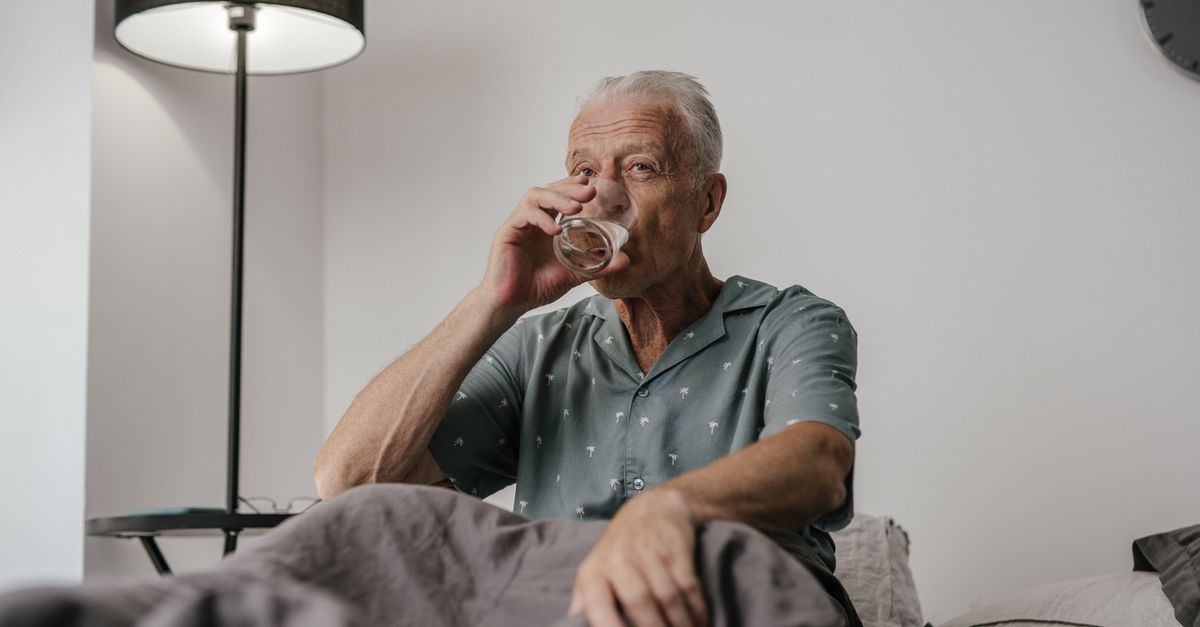
A sudden onset of a severely dry mouth combined with unquenchable thirst is a classic clinical indicator of profound dehydration, poorly controlled diabetes mellitus, or a direct pharmacological side effect. The body attempts to correct a systemic fluid deficit or flush out excess blood glucose by signaling the brain to consume more water, while simultaneously reducing salivary gland output. This physiological alarm system—comprising xerostomia (dry mouth) and polydipsia (excessive thirst)—protects the critical perfusion of vital organs by rationing available water reserves.
Saliva is not merely water; it is a complex, enzyme-rich fluid essential for digestion, oral immunity, and maintaining the structural integrity of the teeth and oral mucosa. When the major salivary glands reduce their output, the oral cavity becomes parched, sticky, and highly uncomfortable. The sudden cessation of salivary flow disrupts the ability to chew, swallow, and speak clearly, severely impacting the patient’s quality of life.
Simultaneously, the intense, persistent drive to drink water indicates that the central nervous system’s osmoreceptors have detected a critical imbalance in the blood’s concentration. Differentiating between a simple, acute lack of fluid intake, a new-onset metabolic disease, or a systemic autoimmune condition is the absolute priority of clinical evaluation to restore homeostasis and prevent severe physiological decompensation.
2. Physiology of Osmoregulation and Thirst
The sensation of thirst is a tightly controlled neurological reflex managed by the hypothalamus. Specialized cells called osmoreceptors continuously monitor the osmolality—the concentration of dissolved particles, such as sodium and glucose—in the blood plasma.
When a person loses water through sweating, urination, or respiration, the blood becomes more concentrated. The osmoreceptors detect this slight spike in osmolality and immediately trigger the conscious sensation of thirst, driving the behavioral response to seek and consume water.
Simultaneously, the hypothalamus signals the pituitary gland to release antidiuretic hormone. This hormone travels to the kidneys, commanding them to reabsorb water back into the bloodstream rather than excreting it as urine. If this regulatory loop is overwhelmed by massive fluid loss or disrupted by systemic disease, the thirst becomes relentless and constant.
3. Diabetes Mellitus and Hyperglycemia
The most critical systemic cause of sudden, unquenchable thirst and a parched mouth is the onset of diabetes mellitus. In diabetes, a lack of insulin or cellular resistance to insulin prevents glucose from entering the cells. Consequently, glucose accumulates in the bloodstream to dangerously high levels, a condition known as hyperglycemia.
The kidneys attempt to filter this excess glucose, but their transport mechanisms are quickly saturated. The excess glucose spills over into the urine. Because glucose is an osmotically active molecule, it drags massive amounts of water out of the bloodstream and into the urine with it. This process, called osmotic diuresis, results in frequent, voluminous urination (polyuria).
This rapid, continuous fluid loss rapidly dehydrates the body. The hypothalamus registers the profound volume depletion and intense blood concentration, triggering a desperate, continuous thirst reflex. Patients with new-onset diabetes frequently report drinking gallons of water a day without ever feeling satisfied, alongside a persistently dry, sticky mouth.
4. Diabetes Insipidus
Despite the similar name, diabetes insipidus is a completely different, much rarer disease that produces identical symptoms of profound thirst and dry mouth. This condition is not related to blood sugar; it is a failure of the body’s antidiuretic hormone system.
Central diabetes insipidus occurs when the pituitary gland is damaged—often by head trauma, a tumor, or neurosurgery—and fails to produce antidiuretic hormone. Nephrogenic diabetes insipidus occurs when the kidneys become resistant to the hormone’s signals, often due to lithium toxicity or chronic kidney disease.
Without antidiuretic hormone, the kidneys cannot concentrate urine. They constantly excrete massive volumes of clear, dilute water. The patient becomes rapidly and severely dehydrated, triggering an agonizing, relentless thirst that persists throughout the day and severely disrupts sleep at night.
5. Pharmacological Triggers
A meticulous review of a patient’s current medication list is mandatory, as hundreds of prescription and over-the-counter drugs list dry mouth as a primary side effect. Medications possessing anticholinergic properties are the most frequent culprits.
Anticholinergic drugs block the action of acetylcholine, a neurotransmitter that stimulates the parasympathetic nervous system. Because the parasympathetic system directly controls the secretion of saliva, blocking it essentially shuts down the salivary glands.
Common medications that induce profound xerostomia include older tricyclic antidepressants, antihistamines used for allergies, medications for overactive bladder, and specific muscle relaxants. If the onset of the dry mouth directly correlates with starting a new prescription, the pharmacological link is highly probable. For related sensory side effects, patients may refer to our guide on metallic taste.
6. Sjogren’s Syndrome and Autoimmunity
When a profoundly dry mouth is accompanied by chronically dry, gritty eyes, a systemic autoimmune condition called Sjogren’s syndrome is strongly suspected. In this disorder, the body’s immune system erroneously identifies the moisture-producing glands—specifically the salivary and lacrimal (tear) glands—as foreign threats.
Lymphocytes rapidly infiltrate these exocrine glands, causing severe inflammation and progressive destruction of the secretory tissue. The parotid and submandibular glands lose their ability to produce saliva, resulting in a severe, chronic dry mouth that makes swallowing dry food nearly impossible.
Sjogren’s syndrome frequently occurs alongside other autoimmune diseases, such as rheumatoid arthritis or systemic lupus erythematosus. The diagnosis requires specialized blood tests for specific autoantibodies (anti-SSA and anti-SSB) and occasionally a minor biopsy of the salivary glands in the inner lip.
7. Dehydration and Environmental Stress
The most straightforward, yet often overlooked, cause of sudden thirst and dry mouth is acute volume depletion. Vigorous physical exertion in high temperatures leads to massive fluid loss through sweat. If this fluid is not adequately replaced, the body rapidly enters a state of clinical dehydration.
The physiological response is immediate: the salivary glands drastically reduce output to conserve central blood volume, and the hypothalamus triggers a fierce thirst mechanism.
Furthermore, environmental factors such as spending time in heavily air-conditioned or artificially heated rooms drastically lower ambient humidity. Breathing this dry air accelerates the evaporation of moisture from the oral and respiratory mucosa, creating a temporary but distinct sensation of a parched mouth upon waking.
8. Mouth Breathing and Nasal Obstruction
The oral cavity is designed to be a closed environment. Nasal breathing allows the turbinates in the nose to warm and humidify inhaled air before it reaches the lungs. When a patient breathes continuously through their mouth, the constant airflow rapidly evaporates the protective salivary film.
Chronic mouth breathing is frequently caused by structural nasal obstructions, such as a severely deviated septum, enlarged adenoids, or acute nasal congestion from allergic rhinitis.
Patients with these structural issues typically experience the most severe dry mouth immediately upon waking in the morning. While they may experience a temporary urge to drink water to moisten their throat, they do not generally suffer from the systemic, unquenchable polydipsia seen in metabolic disorders.
9. Salivary Gland Pathology
Localized issues within the major salivary glands can suddenly halt saliva production, leading to unilateral or bilateral dry mouth. Sialolithiasis involves the formation of a calcified stone within the salivary duct, physically blocking the flow of saliva into the mouth.
When a stone completely obstructs the parotid or submandibular duct, the backed-up saliva causes the gland to swell painfully, particularly during meals when saliva production spikes. While the mouth may feel dry, this condition is typically distinguished by localized, sharp pain and visible facial swelling.
Additionally, past radiation therapy directed at the head and neck for cancer treatment inflicts permanent, irreversible damage to the salivary acinar cells, leading to a profound and lifelong battle with severe xerostomia.
10. Table: Differentiating Causes of Thirst and Dry Mouth
| Condition | Primary Mechanism | Accompanying Clinical Signs |
|---|---|---|
| Diabetes Mellitus | Osmotic diuresis pulling water into urine | Frequent urination, unexplained weight loss |
| Anticholinergic Drugs | Blockade of parasympathetic salivary signals | Constipation, blurred vision, recent med change |
| Sjogren’s Syndrome | Autoimmune destruction of salivary glands | Severely dry eyes, joint pain, fatigue |
| Mouth Breathing | Evaporation of oral moisture | Nasal congestion, snoring, worse upon waking |
11. Diagnostic Laboratory Assessment
The clinical investigation of sudden, severe thirst begins immediately with a metabolic blood panel. A fasting blood glucose test and a Hemoglobin A1c measurement definitively confirm or rule out diabetes mellitus. An elevated blood sugar level instantly explains the physiological drive for the polydipsia and polyuria.
A comprehensive metabolic panel evaluates kidney function (BUN and Creatinine) and checks serum electrolyte levels, specifically sodium. Abnormally high sodium levels confirm severe central dehydration and rule out psychogenic polydipsia, a psychiatric condition where a patient compulsively drinks water despite normal osmolality.
A urinalysis is performed to check the specific gravity of the urine. If the urine is heavily concentrated with glucose, diabetes mellitus is confirmed. If the urine is entirely dilute and clear despite the patient being dehydrated, diabetes insipidus is highly suspected.
12. Salivary Flow and Autoimmune Testing
If metabolic diseases are ruled out, clinical attention shifts to the functional capacity of the salivary glands. A clinician may perform a sialometry test, which objectively measures the exact volume of saliva produced over a specific time frame, distinguishing between subjective feelings of dryness and actual salivary hypofunction.
When Sjogren’s syndrome is suspected, a rheumatology panel is ordered to detect anti-nuclear antibodies, rheumatoid factor, and the specific Sjogren’s antibodies.
An ultrasound of the major salivary glands can also be utilized to detect structural changes, chronic inflammation, or hidden ductal stones that are physically impeding the delivery of saliva to the oral cavity.
13. Dental Complications of Xerostomia
Saliva is the primary defense mechanism of the oral cavity. It physically washes away food particles, neutralizes the damaging acids produced by oral bacteria, and provides the necessary calcium and phosphate to remineralize tooth enamel.
When salivary flow drops precipitously, the oral environment becomes highly acidic. This allows cariogenic bacteria, specifically Streptococcus mutans, to proliferate unchecked. Patients with chronic dry mouth are at an exceptionally high risk for rapid, rampant tooth decay, particularly along the gum line where plaque accumulates.
Furthermore, the lack of protective saliva allows opportunistic fungal infections, such as oral candidiasis (thrush), to take hold on the tongue and oral mucosa, presenting as painful white patches that bleed easily when scraped.
14. Targeted Medical Interventions
Treatment focuses entirely on resolving the underlying metabolic or pharmacological trigger. If new-onset diabetes is confirmed, initiating insulin or oral hypoglycemic medications lowers the blood glucose levels. Once the glucose stops spilling into the urine, the osmotic diuresis ceases, rapidly resolving both the intense thirst and the dry mouth.
If a specific medication is identified as the cause, the prescribing physician may adjust the dosage or transition the patient to a different class of drug with a lower anticholinergic profile. Patients must never discontinue prescription medications independently.
For conditions involving permanent salivary gland damage or Sjogren’s syndrome, secretagogue medications such as pilocarpine or cevimeline are prescribed. These drugs forcefully stimulate the muscarinic receptors on any remaining functional salivary gland tissue, significantly increasing saliva output.
15. Symptomatic Relief and Oral Care
Managing the intense discomfort of a dry mouth requires rigorous oral hygiene and daily symptomatic care. Patients are instructed to sip water continuously throughout the day rather than drinking large volumes at once, which simply passes through the kidneys rapidly.
Over-the-counter salivary substitutes containing carboxymethylcellulose provide a viscous, lubricating film that mimics natural saliva, greatly improving comfort during speaking and eating. Xylitol-based, sugar-free chewing gums and lozenges provide continuous mechanical and taste stimulation to the salivary glands, promoting natural flow.
To protect against rampant decay, the use of a prescription-strength, high-fluoride toothpaste is mandatory. Patients must maintain meticulous daily flossing and increase the frequency of professional dental cleanings to monitor and protect the vulnerable enamel.
16. Frequently Asked Questions (FAQ)
1. Is suddenly being very thirsty a definite sign of diabetes?
While it is one of the most classic and common warning signs of diabetes, it is not the only cause. Sudden, intense thirst can also be caused by severe dehydration, a new medication you started taking, or an imbalance in your kidney function. You must have a blood test to confirm diabetes.
2. Why does my mouth feel dry even though I drink water constantly?
If your salivary glands are not functioning properly due to a medication side effect or an autoimmune disease, drinking water only provides relief for a few seconds. Water lacks the specific thick, lubricating proteins that natural saliva contains, meaning it cannot coat and protect the oral tissues effectively.
3. Can stress or anxiety make my mouth dry?
Yes. During acute anxiety or a panic attack, your body shifts into a sympathetic fight-or-flight response. This nervous system shift redirects blood flow to your muscles and temporarily shuts down non-essential functions like digestion and saliva production, resulting in a sudden, distinctly dry mouth.
4. Are there any foods I should avoid if I have a dry mouth?
You should strictly avoid dry, crumbly foods like crackers or dry bread, which are very difficult to swallow without saliva. Also, avoid highly acidic foods, citrus, and spicy items, as your oral tissues are currently unprotected and these will cause severe stinging and burning.
5. How do doctors treat the thirst caused by diabetes insipidus?
Because this condition is caused by a lack of antidiuretic hormone, it is treated by prescribing a synthetic version of the hormone, usually taken as a nasal spray or oral tablet. This tells the kidneys to stop dumping water, which stops the continuous urination and immediately resolves the intense thirst.
17. Bibliography
Disclaimer: The content is for informational purposes only and does not replace medical advice. Always consult your doctor for personalized treatment.