1. Introduction
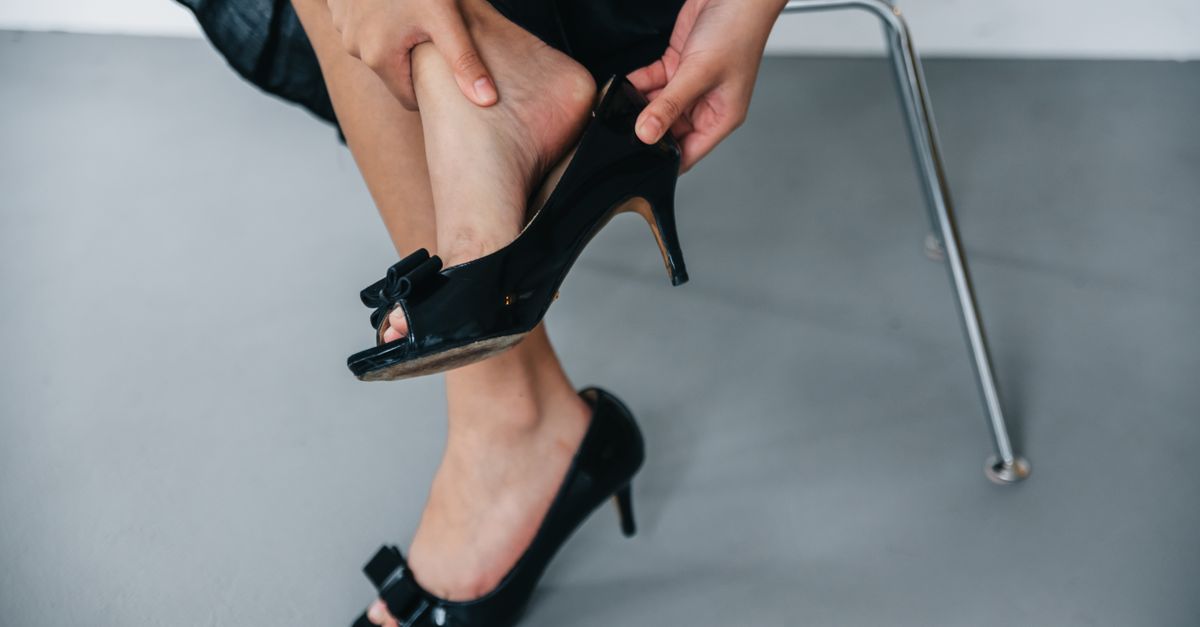
Feet throbbing with pain after walking ten miles in running shoes is caused by exercise-induced peripheral vasodilation and repetitive mechanical stress on the plantar tissues. The sustained impact of long-distance walking creates micro-trauma in the muscles and fascia of the foot, triggering a localized inflammatory response that engorges the area with blood. Because running shoes are designed for the biomechanics of jogging rather than the heel-to-toe rolling motion of walking, they can inadvertently alter gait and concentrate pressure, worsening tissue fatigue and vascular throbbing.
The human foot is an intricate architectural structure containing twenty-six bones, thirty-three joints, and over a hundred muscles, tendons, and ligaments. This complex network is engineered to absorb shock, adapt to uneven terrain, and provide a rigid lever for forward propulsion. During a ten-mile walk, the foot strikes the ground thousands of times, bearing the full weight of the body with each step.
Walking and running are biomechanically distinct activities. While running involves a springing motion and often a midfoot or forefoot strike, walking relies on a deliberate heel strike, a smooth transition across the arch, and a firm push-off from the toes. Running shoes are optimized to absorb the bounding impact of a runner. When used for prolonged walking, their specific cushioning and sole stiffness can fight against the natural walking gait.
This biomechanical mismatch forces the intrinsic muscles of the foot to work harder to stabilize the arch and control the rolling motion of the step. The resulting muscular fatigue and mechanical strain set the stage for acute inflammation. Understanding the physiological and mechanical factors at play is essential for selecting appropriate footwear and recovering effectively from long-distance walking.
2. Biomechanics of Walking Versus Running
The gait cycle of walking is characterized by a period of double support, where both feet are on the ground simultaneously, followed by a smooth, pendulum-like swing. The heel strikes the ground first, absorbing the initial shock. The weight then transfers along the lateral edge of the foot before rolling inward across the ball of the foot, culminating in propulsion from the big toe.
In contrast, running lacks a double support phase and involves an airborne flight phase. The impact forces are considerably higher but occur over a shorter duration. Runners often land on the midfoot or forefoot, utilizing the Achilles tendon and the arch as a biological spring to rebound off the ground.
These differences dictate how the soft tissues of the foot are loaded. Walking places a prolonged, steady stretch on the plantar fascia and requires sustained engagement of the stabilizing muscles. Running demands rapid, explosive contractions.
When you walk long distances, the slow, continuous loading phase means the foot remains in contact with the ground for a greater percentage of the time. This extended contact requires footwear that supports the slow heel-to-toe transition rather than footwear designed to bounce the foot quickly back into the air.
3. The Role of Running Shoes in Walking Gait
Running shoes are engineered with specific features to enhance running performance. They typically possess a flared heel to stabilize a rapid landing, a stiff midsole to maximize energy return, and a pronounced toe spring, which is an upward curve at the front of the shoe designed to roll the runner forward quickly.
When walking ten miles in these shoes, these features can become detrimental. A flared heel can cause the foot to slap down abruptly during the slower walking heel strike, increasing the impact force transmitted to the shins and the heel bone.
A stiff midsole resists the natural bending of the foot required during the walking push-off phase. The foot must fight against the rigid shoe to flex the toes, causing the small intrinsic muscles in the sole of the foot to fatigue prematurely.
Furthermore, a significant toe spring holds the toes in a permanently extended position. This constant extension places continuous tension on the plantar fascia beneath the foot. Over ten miles, this relentless, unyielding stretch generates significant micro-trauma to the connective tissues.
4. Peripheral Vasodilation and Fluid Pooling
The sensation of throbbing is a direct result of changes in vascular dynamics. During a ten-mile walk, the muscles of the legs and feet generate metabolic heat. To dissipate this heat and deliver oxygen to the working tissues, the cardiovascular system initiates peripheral vasodilation, widening the blood vessels in the lower extremities.
This widening allows a large volume of arterial blood to rush into the feet. However, returning this blood to the heart against gravity requires the efficient action of the venous system and the surrounding musculature.
As the walking continues and fatigue sets in, the efficiency of the venous return can diminish. Blood plasma and interstitial fluid begin to pool in the dependent areas of the foot, driven by gravity and the elevated hydrostatic pressure within the dilated capillaries.
The accumulation of fluid causes the feet to swell, pressing against the rigid confines of the running shoes and the tight fascial compartments of the foot. The physical pulse of arterial blood pumping into this swollen, pressurized space creates the distinct, rhythmic throbbing sensation.
5. Plantar Fascia Strain and Micro-Trauma
The plantar fascia is a thick, fibrous band of connective tissue spanning from the heel bone to the base of the toes. It acts as a dynamic tie-rod, supporting the longitudinal arch of the foot and storing mechanical energy during the gait cycle.
Walking ten miles places thousands of repetitive stretching cycles on the plantar fascia. If the running shoe provides inadequate arch support for walking, or if the stiff sole forces the foot into abnormal mechanics, the fascia bears a disproportionate amount of the physical load.
This relentless tensile stress causes microscopic tearing within the collagen fibers of the fascia, particularly at its insertion point on the heel bone. This micro-trauma compromises the structural integrity of the tissue.
The body perceives this micro-tearing as an injury. The resulting cellular damage initiates an inflammatory cascade, a crucial biological process for tissue repair, which inevitably brings localized pain, swelling, and increased blood flow to the sole of the foot.
6. The Skeletal Muscle Pump and Venous Return
The veins in the lower legs and feet contain one-way valves designed to prevent blood from flowing backward. To push the blood upward against gravity, the cardiovascular system relies heavily on the skeletal muscle pump. The rhythmic contraction of the calf and foot muscles during walking physically squeezes the deep veins, propelling blood toward the heart.
During a ten-mile walk, the skeletal muscle pump operates continuously. However, once the walk is completed and the individual sits or stands still, the muscle pump ceases its rhythmic squeezing.
The peripheral blood vessels, however, remain dilated due to the lingering metabolic heat and the inflammatory process. Arterial blood continues to flow into the feet, but without the active muscle pump, the venous blood struggles to ascend.
This sudden cessation of the muscle pump while vasodilation is still active is a primary reason why the throbbing pain often becomes much more pronounced immediately after stopping the activity, as fluid becomes temporarily trapped in the distal tissues.
7. Impact Forces and Metatarsal Loading
The metatarsal bones form the ball of the foot and bear a substantial portion of body weight during the push-off phase of walking. Running shoes often feature ample cushioning under the heel but less beneath the forefoot, anticipating a running stride where the heel requires maximum protection.
When walking, the slow roll over the ball of the foot places sustained, heavy pressure on the metatarsal heads. If the running shoe lacks appropriate forefoot cushioning or structural support for a walking gait, the repetitive impact is transferred directly into the bones and surrounding soft tissues.
This continuous pounding can lead to metatarsalgia, a condition characterized by deep, bruised pain in the ball of the foot. The fatty padding beneath the metatarsals becomes inflamed and compressed.
The vascular networks supplying the forefoot also become irritated by the constant mechanical pressure, contributing to a burning or throbbing ache that radiates across the front of the foot after the walk concludes.
8. Inflammation and the Throbbing Sensation
Inflammation is a necessary biological response to tissue stress, designed to clear damaged cells and initiate repair. Following the micro-trauma of a ten-mile walk, local immune cells release chemical mediators, such as histamines and prostaglandins, into the tissues of the foot.
These chemicals cause the local capillaries to become more permeable, allowing specialized white blood cells and repair proteins to leak out into the interstitial space. This influx of fluid causes edema, or swelling, deep within the architecture of the foot.
Prostaglandins also sensitize the local pain receptors, known as nociceptors, lowering their threshold for firing. The swollen tissue physically compresses these sensitized nerve endings.
Every time the heart beats, a fresh pulse of arterial blood surges into the inflamed, pressurized foot. The sensitized nerves detect this rhythmic pressure wave, translating it directly into the conscious sensation of a painful, steady throb.
9. Differentiating Muscle Fatigue from Stress Fractures
It is critical to distinguish between benign, self-limiting inflammation caused by a long walk and a structural skeletal injury requiring medical intervention.
| Characteristic | Soft Tissue Fatigue / Inflammation | Metatarsal Stress Fracture |
|---|---|---|
| Pain Quality | Broad, diffuse throbbing and generalized ache. | Sharp, pinpoint pain located on a specific bone. |
| Resolution | Improves significantly with 24 to 48 hours of rest. | Pain persists or worsens with any weight-bearing. |
| Swelling Pattern | Overall puffiness of the entire foot and ankle. | Localized swelling directly over the injured bone. |
| Response to Touch | Muscles feel universally tender and tight. | Exquisite tenderness when pressing on one exact spot. |
If the pain is sharp, highly localized, and makes walking normally impossible even after a day of rest, a clinical evaluation including radiography is necessary to rule out a stress fracture.
10. The Importance of Shoe Drop and Cushioning
The “drop” of a shoe refers to the difference in height between the heel and the forefoot. Traditional running shoes often feature a high drop, meaning the heel sits significantly higher than the toes. This geometry is designed to alleviate strain on the Achilles tendon during a running stride.
For walking, a high heel drop alters natural posture, subtly shifting the body’s center of gravity forward and placing constant, increased pressure on the ball of the foot. Over ten miles, this abnormal weight distribution accelerates fatigue in the forefoot structures.
Walking-specific shoes typically have a lower drop, promoting a more even distribution of weight across the entire plantar surface. They also feature flexible midsoles that allow the foot to bend naturally during the push-off phase, sparing the intrinsic muscles from fighting a rigid sole.
Selecting a shoe designed specifically for the biomechanics of walking, rather than repurposing a running shoe, is a foundational step in preventing severe post-activity throbbing and mechanical strain.
11. Managing Acute Post-Walk Throbbing
When feet are actively throbbing after a long walk, immediate restorative action focuses on reducing hydrostatic pressure and managing the inflammatory cascade. The most critical intervention is elevating the feet above the level of the heart.
Elevation utilizes gravity to drain the pooled venous blood and accumulated lymphatic fluid out of the lower extremities and back into central circulation. This rapid reduction in local fluid volume drastically decreases the internal pressure acting upon the sensitized nerve endings, providing immediate relief from the throbbing sensation.
Removing the shoes and socks allows trapped metabolic heat to dissipate into the surrounding air, further aiding the body’s thermoregulatory efforts.
Gentle, active movement of the ankles, such as drawing circles in the air while the feet are elevated, re-engages the skeletal muscle pump without bearing weight, actively encouraging the stagnant fluid to leave the feet.
12. Thermal Therapy and Vascular Constriction
Applying a cold compress or immersing the feet in cool water is a profound biological intervention for acute post-exercise throbbing. Cold temperatures trigger immediate, local vasoconstriction, causing the widened blood vessels in the feet to narrow significantly.
This narrowing halts the excessive inflow of arterial blood, directly addressing the root cause of the vascular throb. Furthermore, cold acts as a topical analgesic, slowing the conduction velocity of the sensory nerves and dulling the perception of pain.
Ice therapy should be applied for fifteen to twenty minutes, ensuring a protective barrier exists between the ice source and the skin to prevent thermal injury.
Heat therapy should be strictly avoided immediately following the walk. Applying heat induces further vasodilation, which will draw more blood into the already engorged tissues, exacerbating the swelling and intensifying the throbbing pain.
13. Long-Term Conditioning and Foot Strengthening
Preventing severe pain during future long-distance walks requires preparing the biological hardware of the foot to handle the mechanical load. The intrinsic muscles of the foot support the arch and absorb impact, but they frequently become weak from chronic reliance on supportive footwear.
Targeted strengthening exercises, such as picking up marbles with the toes or performing towel scrunches, build endurance in these small but crucial muscles. A stronger foot is more resilient against the micro-trauma caused by repetitive impact.
Gradual progression is also vital. A ten-mile walk is a significant physical undertaking. If the body is not accustomed to this distance, the tissues will inevitably fail to manage the mechanical stress efficiently. Increasing walking distance by no more than ten percent per week allows the connective tissues to adapt, remodel, and thicken, becoming structurally tougher.
Maintaining flexibility in the calf muscles and the Achilles tendon ensures that the ankle joint has adequate mobility, preventing compensatory strain from being transferred into the architecture of the foot.
14. Frequently Asked Questions (FAQ)
1. Is it normal for my feet to still throb the morning after a long walk?
Yes. The inflammatory repair process peaks between twelve and twenty-four hours after the micro-trauma occurs. The residual swelling and cellular repair activity can cause stiffness and mild throbbing upon waking.
2. Should I take ibuprofen to stop the throbbing?
Non-steroidal anti-inflammatory drugs can reduce the chemical mediators causing the swelling and pain. However, they should be used sparingly, as completely blunting the inflammatory response can theoretically slow down the long-term tissue repair and adaptation process.
3. Will wearing compression socks during the walk prevent the throbbing?
Compression socks support venous return by providing graduated pressure that helps push blood back up the legs. Wearing them during or immediately after the walk can significantly reduce fluid pooling and the subsequent throbbing sensation.
4. Can I use my old running shoes for walking if they are broken in?
Even broken-in running shoes retain their original biomechanical geometry, such as the stiff sole and high heel drop, which conflict with a walking gait. A shoe specifically designed for walking is always superior for long distances.
5. Why do the bottoms of my feet feel like they are burning along with the throbbing?
The burning sensation is typical of nerve irritation or severe fascial stretch. When the plantar fascia is pulled taut over ten miles, the resulting inflammation can irritate the small plantar nerves, leading to a neuropathic burning feeling combined with the vascular throb.
15. Bibliography
Disclaimer: The content is for informational purposes only and does not replace medical advice. Always consult your doctor for personalized treatment.