1. Introduction
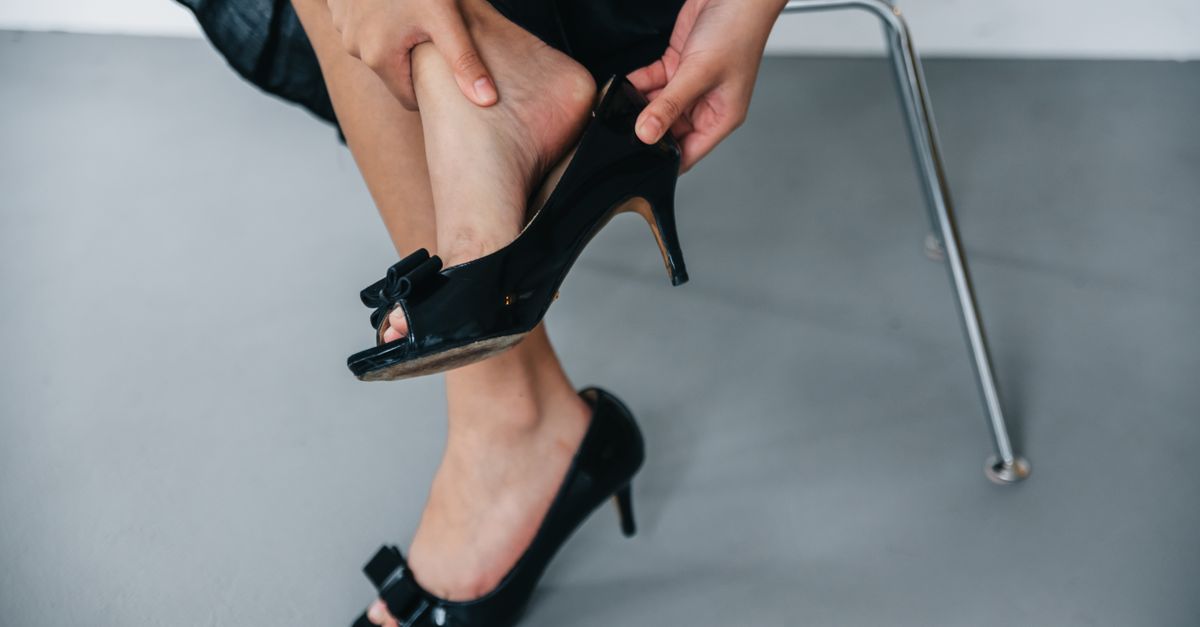
The throbbing pain experienced in the feet after wearing high heels for a short duration is the direct physiological result of profound mechanical overload on the metatarsal bones combined with restricted venous blood return. Elevating the heel forces the entire weight of the human body onto the small, delicate structures of the forefoot, altering natural biomechanics and initiating a cascade of muscular fatigue and tissue inflammation. The throbbing sensation is a specific vascular signal indicating that blood is pooling in the compromised tissues as the body attempts to repair microscopic structural strain.
The human foot is an architectural marvel designed to distribute weight evenly across the heel, the lateral edge, and the ball of the foot during a standard walking stride. Standard footwear maintains this level anatomical platform. High-heeled shoes disrupt this balance entirely by locking the foot into a rigid, downward-pointing posture.
Understanding the specific anatomical shifts that occur inside a high-heeled shoe provides clarity regarding this rapid onset of discomfort. The resulting pain is a predictable biological response to an unnatural physical environment, emphasizing the need for structural awareness and targeted recovery to maintain long-term pedal health.
2. Anatomy of the Forefoot
The forefoot comprises the five metatarsal bones and the corresponding phalanges of the toes. These bones form the metatarsal arch, a structure designed to absorb a proportionate amount of shock during the final propulsive phase of walking. The heads of the metatarsal bones are protected by a specialized layer of fibrofatty tissue called the plantar fat pad.
This fat pad serves as the primary biological cushion between the rigid bones and the unyielding ground. The entire forefoot is bound together by a complex web of ligaments and receives its motor and sensory innervation from the plantar digital nerves, which travel through narrow spaces between the metatarsal heads.
When the foot is placed in a neutral position, the metatarsal heads bear only a fraction of the total body weight. The robust calcaneus bone in the heel is biologically engineered to shoulder the majority of the standing gravitational load.
3. Biomechanics of Plantar Flexion
Wearing a high heel forces the ankle joint into a continuous state of plantar flexion. This downward-pointing position is identical to the posture assumed when standing on the tips of the toes. Maintaining this stance for an hour requires unrelenting isometric contraction from the muscles of the calf and the intrinsic muscles of the foot arch.
Plantar flexion effectively disables the natural shock-absorbing mechanisms of the midfoot. The foot can no longer roll smoothly from the heel to the toe. Instead, the foot strikes the ground abruptly, transmitting unmitigated kinetic energy straight into the skeletal framework.
This rigid posture also locks the small joints of the midfoot, forcing them to absorb sheer rotational forces that they are not designed to manage. The continuous muscular effort to stabilize this compromised position leads to rapid metabolic exhaustion within the foot tissues.
4. Metatarsal Overload and Pressure Distribution
The most critical biomechanical consequence of elevating the heel is the catastrophic shift in weight distribution. Research in podiatric biomechanics demonstrates that a three-inch heel increases the pressure on the forefoot by over seventy percent compared to flat footwear.
This mechanical overload concentrates the entirety of the body weight onto the very small surface area of the metatarsal heads. The protective plantar fat pad is rapidly compressed and displaced under this immense, continuous pressure.
Once the fat pad is compressed beyond its functional limit, the ground reaction forces are transmitted directly into the metatarsal bones and the surrounding joint capsules. The localized bone bruising and capsular inflammation directly trigger the sensory nerves, creating a deep, aching discomfort within the ball of the foot.
5. Plantar Fascia Strain in Heels
The plantar fascia is a thick, resilient band of connective tissue running from the heel bone to the base of the toes. It functions as a dynamic tension bridge, supporting the longitudinal arch of the foot. In a flat shoe, the fascia lengthens and shortens harmoniously with each step.
Elevating the heel while simultaneously bending the toes upward inside the shoe places the plantar fascia under maximum mechanical stretch. The tissue is pulled taut across the bottom of the foot like a tightened bowstring and is held in this position continuously.
This sustained tension creates microscopic tears at the cellular level of the fascia. The localized inflammatory response to these microtears sensitizes the tissue, contributing a sharp, pulling ache that spans the entire arch and compounds the pain felt in the forefoot. Individuals experiencing this distinctive arch tightness frequently review information regarding arch pain to better understand fascial strain.
6. Achilles Tendon Shortening
The posterior chain of the leg relies on the Achilles tendon for dynamic movement. This thick tendon connects the calf muscles to the heel bone. When wearing high heels, the structural distance between the calf muscle and the heel bone is artificially shortened.
The Achilles tendon adapts rapidly to this slackened position. The tendon fibers contract and lose their natural elasticity. When the individual takes the shoes off and stands flat, the shortened tendon is forced to abruptly stretch back to its original anatomical length.
This sudden elongation pulls aggressively on the heel bone and sends a shockwave of mechanical tension through the already overworked plantar fascia. This phenomenon explains why the throbbing pain often intensifies significantly in the minutes immediately following the removal of the high-heeled footwear.
7. Venous Pooling and Throbbing Pain
The specific sensation of throbbing is a distinct vascular event. Arterial blood brings oxygen down to the foot seamlessly through the aid of gravity. Returning that deoxygenated blood back up to the heart relies entirely on the muscular pumping action of the calf and foot muscles during a normal walking stride.
Because high heels lock the ankle into a rigid posture, the calf muscle pump becomes severely inefficient. The muscle bellies remain statically contracted rather than executing the full pumping motion required to push venous fluid upward.
Consequently, deoxygenated blood and metabolic waste products pool in the capillary beds of the foot. The increased hydrostatic pressure physically stretches the blood vessel walls and the surrounding tissues. The rhythmic throbbing matches the patient’s heartbeat as new arterial blood attempts to push into a vascular network that is already congested with stagnant fluid.
8. Table: Pressure Shifts by Shoe Elevation
Understanding the mathematical shift in gravitational load illustrates why the metatarsal region fails so rapidly.
| Shoe Elevation | Heel Weight Bearing | Forefoot Weight Bearing |
|---|---|---|
| Flat Shoe (Neutral) | Approximately 50 percent | Approximately 50 percent |
| One-Inch Heel | Approximately 30 percent | Approximately 70 percent |
| Two-Inch Heel | Approximately 20 percent | Approximately 80 percent |
| Three-Inch Heel or Higher | Approximately 10 percent | Approximately 90 percent |
9. Neuroma Formation and Nerve Compression
Many high-heeled shoes feature a narrow, tapered toe box designed for aesthetic elegance. This pointed design forces the toes to squeeze tightly together, eliminating the natural anatomical spacing between the metatarsal bones.
The common plantar digital nerves travel directly between these metatarsal heads. When the foot is wedged into a pointed toe box, these nerves are crushed laterally by the adjacent bones. The addition of the downward gravitational force from the elevated heel creates a severe pinch point.
Repetitive compression of these nerves causes the protective nerve sheath to swell, forming a benign tissue enlargement known as a Morton neuroma. This localized nerve irritation produces a burning, electrical pain or a sensation of walking on a sharp pebble, which intensifies rapidly when the shoe is worn.
10. Sesamoiditis and Submetatarsal Bursitis
Beneath the joint of the big toe lie two tiny, pea-shaped bones called the sesamoids. They act as biological pulleys, providing leverage for the tendons that flex the great toe. In a high heel, the majority of the forefoot pressure is funneled directly onto these two tiny bones.
The unyielding mechanical pressure bruises the sesamoid bones and inflames the surrounding tendons, a condition diagnosed as sesamoiditis. The patient experiences a sharp, localized pain precisely under the base of the big toe that makes pushing off the ground agonizing.
Furthermore, the body attempts to protect the bruised metatarsal bones by forming small, fluid-filled sacs called bursae between the bone and the skin. These bursae quickly become inflamed from the continuous friction, resulting in submetatarsal bursitis, which presents as a dull, throbbing swelling across the ball of the foot.
11. The Impact of Shoe Material and Rigidity
The construction material of the shoe dictates the severity of the mechanical impact. Rigid synthetic materials offer zero flexibility and do not conform to the changing volume of the foot. As the foot naturally swells during the day, a rigid shoe acts as a compressive tourniquet.
Leather or suede, while aesthetically similar, possess natural compliance. They stretch slightly to accommodate the expanding tissues, reducing the sheer lateral pressure on the metatarsals.
Furthermore, shoes constructed with a rigid, non-yielding sole transfer one hundred percent of the impact force into the foot. Footwear lacking a subtle, built-in shock-absorbing platform guarantees that the fragile articular cartilage within the toe joints absorbs the full trauma of every single footstep.
12. Immediate Relief and Tissue Recovery
When the throbbing pain begins, immediate mechanical decompression is the only effective intervention. Removing the shoe instantly restores arterial perfusion and relieves the crush injury on the superficial nerves.
Elevating the feet above the level of the heart uses gravity to drain the congested venous blood and lymphatic fluid back into central circulation. This rapid reduction in tissue hydrostatic pressure immediately diminishes the rhythmic throbbing sensation.
Applying a cold compress or rolling the sole of the foot over a frozen water bottle provides targeted cryotherapy. The cold induces peripheral vasoconstriction, limiting further inflammatory fluid leakage, while the rolling motion gently massages the tightened plantar fascia back to its normal resting length.
13. Frequently Asked Questions (FAQ)
1. Is the throbbing feeling a sign of permanent nerve damage?
The initial throbbing is a sign of acute vascular congestion and tissue fatigue rather than permanent nerve damage. However, if the pain transitions into constant numbness or electrical tingling that persists when barefoot, it suggests chronic nerve compression requiring evaluation.
2. Do thicker heels or wedges prevent this type of foot pain?
Wedges and thicker block heels provide a wider base of support, which improves ankle stability. However, if the vertical elevation remains high, the mathematical pressure shift to the ball of the foot still occurs, leading to identical forefoot pain.
3. Will inserting a gel pad under the ball of my foot help?
Silicone or gel metatarsal pads can artificially replace the compressed fat pad, providing a crucial layer of shock absorption. They significantly reduce the sheer force on the bone, though they do not correct the underlying abnormal posture.
4. Why do my calves cramp after wearing heels?
Wearing heels keeps your calf muscles constantly contracted and shortens the Achilles tendon. When you take the shoes off, the tired, shortened muscle is suddenly stretched out, which frequently triggers a protective, painful cramp.
5. How can I safely build up a tolerance to wearing heels?
Gradual exposure is necessary. Start with lower elevations and limit wearing time to intervals of thirty minutes. Perform daily calf stretches and intrinsic foot strengthening exercises to ensure the stabilizing muscles are robust enough to handle the mechanical load.
14. Bibliography
Disclaimer: The content is for informational purposes only and does not replace medical advice. Always consult your doctor for personalized treatment.