
1. Introduction
Chewing gum all day can indeed cause chronic jaw pain and clicking. The temporomandibular joint, which connects the lower jaw to the skull, is one of the most complex and frequently used joints in the human body. While it is designed to handle the substantial mechanical forces required for eating and speaking, it is not engineered for the continuous, unrelenting repetitive motion that prolonged gum chewing demands.
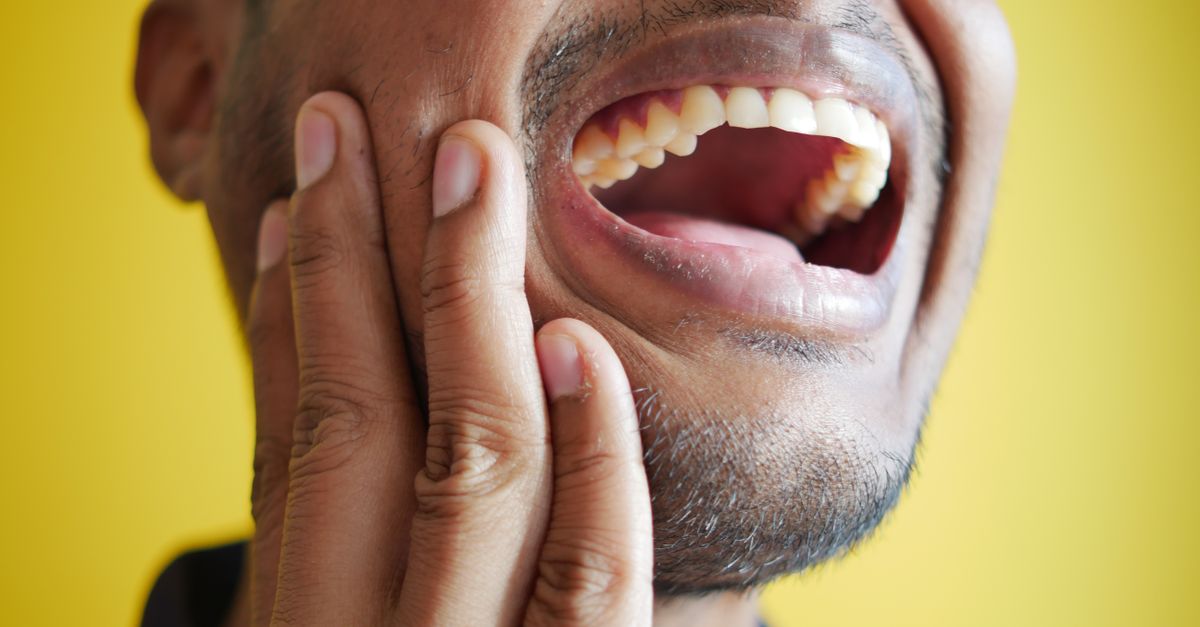
When a person chews gum constantly, the masticatory muscles and the articular structures of the jaw are subjected to severe biomechanical overload. This persistent strain initiates a cascade of muscular fatigue, joint inflammation, and eventual structural misalignment. The resulting clinical presentation is characterized by a dull, aching pain in the face, restricted jaw movement, and a distinctive clicking or popping sound when opening the mouth.
Understanding the complex anatomy of the temporomandibular joint and the physiology of the surrounding muscles is essential for comprehending how a seemingly benign habit can escalate into a chronic pain condition. Effective management relies on recognizing the early signs of tissue fatigue and implementing strict rest protocols.
2. Anatomy of the Temporomandibular Joint
The temporomandibular joint is a bilateral, synovial, hinge-and-glide joint. It is formed by the articulation of the mandibular condyle—the rounded top of the lower jawbone—with the articular eminence of the temporal bone at the base of the skull.
Interposed between these two hard bony surfaces is a crucial structure: the articular disc. This disc is composed of dense, fibrous connective tissue and acts as a shock absorber. It smoothly cushions the heavy load of the condyle against the skull during jaw movement. The entire joint complex is enclosed within a fibrous capsule and stabilized by several strong ligaments.
Proper function relies on the perfect synchronization of the bony structures, the articular disc, and the surrounding musculature. Any disruption to this delicate alignment results in friction, abnormal wear, and pain.
3. Biomechanics of Mastication
The process of mastication, or chewing, requires an extraordinary amount of force. The primary muscles responsible for elevating the jaw and closing the teeth are the masseter, the temporalis, and the medial pterygoid. The lateral pterygoid muscle plays a unique role, pulling the condyle and the articular disc forward to allow the mouth to open wide.
During normal eating, these muscles contract forcefully but only for brief, intermittent periods. The joint and the muscles are granted ample time to rest, recover, and clear out metabolic waste products between meals. The articular disc easily glides back into its resting position, and the synovial fluid replenishes the joint space with nutrients.
Chewing gum all day completely removes this necessary recovery period. The muscles are forced to contract and release thousands of times over consecutive hours. The joint operates continuously under a compressive load, fundamentally altering normal masticatory biomechanics.
4. Muscular Hypertrophy and Fatigue
Skeletal muscles subjected to constant, repetitive use undergo physiological changes. When the masseter and temporalis muscles are constantly engaged by chewing gum, they quickly deplete their local energy stores of adenosine triphosphate. As oxygen demand outstrips supply, the muscles switch to anaerobic metabolism, producing lactic acid.
The accumulation of lactic acid and other metabolic byproducts causes localized tissue acidity and severe muscle fatigue. This manifests as a deep, aching pain and stiffness in the cheeks and temples. Over months of constant gum chewing, the masseter muscles may actually undergo hypertrophy, physically increasing in size and giving the face a widened, squared appearance.
A hypertrophic muscle is often a hypertonic muscle. The constant state of contraction leads to painful spasms. The resting length of the muscle shortens, preventing the jaw from opening fully and smoothly, a condition clinically referred to as trismus.
5. The Pathophysiology of Articular Disc Displacement
The articular disc is the most vulnerable component of the temporomandibular joint under conditions of chronic overload. The lateral pterygoid muscle attaches directly to the front of the disc. When this muscle becomes fatigued and tight from endless chewing, it exerts a constant forward pull on the disc, even when the jaw is at rest.
Over time, this abnormal forward traction stretches and weakens the posterior ligaments that are supposed to hold the disc securely over the condyle. Eventually, the ligaments fail to keep the disc in place, and the disc slips forward, displacing anteriorly.
Anterior disc displacement means that the protective cushion is no longer separating the bones. The bony condyle now rests directly against the highly innervated, sensitive tissues behind the disc, known as the retrodiscal tissue. This displacement is the primary source of acute, sharp joint pain.
6. Mechanisms Behind Jaw Clicking and Crepitus
The hallmark symptom of an anteriorly displaced articular disc is a distinct click or pop when opening and closing the mouth. When the jaw opens, the condyle must slide forward. Because the disc has slipped out of place, the condyle gets stuck briefly before suddenly jumping back onto the central, thickest part of the disc. This sudden jump produces a loud, audible click.
When the mouth closes, the condyle slides backward and slips off the disc again, often producing a second, quieter click. This reciprocal clicking indicates structural instability within the joint capsule.
If the chronic trauma continues and the disc becomes permanently displaced or heavily degraded, the bones begin to rub directly against each other. This bone-on-bone friction causes degenerative joint disease, or osteoarthritis of the jaw. The sound changes from a distinct click to a rough, grinding noise known as crepitus, signaling advanced structural damage.
7. Myofascial Pain Syndrome Integration
The constant muscular strain from chewing gum does not remain isolated to the face. The muscles of mastication are anatomically and neurologically linked to the muscles of the neck, shoulders, and upper back. Chronic overload of the jaw muscles frequently triggers myofascial pain syndrome.
In myofascial pain syndrome, discrete, hyperirritable bands of muscle fibers develop, known as trigger points. These trigger points in the masseter or temporalis can refer pain to entirely different areas of the head and neck. For instance, a trigger point in the masseter commonly causes referred pain deep within the ear or over the eyebrow.
Patients often consult multiple specialists for persistent earaches or chronic neck tension, completely unaware that the primary source of their widespread pain is the localized muscular exhaustion caused by chewing gum.
8. Bruxism and Secondary Dental Wear
Chewing gum trains the brain and the jaw muscles to remain constantly active. This hyperactive motor pattern often persists even after the gum is discarded. The nervous system becomes accustomed to rhythmic jaw movement, leading to subconscious teeth grinding and clenching, known as bruxism.
Bruxism heavily exacerbates the mechanical load on the joint. Unlike the soft, yielding texture of gum, grinding hard enamel against hard enamel generates massive compressive forces. These forces accelerate the degradation of the articular disc and cause significant secondary dental wear.
The enamel surfaces flatten, the teeth become highly sensitive to temperature variations, and the risk of fracturing a tooth increases dramatically. Breaking the habit of chewing gum is often the first necessary step in treating secondary daytime or nocturnal bruxism.
9. Assessing Tension Headaches Linked to Jaw Strain
A direct clinical correlation exists between chronic temporomandibular joint strain and the frequency of tension headaches. The temporalis muscle covers a broad area on the side of the head, attaching across the temporal bone. When this large fan-shaped muscle is exhausted from chewing gum, it contracts abnormally.
This persistent contraction creates a tight, restrictive band-like sensation around the head, classic of a tension headache. The pain is typically bilateral, dull, and steady, often worsening in the late afternoon after a full day of muscular overuse.
Treating the jaw directly is paramount in these cases. Utilizing standard headache medications will only mask the pain temporarily; true resolution requires eliminating the source of the muscular fatigue by resting the jaw. Often, patients experiencing this overlap will find relief by addressing both the jaw habit and any associated tension headache triggers.
10. Clinical Evaluation of the TMJ
When a patient presents with chronic jaw pain and clicking, a structured clinical evaluation is conducted. The physician or dental specialist will palpate the muscles of the face and neck to identify areas of tenderness and active trigger points.
The range of motion is precisely measured. Normal maximal incisal opening—the distance between the upper and lower front teeth when the mouth is wide open—is typically between forty and fifty millimeters. Restricted opening strongly suggests muscular trismus or severe disc displacement.
The clinician will listen to the joint with a stethoscope to characterize the clicking or crepitus. The exact point in the opening cycle where the click occurs helps determine the degree of anterior disc displacement.
11. Differential Diagnoses for Facial Pain
Proper diagnosis requires distinguishing temporomandibular joint disorders caused by overuse from other pathological conditions presenting with facial pain.
| Diagnosis | Distinctive Symptoms |
|---|---|
| Muscular Overuse (Gum Chewing) | Bilateral fatigue, dull ache, pain worsens with chewing, distinct joint clicking. |
| Trigeminal Neuralgia | Sudden, severe, electric-shock-like pain unilaterally on the face, triggered by light touch. |
| Salivary Gland Infection (Sialadenitis) | Swelling and pain under the jaw or in the cheek, worse when anticipating food; fever may be present. |
| Giant Cell Arteritis | Severe unilateral headache, jaw pain precisely when chewing (jaw claudication), and potential vision loss in older adults. |
Accurate differential diagnosis prevents unnecessary interventions and ensures that potentially serious vascular or neurological conditions are not overlooked.
12. Conservative Management and Rest Protocols
The absolute cornerstone of treating gum-induced jaw pain is the immediate cessation of the chewing habit. The temporomandibular joint possesses a substantial capacity to heal and stabilize if given adequate rest.
A strict soft food diet is implemented for two to four weeks. Patients must avoid tough meats, hard raw vegetables, and any foods that require wide opening, such as large sandwiches. This dietary modification removes the mechanical load, allowing the inflammation within the joint capsule to subside and the muscles to relax.
Applying alternating warm and cold compresses to the masseter muscles effectively reduces acute muscle spasms and improves local blood flow, facilitating the clearance of accumulated lactic acid and inflammatory mediators.
13. Physical Therapy for Masticatory Muscles
Physical therapy targeted at the jaw and neck is highly effective in restoring normal biomechanics. A specialized therapist will instruct the patient on specific stretching and strengthening exercises designed to rebalance the masticatory muscles.
Gentle, controlled opening exercises help stretch shortened masseter muscles and restore the normal range of motion. Postural training is equally critical; an anterior head carriage, or forward head posture, heavily strains the jaw retractors and worsens temporomandibular joint mechanics. Correcting cervical posture directly alleviates stress on the jaw.
In some cases, the therapist may employ intraoral myofascial release techniques, gently massaging the tightly contracted lateral pterygoid muscle from inside the mouth to release severe trigger points and allow the articular disc to move more naturally.
14. When to Consider Advanced Interventions
If conservative rest and physical therapy fail to resolve the pain and clicking after several months, advanced interventions are considered. A rigid, custom-fitted occlusal splint or night guard may be fabricated by a dental specialist. Worn primarily at night, the splint slightly distracts the joint space, relieving pressure on the highly innervated retrodiscal tissues.
Pharmacological support, including short courses of nonsteroidal anti-inflammatory drugs or skeletal muscle relaxants, can help break the cycle of acute muscle spasm.
In extremely rare cases where the articular disc is severely degraded or permanently locking the jaw shut, minimally invasive surgical options such as arthrocentesis—flushing the joint with sterile fluid—or arthroscopy may be required to remove inflammatory debris and mobilize the disc. However, preventing this progression by simply stopping the gum-chewing habit early on is vastly preferred.
15. Frequently Asked Questions (FAQ)
1. Will the clicking in my jaw ever go away?
With strict rest and the elimination of gum chewing, the muscles can relax, and the disc may stabilize. While the clicking may not disappear entirely if the ligaments are permanently stretched, the associated pain and inflammation almost always resolve.
2. How long should I stop chewing gum to see if it helps?
You should completely stop chewing gum for at least two to four weeks. This provides sufficient time for muscular lactic acid to clear, muscle spasms to release, and capsular inflammation to subside.
3. Can chewing gum cause my teeth to shift?
While chewing gum won’t rapidly shift your teeth, the continuous heavy forces and the secondary bruxism it can trigger may cause gradual, subtle changes in your bite alignment over many years due to enamel wear.
4. Is chewing gum on one side worse than chewing on both sides?
Yes. Chewing unilaterally concentrates the mechanical force entirely on one temporomandibular joint, causing rapid asymmetrical muscle fatigue and a much higher risk of unilateral disc displacement and pain.
5. Are certain types of gum worse for jaw pain?
Yes. Stiff, tough bubble gums or gums that harden quickly require significantly more force to chew, causing muscle fatigue much faster than softer, sugar-free chewing gums.
16. Bibliography
Disclaimer: The content is for informational purposes only and does not replace medical advice. Always consult your doctor for personalized treatment.