1. Introduction
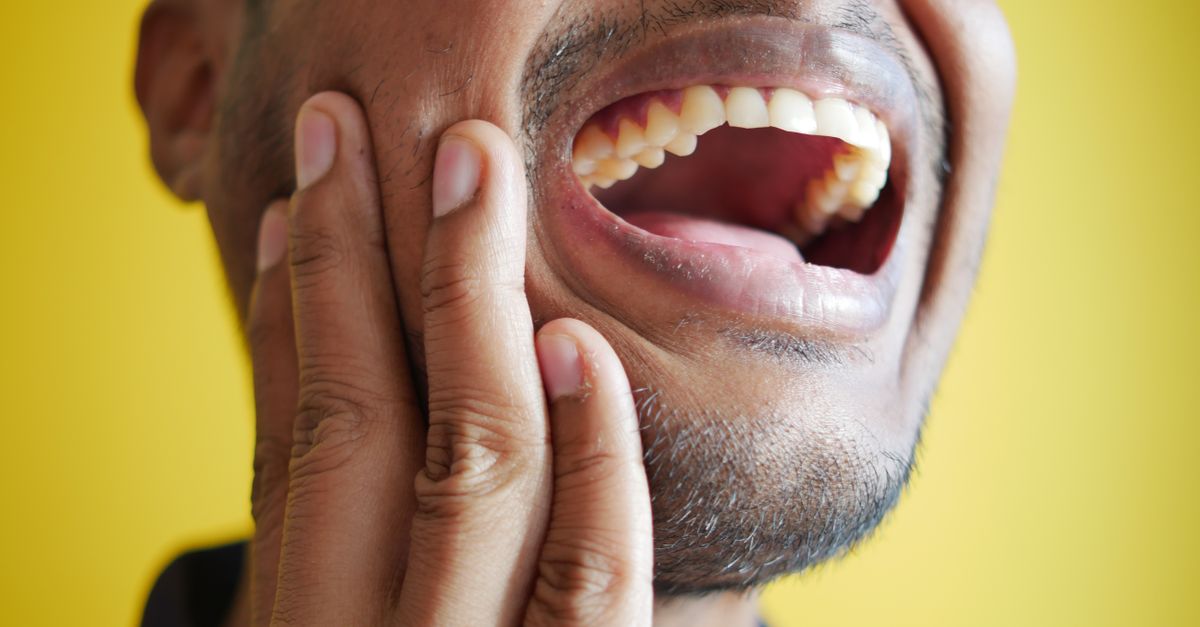
Tightness and soreness isolated to the right side of the jaw upon waking are typically caused by unilateral sleep bruxism, an involuntary grinding or clenching of the teeth during the night. This sustained mechanical load preferentially exhausts the right masseter and temporalis muscles, leading to localized inflammation, muscle spasms, and joint stiffness. Understanding the intricate biomechanics of the temporomandibular joint and the forces applied during sleep provides a clear clinical picture of this morning discomfort.
The human jaw is a complex bilateral hinge system engineered to deliver profound crushing force during mastication. It relies on a synchronized network of muscles, ligaments, and a unique articular disc to open, close, and glide side to side. During regular waking hours, this system functions efficiently with adequate rest periods between movements, preventing cellular fatigue.
Sleep entirely alters this dynamic. Unconscious parafunctional habits, such as grinding or sustained isometric clenching, subject the masticatory muscles to continuous tension for hours. When this tension is unevenly distributed due to sleep posture or dental alignment, one side of the face bears a disproportionate burden. By analyzing the anatomy of the jaw and the physiological consequences of nocturnal overload, the precise origin of right-sided morning soreness becomes apparent.
2. Anatomy of the Temporomandibular Joint
The temporomandibular joint, or TMJ, connects the mandible, the lower jaw, to the temporal bone of the skull. It is situated just in front of the ear canal. This articulation is a synovial sliding-hinge joint, allowing for a complex range of motion that includes rotational hinging and forward translation.
Inside the joint capsule sits a biconcave fibrocartilaginous disc. This crucial disc acts as a dynamic shock absorber, separating the bony condyle of the mandible from the temporal bone. It ensures smooth, frictionless movement as the jaw opens and closes.
The joint capsule itself is surrounded by a robust network of ligaments that limit excessive movement. The surrounding synovial tissue secretes fluid to lubricate the joint surfaces. Any disruption to the alignment of the disc or excessive compression of the joint space directly compromises the mechanical efficiency of the entire jaw complex.
3. The Masseter and Temporalis Muscles
The primary muscles responsible for closing the jaw and generating bite force are the masseter and the temporalis. The masseter is a thick, rectangular muscle originating on the zygomatic arch, the cheekbone, and inserting along the angle of the mandible. It is one of the strongest muscles in the human body relative to its size.
The temporalis is a broad, fan-shaped muscle located on the side of the skull, above and in front of the ear. It tapers down into a strong tendon that attaches to the coronoid process of the mandible. The temporalis is essential for elevating and retracting the lower jaw.
When you clench your teeth, these two muscles undergo intense concentric contraction. Sustained contraction restricts local capillary blood flow, depriving the muscle fibers of oxygen. This localized ischemia leads to the accumulation of metabolic waste products, prompting the deep, aching soreness felt upon waking.
4. Nocturnal Bruxism Explained
Sleep bruxism is a sleep-related movement disorder characterized by the involuntary grinding or clenching of the teeth. Unlike conscious chewing, which is regulated by protective neurological reflexes that limit excessive force, nocturnal bruxism bypasses these safeguards.
During sleep, the central nervous system can trigger rhythmic or sustained contractions of the masticatory muscles. These episodes often correlate with transitions between different stages of sleep or brief micro-arousals. The bite force generated during a bruxism episode can exceed the maximum force generated during deliberate daytime biting.
This relentless nocturnal exertion places profound mechanical stress on the teeth, the periodontium, the muscles of mastication, and the temporomandibular joints. The sheer endurance required to sustain this tension overnight leaves the muscle tissue in a state of exhaustion and cellular depletion by morning.
5. Unilateral Clenching and Asymmetric Loading
While bruxism involves the entire jaw, the forces are rarely distributed with perfect symmetry. Many individuals develop a subconscious preference for clenching or grinding predominantly on one side of their mouth.
If dental occlusion, the way the upper and lower teeth fit together, is slightly uneven, the brain may direct the jaw to slide into a specific position that maximizes tooth contact. This shifted posture forces the muscles on the right side to contract more forcefully to maintain the locked position.
Over several hours, the right masseter and right temporalis endure a substantially higher mechanical load than their left counterparts. This asymmetric loading guarantees that the right-sided tissues will experience profound fatigue, microscopic muscle fiber tearing, and subsequent inflammatory soreness upon waking.
6. Sleep Posture and Mechanical Compression
The position in which you sleep exerts a considerable mechanical influence on the structures of the face and neck. Sleeping exclusively on the right side of the face can directly compress the right temporomandibular joint and the surrounding musculature against the pillow.
This external physical pressure can subtly shift the mandible laterally. To resist this displacement and keep the airway open, the muscles on the right side of the face must engage in continuous isometric tension.
Furthermore, sleeping with a hand tucked under the right cheek concentrates the weight of the head onto a small surface area over the masseter muscle. This direct compression restricts venous drainage and arterial supply, exacerbating the ischemic conditions within the muscle tissue and amplifying morning stiffness.
7. Microtrauma and Lactic Acid Accumulation
Muscular soreness following intense physical exertion is a well-documented physiological process. The sustained isometric contractions of sleep bruxism deplete the local stores of adenosine triphosphate, the cellular energy currency, within the masseter and temporalis muscles.
As the muscle cells resort to anaerobic metabolism to sustain the required tension, lactic acid and other metabolic byproducts rapidly accumulate in the interstitial spaces. Simultaneously, the mechanical stress causes microscopic tears in the structural proteins of the muscle fibers.
The body initiates an inflammatory healing response to repair this microtrauma. White blood cells and fluid infiltrate the damaged tissue, causing slight swelling. The combination of acidic metabolic waste and inflammatory swelling directly irritates local nociceptors, producing the sensation of tightness and pain.
8. Myofascial Trigger Points
Chronic overuse of the masticatory muscles frequently leads to the development of myofascial trigger points. These are hyperirritable, palpable nodules within taut bands of skeletal muscle.
When the right masseter is overworked from nocturnal clenching, specific clusters of muscle fibers can lock into a persistent, localized spasm. These trigger points restrict the muscle’s ability to lengthen fully, which explains the physical sensation of tightness and limited jaw opening in the morning.
Trigger points are known for their ability to refer pain to distant anatomical sites. A trigger point in the right masseter may project pain into the right ear, the right upper teeth, or even cause a tension-type headache radiating over the right temple, mimicking other clinical conditions.
9. Temporomandibular Joint Disc Displacement
The relentless compressive force of bruxism affects the internal structures of the TMJ. The fibrocartilaginous disc that separates the bones can be slowly pushed out of its normal anatomical alignment, most commonly slipping forward.
When the disc is displaced, the bony condyle of the mandible rests directly against the sensitive, highly innervated retrodiscal tissues. Upon waking, attempting to open the jaw forces the condyle to grind against these tissues or forcefully snap back onto the displaced disc.
This mechanical dysfunction causes sharp, localized joint pain and is frequently accompanied by an audible clicking or popping sound on the right side of the face when chewing or yawning, establishing a clear diagnosis of internal joint derangement.
10. The Impact of Dental Malocclusion
Dental malocclusion, or an improper bite alignment, creates biomechanical instability within the jaw. A missing tooth, a prominent dental crown, or naturally crowded teeth can prevent the upper and lower arches from resting harmoniously.
The neuromuscular system continuously seeks a stable, balanced position for the jaw. If a premature contact exists on the right side of the mouth, the muscles will reflexively adjust the jaw’s trajectory to accommodate the interference.
During sleep, this compensatory muscle activity becomes hyperactive. The muscles on the right side work incessantly to navigate around the dental interference, leading to chronic overexertion and localized soreness that persists long after waking.
11. Evaluating Right-Sided Jaw Pain
Differentiating the source of morning jaw pain helps guide appropriate restorative interventions and structural modifications.
| Pain Characteristic | Primary Anatomical Source | Distinguishing Features |
|---|---|---|
| Dull, diffuse ache over the cheek and temple | Masseter / Temporalis Muscle Fatigue | Pain improves gradually after chewing breakfast or taking a warm shower. |
| Sharp, localized pain directly in front of the ear | TMJ Capsular Inflammation | Pain is distinct when pressing on the joint; jaw feels stiff and difficult to open. |
| Sharp pain accompanied by a loud pop or click | TMJ Disc Displacement | Jaw deviates to the right when opening; clicking occurs during movement. |
| Pain that resembles a severe toothache on the right | Referred Myofascial Pain or Dental Trauma | Pain may radiate to multiple teeth without a specific dental cavity present. |
12. Stress and Autonomic Nervous System Activation
Psychological stress is a prominent catalyst for sleep bruxism. The brain processes daily stressors and emotional tension through the autonomic nervous system. Chronic anxiety elevates sympathetic nervous system activity, maintaining the body in a state of heightened arousal even during sleep.
This elevated sympathetic tone increases the resting resting electrical activity of the motor neurons supplying the facial muscles. The central nervous system essentially vents unresolved emotional tension through the physical act of jaw clenching.
Patients experiencing significant occupational or personal stress frequently report a dramatic increase in the frequency and intensity of morning jaw soreness, underscoring the profound physiological link between psychological well-being and musculoskeletal health.
13. Restorative Interventions and Occlusal Splints
The most effective clinical intervention for protecting the teeth and muscles from nocturnal bruxism is the fabrication of a custom acrylic occlusal splint, commonly known as a night guard.
A rigid, properly adjusted night guard provides a flat, even surface for the opposing teeth to glide against. This removes any dental interferences that might trigger asymmetric muscle firing. More importantly, the splint slightly increases the vertical dimension of the jaw.
Opening the jaw slightly prevents the masseter and temporalis muscles from contracting fully. By mechanically blocking the muscles from reaching their maximum contractile length, the splint significantly reduces the overall force they can generate during sleep, directly mitigating morning fatigue and soreness.
14. Physical Therapy and Muscle Release
Addressing the existing hypertonicity in the right masseter requires targeted physical therapy techniques. Applying moist heat to the right side of the face immediately upon waking dilates the local blood vessels, promoting the influx of oxygenated blood and facilitating the clearance of metabolic waste.
Gentle myofascial release and massage can deactivate stubborn trigger points. Using two fingers to press firmly into the belly of the masseter muscle and moving in slow, circular motions physically breaks up microscopic fascial adhesions and encourages the muscle fibers to elongate.
Stretching the jaw by opening the mouth slowly and deliberately, without pushing into sharp pain, helps restore the normal resting length of the masticatory muscles and improves the mobility of the temporomandibular joint capsule.
15. When to Consult a Maxillofacial Specialist
While occasional morning jaw soreness is a common response to transient stress, persistent unilateral pain requires professional evaluation by a dentist or an oral and maxillofacial specialist.
If the soreness is accompanied by a sudden inability to open the mouth fully, a condition known as trismus, or if the jaw becomes physically locked in an open or closed position, immediate medical attention is necessary to address a severe disc displacement or joint effusion.
Furthermore, a specialist can evaluate the dentition for signs of severe occlusal wear, fractured enamel, or periodontal damage caused by the immense forces of bruxism, providing comprehensive restorative care to protect the entire oral system.
16. Frequently Asked Questions (FAQ)
1. Can sleeping on a different pillow stop my right jaw from hurting?
If your pillow is too firm or elevates your head poorly, it can push your neck and jaw out of alignment, exacerbating unilateral compression. A supportive cervical pillow that maintains a neutral spinal posture may reduce external pressure on the right masseter.
2. Does chewing gum during the day make morning jaw pain worse?
Yes. Chewing gum requires continuous, repetitive contraction of the masseter muscles. This exhausts the tissues during the day, lowering their fatigue threshold and making them significantly more susceptible to painful spasms if you clench your teeth at night.
3. Will a soft, over-the-counter mouthguard cure my jaw pain?
Soft, boil-and-bite mouthguards often encourage deeper clenching because the brain interprets the squishy material as food to be chewed. A hard, custom-fabricated acrylic splint is clinically superior for reducing muscle activity.
4. Can a problem with my right ear cause my jaw to hurt in the morning?
The temporomandibular joint sits mere millimeters from the ear canal. Inflammation in the TMJ frequently refers pain to the ear, mimicking an earache. Conversely, a severe middle ear infection can cause localized swelling that irritates the adjacent jaw joint.
5. Is it normal for my teeth to feel sensitive on the same side that my jaw hurts?
Yes. The immense pressure of bruxism traumatizes the periodontal ligaments that anchor the teeth into the jawbone. This mechanical trauma causes the teeth to feel bruised, tender, and sensitive to pressure upon waking.
Bibliography
Disclaimer: The content is for informational purposes only and does not replace medical advice. Always consult your doctor for personalized treatment.