1. Introduction
A feeling of pressure on the top of the head typically indicates a tension-type headache, cervical spine strain, or chronic pericranial muscle spasm. The top of the head, anatomically referred to as the vertex, is covered by a broad sheet of connective tissue that is highly susceptible to mechanical tension. When the muscles of the neck, jaw, and forehead contract continuously due to stress or poor posture, they pull relentlessly on this connective tissue, creating a sensation of heavy, downward pressure.
While pain in the temples or forehead is easily recognized, pressure strictly at the vertex often causes patients significant anxiety. The sensation is frequently described as wearing a tight cap, balancing a heavy weight, or feeling a distinct tightening across the crown.
Addressing this symptom requires a comprehensive clinical evaluation of the musculoskeletal system of the head and neck. In the vast majority of cases, the underlying cause is entirely benign and relates to biomechanical strain. By identifying the exact origin of the muscular tension and utilizing targeted physical therapies, patients can successfully alleviate this disconcerting pressure.
2. Anatomy of the Epicranial Aponeurosis
To understand vertex pressure, one must examine the specific anatomy covering the top of the skull. The skull is enveloped by a tough, fibrous sheet of connective tissue known as the galea aponeurotica, or the epicranial aponeurosis.
This broad tendinous sheet connects the frontalis muscle in the forehead to the occipitalis muscle at the base of the skull. It serves as a structural anchor, allowing the muscles of the face and scalp to move cohesively. Because the aponeurosis spans the entire top of the head, any tension generated at its muscular attachment points is immediately transmitted across the vertex.
When a patient frowns continuously or holds their neck rigidly, the frontalis and occipitalis muscles contract. This contraction pulls the galea aponeurotica taut, essentially stretching it tightly over the dome of the skull. This physical stretching is the primary mechanism behind the sensation of pressure.
3. Tension-Type Headaches Explained
Tension-type headaches are the most frequent cause of vertex pressure. These headaches are classified as primary headache disorders, meaning they are not caused by an underlying disease but rather by disordered neurological and muscular function.
The pressure is characteristically described as a dull, non-pulsating ache. It is bilateral, meaning it affects both sides of the head evenly, and frequently localizes at the very top of the cranium. Unlike migraines, tension headaches do not typically cause severe nausea, and they are rarely aggravated by routine physical activity like walking or climbing stairs.
The exact pathophysiology involves both peripheral muscle tension and central sensitization. Chronic stress lowers the pain threshold in the brain, causing the normal resting tone of the scalp musculature to be interpreted as uncomfortable pressure or a tight, binding band.
4. Cervicogenic Factors and Poor Posture
The cervical spine, comprising the bones and muscles of the neck, is intimately connected to the scalp. Modern lifestyles, particularly prolonged computer use and looking down at mobile devices, create a condition clinically termed forward head posture.
In a forward head posture, the heavy weight of the skull shifts anteriorly off the center of gravity. To prevent the head from falling forward, the suboccipital muscles at the base of the skull and the upper trapezius muscles must remain in a state of continuous, severe contraction.
This chronic cervical strain causes deep muscle spasms. The fascia connecting these neck muscles to the scalp becomes rigid and inflamed. The pain is then referred upward, traveling over the curve of the skull and settling directly as a heavy, pressing sensation on the vertex.
5. Sinus Involvement and Referred Pain
While sinus infections usually present with pain in the cheeks or forehead, specific sinus cavities can refer pain directly to the top of the head. The sphenoid sinuses are located deep within the skull, situated directly behind the nasal cavity and beneath the brain.
Because of their deep anatomical location, inflammation or infection within the sphenoid sinuses does not produce typical facial pain. Instead, the pressure generated by fluid accumulation in these deep cavities is frequently referred upward to the vertex.
If a patient experiences a sensation of pressure on top of the head that drastically worsens when bending over, and is accompanied by a deep, unresolving ache and post-nasal drip, sphenoid sinusitis is a primary clinical suspicion requiring otolaryngology evaluation.
6. The Impact of Sleep Deprivation
Sleep is a fundamental biological requirement for central nervous system homeostasis. During deep sleep, the brain clears metabolic waste and resets pain processing pathways. Chronic sleep deprivation severely disrupts this restorative process.
Without adequate sleep, the autonomic nervous system remains in a hyper-vigilant state, continuously releasing stress hormones. This sympathetic overdrive increases resting muscle tension throughout the body, particularly in the highly reactive pericranial muscles.
Patients suffering from insomnia or sleep apnea frequently report waking up with a distinct sensation of heavy pressure on the top of their heads. Correcting the sleep architecture is a mandatory clinical step to resolving this neuro-muscular fatigue.
7. Stress and Autonomic Dysregulation
Psychological stress is a potent physiological trigger for vertex pressure. Emotional distress causes involuntary bracing of the jaw, neck, and shoulder muscles. Many patients are entirely unaware that they are holding their bodies in a defensive, contracted state for hours at a time.
This continuous isometric contraction restricts local blood flow, leading to tissue ischemia. The starved muscles release lactic acid, which irritates the local nerve endings. The brain processes this widespread fascial irritation as a diffuse, heavy pressure pressing down on the skull.
Managing the psychological component through cognitive behavioral therapy or mindfulness techniques is highly effective in lowering the overall autonomic tone, subsequently releasing the physical tension anchored at the top of the head.
8. Differentiating Vertex Pressure
Accurate diagnosis requires distinguishing between simple muscular tension and other potential causes of cranial discomfort.
| Clinical Presentation | Characteristics of the Pressure | Primary Suspected Cause |
|---|---|---|
| Dull, band-like tightness, bilateral. | Worsens late in the day, associated with stress. | Tension-Type Headache. |
| Pressure radiating from the back of the neck. | Worsens with prolonged sitting or screen time. | Cervicogenic Strain (Poor Posture). |
| Deep pressure, worsens when bending forward. | Accompanied by nasal congestion or fever. | Sphenoid Sinusitis. |
| Sudden, profound pressure upon standing. | Accompanied by dizziness or blurred vision. | Orthostatic Hypotension / Vascular Shift. |
9. Blood Pressure and Vascular Changes
Significant fluctuations in systemic blood pressure can occasionally manifest as pressure in the head. During an acute hypertensive crisis, where blood pressure spikes dangerously high, the increased vascular force within the cranial arteries can produce a throbbing or pressing sensation.
Conversely, orthostatic hypotension, a sudden drop in blood pressure upon standing, causes a transient decrease in cerebral perfusion. The brain registers this sudden lack of oxygenated blood as a dizzy, heavy, or pressurized feeling at the crown of the head before autonomic reflexes stabilize the circulation.
Routine monitoring of cardiovascular health ensures that these vascular shifts are managed appropriately, ruling out systemic hypertension as a contributor to chronic cranial discomfort.
10. Physical Therapy and Postural Correction
The most effective, long-term clinical solution for vertex pressure caused by cervicogenic strain is targeted physical therapy. A physical therapist evaluates the structural imbalances of the cervical spine and implements precise corrective exercises.
Therapy focuses on strengthening the deep cervical flexor muscles in the front of the neck and stretching the overactive suboccipital muscles in the back. By restoring a neutral cervical lordosis (the natural curve of the neck), the mechanical burden on the scalp fascia is permanently relieved.
Ergonomic adjustments are equally vital. Ensuring that computer monitors are positioned at eye level and utilizing supportive seating prevents the patient from reverting to the destructive forward head posture during the workday.
11. Neuromuscular Massage and Release
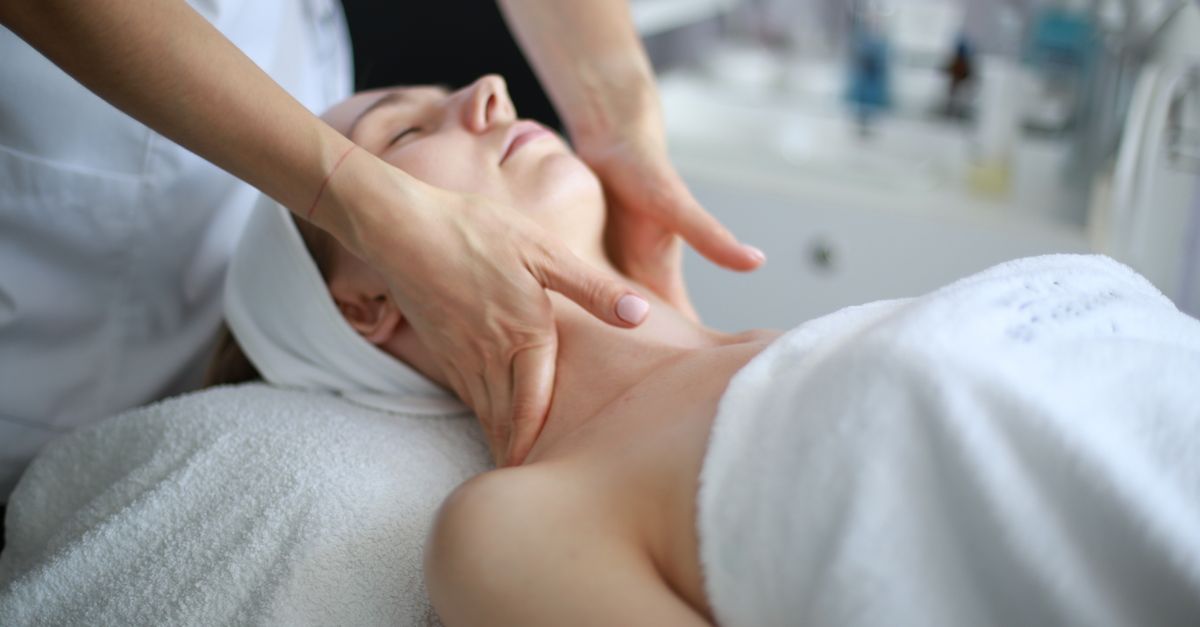
Myofascial release techniques provide profound, immediate relief from the sensation of a tight cap. Specialized massage therapists or physical therapists use targeted manual pressure to break down fibrous adhesions within the galea aponeurotica and the surrounding musculature.
By applying firm, sustained pressure to the trigger points located in the occipitalis and frontalis muscles, the therapist forces the contracted muscle fibers to yield and relax.
Patients can replicate this technique at home by using their fingertips to gently but firmly massage the scalp in small circular motions, promoting local vasodilation and manually stretching the tight connective tissue spanning the vertex.
12. Pharmacological Relief Options
When non-pharmacological interventions are insufficient, clinicians utilize specific medications to disrupt the tension cycle. Over-the-counter nonsteroidal anti-inflammatory drugs, such as ibuprofen, decrease the local tissue inflammation surrounding the irritated scalp nerves.
For severe, chronic muscle spasms, a short course of prescription skeletal muscle relaxants, such as cyclobenzaprine, may be initiated. These medications act on the central nervous system to dampen the hyperactive motor neuron signals, forcing the rigid pericranial muscles to relax.
If the pressure is diagnosed as a symptom of a chronic daily headache disorder, low-dose tricyclic antidepressants are frequently utilized off-label. They modify the pain processing pathways in the brain, raising the neurological threshold so the patient no longer perceives normal muscle tone as painful pressure.
13. Hydration and Electrolyte Balance
The fascia and connective tissues that cover the skull require ample hydration to remain supple and glide smoothly over the bone. When systemic dehydration occurs, the fascial layers become sticky, rigid, and prone to painful binding.
Furthermore, dehydration reduces overall blood volume, which can lead to compensatory vascular dilation in the cranial arteries, contributing to a feeling of fullness or pressure.
Clinicians recommend maintaining rigorous daily hydration with electrolyte-balanced fluids. Proper cellular hydration ensures that the epicranial aponeurosis maintains its elasticity, drastically reducing the mechanical tension transmitted to the top of the head.
14. Bruxism and Masticatory Tension
Clenching the jaw subconsciously, a condition known as bruxism, recruits the massive temporalis muscles located on the sides of the head. Because the temporalis fascia connects directly into the epicranial aponeurosis, severe jaw tension frequently radiates upward.
Patients who wake up with a feeling of heavy pressure on the top of their heads should be evaluated by a dentist for signs of nocturnal grinding. Heavy wear facets on the teeth or a scalloped tongue border confirm the diagnosis.
Fitting the patient with a custom hard acrylic occlusal splint (night guard) provides a flat surface for the teeth to rest against. This physical barrier stops the grinding, decompresses the temporomandibular joint, and allows the temporalis muscles to relax entirely during sleep.
15. When to Seek Neurological Evaluation
While the sensation of pressure on the top of the head is almost universally related to benign tension or posture, certain red flag symptoms demand immediate neurological evaluation.
Seek emergency medical care if the pressure is accompanied by a sudden onset of neurological deficits, such as profound weakness on one side of the body, slurred speech, facial drooping, or an inability to understand language. These are hallmark signs of a cerebrovascular accident (stroke).
Additionally, if the pressure progressively worsens over several weeks, is worse when lying down flat, or awakens the patient from a deep sleep accompanied by projectile vomiting, a comprehensive neurological workup including neuroimaging is mandatory to rule out increased intracranial pressure from a space-occupying lesion.
16. Frequently Asked Questions (FAQ)
1. Can anxiety cause a feeling of pressure on top of my head?
Yes, severe anxiety activates the sympathetic nervous system, causing involuntary, sustained contractions of the neck, jaw, and scalp muscles. This chronic physical tension translates directly into a heavy, pressing sensation on the vertex.
2. Why does the top of my head feel sensitive to the touch?
When the muscles and fascia of the scalp are locked in a chronic spasm, the superficial nerve endings become highly irritated and inflamed. This condition, called allodynia, makes normally painless stimuli, like brushing your hair or wearing a hat, feel painful or sensitive.
3. Is it possible for a brain tumor to feel like pressure on top of the head?
While space-occupying lesions can increase intracranial pressure, they rarely present solely as isolated pressure on the top of the head. They are typically accompanied by progressive neurological signs, seizures, or severe nausea.
4. Will drinking coffee help relieve the pressure?
Caffeine is a mild vasoconstrictor and can sometimes help relieve vascular-related headaches. However, if the pressure is purely muscular tension, caffeine can actually worsen the problem by increasing systemic anxiety and muscle hypertonicity.
5. How long does a tension headache usually last?
Episodic tension headaches can last anywhere from thirty minutes to several days. If the underlying cause, such as poor posture or chronic stress, is not addressed, the condition can become chronic, causing persistent daily pressure for months.
17. Bibliography
Disclaimer: The content is for informational purposes only and does not replace medical advice. Always consult your doctor for personalized treatment.