1. Introduction
To stop a tension headache that starts at the back of the neck, you must release the mechanical spasm in the suboccipital and trapezius muscles through targeted heat therapy, gentle stretching, and over-the-counter anti-inflammatory medications. Correcting forward head posture and addressing underlying psychosocial stress are required to break the neurological pain cycle and prevent immediate recurrence. This specific headache profile indicates that pericranial muscle tension is radiating pain signals upward into the skull.
These secondary headaches are a direct neurological consequence of mechanical overload in the cervical spine. Resolving the pain requires treating the source of the muscular dysfunction rather than merely masking the cranial ache with systemic analgesics.
Clinicians focus on relaxing the hyperactive muscle fibers and restoring normal cervical biomechanics. A systematic approach integrating immediate muscular relief with long-term postural hygiene provides the most effective pathway for eradicating cervicogenic tension.
2. Anatomy of the Cervicocranial Junction
The anatomical link between the neck and the head is complex and densely innervated. The base of the skull, where it meets the top of the cervical spine, is supported by a layered network of muscles. The most prominent are the upper trapezius, the levator scapulae, and the deep suboccipital muscles.
These muscles are responsible for fine-tuning head movements, maintaining gaze stability, and supporting the substantial weight of the human cranium. Intertwined within these muscle fibers are the greater and lesser occipital nerves, which travel from the upper spinal cord, through the muscle bellies, and up over the back of the scalp.
When these supporting muscles become chronically fatigued or strained, they physically hypertrophy and spasm. This localized spasm not only causes dull neck pain but can also compress or irritate the traversing occipital nerves, initiating the headache pathway.
3. Pathophysiology of Tension-Type Headaches
A tension headache originating from the neck is primarily mechanical. It begins when sustained muscular contraction leads to localized ischemia, a restriction of blood flow within the muscle tissue. This lack of oxygenated blood causes a buildup of metabolic waste products, notably lactic acid.
The accumulation of these acidic metabolites triggers the release of inflammatory neurotransmitters like substance P and bradykinin. These chemicals directly stimulate the nociceptors, the pain-sensing nerve endings embedded within the muscle fascia.
The pain signals travel into the spinal cord and converge at the trigeminocervical nucleus, a major neural relay station. Because sensory input from the neck and the face share this exact pathway, the brain struggles to isolate the origin, frequently projecting the neck pain forward as a tight band wrapping around the forehead and temples.
4. The Role of the Suboccipital Muscles
The suboccipital muscles are a group of four small, intricate muscles located directly beneath the occipital bone at the base of the skull. They are highly sensitive to postural changes and emotional stress.
Their primary function is to extend the head backward and rotate the upper neck. Because modern lifestyles involve constant downward gazing at smartphones and computer screens, the suboccipital muscles are subjected to relentless, static tension. They are forced to work continuously to keep the heavy head from falling completely forward onto the chest.
This relentless demand causes the suboccipitals to become fibrotic and severely restricted. When a clinician palpates the base of the skull in a patient with a tension headache, these muscles often feel like hard, taut, and exquisitely tender bands of tissue.
5. Myofascial Trigger Points and Referred Pain
Chronically strained neck muscles develop distinct, localized nodules known as myofascial trigger points. A trigger point is a microscopic area of muscle fiber that remains locked in a state of sustained contraction, unable to release biochemically.
Trigger points are notorious for generating referred pain. Applying direct pressure to a trigger point in the upper trapezius muscle reliably sends a deep, aching pain radiating up the back of the neck, hooking behind the ear, and settling firmly into the temple region.
This specific referred pain pattern is the classic presentation of a cervicogenic tension headache. Consequently, resolving the headache definitively requires deactivating these active trigger points in the neck and shoulders.
6. Forward Head Posture and Biomechanical Strain
Biomechanical inefficiency is the primary engine driving chronic neck tension. Upper cross syndrome, commonly known as forward head posture, is characterized by rounded shoulders and a head that protrudes forward of the body’s center of gravity.
In optimal alignment, the adult head weighs approximately ten to twelve pounds. However, physics dictates that for every single inch the head moves forward of the shoulders, the effective weight borne by the posterior neck muscles increases by ten pounds.
A head held three inches forward forces the suboccipital and trapezius muscles to support a constant static load of over forty pounds. This overwhelming mechanical disadvantage guarantees muscle fatigue, spasms, and subsequent tension headaches.
7. Stress and Autonomic Nervous System Activation
Psychological stress acts as a potent catalyst for muscular tension. The human body’s evolutionary response to perceived stress or anxiety involves preparing for physical confrontation, famously known as the fight-or-flight response.
During this autonomic activation, the shoulders instinctively elevate toward the ears in a protective posture, placing immediate, intense strain on the cervical musculature. If the psychological stress is chronic, this elevated shoulder posture becomes a habitual, unconscious baseline.
The persistent sympathetic nervous system arousal also lowers the central pain threshold, making the brain significantly more sensitive to the minor nociceptive signals emanating from the tight neck muscles, thereby amplifying the perceived severity of the headache.
8. Immediate Acute Relief Strategies
When a tension headache begins creeping up the back of the neck, immediate intervention can halt the progression. Resting in a quiet, dimly lit environment helps calm the central nervous system, reducing the overarching somatic response to sensory input.
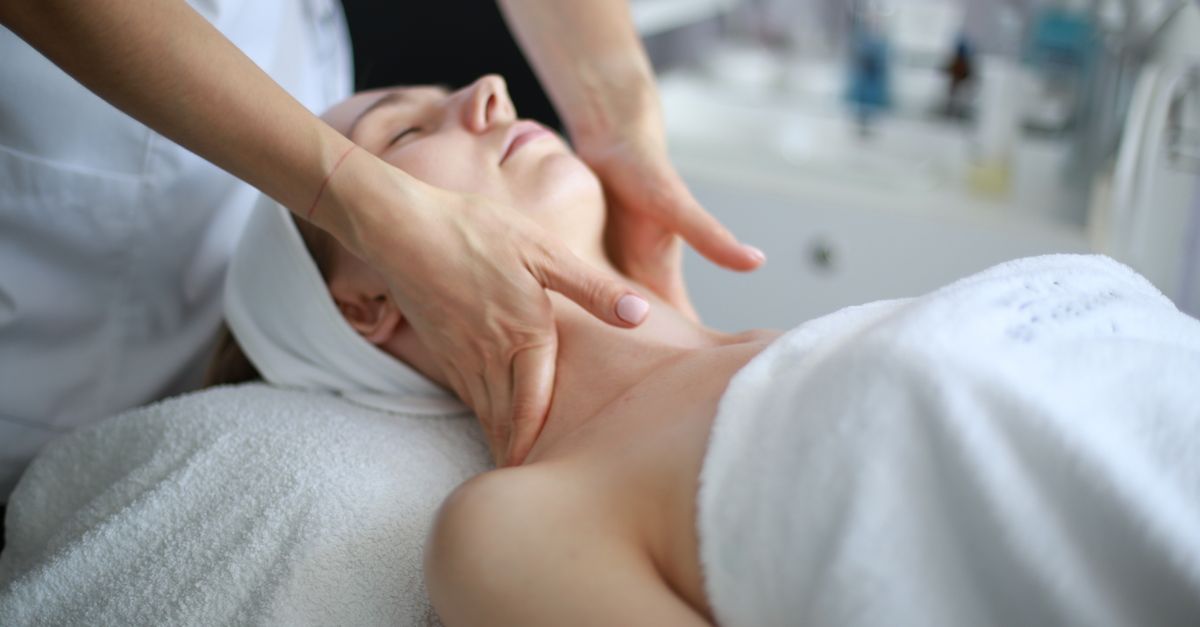
Gentle manual cervical traction provides rapid mechanical relief. Lying flat on the back while a partner gently cups the base of the skull and applies a slow, steady pull away from the shoulders physically lengthens the spasming suboccipital muscles and opens the compressed joint spaces in the upper neck.
Deep, diaphragmatic breathing techniques directly counter the stress response. By inhaling deeply into the belly and exhaling slowly, the parasympathetic nervous system is engaged, which actively commands the skeletal muscles of the neck and shoulders to lower their resting tone.
9. Thermal Therapy Applications
Applying temperature modalities directly to the back of the neck is a highly effective, accessible treatment. Localized heat therapy is the preferred intervention for tension headaches driven by chronic muscle spasms and stiffness.
A microwavable gel pack or a warm, damp towel applied to the suboccipital region for fifteen to twenty minutes dilates the local blood vessels. This vasodilation flushes out the accumulated lactic acid and inflammatory metabolites while delivering fresh oxygen to the fatigued muscle fibers, prompting them to relax.
Conversely, if the tension headache follows an acute neck strain or injury, applying a cold pack can be beneficial. Cold therapy numbs the superficial nerve endings and constricts blood vessels, effectively blunting the acute transmission of pain signals to the brainstem.
10. Pharmacological Interventions
When mechanical strategies are insufficient to break the pain cycle, over-the-counter pharmacological support is indicated. Nonsteroidal anti-inflammatory drugs, such as ibuprofen or naproxen, target the inflammatory chemicals irritating the muscle fascia and nerves.
Acetaminophen alters the central perception of pain within the brain. For stubborn tension headaches, combination analgesics that include a small dose of caffeine are often recommended. Caffeine constricts dilated cranial blood vessels and accelerates the absorption of the analgesic medication.
If muscle spasms are exceptionally severe, a physician may prescribe a short course of skeletal muscle relaxants. These medications operate on the central nervous system to reduce muscular hyperactivity, providing a crucial window of relief to initiate physical therapy.
11. Physical Therapy and Manual Tissue Release
Structured physical therapy offers the most definitive, long-term solution for tension headaches starting at the neck. Therapists utilize advanced manual techniques to correct soft tissue dysfunction and joint mechanics.
- Myofascial Release: Sustained manual pressure is applied to the tightened fascia to restore tissue elasticity and eliminate trigger points.
- Joint Mobilization: Gentle, targeted movements applied to the cervical vertebrae to restore normal, frictionless range of motion.
- Dry Needling: The insertion of fine, sterile needles directly into the muscle trigger points to force a rapid biochemical release of the spasm.
- Instrument-Assisted Soft Tissue Mobilization: Utilizing specialized tools to smooth out fibrotic adhesions in the trapezius and levator scapulae.
12. Ergonomic Corrections for the Workspace
To prevent the neck muscles from spasming daily, the environmental factors causing the strain must be dismantled. Ergonomic optimization of the primary workspace is absolutely essential.
Computer monitors must be elevated so the top third of the screen is exactly at eye level, completely eliminating the need to tilt the head downward. The workstation chair should provide robust lumbar support, which naturally aligns the upper thoracic and cervical spine.
Frequent micro-breaks are critical to interrupt static posture. Implementing the practice of standing, rolling the shoulders backward, and gently stretching the neck every forty-five minutes prevents the muscles from becoming locked in a state of ischemic tension.
13. Long-Term Strengthening and Stretching Protocols
A resilient cervical spine relies on a balance of flexibility and strength. Daily stretching prevents the muscles from shortening over time. The chin tuck is a foundational exercise for reversing forward head posture; gliding the head straight back over the shoulders strengthens the deep cervical flexors while actively stretching the suboccipitals.
Stretching the anterior chest muscles, particularly the pectorals, is equally vital. Tight chest muscles perpetually pull the shoulders forward, forcing the back muscles to overwork. Doorway stretches effectively open the chest and allow the shoulder blades to retract naturally.
Strengthening the rhomboids and lower trapezius muscles through targeted resistance exercises provides the robust architectural support required to hold the head upright without constantly straining the fragile upper neck muscles.
14. Psychological Management and Relaxation Techniques
Because emotional stress translates directly into cervical muscle tension, psychological management is a core component of headache prevention. Patients must identify and actively manage their personal stress triggers.
Progressive muscle relaxation is a highly beneficial daily practice. It involves consciously tensing and then deeply relaxing specific muscle groups sequentially, retraining the central nervous system to recognize and release stored physical tension before it escalates into a headache.
Cognitive behavioral therapy and mindfulness meditation help alter the physiological reaction to stress. By reducing systemic anxiety, the baseline tone of the trapezius and suboccipital muscles remains low, drastically reducing the frequency of tension headaches.
15. When to Consult a Neurologist
While tension headaches originating from the neck are common and generally benign, certain symptoms warrant a comprehensive neurological evaluation to rule out severe intracranial pathology or cervical spine disease.
If the headache presents with a sudden, explosive onset, often described as a “thunderclap,” immediate emergency evaluation is required. Similarly, if the headache is accompanied by neurological deficits such as slurred speech, visual disturbances, unsteadiness, or numbness radiating down the arms, a neurologist must assess for stroke or severe nerve root compression.
Headaches that progressively worsen over time, fail to respond to standard conservative treatments, or represent an entirely new pattern of pain in an individual over the age of fifty necessitate advanced diagnostic imaging, such as an MRI of the brain and cervical spine.
16. Frequently Asked Questions (FAQ)
1. Can a bad pillow cause a tension headache at the back of the neck?
Yes, sleeping on a pillow that is too high or too flat forces the cervical spine out of neutral alignment for hours, causing severe muscle strain and initiating a cervicogenic tension headache upon waking.
2. Does cracking my neck help relieve the headache?
Aggressive self-manipulation of the neck is strongly discouraged. While it may provide a fleeting release of endorphins, it often strains the ligaments and exacerbates the underlying muscle spasms, eventually worsening the headache frequency.
3. Why do I feel the neck tension headache behind my eyes?
The suboccipital muscles at the base of the skull share nerve pathways with the trigeminal nerve. When these muscles spasm severely, they frequently refer dull, aching pain directly to the frontal region and behind the eyes.
4. Can dehydration make a tension headache worse?
Absolutely. Dehydration reduces the fluid volume within the muscle tissue and fascia, rendering them stiff, less pliable, and significantly more prone to cramping and spasms, which accelerates the onset of a tension headache.
5. How often should I use heat on my neck to stop the headache?
During an active tension headache, you can apply a warm compress for fifteen to twenty minutes every two hours. Always ensure the heat source is comfortably warm to prevent skin burns.
17. Bibliography
Disclaimer: The content is for informational purposes only and does not replace medical advice. Always consult your doctor for personalized treatment.