1. Introduction
The classification of an infant as heavy-for-dates at birth refers to a clinical scenario where the newborn’s birth weight exceeds the expected norms for their specific gestational age. In medical terminology, this is frequently designated as large for gestational age. This condition is distinct from fetal macrosomia, which relies on an absolute weight threshold, typically greater than four thousand grams, regardless of the gestational week of delivery.
Infants born heavy-for-dates require meticulous clinical attention because their increased size is often a manifestation of altered intrauterine metabolic environments. This condition presents a complex array of challenges spanning the antepartum, intrapartum, and postpartum periods. The anatomical disproportion between the fetus and the maternal pelvis increases the probability of obstructed labor and structural birth injuries.
Beyond the immediate mechanics of delivery, these infants face specific metabolic and respiratory vulnerabilities during their transition to extrauterine life. A structured medical approach is necessary to identify high-risk pregnancies early, optimize maternal health, ensure a safe delivery, and stabilize the newborn’s physiological parameters immediately following birth.
2. Defining the Clinical Parameters
Standardized growth charts are utilized to determine if a neonate is heavy-for-dates. An infant is typically classified as large for gestational age when their birth weight falls above the ninetieth percentile for their specific week of gestation and biological sex.
This percentile-based classification is vital because it accounts for the physiological differences between a premature infant and a full-term infant. A baby born at thirty-four weeks may weigh significantly less than four thousand grams but still be classified as heavy-for-dates if their weight exceeds the expected growth trajectory for that specific preterm week.
Distinguishing between large for gestational age and absolute fetal macrosomia allows clinicians to anticipate specific neonatal complications. For instance, a heavy-for-dates preterm infant faces the combined risks of organ immaturity and the metabolic derangements associated with accelerated intrauterine growth.
3. The Role of Maternal Diabetes
Maternal diabetes is the most profound and well-documented biological driver of excessive fetal growth. This includes pre-existing type 1 or type 2 diabetes mellitus, as well as gestational diabetes that develops exclusively during pregnancy.
When maternal blood glucose levels are chronically elevated, the excess glucose readily crosses the placenta and enters the fetal circulation. The fetal pancreas responds to this persistent hyperglycemia by increasing the secretion of insulin. Fetal insulin is a potent growth hormone.
The hyperinsulinemic state in the fetus drives the rapid accumulation of adipose tissue and increases the size of internal organs, a condition known as visceromegaly. This insulin-driven growth specifically targets the fetal abdomen and shoulders, altering the body proportions and heavily contributing to mechanical complications during delivery.
4. Maternal Weight and Nutritional Factors
Maternal body composition significantly influences fetal growth trajectories. A high maternal body mass index prior to conception, or excessive weight gain during the pregnancy, directly correlates with an increased incidence of heavy-for-dates infants.
Maternal obesity creates an altered metabolic environment characterized by insulin resistance, low-grade systemic inflammation, and altered lipid profiles. These circulating maternal factors provide an abundance of metabolic substrates, such as free fatty acids and triglycerides, which are transferred across the placenta to the developing fetus.
The combination of maternal obesity and gestational diabetes creates a compounding effect, exponentially increasing the likelihood of accelerated fetal growth. Nutritional counseling and strict weight management protocols during prenatal care are primary interventions aimed at modifying this specific risk factor.
5. Genetic and Constitutional Influences
Not all infants classified as heavy-for-dates are the product of a pathological metabolic environment. Genetics play a fundamental role in determining the baseline growth potential of the fetus.
Maternal and paternal birth weights, as well as the adult stature and body composition of the parents, are strong independent predictors of infant size. A tall, robust mother with no underlying metabolic disease may naturally deliver a newborn whose weight falls above the ninetieth percentile.
In these constitutional cases, the infant generally maintains normal, proportional body symmetry, lacking the pronounced central adiposity and broad shoulders characteristic of the diabetic growth pattern. Distinguishing between genetic size and pathological overgrowth is crucial for determining the actual clinical risk to the newborn.
6. Antenatal Screening and Diagnosis
Accurate estimation of fetal weight during the antenatal period is notoriously challenging. Clinical assessment involves measuring the symphysis-fundal height, which is the distance from the maternal pubic bone to the top of the uterus. A measurement significantly larger than expected for the gestational age raises the clinical suspicion for accelerated growth.
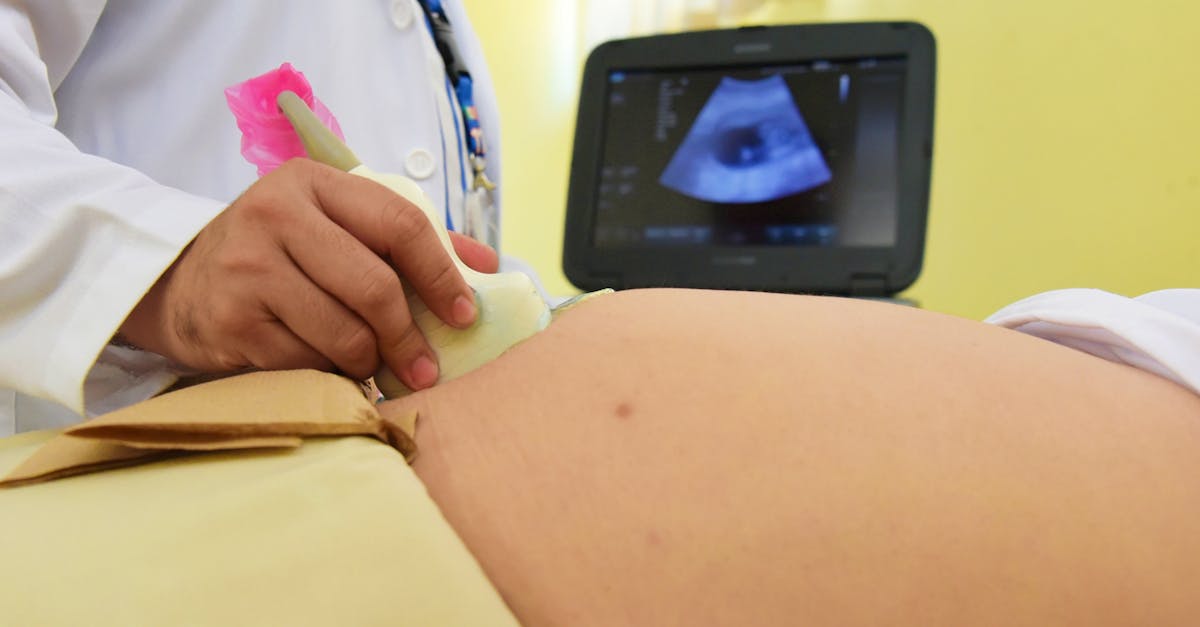
Obstetric ultrasound is the standard modality for evaluating fetal size. The sonographer measures specific anatomical parameters, including the fetal biparietal diameter, head circumference, abdominal circumference, and femur length. These measurements are integrated into standardized formulas to generate an estimated fetal weight.
However, ultrasound estimations carry a known margin of error, particularly in the third trimester and in patients with a high body mass index. Therefore, the diagnosis of a heavy-for-dates infant is often provisional during pregnancy and is only definitively confirmed upon weighing the newborn immediately after delivery.
7. Mechanical Complications During Labor
The primary concern during the intrapartum period is cephalopelvic disproportion, a scenario where the fetal dimensions exceed the spatial capacity of the maternal bony pelvis. This mechanical mismatch frequently leads to a prolonged or arrested labor, increasing the necessity for operative interventions.
The most critical obstetric emergency associated with heavy-for-dates infants is shoulder dystocia. This occurs during a vaginal delivery when the fetal head is delivered, but the anterior shoulder becomes firmly impacted behind the maternal pubic symphysis.
Shoulder dystocia halts the delivery process and immediately compresses the umbilical cord, restricting oxygen flow to the fetus. Resolving this emergency requires the obstetric team to execute specific, rapid physical maneuvers to dislodge the shoulder and facilitate the delivery without causing structural injury.
8. Neonatal Birth Injuries
The mechanical forces required to deliver a heavy-for-dates infant, particularly in the setting of shoulder dystocia, elevate the risk of traumatic birth injuries. Clavicular fractures are a recognized complication. The fetal collarbone may fracture under the pressure of traversing the birth canal or as a result of the maneuvers used to resolve the dystocia.
Brachial plexus injuries are another severe complication. The brachial plexus is a network of nerves supplying the shoulder and arm. If the fetal neck is stretched excessively away from the impacted shoulder during delivery, these nerves can be strained or torn, leading to a condition known as Erb palsy, which presents as weakness or paralysis of the affected arm.
While many clavicular fractures and mild brachial plexus stretch injuries heal spontaneously over several weeks, severe nerve avulsions can result in permanent loss of motor function, requiring specialized orthopedic and neurological rehabilitation.
9. Neonatal Hypoglycemia
Following delivery, the heavy-for-dates infant is at a significantly elevated risk for metabolic instability, most notably neonatal hypoglycemia. This risk is highest in infants born to mothers with poorly controlled diabetes.
Throughout the pregnancy, the fetal pancreas produced high levels of insulin to manage the heavy glucose load crossing the placenta. Upon delivery, the umbilical cord is clamped, abruptly terminating the maternal glucose supply. However, the newborn’s pancreas continues to secrete excessive amounts of insulin for a period of time.
This hyperinsulinemic state rapidly depletes the infant’s circulating blood glucose, leading to profound hypoglycemia. If undetected and untreated, severe hypoglycemia can cause lethargy, poor feeding, tremors, seizures, and potentially irreversible neurological injury.
10. Polycythemia and Hyperbilirubinemia
The altered intrauterine metabolic environment often subjects the fetus to chronic, low-grade hypoxia. In response to this decreased oxygen tension, the fetal kidneys increase the production of erythropoietin, a hormone that stimulates the bone marrow to produce red blood cells.
This compensatory mechanism results in polycythemia, an abnormally high concentration of red blood cells in the newborn’s circulation. Polycythemia makes the blood highly viscous, which can impair blood flow to vital organs and cause respiratory distress or central nervous system lethargy.
As these excess red blood cells naturally break down after birth, they release large quantities of bilirubin. The immature neonatal liver frequently struggles to process this heavy bilirubin load, leading to significant hyperbilirubinemia, clinically manifesting as jaundice and requiring treatment with specialized phototherapy.
11. Respiratory Complications
Heavy-for-dates infants, particularly those born to diabetic mothers, face a paradoxical risk regarding lung maturity. While their physical size is advanced, their organ systems may remain functionally immature.
Maternal hyperglycemia and the resulting fetal hyperinsulinemia actively inhibit the production of surfactant, the essential phospholipid compound that keeps the delicate alveoli in the lungs from collapsing during exhalation.
Consequently, these infants are at an increased risk of developing respiratory distress syndrome, even if delivered at near-term gestations. They may require supplemental oxygen, continuous positive airway pressure, or mechanical ventilation in the neonatal intensive care unit until their pulmonary function matures.
12. Management During Labor and Delivery
The obstetric management of a suspected heavy-for-dates fetus requires careful strategic planning. If the estimated fetal weight is exceptionally high, or if there is a documented history of severe shoulder dystocia in a previous pregnancy, a planned elective cesarean delivery is often recommended to avert mechanical trauma.
If a vaginal delivery is attempted, the labor is monitored meticulously for adequate progression. The obstetric team must be fully prepared to manage shoulder dystocia, ensuring that appropriate personnel, including neonatologists and experienced nursing staff, are present in the delivery room.
Induction of labor prior to thirty-nine weeks of gestation solely for suspected accelerated fetal growth is generally not recommended, as it significantly increases the risk of cesarean delivery without demonstrably improving neonatal outcomes, unless there are other pressing maternal or fetal indications.
13. Immediate Neonatal Care Protocol
The immediate postnatal care of a heavy-for-dates infant focuses on rapid assessment and metabolic stabilization. A thorough physical examination is conducted in the delivery room to detect any signs of clavicular fracture, arm asymmetry indicative of brachial plexus injury, or respiratory distress.
Blood glucose monitoring is initiated promptly, typically within the first few hours of life. The infant is fed early and frequently, either by breast or formula, to provide a steady supply of exogenous glucose and prevent hypoglycemia.
If the blood glucose levels drop below acceptable clinical thresholds despite enteral feeding, the infant is transferred to the neonatal intensive care unit for the administration of intravenous dextrose solutions, ensuring continuous metabolic stability.
14. Long-Term Health Implications
The implications of being born heavy-for-dates extend beyond the immediate neonatal period. Extensive epidemiological data indicate that accelerated intrauterine growth programs the individual’s long-term metabolic set-point.
These infants have a statistically higher risk of developing childhood obesity and early-onset metabolic syndrome. The risk of developing type 2 diabetes and cardiovascular disease later in life is also elevated, particularly if the accelerated growth was driven by maternal diabetes rather than constitutional genetics.
Pediatricians monitor the growth trajectories of these children carefully. Early nutritional interventions, emphasizing a balanced diet and regular physical activity, are implemented to mitigate these long-term metabolic risks and promote healthy physiological development.
15. Summary of Clinical Risks and Management
The management of this condition requires anticipating and mitigating both mechanical and metabolic complications. The table below outlines the primary clinical focal points.
| Clinical Domain | Primary Risks and Complications | Standard Clinical Management |
|---|---|---|
| Intrapartum | Shoulder dystocia, prolonged labor | Careful labor monitoring, readiness for emergency maneuvers, selective cesarean |
| Birth Trauma | Clavicular fracture, brachial plexus injury | Targeted physical examination, orthopedic/neurological follow-up |
| Metabolic | Neonatal hypoglycemia, polycythemia | Strict blood glucose monitoring, early feeding, intravenous dextrose if needed |
| Respiratory | Delayed surfactant production | Oxygen support, continuous positive airway pressure observation |
A multidisciplinary approach involving obstetrics, neonatology, and endocrinology ensures the highest standard of care for these vulnerable infants.
16. Frequently Asked Questions (FAQ)
1. Does eating too much during pregnancy cause a heavy-for-dates baby?
Excessive weight gain during pregnancy is a significant risk factor, as it increases the amount of nutrients and glucose crossing the placenta. However, conditions like gestational diabetes or genetics are also major contributors that are not entirely dependent on diet alone.
2. Will a large baby definitely get stuck during delivery?
No. Many heavy-for-dates infants are delivered vaginally without any mechanical complications. The risk of getting stuck (shoulder dystocia) is higher, but it depends heavily on the mother’s pelvic dimensions and the baby’s body proportions.
3. Why do large babies have trouble with low blood sugar?
If the mother has high blood sugar, the baby produces extra insulin to process it. After birth, the maternal sugar supply stops instantly, but the baby’s high insulin levels persist, which quickly drives their own blood sugar down to dangerous levels.
4. Is it possible for a premature baby to be heavy-for-dates?
Yes. Heavy-for-dates (large for gestational age) means the baby weighs more than the 90th percentile for their specific week of pregnancy. A premature baby born at 34 weeks can still be classified this way if they are unusually heavy for a 34-week fetus.
5. Do these babies stay larger than average as they grow up?
Children born heavy-for-dates, particularly due to maternal diabetes, have a statistically higher risk of childhood obesity. However, careful diet and active lifestyle choices during childhood can significantly modify this trajectory.
17. Bibliography
Disclaimer: The content is for informational purposes only and does not replace medical advice. Always consult your doctor for personalized treatment.