Why Do My Feet Throb With Pain After Wearing High Heels for One Hour?

Why Do My Feet Throb With Pain After Wearing High Heels for One Hour?
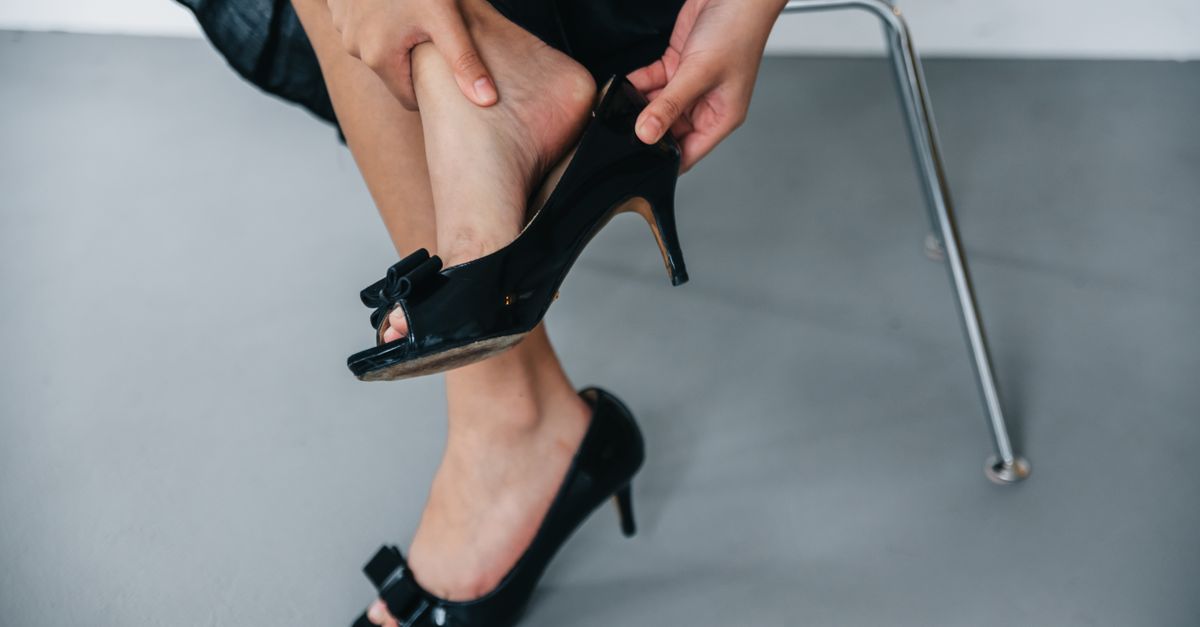
1. Introduction The throbbing pain experienced in the feet after wearing high heels for a short duration is the direct physiological result of profound mechanical overload on the metatarsal bones combined with restricted venous blood return. Elevating the heel forces the entire weight of the human body onto the small, delicate structures of the forefoot, … Read more

Why do my calf muscles throb after wearing high-heeled shoes for two hours?

Why do my calf muscles throb after wearing high-heeled shoes for two hours?

1. Introduction Wearing high heels places the ankle in prolonged plantar flexion, forcing the gastrocnemius and soleus muscles of the calf to remain in a shortened, continuously contracted state, which leads to metabolic fatigue, reduced blood flow, and subsequent throbbing pain. The human foot and ankle complex evolved to function efficiently when the heel strikes … Read more

Why do my toes go completely numb and tingly when I wear tall high heels?

Why do my toes go completely numb and tingly when I wear tall high heels?

1. Introduction Your toes go completely numb and tingly when you wear tall high heels due to the extreme biomechanical shift of your body weight entirely onto the forefoot, combined with the severe lateral compression of a narrow toe box. This unyielding downward and inward pressure physically crushes the common plantar digital nerves between the … Read more

Can wearing high heels daily cause chronic Achilles tendonitis?

Can wearing high heels daily cause chronic Achilles tendonitis?

1. Introduction Wearing high heels daily can indeed cause chronic Achilles tendonitis. The regular use of elevated footwear forces the foot and ankle into a constant state of plantar flexion, fundamentally altering the natural biomechanics of the lower leg. This sustained positioning causes the Achilles tendon and the associated calf muscles to adapt to a … Read more