1. Introduction to Independent Group Home Living
Residing in an independent group home represents a structured model of community-based living designed to balance personal autonomy with shared social and functional support. This residential arrangement is frequently utilized by individuals transitioning from intensive psychiatric care, adults managing mild neurodevelopmental conditions, or older adults requiring minimal assistance with daily activities. From a medical perspective, this environment provides a therapeutic framework that mitigates the risks of solitary living while fostering essential life skills.
The clinical architecture of an independent group home relies on the premise of peer support and distributed domestic responsibilities. Unlike institutional care facilities, these homes do not typically feature continuous on-site nursing staff. Instead, residents manage their own basic personal care and collaborate on household maintenance, often under the guidance of a visiting social worker or house manager. This structure promotes cognitive engagement and physical activity.
Medical professionals view this living arrangement as a critical determinant of long-term health stability. By providing a stable physical environment and a built-in social network, the group home model reduces the physiological wear associated with chronic isolation and housing insecurity. Understanding the specific health dynamics of this environment is essential for optimizing care plans and ensuring residents maintain their optimal functional baseline.
2. The Physiology of Social Buffering
Human neurobiology is fundamentally responsive to social environments. Living in a cohesive group setting provides a continuous mechanism for social buffering, a biological process where the presence of supportive peers attenuates the central nervous system’s response to stress. When residents experience emotional or physical challenges, the immediate availability of empathetic housemates helps regulate the autonomic nervous system.
This regulation lowers the systemic circulation of cortisol, the primary stress hormone. Sustained elevations in cortisol are linked to impaired immune function, accelerated cardiovascular disease, and metabolic dysregulation. By fostering a supportive social climate, the group home environment actively protects residents from the toxic physiological effects of chronic stress.
Furthermore, positive social interactions stimulate the release of oxytocin, a neuropeptide that promotes cardiovascular health by improving endothelial function and reducing resting blood pressure. The daily, structured interactions inherent in shared meals and collaborative household management provide continuous, restorative neurochemical benefits.
3. Cognitive Reserve and Daily Engagement
Maintaining cognitive health requires consistent mental stimulation and complex problem-solving. Independent group homes require residents to navigate shared social spaces, negotiate responsibilities, and participate in collective decision-making. These activities provide essential cognitive exercise that builds and preserves neural pathways.
This continuous engagement is a recognized strategy for building cognitive reserve, which is the brain’s ability to improvise and find alternate neural routes when primary pathways are compromised by age or illness. Residents who actively participate in the social and logistical management of the home frequently demonstrate superior executive function and delayed onset of age-related cognitive decline compared to socially isolated peers.
Physicians encourage residents to take active roles in meal planning, financial budgeting for household goods, and organizing community outings. These tasks require working memory, sequential planning, and emotional regulation, offering robust protection against neurological stagnation.
4. Nutritional Health and Shared Meals
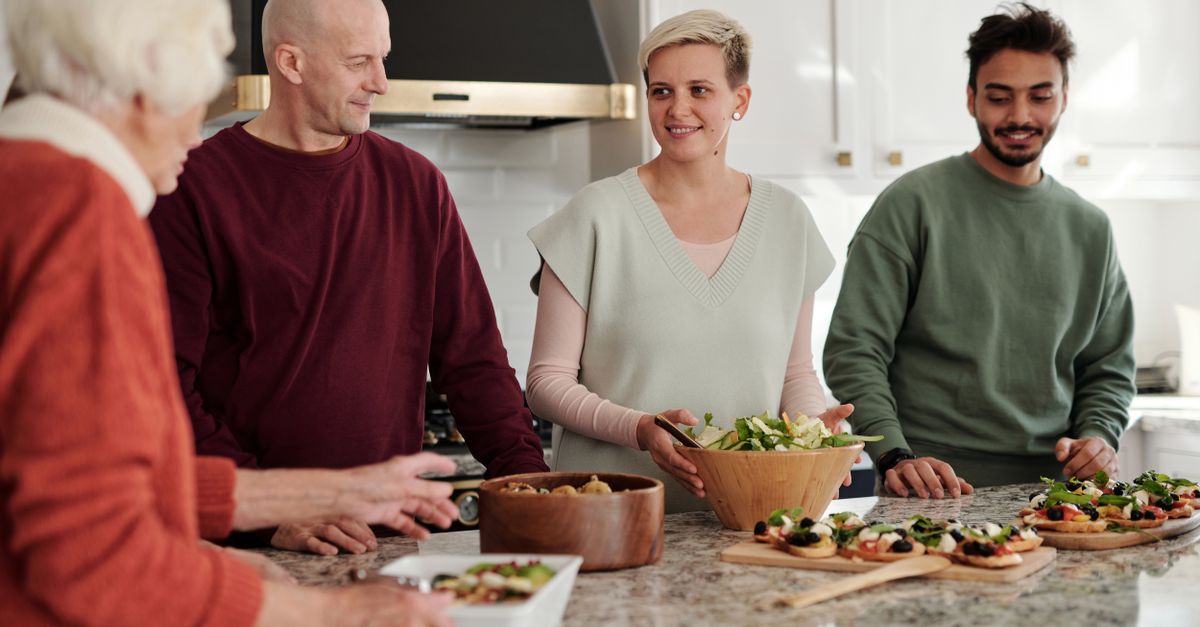
Dietary habits are deeply influenced by the living environment. In solitary living arrangements, individuals frequently struggle with the motivation to prepare nutrient-dense meals, leading to reliance on processed foods and subsequent malnutrition. The independent group home model structurally combats this nutritional decline through the practice of communal dining.
Shared meal preparation distributes the physical and cognitive labor of cooking, making it more feasible to incorporate fresh produce and lean proteins into the daily diet. The social aspect of dining also encourages adequate caloric intake and provides a predictable daily routine that regulates metabolic function and digestive health.
Clinical dietitians note that individuals residing in supportive group environments demonstrate lower rates of specific micronutrient deficiencies. The collective purchasing power of the group often allows for better quality food procurement, directly supporting immune resilience and stabilizing conditions such as type 2 diabetes and essential hypertension.
5. Infection Control in Congregate Settings
While the social benefits are substantial, sharing a domestic space with multiple individuals introduces specific epidemiological risks. The basic reproductive rate of respiratory and gastrointestinal pathogens is elevated in congregate living environments. Viruses such as influenza, rhinoviruses, and norovirus can transmit rapidly through shared bathrooms, kitchens, and communal seating areas.
Preventative medicine in a group home relies on establishing rigorous, shared hygiene protocols. Residents must collaborate to ensure the frequent sanitization of high-touch surfaces, including door handles, appliance controls, and bathroom fixtures. Adequate ventilation of communal spaces is also a critical structural requirement to disperse airborne particulates.
In the event of an acute respiratory or gastrointestinal illness, the group home must have established protocols for symptom reporting and temporary isolation. Prompt medical evaluation and adherence to public health guidelines prevent localized outbreaks from compromising the health of the entire household.
6. Sleep Architecture and Acoustic Management
Restorative sleep is a biological necessity for physical repair, memory consolidation, and emotional regulation. In a group home, achieving uninterrupted sleep requires careful management of the acoustic environment. Differing schedules, nighttime awakenings, and ambient noise from shared living areas can easily fragment the sleep architecture of residents.
Chronic sleep disruption leads to systemic insulin resistance, impaired immune responses, and exacerbated symptoms of underlying psychiatric conditions. Residents frequently experience profound daytime fatigue and irritability when their slow-wave sleep cycles are continuously interrupted.
Establishing clear, agreed-upon quiet hours is a fundamental health intervention. Residents may also benefit from utilizing white noise machines or earplugs to mask predictable environmental sounds. Prioritizing sleep hygiene ensures that the neurological and metabolic benefits of the supportive living arrangement are not undermined by exhaustion.
7. Medication Management and Adherence
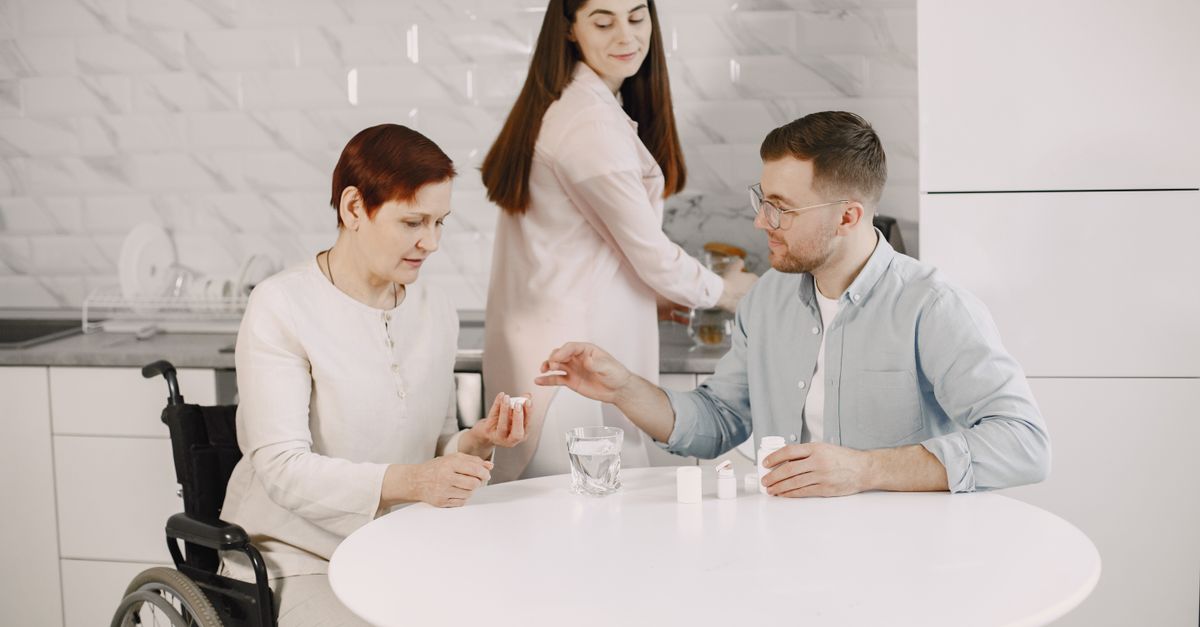
For residents managing chronic medical or psychiatric conditions, strict adherence to pharmacological regimens is essential for maintaining independence. While independent group homes typically expect residents to manage their own medications, the environment provides a vital layer of informal accountability.
Housemates often establish routines that serve as behavioral cues for medication administration, such as taking morning doses during communal breakfast. This shared rhythm reduces the likelihood of missed doses, a common cause of clinical destabilization in unsupported living environments.
Visiting case managers or healthcare professionals may periodically review medication storage and adherence strategies with the residents. Providing structured tools, such as weekly pill organizers and accessible medical information charts, empowers residents to maintain control over their therapeutic regimens safely.
8. Physical Activity and Mobility
The structural layout and the social dynamics of a group home frequently encourage increased incidental physical activity. Residents are required to move through shared spaces, participate in household maintenance, and often walk to local community resources together. This continuous, low-impact movement is crucial for cardiovascular health and musculoskeletal integrity.
Maintaining physical mobility prevents the rapid deconditioning and muscle atrophy associated with sedentary isolation. Regular weight-bearing activity preserves bone density and joint flexibility, directly reducing the risk of mechanical falls and subsequent orthopedic trauma.
Group homes situated in walkable neighborhoods provide the most significant health advantages, allowing residents to integrate physical activity naturally into their daily routines. Medical providers encourage residents to participate in group walks or community exercise programs to maximize these cardiovascular benefits.
9. Managing Psychiatric Stability
For individuals utilizing an independent group home as a step-down transition from acute psychiatric care, the environment serves as a critical stabilization tool. The transition from intense clinical supervision to complete independence is frequently fraught with the risk of symptom relapse. The group home provides a graded, supportive transition.
The presence of empathetic peers who understand the challenges of psychiatric recovery offers profound validation and reduces the stigma associated with mental health conditions. Residents can monitor one another for early signs of psychological decompensation, such as withdrawal from communal activities or significant changes in sleep patterns.
This peer observation facilitates early intervention. By identifying subtle behavioral shifts, residents and visiting support staff can connect the individual with their psychiatric provider for timely medication adjustments or therapeutic support, preventing the escalation into an acute clinical crisis.
10. Conflict Resolution and Emotional Regulation
Living in close proximity with non-family members inevitably generates interpersonal friction. Disagreements regarding household chores, shared resources, or differing lifestyle habits are expected occurrences. Navigating these conflicts requires robust emotional regulation and effective communication skills.
From a clinical perspective, chronic unresolved conflict acts as a potent biological stressor, elevating resting heart rates and promoting systemic inflammation. Therefore, developing healthy conflict resolution strategies is a fundamental component of maintaining the health of the household.
Visiting social workers or house managers frequently provide mediation and facilitate regular house meetings. These forums allow residents to express grievances safely and collaboratively develop household guidelines. Learning to navigate conflict constructively builds psychological resilience and strengthens the therapeutic alliance among residents.
11. Coordination of Outpatient Care
Residents of independent group homes rely entirely on outpatient medical services for their healthcare needs. Effective coordination of these services is vital for comprehensive chronic disease management. The communal nature of the home can facilitate better engagement with the healthcare system.
Residents often share information regarding reliable local healthcare providers, community clinics, and pharmacy services. In some instances, residents may accompany one another to medical appointments, providing logistical support and helping to recall important medical advice provided by the physician.
This collaborative approach to healthcare navigation ensures that residents attend necessary preventative screenings and manage their chronic conditions proactively. Healthcare providers should recognize the group home as a supportive resource and communicate clearly with the patient regarding their capacity to manage specific treatments within a shared environment.
12. Environmental Hazards and Safety Protocols
Ensuring the physical safety of the living environment is a shared responsibility in an independent group home. The architectural layout must accommodate the varying physical abilities of the residents to prevent domestic accidents.
Clutter in shared walkways presents a significant fall risk. Residents must collaborate to maintain clear pathways, ensure adequate lighting in corridors, and properly secure loose rugs. Furthermore, kitchen safety requires continuous vigilance to prevent thermal burns or fires associated with unattended cooking appliances.
Establishing and practicing emergency response protocols, including fire evacuation plans and basic first aid readiness, empowers residents to respond effectively to unforeseen domestic crises. This structural preparedness reduces baseline anxiety and ensures a rapid, organized response during emergencies.
13. Health and Safety Strategies for Shared Living
Optimizing health in an independent group home requires structured, proactive collaboration among all residents.
| Environmental Challenge | Clinical Mitigation Strategy |
|---|---|
| Infectious Disease Transmission | Mandatory sanitization of high-touch surfaces and immediate symptom isolation |
| Sleep Fragmentation | Implementation of strict quiet hours and individual acoustic management tools |
| Nutritional Decline | Structured communal meal planning emphasizing lean proteins and fresh produce |
| Interpersonal Stress | Regular, moderated house meetings to address grievances and establish boundaries |
These targeted strategies transform the shared living space from a potential source of stress and infection into a robust framework for physical and psychological stabilization.
14. Frequently Asked Questions (FAQ)
1. How does living in a group home affect mental health recovery?
Living with peers provides a strong social support network that reduces isolation, a major trigger for psychiatric relapse. The shared responsibilities and daily routines help stabilize mood and rebuild the executive function necessary for complete independent living.
2. What happens if a resident becomes physically ill in a group home?
Because the home is independent, there is no on-site nursing staff. The sick resident must utilize standard outpatient clinics or emergency services. Housemates provide informal support, but the primary responsibility for seeking medical care remains with the individual.
3. Is it common to experience sleep problems in a shared house?
Yes, differing schedules and ambient noise from common areas can disrupt sleep. It is vital to establish household rules regarding quiet hours and to use personal tools like earplugs to ensure you achieve the deep sleep necessary for immune and cognitive health.
4. How does communal dining benefit physical health?
Preparing meals together reduces the reliance on processed, sodium-heavy convenience foods. Shared cooking encourages the consumption of fresh vegetables and proteins, which stabilizes blood sugar and provides the essential nutrients required for tissue repair and immune defense.
5. How are medications managed in this type of living arrangement?
Residents are entirely responsible for their own medication administration. However, the structured routine of the household often acts as a helpful reminder, and residents can support one another in maintaining adherence to their prescribed therapeutic regimens.
15. Bibliography
Disclaimer: The content is for informational purposes only and does not replace medical advice. Always consult your doctor for personalized treatment.