
Living in an Independent Group Home: Health Outcomes, Social Support, and Medical Coordination

Living in an Independent Group Home: Health Outcomes, Social Support, and Medical Coordination

1. Introduction to Independent Group Home Living Residing in an independent group home represents a structured model of community-based living designed to balance personal autonomy with shared social and functional support. This residential arrangement is frequently utilized by individuals transitioning from intensive psychiatric care, adults managing mild neurodevelopmental conditions, or older adults requiring minimal assistance … Read more
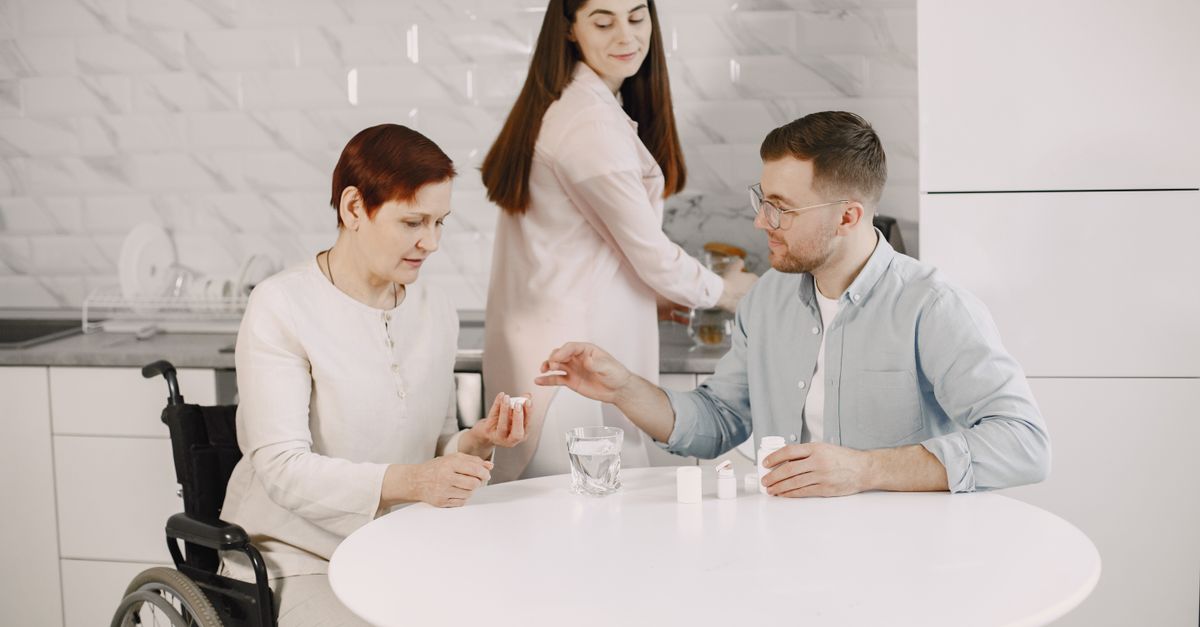

Living in a Staffed Home: Clinical Support, Independence, and Health Outcomes

Living in a Staffed Home: Clinical Support, Independence, and Health Outcomes

1. Introduction to Staffed Residential Environments Living in a staffed residential home provides a structured therapeutic environment that preserves patient autonomy while ensuring continuous clinical oversight. This housing model—frequently utilized by individuals with developmental disabilities, severe mental health diagnoses, or progressive physical conditions—bridges the critical gap between entirely independent living and the intensive, highly medicalized … Read more

Living in Warden Controlled Accommodation: Clinical Supervision and Geriatric Health

Living in Warden Controlled Accommodation: Clinical Supervision and Geriatric Health

1. Introduction to Warden Controlled Housing Warden controlled accommodation represents a highly structured tier of supported living, specifically designed to protect the health and autonomy of older adults managing significant physical frailties or early-stage cognitive decline. In this housing model, a warden or scheme manager is typically resident on-site or provides comprehensive, continuous daily oversight … Read more