1. Introduction to Supported Independent Living
Living alone while maintaining access to structured medical and domestic help represents a highly effective model of modern healthcare, often referred to clinically as supported aging in place or managed independent living. This arrangement allows individuals, particularly older adults or those managing chronic conditions, to remain in their familiar environment while mitigating the inherent medical risks of total isolation. The presence of a reliable support network fundamentally alters the clinical risk profile of the patient.
The integration of visiting healthcare professionals, home health aides, and technological monitoring systems creates a safety net that addresses both acute medical needs and instrumental activities of daily living. This clinical model is designed to prevent hospital readmissions, manage chronic disease trajectories, and preserve the patient’s cognitive and physical functional baseline. It represents a proactive rather than reactive approach to chronic health management.
Understanding the mechanics and benefits of this living arrangement helps patients and their families optimize care protocols. By correctly utilizing available support services, individuals can sustain a high quality of life, maintain their personal autonomy, and ensure that medical interventions occur precisely when necessary, without the immediate need for institutionalization.
2. The Clinical Importance of Routine Medical Monitoring
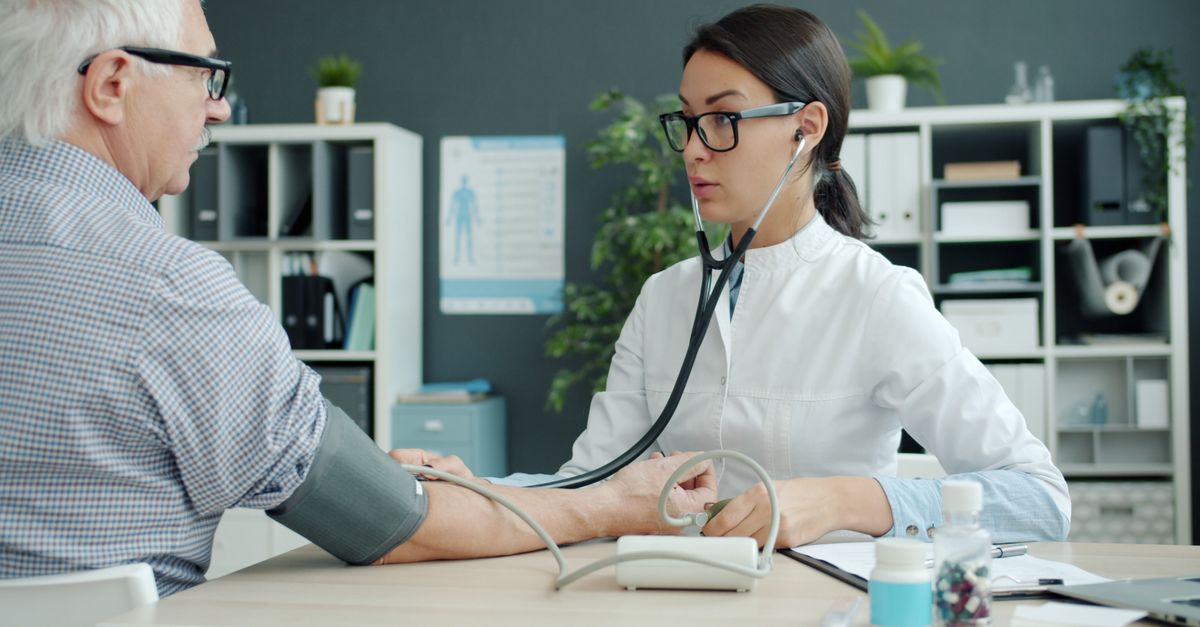
Routine medical monitoring by visiting nurses or specialized home care teams is the cornerstone of supported independent living. These professionals conduct regular physiological assessments, measuring critical vital signs such as blood pressure, pulse oximetry, and blood glucose levels. This consistent data collection allows for the early detection of subtle clinical deteriorations before they escalate into acute medical emergencies.
For patients managing complex conditions like congestive heart failure or severe chronic obstructive pulmonary disease, these routine checks are vital. A visiting nurse can identify early signs of fluid retention or respiratory compromise that the patient might overlook. Early intervention through medication adjustments or targeted outpatient therapies prevents the need for emergency hospital admissions.
Furthermore, these routine visits provide a structured opportunity for clinical observation. The healthcare professional can assess the patient’s general appearance, cognitive status, and mobility, noting any subtle changes that might indicate an underlying infection, dehydration, or the early stages of neurological decline.
3. Medication Adherence and Management Protocols
One of the most significant clinical risks for individuals living alone is medication non-adherence or accidental mismanagement. Complex pharmaceutical regimens, known as polypharmacy, increase the likelihood of dosing errors, missed medications, or adverse drug interactions. Having help available specifically for medication management drastically reduces these risks.
Professional caregivers or visiting nurses utilize structured protocols to ensure pharmacological safety. This includes organizing daily pill dispensers, administering injectable medications, and cross-referencing all prescribed drugs to identify potential interactions. They also monitor the patient for any unintended side effects, such as dizziness or gastrointestinal distress, which could lead to secondary complications like physical falls.
In many modern home care setups, automated medication dispensing technology is integrated into the daily routine. These devices provide auditory or visual alerts and can notify the care team remotely if a dose is missed. This combination of human oversight and technological support ensures optimal therapeutic outcomes for chronic disease management.
4. Mitigating Fall Risks in the Home Environment
Falls represent a leading cause of morbidity and mortality among individuals living independently, particularly those with compromised mobility or neurological deficits. An unsupported fall can result in prolonged immobilization, rhabdomyolysis, and severe psychological trauma. When help is available, the home environment can be systematically modified to eliminate structural hazards.
Occupational therapists often conduct comprehensive home safety evaluations as part of the support network. They identify environmental risks such as loose rugs, inadequate lighting, and the absence of grab bars in high-risk areas like the bathroom. Implementing these physical modifications significantly lowers the statistical probability of a traumatic fall.
Furthermore, the regular presence of a caregiver ensures that the patient does not attempt high-risk activities, such as climbing step stools or carrying heavy loads. Caregivers provide physical stand-by assistance during transfers from the bed or the shower, directly supporting the patient’s physical stability and promoting safe mobility within the domestic space.
5. Nutritional Support and Metabolic Health
Adequate nutrition is fundamentally linked to immune function, tissue repair, and the maintenance of lean muscle mass. Individuals living alone without support often experience a decline in nutritional status due to the physical challenges of grocery shopping, meal preparation, or diminished appetite. This condition, known as geriatric anorexia, accelerates physical frailty and metabolic decline.
When domestic or medical help is integrated into the living arrangement, nutritional oversight becomes a priority. Caregivers assist with meal planning, ensuring that the patient consumes a diet appropriate for their specific medical conditions, such as a low-sodium diet for hypertension or a carbohydrate-controlled diet for diabetes mellitus.
The physical act of preparing meals and providing social interaction during meal times also combats appetite suppression. Maintaining adequate protein and caloric intake preserves muscular integrity, which is essential for maintaining independent mobility and resisting infectious diseases.
6. Psychological Benefits of a Safety Net
The psychological impact of living alone is profound, often leading to chronic anxiety regarding potential medical emergencies. The constant activation of the sympathetic nervous system in response to this stress can elevate resting cortisol levels, contributing to cardiovascular strain and immune suppression. Knowing that help is readily available directly counteracts this psychological burden.
The presence of a structured support system provides deep psychological reassurance. Patients understand that if they experience a sudden medical event, such as chest pain or a physical fall, a mechanism is in place for immediate response. This security reduces generalized anxiety and promotes better sleep architecture, which is critical for overall neurological health.
Additionally, the regular interaction with healthcare professionals and caregivers mitigates the physiological effects of social isolation. Even brief, task-oriented visits provide cognitive stimulation and emotional grounding, which have been shown to slow the progression of depressive symptoms and cognitive decline in vulnerable populations.
7. The Role of Telemedicine and Remote Monitoring
Advancements in digital health have revolutionized the concept of supported independent living. Telemedicine platforms and remote physiological monitoring devices allow medical teams to maintain constant surveillance over a patient’s health status without requiring physical presence. This technology bridges the gap between scheduled in-person visits.
Patients can utilize wearable devices that continuously track cardiac rhythms, oxygen saturation, and activity levels. If a device detects a concerning anomaly, such as an irregular heartbeat indicative of atrial fibrillation, an automated alert is immediately transmitted to the central clinical team. This real-time data transmission allows for instantaneous medical decision-making.
Telemedicine also facilitates rapid consultations with primary care physicians or specialists. A patient experiencing a minor acute issue, such as a localized skin infection or a suspected urinary tract infection, can receive a diagnosis and a prescription without the physical exhaustion and exposure risk of traveling to a medical facility.
8. Managing Chronic Disease Trajectories
Chronic diseases such as diabetes, chronic kidney disease, and heart failure require continuous, proactive management. When an individual lives alone with medical support, the care team focuses on stabilizing these conditions to prevent acute exacerbations. This involves strict adherence to clinical guidelines and continuous patient education.
The support team monitors specific biomarkers relevant to the chronic condition. For a diabetic patient, this involves reviewing continuous glucose monitor data and ensuring that insulin administration is precise. For a patient with heart failure, daily weight measurements are recorded to detect microscopic fluid shifts before they cause pulmonary congestion.
This intensive, community-based management is clinically proven to extend life expectancy and improve the quality of life for patients with severe chronic illnesses. It transitions the healthcare model from crisis intervention to continuous, stabilized health maintenance.
9. Cognitive Stimulation and Neurological Health
Cognitive decline, including mild cognitive impairment and early-stage dementia, is heavily influenced by environmental factors. Social isolation and a lack of daily cognitive challenges accelerate the atrophy of neural pathways. A supported living environment actively counters this neurological deterioration.
Caregivers and visiting professionals engage the patient in structured conversations, problem-solving tasks, and routine planning. This continuous social and intellectual engagement stimulates the cerebral cortex and the hippocampus, areas of the brain responsible for memory and executive function. This stimulation is known as building cognitive reserve.
Furthermore, the care team is trained to recognize the early, subtle signs of cognitive changes. If a patient begins to exhibit increased confusion, memory lapses, or difficulty managing tasks they previously handled easily, the team can promptly notify a neurologist for a comprehensive evaluation, ensuring that pharmacological or behavioral interventions are initiated early.
10. Assisting with Instrumental Activities of Daily Living
Instrumental Activities of Daily Living (IADLs) are complex tasks required for independent living, such as managing finances, maintaining household hygiene, and navigating transportation. A decline in the ability to perform IADLs is often the first clinical indicator that an individual requires increased support to remain safely in their home.
When help is available, these specific tasks are delegated to support staff. Caregivers ensure that the living environment remains sanitary, which is critical for preventing respiratory issues and cutaneous infections. They manage laundry, thereby preventing skin breakdown associated with soiled clothing or bedding.
By delegating these physically and cognitively demanding tasks, the patient conserves their metabolic energy for essential activities, such as physical therapy exercises or personal grooming. This division of labor is crucial for maintaining the patient’s overall physical endurance and preventing severe exhaustion.
11. Infection Control in the Home Environment
Maintaining strict infection control protocols is a vital aspect of supported home care, particularly for individuals with compromised immune systems. Older adults or those undergoing immunosuppressive therapies are highly susceptible to environmental pathogens that can cause severe respiratory or gastrointestinal illnesses.
Visiting medical professionals adhere to strict sterile techniques when performing wound care, changing intravenous access sites, or managing urinary catheters. This professional oversight prevents the introduction of bacteria into the bloodstream, minimizing the risk of life-threatening systemic sepsis.
Furthermore, domestic helpers ensure that high-touch surfaces, such as doorknobs and bathroom fixtures, are regularly disinfected. They also monitor the storage of food and the disposal of biological waste, creating a sanitary micro-environment that significantly reduces the patient’s exposure to common infectious agents.
12. Coordination Between Care Providers
A successful supported living arrangement requires seamless communication and coordination among various healthcare entities. The patient is often managing relationships with a primary care physician, multiple specialists, a home health agency, and potentially a pharmacy delivery service.
A designated case manager or a lead visiting nurse typically assumes the responsibility of synthesizing this information. They ensure that the cardiologist is aware of the medication changes made by the nephrologist, and that the physical therapist understands the patient’s current cardiovascular limitations.
| Type of Support Service | Primary Clinical Benefit |
|---|---|
| Visiting Registered Nurse | Wound care, medication administration, and vital sign assessment |
| Home Health Aide | Assistance with bathing, dressing, and basic mobility transfers |
| Occupational Therapist | Environmental safety modifications and adaptive equipment training |
| Telecare Systems | Continuous physiological monitoring and emergency alert dispatch |
13. Establishing Emergency Response Protocols
Despite comprehensive preventative care, acute medical emergencies can still occur. A critical component of supported independent living is the establishment of robust, infallible emergency response protocols. The patient, the care team, and the family must have a synchronized plan of action.
These protocols include the use of personal emergency response systems (PERS), which are wearable devices that connect instantly to a medical dispatch center. The home should also clearly display advanced directives, a list of current medications, and the contact information for all primary physicians.
When emergency medical services (EMS) are dispatched, the presence of an organized medical file allows paramedics to make immediate, informed clinical decisions. This structured preparation minimizes the delay in receiving critical, life-saving medical interventions.
14. Transitioning Care Levels When Necessary
The clinical needs of an individual living alone are rarely static; they evolve as the patient ages or as chronic diseases progress. A critical function of the available support network is to continuously assess whether the home environment remains the safest and most appropriate setting for the patient’s level of required care.
If a patient’s cognitive decline progresses to the point of severe wandering, or if their physical frailty necessitates total assistance for all basic bodily functions, the medical team will facilitate a structured clinical review. They will discuss these objective findings with the patient and their designated medical proxy.
The goal is to recognize the threshold where home support is no longer sufficient and to orchestrate a smooth, planned transition to a higher level of care, such as an assisted living facility or a skilled nursing facility, before a catastrophic medical failure occurs.
15. Frequently Asked Questions (FAQ)
1. What is the difference between a home health aide and a visiting nurse?
A visiting nurse is a licensed medical professional capable of providing skilled clinical care, such as managing intravenous lines, complex wound care, and specialized physical assessments. A home health aide provides essential assistance with daily living activities, including bathing, dressing, and basic meal preparation.
2. How do telecare monitoring systems work?
These systems utilize digital devices, such as blood pressure cuffs or wearable heart monitors, to transmit your physiological data directly to a clinical monitoring center via cellular networks. If the data shows abnormal readings, the center immediately contacts you or your emergency medical contacts.
3. Will I lose my independence if I accept home care help?
Clinically, the opposite is true. By accepting targeted assistance with difficult or high-risk tasks, you conserve your physical energy and avoid severe injuries, such as falls, which are the primary events that force individuals out of their homes and into institutional care.
4. How can occupational therapy help me stay in my home?
An occupational therapist assesses your physical capabilities and modifies your living space to match them. They may recommend installing specialized grab bars, altering the height of your bed, or providing adaptive tools to help you dress and groom yourself safely and independently.
5. How is medication managed to prevent errors when living alone?
Support teams use various methods, including automated pill dispensers that alert you when it is time to take a dose, pre-sorted blister packs provided by pharmacies, and direct supervision during nursing visits to ensure all medications are taken exactly as prescribed by your physician.
16. Bibliography
Disclaimer: The content is for informational purposes only and does not replace medical advice. Always consult your doctor for personalized treatment.