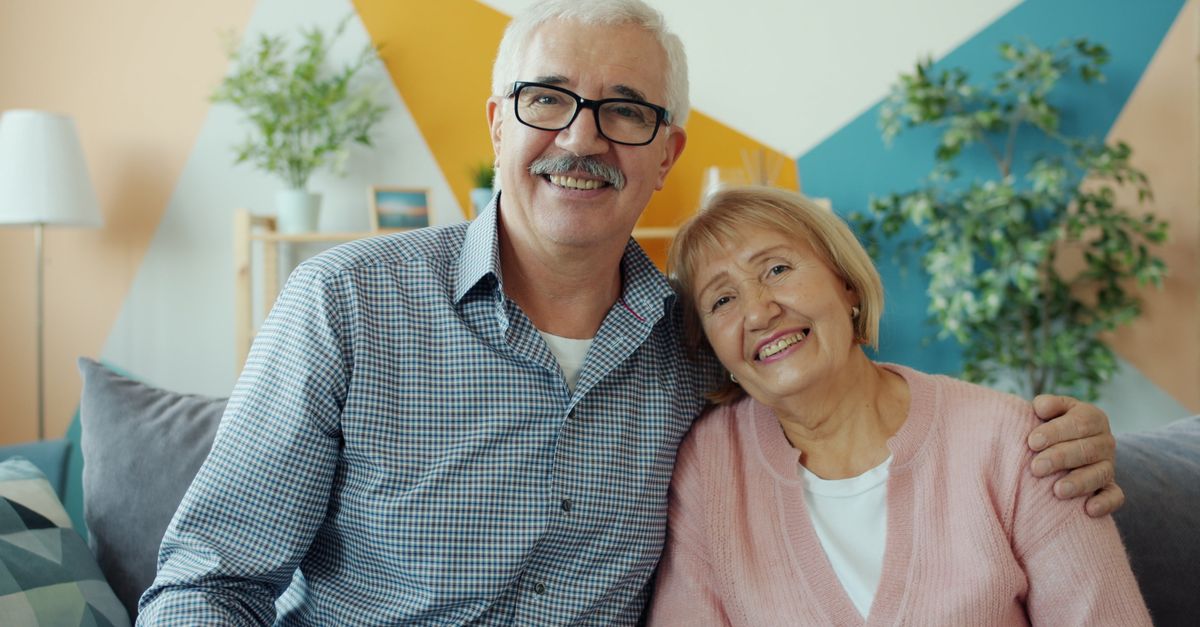
1. Health Profiles of Two-Person Spousal Households
The transition to a household occupied exclusively by a spousal dyad initiates a distinct phase in adult health biology. This environment, often emerging after adult children leave the home, fundamentally alters daily energetic demands, microbial exposure, and psychosocial stress levels. The clinical health profile of a spouse-only household is characterized by a stabilization of environmental factors and a deepened physiological interdependence between partners.
The removal of child-rearing responsibilities allows for the reallocation of biological and psychological resources. The allostatic load previously distributed across multiple dependents is now concentrated on the self and the partner. This shift can facilitate profound physical recovery and health optimization, provided the couple maintains robust preventative health practices.
However, this insular living arrangement also intensifies the impact of one partner’s health on the other. The spousal dyad becomes a closed biological feedback loop. Understanding this unique environmental structure is vital for medical professionals managing the long-term health, cognitive preservation, and longevity of aging populations.
2. The Empty Nest Transition and Psychosocial Adaptation
The departure of children from the primary residence triggers a significant psychosocial transition. This period requires profound emotional and neurological adaptation. For many, this reduction in daily domestic demands results in a decrease in chronic stress, allowing the autonomic nervous system to shift predominantly into a restorative, parasympathetic state.
Conversely, some individuals experience acute psychological distress during this transition. The loss of the active parental role can precipitate identity crises and depressive symptoms. This distress activates the hypothalamic-pituitary-adrenal axis, elevating systemic cortisol levels and potentially unmasking latent cardiovascular or autoimmune vulnerabilities.
Successful adaptation requires the active cultivation of new routines and shared cognitive pursuits. Couples who recalibrate their daily interactions and establish novel sources of intellectual and social stimulation demonstrate superior psychological resilience. This proactive adaptation protects against the neurochemical imbalances associated with profound life changes.
3. Decreased Exposure to Pediatric Pathogens
A direct physiological benefit of a spouse-only household is the dramatic reduction in exposure to community-acquired pediatric pathogens. School-aged children act as primary vectors for adenoviruses, influenza, and various strains of gastroenteritis. The cessation of this continuous pathogenic influx allows the adult immune system a period of recovery and stabilization.
This reduced infectious burden translates to fewer episodes of acute systemic inflammation. For aging adults whose immune systems are undergoing natural senescence, this protection is critical. It preserves physiological reserves that would otherwise be expended on mounting frequent acute phase immune responses.
While the reduction in ambient pathogens is beneficial, couples must continue to maintain robust immune surveillance through routine vaccinations and adult social engagement. The environment must not become so sterile that it compromises the maintenance of acquired immunity against common adult-circulating viruses.
4. Nutritional Stabilization in Adult-Only Households
Dietary environments transform significantly when a household is reduced to two adults. The need to accommodate the caloric and preference-based demands of younger dependents is eliminated. This allows the spousal dyad to curate a food environment strictly aligned with adult metabolic requirements and clinical dietary guidelines.
| Dietary Factor | Spouse-Only Environment Benefit | Clinical Implication |
|---|---|---|
| Macronutrient Control | Easier implementation of specific diets (e.g., Mediterranean). | Improved lipid profiles and glycemic control. |
| Meal Timing | Synchronization with natural adult circadian rhythms. | Enhanced digestion and metabolic efficiency. |
| Pathogenic Risk | Reduced cross-contamination from children. | Lower incidence of foodborne enteric illnesses. |
Couples often experience a reduction in the consumption of ultra-processed convenience foods once children leave. Preparing smaller, nutrient-dense meals tailored to manage hypertension, hyperlipidemia, or altered glucose tolerance becomes highly feasible. This nutritional stabilization is a primary driver of improved metabolic health in this demographic.
5. Sleep Quality Improvements Without Dependents
Sleep architecture typically improves following the transition to a spouse-only home. The elimination of nocturnal disruptions related to child care allows for uninterrupted progression through all vital sleep stages, particularly the restorative slow-wave sleep and rapid eye movement phases. This consolidation of sleep is neuroprotective and metabolically regulating.
Improved sleep continuity facilitates efficient clearance of amyloid-beta and other neurotoxic metabolites from the cerebral tissue via the glymphatic system. It also normalizes insulin sensitivity and reduces the basal secretion of stress hormones. The acoustic predictability of a child-free home is highly conducive to cellular repair.
To maximize this benefit, couples must address any residual sleep discordance between themselves. Snoring, restless leg movements, or divergent circadian preferences must be clinically managed to protect the delicate sleep microenvironment of the adult dyad.
6. Social Isolation Risks in Older Spousal Dyads
While the spouse-only environment offers stability, it concurrently elevates the risk of severe social isolation. As couples age in place, their social networks may organically contract due to retirement or mobility limitations. Relying exclusively on a spouse for all social and emotional interaction creates a fragile psychological ecosystem.
Social isolation is a recognized clinical risk factor for accelerated cognitive decline and cardiovascular disease. The lack of external social stimuli reduces cognitive reserve and limits neuroplasticity. Furthermore, social withdrawal is strongly correlated with increased systemic inflammation and diminished immune competence.
Preventative health strategies must include deliberate community engagement. Maintaining relationships outside the marital unit provides necessary cognitive diversity and emotional buffering. A robust external social network dilutes the psychological intensity of the closed spousal loop and ensures broader support during medical crises.
7. The Concept of Shared Frailty in Aging Couples
As couples age together in isolation, medical professionals frequently observe the phenomenon of shared frailty. Because spouses share identical environmental exposures, nutritional inputs, and activity levels, their physical decline often occurs in tandem. If one partner adopts a sedentary lifestyle, the other is highly likely to mirror that behavior.
This simultaneous decline accelerates the loss of muscle mass (sarcopenia) and bone mineral density (osteopenia) in both individuals. A decrease in household physical activity reduces cardiovascular endurance and impairs vestibular balance, significantly increasing the risk of mechanical falls for both partners.
Intervening against shared frailty requires dyadic physical therapy and exercise prescriptions. Encouraging mutual participation in resistance training and aerobic activity disrupts the cycle of physical deconditioning. Preserving the biomechanical strength of the couple is essential for maintaining their independence.
8. Cognitive Interdependence and Memory Decline
Prolonged cohabitation fosters deep cognitive interdependence. Spouses often divide cognitive labor, with one managing financial logistics while the other tracks medical appointments and social obligations. This system, known as transactive memory, is highly efficient but poses severe risks if one partner experiences cognitive decline.
If the partner responsible for executive functioning develops mild cognitive impairment or dementia, the functional capacity of the entire household collapses rapidly. The healthy spouse may suddenly be overwhelmed by unfamiliar cognitive demands, leading to medication errors, financial mismanagement, and extreme psychological stress.
Clinical assessments of aging couples must evaluate the cognitive health of both individuals. Encouraging cross-training in household management ensures that both partners maintain comprehensive executive function. Recognizing the early signs of cognitive asymmetry is crucial for timely medical intervention.
9. Caregiving Dynamics Within the Dyad
In a spouse-only household, acute or chronic illness mandates that the healthy partner assume the role of sole caregiver. Without resident children to distribute the physical and emotional labor, the caregiving burden falls entirely on an individual who is also aging and potentially managing their own health deficits.
This intense caregiving dynamic can precipitate rapid physical and mental exhaustion. The caregiver may neglect their own preventative screenings, dietary needs, and sleep hygiene while managing their partner’s condition. This self-neglect leads to a paradoxical situation where the caregiver’s health deteriorates faster than the patient’s.
Medical management must aggressively support the caregiving spouse. Integrating home health services, physical therapy, and respite care is not a luxury but a clinical necessity to prevent the physical collapse of the caregiver and the subsequent institutionalization of both individuals.
10. Environmental Adaptations for Aging in Place
Successfully living alone as a spousal dyad requires proactive adaptation of the physical living space. The home environment must be modified to accommodate potential declines in mobility, vision, and balance. Failure to adapt the environment transforms the home into a landscape of severe traumatic risk.
Key modifications include the installation of reinforced grab bars in bathing areas, the elimination of threshold tripping hazards, and the implementation of high-lumen, anti-glare lighting to compensate for diminished visual acuity. Redesigning living spaces for single-floor habitation prevents the cardiovascular strain and fall risk associated with stair navigation.
These environmental interventions are prescribed medical necessities for aging in place. An optimized physical environment reduces the ambient anxiety associated with navigating the home, allowing the couple’s nervous systems to remain in a state of restorative calm.
11. Mental Health Resilience and Spousal Reliance
The emotional architecture of a spouse-only household relies heavily on mutual mental health resilience. The continuous physical presence of a supportive partner acts as a powerful buffer against depression and anxiety. The shared history and deep empathetic understanding facilitate rapid emotional regulation during periods of external stress.
However, this reliance means that a mental health crisis in one partner destabilizes the entire household. If one spouse develops clinical depression, the ambient home environment becomes saturated with lethargy and negative affect, which can swiftly induce similar symptoms in the healthy partner.
Maintaining mental health requires continuous, intentional communication and the willingness to seek external psychological support when necessary. Evaluating the household for signs of shared affective disorders ensures that both partners maintain the emotional robustness required for independent living.
Such interdependent emotional states are a critical focus when evaluating risk factors associated with social anxiety disorder and general isolation distress.
12. Indicators of Declining Health in Spousal Households
Clinicians must monitor specific indicators that suggest a spouse-only household is failing to support the biological needs of its occupants. Unexplained weight loss in both partners, a decline in household cleanliness, or missed medical appointments indicate that the dyad is struggling with executive function or physical endurance.
Frequent visits to the emergency department for minor injuries or exacerbations of chronic diseases are critical red flags. These events suggest that the daily preventative care routines within the home have broken down. The couple may be concealing their difficulties to avoid the prospect of assisted living facilities.
When these indicators emerge, multidisciplinary medical intervention is required. Involving geriatric care managers, social workers, and occupational therapists helps restructure the support system around the couple, ensuring their safety while maximizing their autonomy in the home.
13. Frequently Asked Questions (FAQ)
1. Why do I feel healthier now that my children have moved out?
The removal of intense caregiving and daily household chaos reduces chronic psychological stress. This allows your nervous system to rest, improves sleep continuity, and reduces your exposure to frequent viral infections brought home from schools.
2. What are the risks of relying only on my spouse for socializing?
Relying solely on a spouse limits cognitive stimulation and neuroplasticity. Severe social isolation accelerates cognitive decline, weakens immune function, and increases vulnerability to depression if your spouse becomes ill.
3. How does shared frailty happen in older couples?
Couples often adopt identical lifestyle habits. If one partner stops exercising and becomes sedentary, the other usually follows suit, leading to a simultaneous decline in muscle mass, bone density, and cardiovascular endurance.
4. How should we prepare our home for living alone as we age?
Prioritize fall prevention by removing loose rugs, improving lighting, and installing bathroom grab bars. Transitioning daily activities to a single floor reduces physical strain and minimizes the risk of severe mechanical injuries.
5. What happens if the spouse who manages everything gets sick?
This is a critical risk. If the partner managing finances and medications experiences cognitive decline, the household can quickly become unsafe. Both partners must remain cross-trained in managing household logistics to prevent a crisis.
14. Bibliography
Disclaimer: The content is for informational purposes only and does not replace medical advice. Always consult your doctor for personalized treatment.