1. Introduction
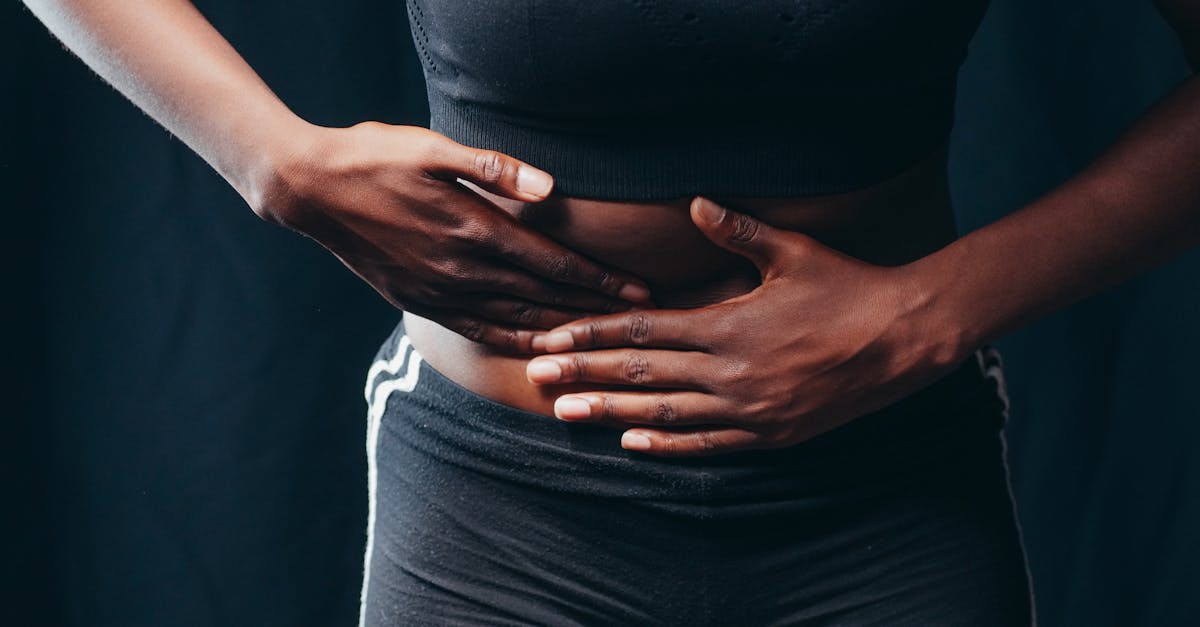
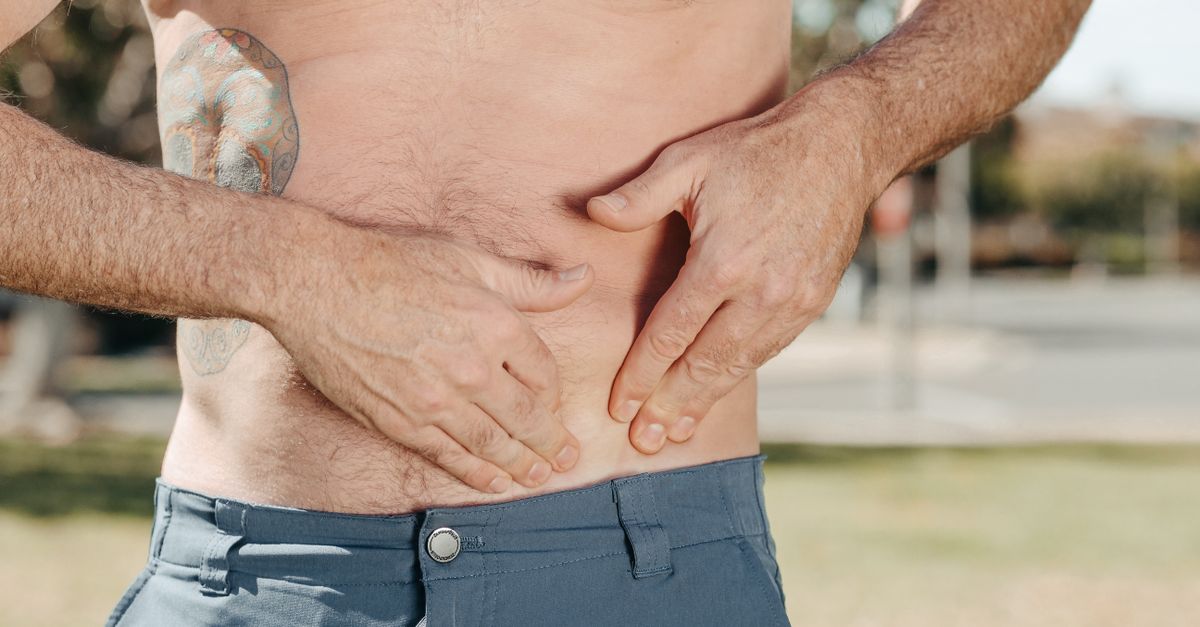
Lower abdominal soreness after an hour of cycling is typically caused by isometric fatigue of the core muscles, prolonged hip flexion, and mechanical stress on the pelvic floor. The bent-over posture required for cycling forces the abdominal and hip flexor muscles to remain continuously engaged to stabilize the torso and generate power. Addressing this discomfort requires evaluating your bike setup, core strength, and riding posture to minimize undue strain on the abdominal wall.
2. Core Muscle Activation During Cycling
Cycling is often mistakenly viewed entirely as a lower-body activity. However, the core musculature, which encompasses the rectus abdominis, obliques, and transverse abdominis, plays an indispensable role. These muscles act as a rigid bridge connecting the upper body to the pelvis.
During an hour-long ride, the core muscles contract isometrically. This means they generate tension without significantly changing length. This sustained contraction stabilizes the spine and prevents the torso from swaying side to side as the legs push down on the pedals.
When the duration of the ride exceeds the endurance capacity of these muscles, lactic acid accumulates, leading to muscle fatigue and delayed onset muscle soreness in the lower abdomen.
3. Posture and Ergonomics on the Bike
The specific geometry of the bicycle and the rider posture heavily influence abdominal loading. Road bicycles and aggressive riding positions require the rider to lean far forward. This acute torso angle compresses the abdominal cavity and places the abdominal muscles in a shortened, continuous state of tension.
If the reach to the handlebars is excessively long, the rider must overextend the torso, increasing the mechanical demand on the lower abdominal wall to support the upper body weight.
Conversely, sitting too upright on a bike that is poorly fitted can cause the pelvis to tilt improperly, leading to inefficient power transfer and compensatory strain on the lower abdominal muscles.
4. Hip Flexor Overactivity and Psoas Strain
The hip flexors are heavily recruited during the upstroke phase of the pedal cycle. When cycling for prolonged periods, these muscles are subjected to thousands of repetitive contractions from a shortened position.
Because the primary hip flexor, the psoas major, attaches to the lumbar spine and crosses the pelvis, tightness or fatigue in this muscle can refer pain to the lower abdomen and groin. The sensation is often described as a deep, aching soreness that lingers after the ride concludes.
Straining the hip flexors alters pelvic alignment, often pulling the pelvis into an anterior tilt. This tilt places secondary stress on the lower abdominal muscles, forcing them to work harder to maintain postural equilibrium.
5. The Iliopsoas Muscle Complex
Understanding the iliopsoas complex is crucial for cyclists experiencing abdominal pain. This complex consists of the psoas major, psoas minor, and iliacus muscles. Together, they function as the most powerful flexors of the hip joint.
During the repetitive motion of pedaling, the iliopsoas complex is continuously active. If a rider lacks sufficient flexibility, these muscles remain tight, creating a dragging sensation across the lower abdominal region.
Rehabilitating a fatigued iliopsoas requires specific stretching protocols and adequate rest between rides to allow the muscle fibers to repair and regain their full resting length.
6. Intra-abdominal Pressure During Exercise
Physical exertion naturally increases pressure within the abdominal cavity. When a cyclist pushes hard on the pedals, especially during climbs or sprints, they subconsciously brace their core. This bracing maneuver increases intra-abdominal pressure to provide a rigid foundation for leg power.
Sustained high intra-abdominal pressure places tension on the fascial tissues and muscular layers of the abdominal wall. Over an hour, this continuous internal pressure contributes significantly to the feeling of soreness and muscular fatigue.
Proper breathing techniques during exertion can help regulate this pressure, allowing for muscular stabilization without overwhelming the abdominal tissues.
7. Gastrointestinal Causes of Exercise-Induced Pain
Not all lower abdominal soreness is strictly muscular. The physical bouncing and bent-over posture of cycling can agitate the gastrointestinal tract. Exercise diverts blood flow away from the digestive system to supply working muscles, which can slow digestion.
Consuming high-sugar sports drinks or solid foods immediately before or during a ride can lead to cramping, bloating, and discomfort in the lower abdomen. This gastrointestinal distress is often misinterpreted as muscular soreness.
Proper nutritional timing and hydration strategies are essential to minimize digestive complications during endurance activities.
8. Pelvic Floor Engagement and Strain
The pelvic floor muscles form a supportive hammock at the base of the pelvis. While cycling, the rider sits on a narrow saddle, which applies direct pressure to the perineum and the underlying pelvic floor structures.
To maintain balance and manage the pressure from the saddle, the pelvic floor muscles often remain engaged. Prolonged engagement leads to fatigue and soreness that can radiate upward into the lower abdomen.
A saddle that is improperly shaped or positioned exacerbates this issue, causing unnecessary friction and muscular guarding throughout the pelvic region.
9. Saddle Positioning and Biomechanical Stress
A precise saddle height and fore-aft position are vital for preventing injury. If the saddle is positioned too high, the rider must rock their pelvis side to side with every pedal stroke to reach the bottom of the pedal arc.
This rocking motion requires immense stabilization effort from the lower abdominal muscles and obliques. Over the course of an hour, this compensatory movement pattern rapidly fatigues the core.
A professional bike fit can optimize saddle position, ensuring the pelvis remains stable and reducing unnecessary muscular exertion in the lower torso.
10. Sports Hernia and Groin Injuries
Persistent, sharp lower abdominal soreness might indicate a more severe condition, such as athletic pubalgia, commonly referred to as a sports hernia. This involves a strain or tear of the soft tissues in the lower abdomen or groin where the muscles attach to the pelvis.
While more common in sports requiring sudden changes of direction, cyclists can develop this condition due to chronic repetitive overload and pelvic instability.
If the soreness is unilateral, sharp, and worsens with coughing or sneezing, clinical evaluation is necessary to rule out structural tissue damage.
11. Urological and Gynecological Considerations
Lower abdominal pain requires a broad differential diagnosis. In male cyclists, pressure from the saddle can compress the pudendal nerve or agitate the prostate gland, leading to referred pain in the lower abdomen.
In female cyclists, similar saddle pressure can cause localized trauma, or the pain may be related to underlying gynecological conditions such as endometriosis, which can be exacerbated by exercise-induced inflammation.
Any pain accompanied by urinary changes or severe pelvic discomfort should be evaluated by a healthcare professional.
12. Clinical Diagnosis of Lower Abdominal Soreness
Evaluating exercise-induced abdominal pain begins with a detailed history of the training volume, bike setup, and symptom onset. A physical examination assesses core strength, hip mobility, and pelvic stability.
Clinicians will palpate the abdominal wall to differentiate between muscular tenderness and internal organ discomfort.
| Potential Cause | Clinical Presentation |
|---|---|
| Muscular Fatigue | Dull, widespread ache in the lower abdomen resolving with rest. |
| Psoas Strain | Deep ache in the groin or lower abdomen, worsened by hip flexion. |
| Gastrointestinal Distress | Cramping, bloating, related to food intake prior to cycling. |
| Sports Hernia | Sharp, localized pain near the pubic bone, worse with exertion. |
13. Management and Conservative Rehabilitation
Treating muscular soreness involves prioritizing recovery. Adequate rest, hydration, and gentle active recovery allow the core muscles to repair. Applying heat to the lower abdomen can soothe tight muscles and improve local blood circulation.
Strengthening the core outside of cycling is a primary defense against future soreness. Exercises that target the transverse abdominis and obliques build the endurance necessary to stabilize the pelvis during long rides.
If a hip flexor strain is identified, targeted stretching and soft tissue mobilization will help restore normal muscle function and alleviate the tension placed on the lower abdomen.
14. Prevention Strategies for Cyclists
Preventing abdominal soreness relies on a multifaceted approach. Ensuring a proper bike fit by a certified professional is the most effective way to eliminate biomechanical stressors. The fit should balance aerodynamic efficiency with sustainable muscular comfort.
Gradually increasing ride duration allows the core muscles to adapt to the specific demands of cycling. Sudden jumps in training volume frequently lead to overuse injuries and profound muscle fatigue.
Incorporating cross-training activities, such as swimming or muscle fatigue management routines, develops a well-rounded muscular system capable of handling repetitive endurance tasks.
15. Frequently Asked Questions (FAQ)
1. Is it normal for my stomach to hurt after a bike ride?
Mild muscular soreness in the abdominal wall is common, especially for beginners or those increasing their mileage. It reflects the continuous core engagement required to balance on the bicycle.
2. How can I tell if the pain is muscular or digestive?
Muscular pain usually feels like a dull ache that worsens with physical movement or stretching. Digestive pain often presents as sharp cramps, bloating, or nausea, and may fluctuate independently of physical movement.
3. Will adjusting my handlebars help with this pain?
Raising the handlebars or bringing them closer to the saddle can reduce the forward lean of the torso. This adjustment decreases the static tension required by the lower abdominal muscles to hold the upper body in position.
4. Should I stretch before or after riding to prevent this?
Dynamic stretching before a ride prepares the muscles for activity. Static stretching of the hip flexors and abdominal muscles after the ride is highly beneficial for restoring tissue length and reducing post-exercise soreness.
5. When should I stop cycling and see a doctor?
You should consult a clinician if the pain is sharp, localized to one side, accompanied by swelling, or if you experience radiating pain, urinary difficulties, or severe gastrointestinal distress.
16. Bibliography
Disclaimer: The content is for informational purposes only and does not replace medical advice. Always consult your doctor for personalized treatment.